Genres
Artists
Albums
Make Music
Sign in
Sign in
Artists
Breakcore
Artists
Breakcore
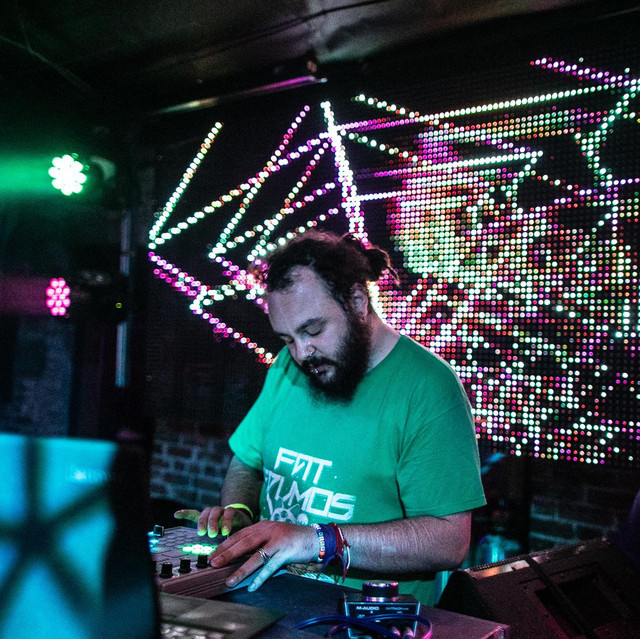
DJ Hidden
2013–2021
·
4 albums
Listen
1
/5
Genres
Focus Trance
Focus trance is a modern, low‑drama branch of trance tailored for concentration, study, coding, and deep work. It borrows trance’s hypnotic pulse and long-form structure, but softens the edges: fewer big drops, restrained builds, minimal vocals, and a narrow dynamic range that lets listeners sink into a steady flow state. Sonically, it tends to sit between ambient trance and progressive trance: warm pads, subtly modulated arps, muted kicks and basslines that groove without dominating, and gently evolving textures. Most tracks avoid abrupt transitions, extreme high‑frequency content, or dense mid‑range clutter, making them ideal as a musical backdrop that sustains attention over long sessions.
Discover
Listen
Musica Portuguesa Contemporanea
Música portuguesa contemporânea refers to the wave of Portuguese-made popular and art-leaning music that has flourished in the 2010s and 2020s. It blends the poetic sensibility and timbral colors of fado and folk with modern pop writing, indie craft, hip hop flows, and electronic production. Across this umbrella you’ll hear Portuguese-language lyrics shaped by saudade and everyday storytelling, acoustic textures (nylon-string and Portuguese guitar), and grooves informed by Lusophone urban dance (kizomba/batida) alongside chart-ready pop and indie aesthetics. The result is a scene that feels unmistakably Portuguese yet cosmopolitan, often minimalist and intimate in tone, but equally capable of sleek, dance-oriented production.
Discover
Listen
Neurostep
Neurostep is a hybrid subgenre that merges the sound‑design intensity of neurofunk drum & bass with the halftime groove and weight of dubstep. Typically sitting around 140 BPM (sometimes 150), it emphasizes intricate, constantly morphing bass timbres, razor‑edged transients, and tightly engineered drops. Compared to classic dubstep, neurostep is less about sparse wobble basses and more about complex, resampled, FM/phase‑modulated bass layers that evolve bar by bar. The drums are punchy and surgical—kicks carve through dense low‑end, snares land hard on the third beat, and ghosted percussion and glitch fills keep momentum between phrases. Its overall aesthetic is dark, technical, and cinematic: dystopian atmospheres, granular textures, and call‑and‑response bass motifs are common, while breakdowns often showcase sound‑design detail and tension before a precision‑engineered drop.
Discover
Listen
Breakcore
Breakcore is a high-intensity electronic music genre built around hyper-edited breakbeats, extreme dynamics, and a deliberately transgressive, collage-like approach to sampling. It prioritizes rhythmic complexity, abrupt structural shifts, and heavy sound design over smooth continuity. Typical tempos range from 160 to 220 BPM (and beyond), with the Amen break, Think break, and other classic breakbeats chopped into micro-fragments, re-sequenced, and processed with distortion, compression, and glitch edits. The palette freely fuses elements from jungle and drum and bass with gabber kicks, industrial noise, classical or choral snippets, ragga vocals, metal guitar samples, and odd-meter patterns. More than a single “sound,” breakcore is a methodology: confrontational energy, maximalist editing, and anti-formalist structures that often subvert dance-music expectations. It thrives in DIY scenes, warehouse parties, and netlabel cultures, where forward-pushing experimentation and boundary-blurring sampling are central values.
Discover
Listen
Drum And Bass
Drum and bass (DnB) is a fast, rhythmically intricate form of electronic dance music centered on breakbeats at roughly 160–180 BPM and powerful, sub‑heavy basslines. It grew out of the UK’s early ’90s rave and jungle scenes, combining chopped funk breaks (most famously the Amen break), dub and reggae sound‑system aesthetics, hip‑hop sampling, and techno’s futurist sound design. Across its many substyles—liquid funk’s soulful harmonies, techstep and neurofunk’s cold, machine‑like bass engineering, jump‑up’s hooky bass riffs, atmospheric DnB’s pads and space—drum and bass remains a DJ‑oriented, dancefloor‑driven genre that prizes tight drum programming, deep low end, and precise arrangement for mixing.
Discover
Listen
Darkstep
Darkstep is a sinister, aggressive strain of drum and bass that emphasizes dystopian atmospheres, heavy breakbeats, and distorted bass design. It trades the jazzy or soulful edges of earlier DnB for a colder, horror-tinged palette built from reese-style basses, detuned pads, and metallic, industrial textures. Typically clocking in around 170 BPM, darkstep tracks feature hard-hitting kicks and snares framed by chopped “Amen”-style breaks, rapid edits, and tense build‑and‑drop structures. The aesthetic draws on sci‑fi and horror cinema, cyberpunk, and post‑industrial culture, producing a claustrophobic sense of menace and momentum suited to late‑night, underground dancefloors.
Discover
Listen
Gabber
Gabber is a Dutch-born branch of hardcore techno characterized by extremely fast tempos, relentless 4/4 kicks, and an aggressive, distorted sound palette. It typically runs between 160–190+ BPM, features heavily overdriven 909-style kick drums that also serve as the bass, terse minor-key synth stabs (including classic "hoover" timbres), and short, shouted vocal samples or MC hype. Culturally, gabber is tied to early-’90s Rotterdam club culture, Thunderdome compilations and events, bomber jackets and trainers, and the high-energy hakken dance. The aesthetic is raw, industrial, and maximal, prioritizing impact, speed, and dancefloor intensity over harmonic complexity.
Discover
Listen
Hardcore Techno
Hardcore techno is a high‑tempo, aggressively produced branch of techno characterized by distorted, punchy four‑on‑the‑floor kicks, abrasive sound design, and relentless rhythmic drive. Typical tempos range from about 160 to 190 BPM (and can go even faster in some scenes), creating an intense, physically demanding dance experience. The style emphasizes saturated 909‑style kick drums with clipped/transient "click" and long distorted tails, industrial textures, harsh stabs (including classic "hoover" tones), alarming FX, and short shouted or sampled vocals. Harmony is sparse and often minor, with dissonant intervals or horror/industrial atmospheres. The overall aesthetic is raw, dark, and functional for large rave systems, designed to evoke catharsis and high energy on the dancefloor.
Discover
Listen
Downtempo
Downtempo is a mellow, groove-oriented branch of electronic music characterized by slower tempos, plush textures, and a focus on atmosphere over dancefloor intensity. Typical tempos range from about 60–110 BPM, with swung or laid-back rhythms, dub-informed basslines, and warm, jazz-tinged harmonies. Stylistically, it blends the spaciousness of ambient, the head-nodding rhythms of hip hop and breakbeat, and the cosmopolitan smoothness of lounge and acid jazz. Producers often use sampled drums, Rhodes or Wurlitzer electric pianos, guitar licks with delay, and field recordings to create intimate, cinematic soundscapes. The mood spans from soulful and romantic to introspective and dusk-lit, making it a staple of after-hours listening, cafes, and relaxed club back rooms.
Discover
Listen
Idm
IDM (often expanded as "Intelligent Dance Music") is a strand of experimental electronic music that applies the sound palette and production methods of club genres to listening-focused, often home-oriented works. It favors intricate rhythm programming, unusual time signatures, and richly textured sound design, blending ambient atmospheres with techno’s pulse, electro’s syncopation, and breakbeat’s fragmentation. The music often de-emphasizes the dancefloor in favor of headphone detail, algorithmic structure, and timbral exploration. The term itself is contentious—many artists rejected the "intelligent" label—yet it became a convenient tag for the early- to mid‑1990s cluster of Warp, Rephlex, and related scenes that foregrounded complexity, abstraction, and emotional ambiguity.
Discover
Listen
Dark Ambient
Dark ambient is a post‑industrial subgenre that coalesced in the mid‑1980s, drawing primarily on ambient music but shifting its focus toward ominous, subterranean space and timbre. It is characterized by long, low‑frequency drones; dissonant or microtonal overtones; and an enveloping, gloomy or catacomb‑like atmosphere. While largely electronic (synthesizers, samplers, tape and digital processing), artists frequently incorporate field recordings, contact‑mic textures, bowed metal, gongs, and fragments of traditional instruments captured with semi‑acoustic techniques and then heavily processed. Melody and pulse are minimized; instead the music emphasizes immersive sound design, psychoacoustic detail, and slowly evolving textures that evoke dread, awe, and isolation.
Discover
Listen
Industrial
Industrial is an experimental electronic music tradition that uses abrasive timbres, mechanical rhythms, and transgressive aesthetics. Its sound palette often includes distorted drum machines, tape loops, metallic percussion, feedback, and found-object recordings alongside synthesizers and samplers. Emerging from late-1970s UK underground art and performance scenes, industrial foregrounds themes of dehumanization, technology, surveillance, and power. Releases frequently embrace anti-commercial presentation, stark graphic design, and confrontational performance art, treating the studio as a laboratory for sonic manipulation rather than a vehicle for conventional songcraft. While early industrial emphasized noise, tape processing, and avant-garde collage, later waves fused the style with dancefloor precision (EBM), rock and metal heft, and club-oriented production, giving rise to a broad post-industrial family that remains influential in experimental, electronic, and popular music.
Discover
Listen
Electronic
Electronic is a broad umbrella genre defined by the primary use of electronically generated or electronically processed sound. It encompasses music made with synthesizers, drum machines, samplers, computers, and studio/tape techniques, as well as electroacoustic manipulation of recorded or synthetic sources. The genre ranges from academic and experimental traditions to popular and dance-oriented forms. While its sonic palette is rooted in electricity and circuitry, its aesthetics span minimal and textural explorations, structured song forms, and beat-driven club permutations. Electronic emphasizes sound design, timbre, and studio-as-instrument practices as much as melody and harmony.
Discover
Listen
Show all 13 genres
Albums
2021
1
/5
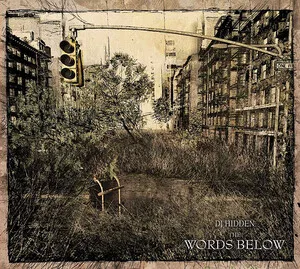
The Words Below
DJ Hidden
Darkstep
Downtempo
Drum And Bass
2020
1
/5
The Later After
DJ Hidden
Darkstep
Breakcore
Dark Ambient
2019
1
/5
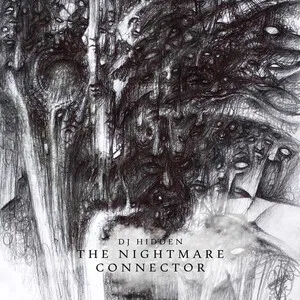
The Nightmare Connector
DJ Hidden
Darkstep
Electronic
2013
1
/5
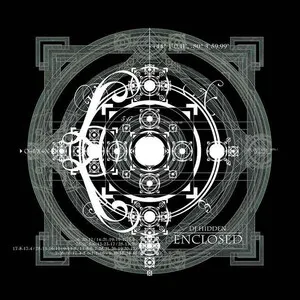
Enclosed
DJ Hidden
Darkstep
Electronic
Idm
Similar artists
1
/5
Various Artists
Afro-Funk
Alternative Rock
Ambient
3
/5
Goreshit
Breakcore
Electronic
Mashcore
1
/5
The Panacea
Breakcore
Deathstep
Drum And Bass
2
/5
Evol Intent
Darkstep
Drum And Bass
Drumstep
1
/5
Limewax
Drum And Bass
Skullstep
Breakcore
1
/5
Panacea
Drum And Bass
Breakcore
Jungle
1
/5
Dolphin
Industrial
Breakcore
Crossbreed
1
/5
Switch Technique
Crossbreed
Breakcore
Drum And Bass
1
/5
Deathmachine
Breakcore
Crossbreed
Frenchcore
4
/5
Machine Girl
Digital Hardcore
Breakcore
Jungle
Download our mobile app
Get the Melodigging app and start digging for new genres on the go
Download on the App Store
Get it on Google Play
© 2026 Melodigging
Give feedback
Legal
Melodding was created as a tribute to
Every Noise at Once
, which inspired us to help curious minds keep digging into music's ever-evolving genres.