Genres
Artists
Albums
Make Music
Sign in
Sign in
Artists
Electronic
Artists
Electronic
Dubmood
2003–2020
·
10 albums
Listen
2
/5
Genres
Digital Fusion
Digital fusion blends the hardware‑limited timbres of Chiptune and Bit Music with the harmonic language and arranging scope of jazz fusion, cinematic/classical writing, progressive music, and contemporary electronic production. Producers often start with authentic chip palettes (NES, Game Boy, YM2612/Genesis, or tracker/sample-based 8/16‑bit sets), then write harmonically rich progressions, orchestrate with layered synths and sample libraries, and sometimes add live performers (saxophone, guitar, bass, drums, strings). The result feels both retro and forward‑looking: agile, rhythmically intricate, melodically ear‑catchy, and frequently “filmic” in scope. Compared with straight Chiptune, digital fusion leans harder into jazz harmony, odd meters, and cinematic development; compared with jazztronica, it keeps a stronger attachment to console/arcade sound design and tracker‑style articulation.
Discover
Listen
Kawaii Future Bass
Kawaii future bass is a Japanese-born microgenre that blends the sidechained, chord-heavy drops of future bass with the cheery melodies, cute sound design, and pop sensibilities of J-pop, anime music, and game-inspired chiptune. It typically features bright supersaw stacks, bell and mallet plucks, high-pitched vocal chops (often from Vocaloid or J-pop/utaite sources), and sugary melodies in major or Lydian modes. Drums follow a half-time trap groove with crisp snares on beat three, while heavy sidechain compression creates a buoyant, bouncy feel. The aesthetic emphasizes “kawaii” (cute) culture—pastel tones, playful samples, and whimsical ear-candy—resulting in upbeat, feel-good tracks that are as much about personality and texture as they are about harmony and rhythm.
Discover
Listen
Synthwave
Synthwave is a retro-futurist electronic genre that revives and reimagines the sound, texture, and visual culture of 1980s film scores, television themes, arcade games, and synth-pop. Characterized by analog-style synthesizers, arpeggiated basslines, neon-soaked melodies, and gated-reverb drums, it blends nostalgia with cinematic drama. Substyles include the uplifting, driving "outrun" sound, the softer and romantic "dreamwave/chillsynth," and the heavier, horror-tinged "darksynth." Typical sound palettes reference instruments like the Roland Juno series, Yamaha DX7, Oberheim and Prophet polysynths, with drum machines such as the LinnDrum, TR-707, and 909 (or their modern emulations).
Discover
Listen
Bitpop
Bitpop is a pop-oriented offshoot of the chiptune/chipmusic scene that marries hook-driven songwriting with the timbres of vintage 8‑bit and 16‑bit game hardware. Typical sound sources include the pulse, triangle, and noise generators of consoles like the Nintendo Game Boy, NES/Famicom, and Commodore 64 SID, sequenced in trackers and layered with modern drums, bass, guitars, and vocals. The style favors bright, catchy melodies, ultra-quantized rhythms, rapid arpeggios (to imply chords on limited sound chips), and bitcrushed or downsampled textures. Songs usually follow contemporary pop structures (verse–chorus–bridge), aim for danceable tempos, and evoke playful, nostalgic "video‑game" aesthetics while maintaining the polish of modern pop production.
Discover
Listen
Demoscene
Demoscene music is the soundtrack to real‑time computer art “demos” that emerged on 8‑bit and 16‑bit home computers such as the Commodore 64, Amiga, and Atari ST. It is characterized by tracker-based composition, strict technical constraints, and a focus on compact, efficient file sizes. Typical pieces use sample-based modules (e.g., MOD, S3M, XM) or tiny procedural synths in 64k/4k intros, resulting in bright leads, rapid arpeggios, tight grooves, and bold, melodic hooks. Stylistically it borrows from synth-pop, Italo/euro-disco, electro, early house/techno, and video game chip music, while maintaining a distinctive scene aesthetic centered on virtuosity within limitations. Beyond its nostalgic timbres, demoscene music emphasizes precision pattern programming, polymelodic counterlines, and rhythmic drive, often composed to sync tightly with graphics and code-based effects at demoparties.
Discover
Listen
Chiptune
Chiptune (also called chip music or 8-bit music) is a style of electronic music created with, or emulating, the programmable sound generator (PSG) and FM chips found in vintage game consoles and home computers such as the NES/Famicom, Game Boy, Commodore 64 (SID), Amiga, Atari ST, and others. The sound palette is defined by simple waveforms (square/pulse, triangle, saw, noise), rapid arpeggios that imply chords on limited channels, pitch bends, duty-cycle modulation, and crunchy noise percussion. These constraints lend chiptune its bright, percussive, and highly melodic character, often evoking early video-game aesthetics. While originally utilitarian—music for games and computer demos—the approach evolved into a standalone art form. Contemporary chiptune spans pure hardware-authentic tracks and hybrid productions that blend chip timbres with modern synthesis, drums, vocals, and mixing techniques.
Discover
Listen
Demostyle
Demostyle is a branch of electronic, tracker-based music that emerged from the European computer demoscene. It is characterized by sample-based synthesis, crisp arpeggios, driving yet light percussion, and melodic hooks designed to synchronize tightly with real‑time graphics demos. Composers typically write in MOD, S3M, XM, or IT module formats using pattern-based sequencers (trackers), embracing timbral constraints (8–16 bit samples, limited channels) as part of the aesthetic. The result is an energetic, bright, and highly structured sound that celebrates technological ingenuity and musical economy.
Discover
Listen
Doskpop
Doskpop is a demoscene-born strain of melodic, space‑themed synth pop that emulates Spacesynth and Italo‑disco aesthetics under the technical limits of Amiga/PC trackers. It favors catchy, arpeggiated leads, glittering pads, and propulsive step‑sequenced bass lines while staying faithful to module‑tracking craft. The sound is defined less by specific hardware than by the tracker workflow: 4–8 channel sample playback, command‑driven effects, single‑cycle waveforms, and pattern‑based arrangement. The result is bright, forward, and danceable “space pop” that feels both retro and computational, equally at home in cracktros, intros, and stand‑alone scene music releases.
Discover
Listen
Electro
Electro is an early 1980s machine-funk style built around drum machines (especially the Roland TR-808), sequenced basslines, and a futuristic, robotic aesthetic. It emphasizes syncopated rhythms, sparse arrangements, and timbres drawn from analog and early digital synthesizers. Vocals, when present, are often delivered via vocoder or rap-style chants, reinforcing a sci‑fi, cyborg persona. Electro’s grooves powered breakdance culture, and its sonic palette—crisp 808 kicks, snappy snares, dry claps, cowbells, and squelchy bass—became foundational to later techno and bass music.
Discover
Listen
Spacesynth
Spacesynth is an instrumental, melody‑driven branch of 1980s European dance music that fuses Italo‑disco rhythm sections with futuristic, sci‑fi atmospheres. It is marked by sweeping analog pads, soaring lead themes, arpeggiated bass lines, and abundant space‑themed effects (risers, whooshes, lasers), typically set to a steady four‑on‑the‑floor groove around 110–125 BPM. While it inherits glittering textures from late‑’70s space disco, spacesynth tightens the sequencing, emphasizes dramatic motif development, and foregrounds catchy, virtuosic synth leads over vocals. The result is a cinematic, retro‑futurist sound that feels both danceable and evocative of cosmic exploration.
Discover
Listen
Tracker Music
Tracker music is music composed with tracker software, a pattern-based, sample-oriented sequencer that displays notes in vertical columns and steps through them row by row. Composers arrange short audio samples (often 8-bit/16-bit) into patterns, apply command-based effects (such as arpeggio, vibrato, portamento, and volume slides), and chain patterns via an order list to form a complete piece. Emerging from the Amiga and PC demoscenes, tracker music encompasses a wide aesthetic range: from chiptune-like bleeps and crunchy breakbeats to ambient modules and high-energy rave and hardcore. Characteristic traits include tight, staccato phrasing, rapid arpeggios simulating chords, lo‑fi sample color, and creative use of limited polyphony/channels. Common module formats include MOD, XM, IT, and S3M, and classic tools include ProTracker, FastTracker II, Impulse Tracker, and their modern descendants such as OpenMPT, MilkyTracker, and Renoise.
Discover
Listen
Italo-Disco
Italo-disco is a European form of disco and early electronic pop that blossomed in Italy in the early 1980s. It is characterized by four-on-the-floor drum-machine grooves, sequenced bass arpeggios, glossy synthesizer leads, and reverb-laden vocals that often sing in English with a distinctly continental accent. The style favors catchy hooks, romantic or futuristic themes, and extended 12-inch mixes designed for dancefloors. Typical tempos range from 110–125 BPM, with bright synth brass, string pads, and handclap-heavy patterns that give it a buoyant, neon-lit feel.
Discover
Listen
Warez Scene
Warez scene (as a music-adjacent style) refers to the sound, aesthetics, and practices that grew around the underground online subculture of software and media piracy groups. These groups produced short “cracktro” and keygen intro screens with looping music to brand their releases and signal group identity. Musically, the warez scene draws heavily on demoscene tracker culture, chiptune timbres, and 90s European club styles (Eurodance, hard trance, happy hardcore). Typical tracks are punchy, loopable 30–90 second modules or rendered audio: bright chip leads, rave pianos, hoover stabs, syncopated breakbeats or four‑on‑the‑floor kicks, and big snare builds—designed to loop under scrollers, ANSI/ASCII art, and NFO aesthetics. While not a formal genre in the traditional industry sense, the warez scene’s music became a recognizable micro‑style and cultural soundmark within cracking/keygen releases, later feeding into netlabel culture and retro‑internet aesthetics.
Discover
Listen
Bit Music
Bit music is a broad term for music built around the sound and constraints of low bit‑depth digital audio, early sound chips, and primitive computer/console hardware. It foregrounds square and pulse waves, noise channels, simple PCM, and the characteristic artifacts of bit‑crushing and low sample rates. While closely related to chiptune, bit music emphasizes the sonic signature of "the bit" itself: 1‑bit beeper techniques, 4/8/16‑bit sample playback, and tracker-based sequencing that exploits extremely limited polyphony and memory. The result is a bright, pixelated timbre that celebrates computational austerity through clever composition tricks, rapid arpeggios, duty‑cycle modulation, and noise percussion.
Discover
Listen
Ebm
Electronic Body Music (EBM) is a post-industrial dance music style that fuses the stark textures and aesthetics of industrial and synth‑punk with propulsive, club‑ready rhythms. Built on sequenced, repetitive basslines, rigid 4/4 kick patterns, and clipped, military‑tight percussion, EBM favors mostly undistorted, barked or chanted vocals and confrontational, sometimes political or provocative themes. Its sound is physical and kinetic—designed for bodies on the dance floor—yet retains the minimalist, machine‑driven discipline of early industrial and new wave electronics.
Discover
Listen
Sequencer & Tracker
Sequencer & tracker is a computer-music meta-genre centered on pattern-based composition using step sequencers and sample-based trackers (e.g., Ultimate Soundtracker, ProTracker, FastTracker II, Scream Tracker, Impulse Tracker, Renoise). It emphasizes vertical, grid-driven writing with short samples, limited channels, and hexadecimal effect commands. Compositions are stored as modules (.MOD, .S3M, .XM, .IT) that bundle patterns and samples, enabling small file sizes and platform portability. The aesthetic spans from 8/16‑bit microcomputer timbres to more modern, high‑fidelity sample and VST workflows. Historically tied to the demoscene and game audio, the style covers diverse substyles—electro, techno, jungle/breakbeat, ambient, chip—and is characterized by tight quantization, looped sample instruments, and clever tricks (e.g., arpeggio commands) to simulate harmony and motion under technical constraints.
Discover
Listen
Swedish Synth
Swedish synth is Sweden’s homegrown take on synth‑driven pop and EBM that emerged from the country’s new wave and post‑punk scenes of the early to mid‑1980s. In Sweden the word “synth” became a catch‑all label for synthpop, electro‑pop, and body‑music leaning acts, along with a distinct subculture of fans known as “synthare.” The style blends lyrical melancholy and melodic directness with sequenced basslines, arpeggiated hooks, and drum‑machine grooves. It is characterized by clean, song‑oriented structures, a strong focus on analog and early digital synthesizers, and a cool, slightly austere vocal delivery—often in Swedish, sometimes in English. Compared with darker industrial styles, Swedish synth tends to be tuneful and emotive, balancing dance‑floor energy with reflective, bittersweet atmospheres.
Discover
Listen
Dance-Punk
Dance-punk is a fusion of punk’s abrasive energy and attitude with the groove-forward rhythms of funk and disco. It favors tight, four-on-the-floor drum patterns, rubbery and syncopated bass lines, choppy, scratchy rhythm guitars, and percussion accents like cowbell and handclaps. Vocals are often shouted, talk-sung, or delivered with sardonic cool, and lyrics tend to be ironic, urban, and socially observant. A first wave emerged in the late 1970s and early 1980s alongside post-punk and no wave scenes (especially in New York and the UK), while a high-profile revival in the early 2000s (centered around DFA Records) brought analog synths, minimalist production, and indie-club sensibilities back to the fore.
Discover
Listen
Electro-Disco
Electro-disco is a late-1970s strand of disco that foregrounds electronic instruments—sequenced synthesizers, drum machines, and vocoders—over traditional rhythm sections. It typically features a steady four-on-the-floor kick, arpeggiated or step-sequenced basslines, lush string or pad textures, and futurist or space-themed aesthetics. Tempos usually sit between 115–128 BPM, with extended arrangements designed for DJs. Pioneered in European studios (especially Munich), the sound’s clean, machine-like pulse and repetitive motifs bridged classic disco with the coming era of synth-pop, Hi-NRG, house, and techno.
Discover
Listen
Electronic
Electronic is a broad umbrella genre defined by the primary use of electronically generated or electronically processed sound. It encompasses music made with synthesizers, drum machines, samplers, computers, and studio/tape techniques, as well as electroacoustic manipulation of recorded or synthetic sources. The genre ranges from academic and experimental traditions to popular and dance-oriented forms. While its sonic palette is rooted in electricity and circuitry, its aesthetics span minimal and textural explorations, structured song forms, and beat-driven club permutations. Electronic emphasizes sound design, timbre, and studio-as-instrument practices as much as melody and harmony.
Discover
Listen
Show all 20 genres
Albums
2020
2
/5
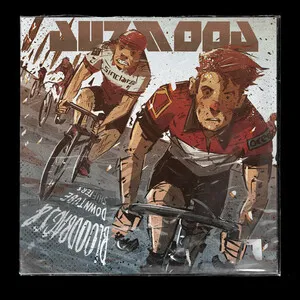
Bloodbags and Downtube Shifters
Dubmood
Doskpop
Demostyle
Spacesynth
2019
2
/5
Votedisk // Scene Is Dead
Dubmood
Swedish Synth
2016
2
/5
Best of Crackscene Music 2004-2007
Dubmood
Warez Scene
Doskpop
Demostyle
2014
1
/5
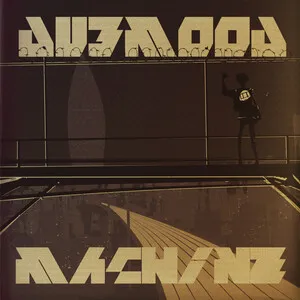
Machine
Dubmood
Demoscene
Ebm
Electro
2013
2
/5
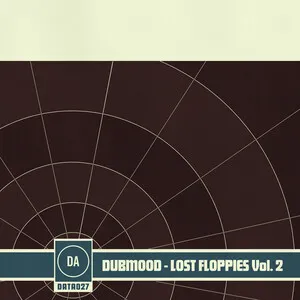
Lost Floppies Vol 2
Dubmood
Demostyle
Doskpop
Spacesynth
2007
1
/5
C'était Mieux en RDA
Dubmood
Demoscene
2006
2
/5
Lost Floppies Vol 1
Dubmood
Doskpop
Warez Scene
Demoscene
2003
2
/5
Best of 2001-2003
Dubmood
Demoscene
Tracker Music
Chiptune
Lost Floppies Vol 1
Dubmood
Spacesynth
Lost Floppies Vol 1
Dubmood
Demostyle
Similar artists
3
/5
MASTER BOOT RECORD
Synthwave
Darksynth
Cyber Metal
2
/5
Bjørn Lynne
Demoscene
Celtic
Demostyle
2
/5
Chris Huelsbeck
Demoscene
Electronic
Space Music
1
/5
Everdune
Demostyle
Doskpop
Demoscene
2
/5
Alexander Brandon
Demoscene
Ambient
Atmospheric Drum And Bass
2
/5
Fearofdark
Digital Fusion
Bit Music
Chiptune
1
/5
Purple Motion
Demoscene
Demostyle
Doskpop
4
/5
Robyn
Neo-Synthpop
Swedish Pop
Electropop
2
/5
xyce
Demoscene
Demostyle
Doskpop
1
/5
Jogeir Liljedahl
Demoscene
Demostyle
Electro
Download our mobile app
Get the Melodigging app and start digging for new genres on the go
Download on the App Store
Get it on Google Play
© 2026 Melodigging
Give feedback
Legal
Melodding was created as a tribute to
Every Noise at Once
, which inspired us to help curious minds keep digging into music's ever-evolving genres.