Your digging level
Description
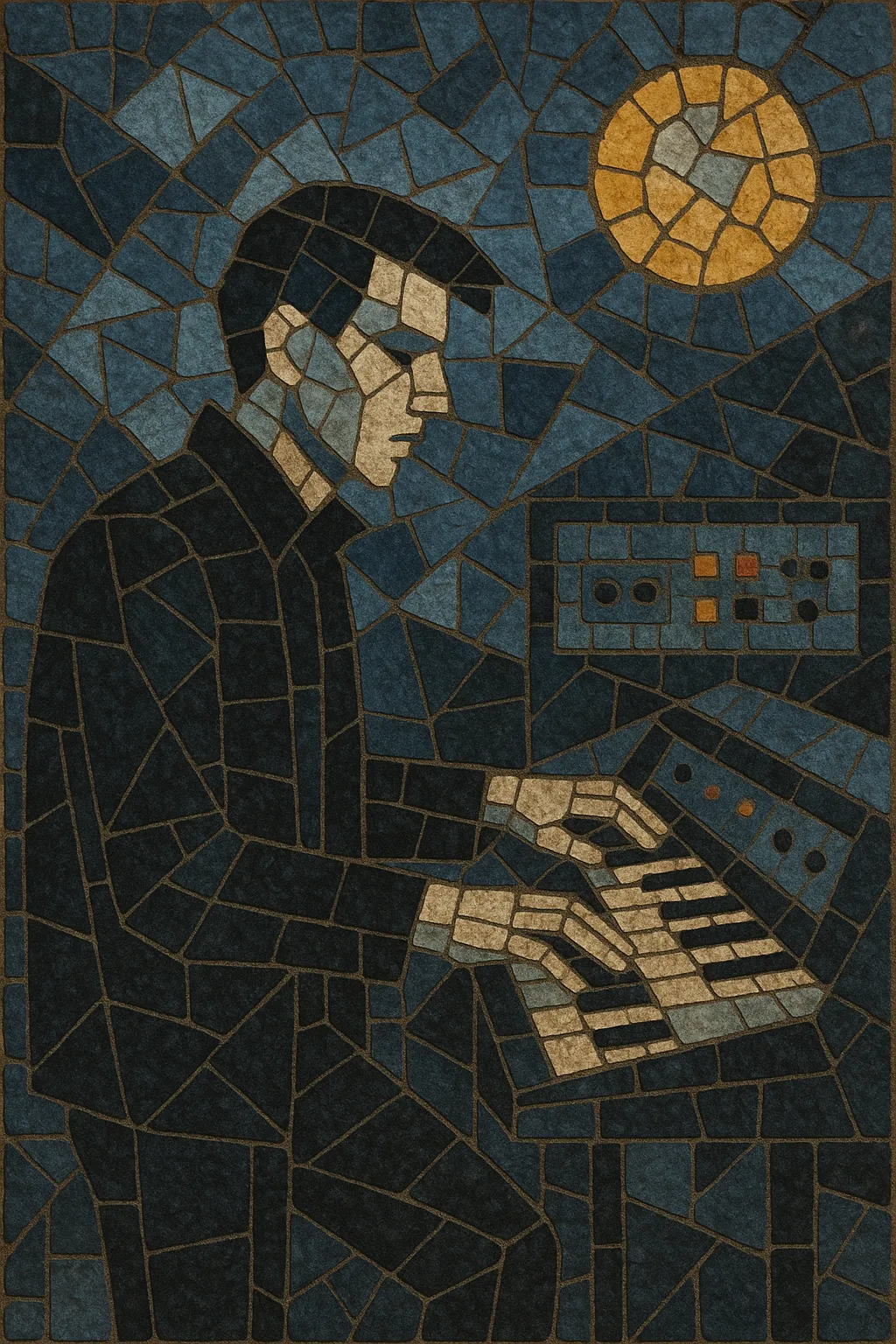
Swedish synth is Sweden’s homegrown take on synth‑driven pop and EBM that emerged from the country’s new wave and post‑punk scenes of the early to mid‑1980s. In Sweden the word “synth” became a catch‑all label for synthpop, electro‑pop, and body‑music leaning acts, along with a distinct subculture of fans known as “synthare.”
The style blends lyrical melancholy and melodic directness with sequenced basslines, arpeggiated hooks, and drum‑machine grooves. It is characterized by clean, song‑oriented structures, a strong focus on analog and early digital synthesizers, and a cool, slightly austere vocal delivery—often in Swedish, sometimes in English.
Compared with darker industrial styles, Swedish synth tends to be tuneful and emotive, balancing dance‑floor energy with reflective, bittersweet atmospheres.
History
Swedish synth took shape in the early 1980s as Swedish bands absorbed the wave of UK and continental European synthpop, new wave, and emerging EBM. Early adopters—often inspired by affordable analog synths, drum machines, and DIY recording—laid the groundwork for a local scene centered around clubs, fanzines, and independent labels. Acts such as Page, Twice a Man, and Adolphson & Falk helped codify a distinctly Swedish balance of melancholic lyricism and melodic, machine‑tight songcraft.
By the early 1990s, the “synthare” subculture was visible across Swedish cities, with record shops, club nights, and festivals supporting a broad spectrum from melodic synthpop to EBM. Groups like Elegant Machinery, S.P.O.C.K., The Mobile Homes, and Kiethevez brought sharper production, bigger choruses, and more pronounced dance rhythms, while Covenant connected the scene to a wider European audience. Dedicated events and labels preserved the genre’s identity even as mainstream trends shifted.
In the 2000s and 2010s, a new wave of Swedish artists revitalized the sound, blending classic synthpop aesthetics with modern production and indie sensibilities. Duos and bands such as Kite and Daily Planet carried the melodic blueprint forward, while the scene’s EBM and electro roots continued to inform club‑oriented acts. Today, Swedish synth sits comfortably alongside Scandinavian electropop and indie, its influence heard in the region’s polished, melody‑first electronic songwriting.