Genres
Artists
Albums
Make Music
Sign in
Sign in
Artists
Chiptune
Artists
Chiptune
Fearofdark
2017–2021
·
6 albums
Listen
2
/5
Genres
Digital Fusion
Digital fusion blends the hardware‑limited timbres of Chiptune and Bit Music with the harmonic language and arranging scope of jazz fusion, cinematic/classical writing, progressive music, and contemporary electronic production. Producers often start with authentic chip palettes (NES, Game Boy, YM2612/Genesis, or tracker/sample-based 8/16‑bit sets), then write harmonically rich progressions, orchestrate with layered synths and sample libraries, and sometimes add live performers (saxophone, guitar, bass, drums, strings). The result feels both retro and forward‑looking: agile, rhythmically intricate, melodically ear‑catchy, and frequently “filmic” in scope. Compared with straight Chiptune, digital fusion leans harder into jazz harmony, odd meters, and cinematic development; compared with jazztronica, it keeps a stronger attachment to console/arcade sound design and tracker‑style articulation.
Discover
Listen
Vapor Pop
Vapor pop is a glossy, internet-native strain of alternative pop that blends vaporwave’s hazy nostalgia with contemporary synth-pop and dream-pop songwriting. It favors soft-focus textures, clean but slightly detuned synths, breathy vocals, and gently pulsing beats that evoke late‑night drives, neon cityscapes, and digital romance. Where vaporwave deconstructs and slows down archival media, vapor pop translates that vaporous, retro-futurist palette into concise, hook-forward songs. The result is sleek and melancholic yet accessible: pop structures and earworm choruses wrapped in gauzy ambience, 80s/90s timbral references, and modern streaming-era minimalism.
Discover
Listen
Chiptune
Chiptune (also called chip music or 8-bit music) is a style of electronic music created with, or emulating, the programmable sound generator (PSG) and FM chips found in vintage game consoles and home computers such as the NES/Famicom, Game Boy, Commodore 64 (SID), Amiga, Atari ST, and others. The sound palette is defined by simple waveforms (square/pulse, triangle, saw, noise), rapid arpeggios that imply chords on limited channels, pitch bends, duty-cycle modulation, and crunchy noise percussion. These constraints lend chiptune its bright, percussive, and highly melodic character, often evoking early video-game aesthetics. While originally utilitarian—music for games and computer demos—the approach evolved into a standalone art form. Contemporary chiptune spans pure hardware-authentic tracks and hybrid productions that blend chip timbres with modern synthesis, drums, vocals, and mixing techniques.
Discover
Listen
Bit Music
Bit music is a broad term for music built around the sound and constraints of low bit‑depth digital audio, early sound chips, and primitive computer/console hardware. It foregrounds square and pulse waves, noise channels, simple PCM, and the characteristic artifacts of bit‑crushing and low sample rates. While closely related to chiptune, bit music emphasizes the sonic signature of "the bit" itself: 1‑bit beeper techniques, 4/8/16‑bit sample playback, and tracker-based sequencing that exploits extremely limited polyphony and memory. The result is a bright, pixelated timbre that celebrates computational austerity through clever composition tricks, rapid arpeggios, duty‑cycle modulation, and noise percussion.
Discover
Listen
Demoscene
Demoscene music is the soundtrack to real‑time computer art “demos” that emerged on 8‑bit and 16‑bit home computers such as the Commodore 64, Amiga, and Atari ST. It is characterized by tracker-based composition, strict technical constraints, and a focus on compact, efficient file sizes. Typical pieces use sample-based modules (e.g., MOD, S3M, XM) or tiny procedural synths in 64k/4k intros, resulting in bright leads, rapid arpeggios, tight grooves, and bold, melodic hooks. Stylistically it borrows from synth-pop, Italo/euro-disco, electro, early house/techno, and video game chip music, while maintaining a distinctive scene aesthetic centered on virtuosity within limitations. Beyond its nostalgic timbres, demoscene music emphasizes precision pattern programming, polymelodic counterlines, and rhythmic drive, often composed to sync tightly with graphics and code-based effects at demoparties.
Discover
Listen
Sequencer & Tracker
Sequencer & tracker is a computer-music meta-genre centered on pattern-based composition using step sequencers and sample-based trackers (e.g., Ultimate Soundtracker, ProTracker, FastTracker II, Scream Tracker, Impulse Tracker, Renoise). It emphasizes vertical, grid-driven writing with short samples, limited channels, and hexadecimal effect commands. Compositions are stored as modules (.MOD, .S3M, .XM, .IT) that bundle patterns and samples, enabling small file sizes and platform portability. The aesthetic spans from 8/16‑bit microcomputer timbres to more modern, high‑fidelity sample and VST workflows. Historically tied to the demoscene and game audio, the style covers diverse substyles—electro, techno, jungle/breakbeat, ambient, chip—and is characterized by tight quantization, looped sample instruments, and clever tricks (e.g., arpeggio commands) to simulate harmony and motion under technical constraints.
Discover
Listen
Tracker Music
Tracker music is music composed with tracker software, a pattern-based, sample-oriented sequencer that displays notes in vertical columns and steps through them row by row. Composers arrange short audio samples (often 8-bit/16-bit) into patterns, apply command-based effects (such as arpeggio, vibrato, portamento, and volume slides), and chain patterns via an order list to form a complete piece. Emerging from the Amiga and PC demoscenes, tracker music encompasses a wide aesthetic range: from chiptune-like bleeps and crunchy breakbeats to ambient modules and high-energy rave and hardcore. Characteristic traits include tight, staccato phrasing, rapid arpeggios simulating chords, lo‑fi sample color, and creative use of limited polyphony/channels. Common module formats include MOD, XM, IT, and S3M, and classic tools include ProTracker, FastTracker II, Impulse Tracker, and their modern descendants such as OpenMPT, MilkyTracker, and Renoise.
Discover
Listen
Pop
Pop is a broad, hook-driven style of popular music designed for wide appeal. It emphasizes memorable melodies, concise song structures, polished vocals, and production intended for radio, charts, and mass media. While pop continually absorbs elements from other styles, its core remains singable choruses, accessible harmonies, and rhythmic clarity. Typical forms include verse–pre-chorus–chorus, frequent use of bridges and middle-eights, and ear-catching intros and outros. Pop is not defined by a single instrumentation. It flexibly incorporates acoustic and electric instruments, drum machines, synthesizers, and increasingly digital production techniques, always in service of the song and the hook.
Discover
Listen
Jazz
Jazz is an improvisation-centered music tradition that emerged from African American communities in the early 20th century. It blends blues feeling, ragtime syncopation, European harmonic practice, and brass band instrumentation into a flexible, conversational art. Defining features include swing rhythm (a triplet-based pulse), call-and-response phrasing, blue notes, and extended harmonies built on 7ths, 9ths, 11ths, and 13ths. Jazz is as much a way of making music—spontaneous interaction, variation, and personal sound—as it is a set of forms and tunes. Across its history, jazz has continually hybridized, from New Orleans ensembles and big-band swing to bebop, cool and hard bop, modal and free jazz, fusion, and contemporary cross-genre experiments. Its influence permeates global popular and art music.
Discover
Listen
Electronic
Electronic is a broad umbrella genre defined by the primary use of electronically generated or electronically processed sound. It encompasses music made with synthesizers, drum machines, samplers, computers, and studio/tape techniques, as well as electroacoustic manipulation of recorded or synthetic sources. The genre ranges from academic and experimental traditions to popular and dance-oriented forms. While its sonic palette is rooted in electricity and circuitry, its aesthetics span minimal and textural explorations, structured song forms, and beat-driven club permutations. Electronic emphasizes sound design, timbre, and studio-as-instrument practices as much as melody and harmony.
Discover
Listen
Show all 10 genres
Albums
2021
2
/5
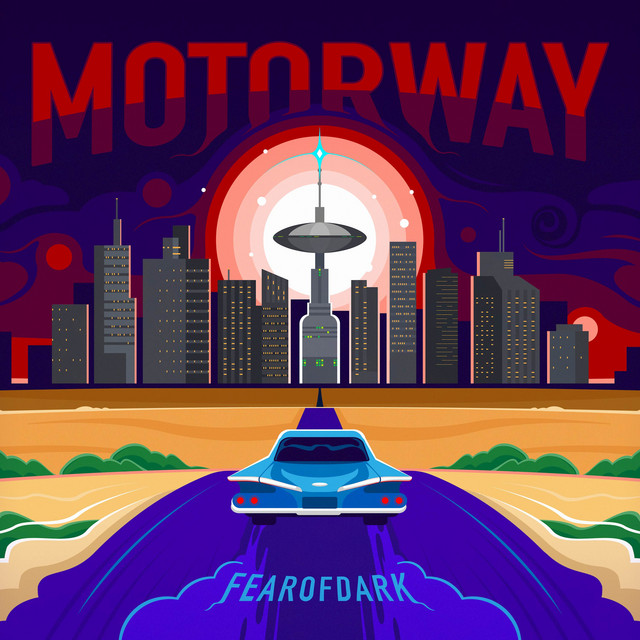
Motorway
Fearofdark
Demoscene
Chiptune
Digital Fusion
2017
1
/5
Exit Plan
Fearofdark
Chiptune
Digital Fusion
Tracker Music
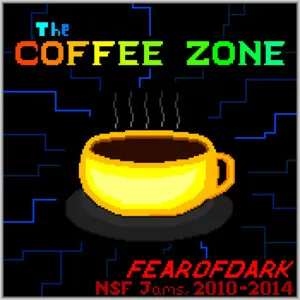
The Coffee Zone
Fearofdark
Chiptune
The Coffee Zone
Fearofdark
Demoscene
The Coffee Zone
Fearofdark
Bit Music
The Coffee Zone
Fearofdark
Digital Fusion
Similar artists
3
/5
Disasterpeace
Chiptune
Digital Fusion
Electronic
2
/5
Dubmood
Demoscene
Electronic
Demostyle
1
/5
Lost Cascades
Digital Fusion
Idm
Vaporwave
4
/5
Toby Fox
Indie Game Soundtrack
Soundtrack
Video Game Music
3
/5
MASTER BOOT RECORD
Synthwave
Darksynth
Cyber Metal
2
/5
Kubbi
Bitpop
Chiptune
Chillstep
2
/5
Ilkae
Idm
Tracker Music
Sequencer & Tracker
3
/5
In Love With a Ghost
Kawaii Future Bass
Digital Fusion
Downtempo
3
/5
Xploshi
Utopian Virtual
Digital Fusion
Vapor
2
/5
Equip
Utopian Virtual
Chillwave
Synthwave
Download our mobile app
Get the Melodigging app and start digging for new genres on the go
Download on the App Store
Get it on Google Play
© 2026 Melodigging
Give feedback
Legal
Melodding was created as a tribute to
Every Noise at Once
, which inspired us to help curious minds keep digging into music's ever-evolving genres.