Genres
Artists
Albums
Make Music
Sign in
Sign in
Artists
Bitpop
Artists
Bitpop
Kubbi
2012–2020
·
4 albums
Listen
2
/5
Genres
Chillstep
Chillstep is a mellow, melodic offshoot of dubstep that emphasizes atmosphere, emotion, and cinematic sound design over aggressive bass modulation. It retains dubstep’s half-time rhythmic feel but replaces abrasive wobbles with warm subs, airy pads, and gently evolving textures. Typical tracks sit around 140 BPM (often felt as a spacious 70 BPM half-time groove), blending downtempo pacing with ambient spaciousness. You’ll often hear reverb-laden vocals, delicate piano or guitar lines, soft arpeggios, and field recordings, all arranged to create a soothing, introspective mood rather than a dancefloor peak.
Discover
Listen
Electronic Djent
Electronic djent is a hybrid microgenre that fuses the palm‑muted, polyrhythmic chug and extended‑range guitar vocabulary of djent with the sound design, structures, and drops of modern electronic music. Producers and guitarists build songs around tight, syncopated low‑string riffs, then interweave synth basses, arpeggiators, glitch edits, and half‑time drops drawn from dubstep, drum & bass, and IDM. The result feels at once mechanical and cinematic: staccato guitars lock to quantized drums while side‑chained pads and digital ‘wub’ basses breathe in the spaces between the accents. Although largely instrumental, the genre ranges from sleek, futuristic ‘chip‑djent’ and synthwave‑tinted palettes to heavier industrial and bass‑music crossovers. It is a quintessential internet‑era style: written in DAWs, shared on Bandcamp/YouTube, and refined by tight community feedback loops.
Discover
Listen
Gamecore
Gamecore is an internet-native electronic microgenre that fuses the timbres, melodies, and narrative tropes of classic and modern video game music with contemporary EDM songcraft. Its palette leans heavily on chiptune waveforms (square, triangle, noise), retro console/arcade sound effects, and leitmotif-style hooks, but frames them within club-forward rhythms and sound design drawn from electro house, future bass, glitch hop, dubstep, and drum & bass. The result is a bright, kinetic, and often nostalgic sound that feels like a “boss battle” drop or a euphoric level clear. Scenes and labels tied to VGM remix culture, doujin circles, and demoscene aesthetics helped codify the style, while streamers, esports content, and indie game culture amplified its reach.
Discover
Listen
Pixel
Pixel is an internet-born microgenre that blends chiptune’s 8‑ and 16‑bit timbres with glossy, high‑energy electropop and hyperpop production. You’ll hear pulse‑width‑modulated square leads, triangle basses, noise‑channel snares, rapid arpeggios that imply chords, and lots of game‑console sound design (NES/SNES/Genesis palettes). Melodies are bright and hooky, arrangements are tightly quantized and often very fast, and sound design leans “cute,” cartoonish, and ultra‑synthetic. Producers frequently add modern touches—side‑chain pumping, OTT compression, hard clip/bit‑crush distortion, and pitched/Auto‑Tuned vocals—so the result feels at once retro and contemporary. Aesthetically it signals retro‑gaming and net culture: UI bleeps, item‑pickup stingers, and level‑up flourishes sit alongside maximal, sugary pop writing. Typical tempos range from 120–170 BPM, with common detours into double‑time or halftime drops.
Discover
Listen
Kawaii Future Bass
Kawaii future bass is a Japanese-born microgenre that blends the sidechained, chord-heavy drops of future bass with the cheery melodies, cute sound design, and pop sensibilities of J-pop, anime music, and game-inspired chiptune. It typically features bright supersaw stacks, bell and mallet plucks, high-pitched vocal chops (often from Vocaloid or J-pop/utaite sources), and sugary melodies in major or Lydian modes. Drums follow a half-time trap groove with crisp snares on beat three, while heavy sidechain compression creates a buoyant, bouncy feel. The aesthetic emphasizes “kawaii” (cute) culture—pastel tones, playful samples, and whimsical ear-candy—resulting in upbeat, feel-good tracks that are as much about personality and texture as they are about harmony and rhythm.
Discover
Listen
Bitpop
Bitpop is a pop-oriented offshoot of the chiptune/chipmusic scene that marries hook-driven songwriting with the timbres of vintage 8‑bit and 16‑bit game hardware. Typical sound sources include the pulse, triangle, and noise generators of consoles like the Nintendo Game Boy, NES/Famicom, and Commodore 64 SID, sequenced in trackers and layered with modern drums, bass, guitars, and vocals. The style favors bright, catchy melodies, ultra-quantized rhythms, rapid arpeggios (to imply chords on limited sound chips), and bitcrushed or downsampled textures. Songs usually follow contemporary pop structures (verse–chorus–bridge), aim for danceable tempos, and evoke playful, nostalgic "video‑game" aesthetics while maintaining the polish of modern pop production.
Discover
Listen
Chiptune
Chiptune (also called chip music or 8-bit music) is a style of electronic music created with, or emulating, the programmable sound generator (PSG) and FM chips found in vintage game consoles and home computers such as the NES/Famicom, Game Boy, Commodore 64 (SID), Amiga, Atari ST, and others. The sound palette is defined by simple waveforms (square/pulse, triangle, saw, noise), rapid arpeggios that imply chords on limited channels, pitch bends, duty-cycle modulation, and crunchy noise percussion. These constraints lend chiptune its bright, percussive, and highly melodic character, often evoking early video-game aesthetics. While originally utilitarian—music for games and computer demos—the approach evolved into a standalone art form. Contemporary chiptune spans pure hardware-authentic tracks and hybrid productions that blend chip timbres with modern synthesis, drums, vocals, and mixing techniques.
Discover
Listen
Bit Music
Bit music is a broad term for music built around the sound and constraints of low bit‑depth digital audio, early sound chips, and primitive computer/console hardware. It foregrounds square and pulse waves, noise channels, simple PCM, and the characteristic artifacts of bit‑crushing and low sample rates. While closely related to chiptune, bit music emphasizes the sonic signature of "the bit" itself: 1‑bit beeper techniques, 4/8/16‑bit sample playback, and tracker-based sequencing that exploits extremely limited polyphony and memory. The result is a bright, pixelated timbre that celebrates computational austerity through clever composition tricks, rapid arpeggios, duty‑cycle modulation, and noise percussion.
Discover
Listen
Progressive Rock
Progressive rock is a rock subgenre that expands the genre’s formal, harmonic, and conceptual boundaries. It favors long-form compositions, intricate arrangements, and virtuosic musicianship, often drawing on Western classical, jazz, folk, and psychedelic idioms. Typical hallmarks include multi-part suites, shifting time signatures, extended instrumental passages, recurring motifs, and concept albums that present unified themes or narratives. The sound palette commonly features electric guitar, bass, and drums alongside an array of keyboards (Hammond organ, Mellotron, Moog/ARP synthesizers, piano), woodwinds or brass, and occasional orchestral additions. Lyrics often explore science fiction, mythology, philosophy, social commentary, and introspective themes.
Discover
Listen
Progressive
Progressive is an umbrella aesthetic that prioritizes musical development—extended forms, evolving arrangements, sophisticated harmony, and conceptual ambition—over verse–chorus simplicity. Emerging from late-1960s rock and psychedelia, the progressive approach soon permeated multiple styles (rock, electronic, metal, pop, dance music), where "progressive" signals pieces that unfold gradually, introduce new motifs across long arcs, and use timbral and harmonic exploration as core drama. Across its variants, listeners can expect longer tracks, thematic continuity (sometimes across whole albums), expanded instrument palettes (from orchestral colors to synthesizers), odd meters, key changes, and a narrative sense of journey.
Discover
Listen
Electronic
Electronic is a broad umbrella genre defined by the primary use of electronically generated or electronically processed sound. It encompasses music made with synthesizers, drum machines, samplers, computers, and studio/tape techniques, as well as electroacoustic manipulation of recorded or synthetic sources. The genre ranges from academic and experimental traditions to popular and dance-oriented forms. While its sonic palette is rooted in electricity and circuitry, its aesthetics span minimal and textural explorations, structured song forms, and beat-driven club permutations. Electronic emphasizes sound design, timbre, and studio-as-instrument practices as much as melody and harmony.
Discover
Listen
Show all 11 genres
Albums
2020
2
/5
In the Halls of the Usurper (Just Shovels & Knights Version)
Kubbi
Chiptune
Bitpop
2018
2
/5
Taiga
Kubbi
Chillstep
Electronic
Progressive
2015
3
/5
Ember
Kubbi
Bitpop
Bit Music
Chiptune
2012
2
/5
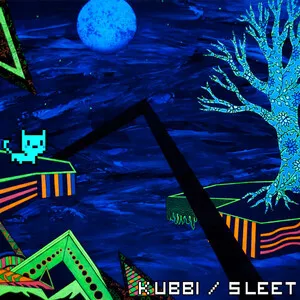
Sleet
Kubbi
Chillstep
Similar artists
3
/5
Anamanaguchi
Chiptune
Bitpop
Nintendocore
3
/5
Disasterpeace
Chiptune
Digital Fusion
Electronic
2
/5
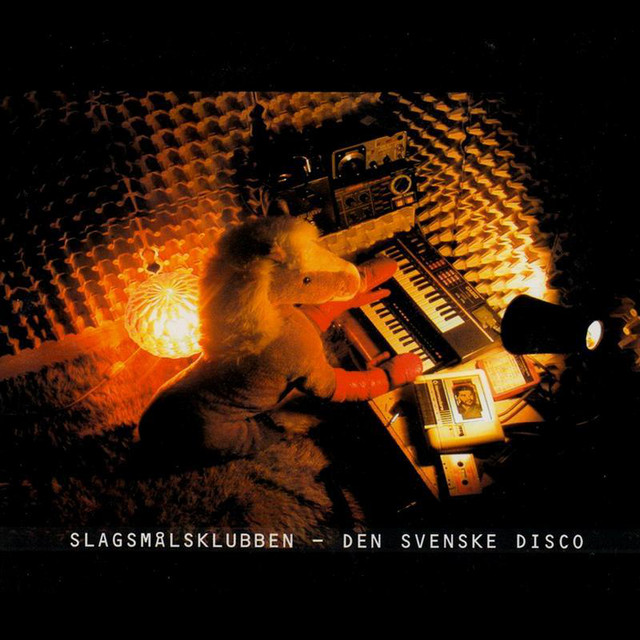
Slagsmålsklubben
Bitpop
Electronic
Synth-Pop
3
/5
Bossfight
Chiptune
Deathstep
Dubstep
2
/5
she
Bitpop
Shib
Chiptune
4
/5
Crystal Castles
Bitpop
Digital Hardcore
Nintendocore
3
/5
Perfume
Bitpop
Picopop
J-Pop
3
/5
MASTER BOOT RECORD
Synthwave
Darksynth
Cyber Metal
2
/5
Bondage Fairies
Bitpop
Electronic
Nintendocore
4
/5
Toby Fox
Indie Game Soundtrack
Soundtrack
Video Game Music
Download our mobile app
Get the Melodigging app and start digging for new genres on the go
Download on the App Store
Get it on Google Play
© 2026 Melodigging
Give feedback
Legal
Melodding was created as a tribute to
Every Noise at Once
, which inspired us to help curious minds keep digging into music's ever-evolving genres.