Genres
Artists
Albums
Make Music
Sign in
Sign in
Artists
Bitpop
Artists
Bitpop
Perfume
2006–2025
·
33 albums
Listen
3
/5
Genres
Scenecore
Scenecore is a net-native microgenre that revives mid‑2000s “scene kid” aesthetics—neon hair, slasher/gore imagery, and MySpace-era melodrama—inside a 2020s hyperpop/digicore production framework. Sonically it blends sped‑up, pitch‑shifted “kawaii” vocals with harsh, clipping drums and distorted 808s, breakcore-like edits, trancey supersaws, and nintendocore/Video‑game timbres. Hooks are chantable and meme-ready, lyrics swing between confessional emo and tongue‑in‑cheek horror, and the entire presentation is designed for short‑form virality on TikTok, SoundCloud, and Discord-driven micro‑communities. The result is an aggressive, glossy, and maximal style that feels simultaneously nostalgic and ultra‑online: part nightcore rush, part screamo‑rap catharsis, part cyber‑club euphoria.
Discover
Listen
Dark Pop
Dark pop is a moody, minor‑key strain of pop that blends the hooks and structure of mainstream pop with the shadowy timbres of dark wave, trip hop, and alternative electronic music. It favors intimate, close‑mic vocals, cinematic ambience, and lyrics that explore vulnerability, power, and the unsettling edges of modern life. Production often leans on sub‑bass, sparse trap‑influenced drums, and glossy yet ominous synths, creating a high‑contrast sound that feels both confessional and theatrical. While radio‑friendly in form, dark pop emphasizes tension over euphoria: melodies linger in lower registers, harmonies use modal mixture, and textures deploy reverb, distortion, and sound‑design flourishes to evoke unease and melancholy.
Discover
Listen
Men Chika
Men chika (メン地下) is the Japanese underground male idol scene, made up of boy groups who perform high-energy J‑pop and dance-pop in small live houses, theaters, and idol events rather than on major mainstream stages. Musically it blends glossy J‑pop songwriting with club-ready EDM/electropop production, punchy hooks built for call-and-response, and chant breaks designed for wotagei/fan MIX participation. Songs commonly feature bright synths, four-on-the-floor or trap-inflected grooves, stacked gang shouts, and key‑change finales. Lyrically the focus is on youth, dreams, devotion, and intimacy with fans—reinforced by close-contact fan practices like cheki (instax photos) and meet-and-greets. Culturally, men chika parallels the long-running “chika idol” (underground idol) movement on the women’s side, but orients to a largely female fanbase and a circuit centered on Tokyo live houses and regional circuits. It is as much a participatory fan culture as it is a sound, shaping how songs are arranged, staged, and monetized.
Discover
Listen
Shib
Shib is an internet-born microgenre that blends lo‑fi hip hop, cloud rap, and alt‑R&B sensibilities into short, emotionally direct songs. It favors intimate vocals (sung, whispered, or half‑rapped), warm and dusty textures, and compact forms optimized for streaming and social media discovery. Typical productions feature looped guitar or piano motifs, soft trap drums, vinyl crackle or room noise, and reverbs/delays that create a late‑night, confessional atmosphere. Lyrically, shib gravitates toward nostalgia, heartbreak, and private reflection—music made to sound like messages recorded in a bedroom at 2 a.m.
Discover
Listen
Jirai Kei
Jirai kei is a recent Japanese internet-born pop micro‑genre and aesthetic that blends cute, sugary sounds with darker, obsessive and self‑destructive themes. The term comes from a fashion/aesthetic scene associated with yamikawaii and menhera culture, and in music it describes songs that sound soft and adorable on the surface but conceal lyrics about toxic love, dependency, jealousy, and emotional volatility. Sonically, jirai kei draws from J‑pop and Vocaloid traditions (denpa/picopop brightness, catchy hooks) while adopting modern hyperpop gloss, trap/EDM percussion, and highly edited, youthful vocals. The contrast between childlike, pastel timbres and intense, confessional writing is central to the style, making it both immediately hooky and emotionally sharp—an audio embodiment of “cute but dangerous.”
Discover
Listen
Digital Fusion
Digital fusion blends the hardware‑limited timbres of Chiptune and Bit Music with the harmonic language and arranging scope of jazz fusion, cinematic/classical writing, progressive music, and contemporary electronic production. Producers often start with authentic chip palettes (NES, Game Boy, YM2612/Genesis, or tracker/sample-based 8/16‑bit sets), then write harmonically rich progressions, orchestrate with layered synths and sample libraries, and sometimes add live performers (saxophone, guitar, bass, drums, strings). The result feels both retro and forward‑looking: agile, rhythmically intricate, melodically ear‑catchy, and frequently “filmic” in scope. Compared with straight Chiptune, digital fusion leans harder into jazz harmony, odd meters, and cinematic development; compared with jazztronica, it keeps a stronger attachment to console/arcade sound design and tracker‑style articulation.
Discover
Listen
Kawaii Future Bass
Kawaii future bass is a Japanese-born microgenre that blends the sidechained, chord-heavy drops of future bass with the cheery melodies, cute sound design, and pop sensibilities of J-pop, anime music, and game-inspired chiptune. It typically features bright supersaw stacks, bell and mallet plucks, high-pitched vocal chops (often from Vocaloid or J-pop/utaite sources), and sugary melodies in major or Lydian modes. Drums follow a half-time trap groove with crisp snares on beat three, while heavy sidechain compression creates a buoyant, bouncy feel. The aesthetic emphasizes “kawaii” (cute) culture—pastel tones, playful samples, and whimsical ear-candy—resulting in upbeat, feel-good tracks that are as much about personality and texture as they are about harmony and rhythm.
Discover
Listen
Otacore
Otacore is a fan-driven, internet-native umbrella for music centered on anime, manga, gaming, and broader otaku culture. Rather than a single strict musical style, it describes a cluster of scenes where pop, electronic, rock, and rap intersect with anime aesthetics, story tropes, and character/fandom references. Typical otacore repertoires include Vocaloid productions, anisong-style pop/rock, high-energy EDM with kawaii sound design, nightcore-style edits, game-inspired chiptune flourishes, and cover cultures (English/Japanese) tied to anime and game franchises. Distribution and discovery are powered by platforms such as Nico Nico Douga, YouTube, SoundCloud, streaming playlists, and later TikTok, where memeability, fan videos (AMVs), and vtuber performances help songs spread globally.
Discover
Listen
Soundclown
Soundclown is an internet-born remix and mashup style that thrives on comedic juxtaposition, bait‑and‑switch reveals, and hyper-referential sample collage. It blends pop hits, game and cartoon music, ad jingles, meme sounds, and viral speech into quick-cut audio gags. The genre developed across YouTube and SoundCloud, favoring shock humor, nostalgia, and absurdity over traditional song form. Hallmarks include sudden key/tempo whiplash, exaggerated pitch-shifts, ear‑rending “earrape” peaks, and punchline drops that transform a familiar source into something hilariously incongruent. Because it is fundamentally platform-native, soundclown is as much a memetic editing culture as a musical style. Its tracks often function like sonic shitposts: fast, punchy, and built for instant recognition and shareability.
Discover
Listen
Bitpop
Bitpop is a pop-oriented offshoot of the chiptune/chipmusic scene that marries hook-driven songwriting with the timbres of vintage 8‑bit and 16‑bit game hardware. Typical sound sources include the pulse, triangle, and noise generators of consoles like the Nintendo Game Boy, NES/Famicom, and Commodore 64 SID, sequenced in trackers and layered with modern drums, bass, guitars, and vocals. The style favors bright, catchy melodies, ultra-quantized rhythms, rapid arpeggios (to imply chords on limited sound chips), and bitcrushed or downsampled textures. Songs usually follow contemporary pop structures (verse–chorus–bridge), aim for danceable tempos, and evoke playful, nostalgic "video‑game" aesthetics while maintaining the polish of modern pop production.
Discover
Listen
Picopop
Picopop is a Japanese microgenre of ultra-bright, toy-like electronic pop that fuses the sugary melodicism of J‑pop with the bleepy, “piko‑piko” timbres of 8‑bit and lo‑fi electronics. Its name nods to both the onomatopoeia for beeps in Japanese (“piko-piko”) and its pocket‑sized, miniature aesthetic. Musically, picopop favors short, hook-dense songs, high‑pitched and cute (kawaii) vocals, and arrangements built from chiptune waveforms, plastic synths, and playful sound effects. It inherits Shibuya‑kei’s collage sensibility and pop sophistication, but strips it down to bright primary colors, bubblegum harmonies, and crisp, quantized rhythms. The result is an effervescent, hyper-melodic style that feels like a handheld game console crossed with indie pop.
Discover
Listen
Akishibu-Kei
Akishibu-kei is a Japanese pop-oriented trend in anime-related music that blends the chic, retro-pop collage of Shibuya-kei with Akiba-kei’s otaku-centric sensibilities. Typically, it marries breezy bossa/jazz-inflected harmonies, cut-and-paste sampling, and French-pop nostalgia with bright, idol-like vocals and anime tie-in songwriting. The result is an approachable, stylish sound that feels both metropolitan and fandom-focused—equally at home in a Shibuya boutique and an Akihabara record shop. While not a rigid genre, the label highlights a 2000s moment when Shibuya-kei aesthetics noticeably permeated anime openings/endings and character songs.
Discover
Listen
J-Pop
J-pop (Japanese pop) is a broad umbrella for mainstream Japanese popular music that blends Western pop/rock, dance, and R&B with distinctly Japanese songwriting, vocal delivery, and industry practices. It is characterized by strong hooks, polished production, bright synths and guitars, frequent key changes and modulatory bridges, and chorus-first or chorus-centric structures. J-pop spans idol groups, singer-songwriters, band-oriented pop-rock, electronic dance-pop, and R&B ballads, while remaining closely tied to television, advertising, video games, and anime tie-ins (anisong).
Discover
Listen
Shibuya-Kei
Shibuya-kei is a Japanese pop micro‑genre that emerged from Tokyo’s Shibuya district in the early–mid 1990s. It blends 1960s French yé‑yé, bossa nova, lounge/easy listening, baroque pop, jazz, sunshine pop, and slick city‑pop with contemporary sampling and electronic production. The style is cosmopolitan and retro‑futurist: it celebrates crate‑digging, witty pastiche, and graphic design/fashion as much as music. Songs often feature breezy melodies, airy or whispery vocals in Japanese, English, or French, and richly orchestrated arrangements that feel both nostalgic and playful.
Discover
Listen
J-Dance
J‑dance is a Japanese strand of dance‑pop that fuses Western club styles with the songwriting, melodies, and production aesthetics of J‑pop. It emphasizes hook‑forward choruses, choreographable grooves, and glossy, radio‑ready arrangements built for both clubs and television variety shows. The sound draws heavily from Eurobeat, house, and new jack swing, later absorbing techno, electropop, and trance elements during the late 1990s and 2000s. Catchy English taglines, key‑modulated finales, and tightly structured A‑melody/B‑melody → pre‑chorus → chorus forms are common signatures.
Discover
Listen
J-Pop Girl Group
J-pop girl group is a pop-oriented style centered on multi-member female idol groups from Japan. It blends bright, hook-heavy songwriting with tightly coordinated choreography, character-driven concepts, and an intimate fan culture. Musically, it draws on kayōkyoku and J-pop’s melodic sensibilities, dance-pop/electropop production, and a “cute/energetic” vocal delivery shared across rotating line-ups. Songs often feature key-change finales, chantable hooks, and call-and-response parts tailored for live audience interaction. Beyond sound, the genre emphasizes visual concepts, member personas, and variety-show visibility, making performance, branding, and community engagement as essential as the recorded tracks.
Discover
Listen
Dance-Pop
Dance-pop is a mainstream-oriented pop style built for both radio and the dancefloor. It blends hook-driven songwriting with club-ready rhythms, typically using a steady four-on-the-floor kick, bright synthesizers, and punchy, polished production. Tempos usually sit in the 110–128 BPM range, and arrangements emphasize memorable choruses, clear verses and pre-choruses, and concise structures suitable for radio edits. Compared with club genres like house or techno, dance-pop prioritizes song form, vocal presence, and accessible harmonies, while still retaining an energetic groove. The sound palette often includes layered synths, sampled or electronic drums, tight bass lines, ear-catching toplines, and modern production techniques such as sidechain compression and stacked vocal harmonies.
Discover
Listen
Electro
Electro is an early 1980s machine-funk style built around drum machines (especially the Roland TR-808), sequenced basslines, and a futuristic, robotic aesthetic. It emphasizes syncopated rhythms, sparse arrangements, and timbres drawn from analog and early digital synthesizers. Vocals, when present, are often delivered via vocoder or rap-style chants, reinforcing a sci‑fi, cyborg persona. Electro’s grooves powered breakdance culture, and its sonic palette—crisp 808 kicks, snappy snares, dry claps, cowbells, and squelchy bass—became foundational to later techno and bass music.
Discover
Listen
Electropop
Electropop is a branch of pop music that foregrounds electronic instruments—especially synthesizers, drum machines, and sequencers—to deliver catchy, hook-driven songs. It preserves the verse–pre-chorus–chorus architecture and melodic immediacy of pop while replacing most traditional band instrumentation with programmed rhythms, synthetic bass lines, and glossy textures. The style emphasizes earworm toplines, precise rhythmic grids, and tightly produced arrangements that often highlight contrast between minimal, punchy verses and expansive, anthemic choruses. Timbres range from warm analog pads and arpeggiators reminiscent of the late 1970s/early 1980s to ultra-modern, hyper-detailed sound design, making electropop both retro-leaning and future-facing depending on the artist.
Discover
Listen
Synth-Pop
Synth-pop is a pop-oriented style that foregrounds the synthesizer as its primary instrument, often paired with drum machines and sequencers. It favors clean, melodic hooks, concise song structures, and a sleek, modernist sound that ranges from cool and minimal to lush and romantic. Emerging at the turn of the 1980s from the UK new wave and post-punk scenes, synth-pop leveraged affordable analog and then digital keyboards to bring electronic textures into the mainstream. Its sonic palette includes arpeggiated basslines, shimmering pads, bright leads, gated or machine-driven drums, and polished vocals that convey both futuristic detachment and emotional immediacy.
Discover
Listen
Japanese Idol
Japanese idol is a pop-centered entertainment phenomenon built around singers and groups whose appeal blends catchy, polished songs with a carefully crafted public image, approachable personalities, and tightly synchronized choreography. Musically it spans bright, hook-forward dance-pop and electropop to tender ballads, often arranged in the familiar J-pop structure of A-melody, B-melody, and a soaring, repeatable chorus (sabi). Production favors clean vocals, layered harmonies, glittering synths, and chantable hooks designed for audience call-and-response. Beyond sound, the genre is defined by its ecosystem: fan events (handshakes, photo ops), wotagei (coordinated cheers), member rotations, and an emphasis on growth arcs and parasocial closeness. Female and male idol scenes developed in parallel, feeding broader J-pop and otaku culture while continually reinventing themselves through large-scale collectives and alternative/underground offshoots.
Discover
Listen
Girl Group
Girl group is a pop- and R&B-rooted vocal group tradition defined by all-female ensembles whose songs emphasize memorable hooks, close harmonies, and teen-focused narratives about love, longing, friendship, and empowerment. Although female vocal groups existed earlier, the term “girl group” most strongly denotes the early‑to‑mid‑1960s era shaped by the Brill Building writing teams, Motown’s artist-development system, and producers such as Phil Spector. Canonical records combine doo‑wop harmony language, gospel-inflected lead vocals, and sparkling pop arrangements with handclaps, tambourine, string sweetening, and the “Wall of Sound.” Across subsequent decades the template evolved—from 1970s soul and disco through 1990s contemporary R&B and 2000s–2020s global idol scenes—while retaining core hallmarks: tightly blended vocals, catchy chorus-first songwriting, and a strong visual identity with coordinated fashion and choreography.
Discover
Listen
Pop
Pop is a broad, hook-driven style of popular music designed for wide appeal. It emphasizes memorable melodies, concise song structures, polished vocals, and production intended for radio, charts, and mass media. While pop continually absorbs elements from other styles, its core remains singable choruses, accessible harmonies, and rhythmic clarity. Typical forms include verse–pre-chorus–chorus, frequent use of bridges and middle-eights, and ear-catching intros and outros. Pop is not defined by a single instrumentation. It flexibly incorporates acoustic and electric instruments, drum machines, synthesizers, and increasingly digital production techniques, always in service of the song and the hook.
Discover
Listen
Electronic
Electronic is a broad umbrella genre defined by the primary use of electronically generated or electronically processed sound. It encompasses music made with synthesizers, drum machines, samplers, computers, and studio/tape techniques, as well as electroacoustic manipulation of recorded or synthetic sources. The genre ranges from academic and experimental traditions to popular and dance-oriented forms. While its sonic palette is rooted in electricity and circuitry, its aesthetics span minimal and textural explorations, structured song forms, and beat-driven club permutations. Electronic emphasizes sound design, timbre, and studio-as-instrument practices as much as melody and harmony.
Discover
Listen
Show all 24 genres
Albums
2025
2
/5
ふめつのあなた
Perfume
Bitpop
Picopop
J-Dance
2025
3
/5
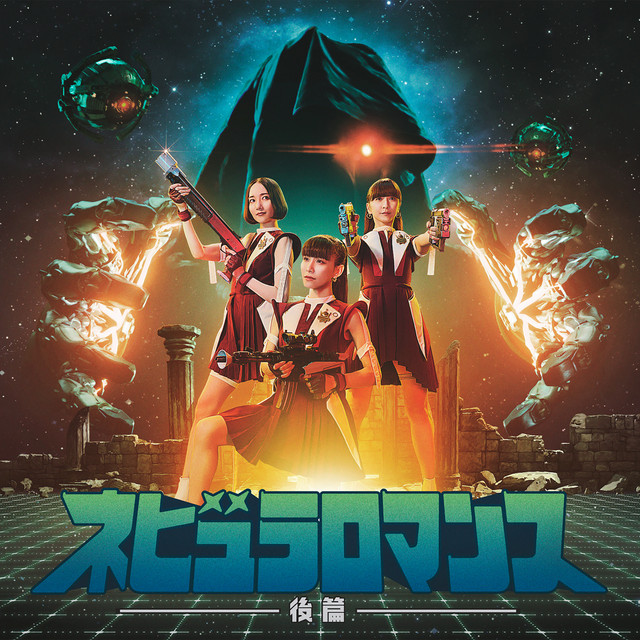
ネビュラロマンス 後篇
Perfume
Picopop
Bitpop
2025
2
/5
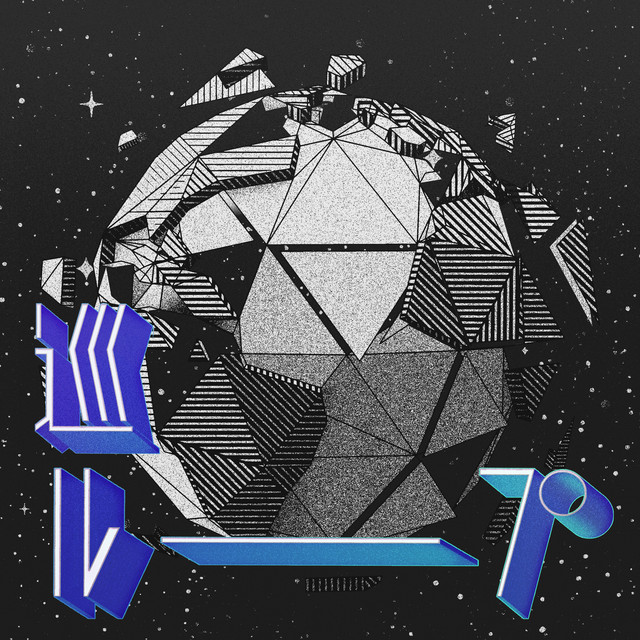
巡ループ
Yorushika, Yorushika, Iberis And, Alisa, Yūka, Iberis And, Iberis And, FAKE TYP…
Picopop
Bitpop
J-Dance
2025
1
/5
Human Factory - 電造人間 -
Perfume
Picopop
2022
3
/5
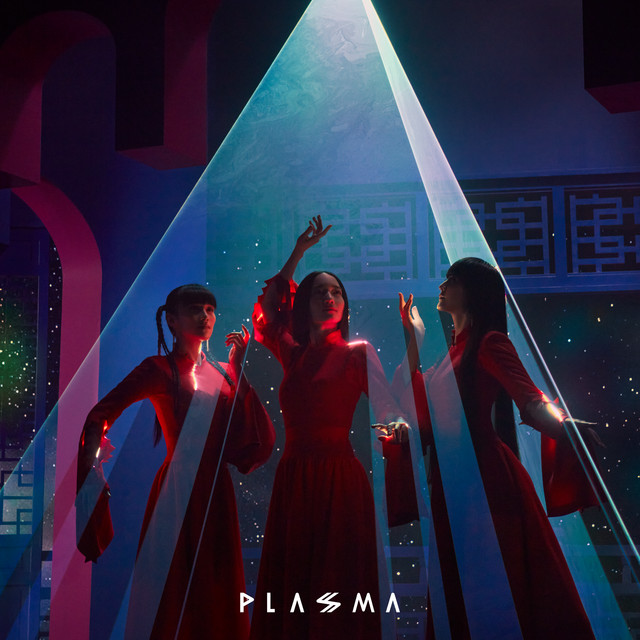
PLASMA
Perfume
Picopop
Bitpop
2022
1
/5
Spinning World
Perfume
Picopop
2022
2
/5
Flow
Perfume
Picopop
2021
2
/5
ポリゴンウェイヴ
Perfume
Picopop
Bitpop
2020
2
/5
Time Warp
Perfume
Picopop
Bitpop
2019
2
/5
再生
Perfume
Picopop
Bitpop
2019
3
/5
Perfume The Best "P Cubed"
Perfume
Picopop
Bitpop
2018
3
/5
Future Pop
Perfume
Picopop
2016
2
/5
FLASH
Perfume
Picopop
2016
3
/5
FLASH
Perfume
Picopop
Bitpop
J-Dance
2015
3
/5
STAR TRAIN
Perfume
Picopop
Bitpop
2014
2
/5
Cling Cling
Perfume
Picopop
2013
3
/5
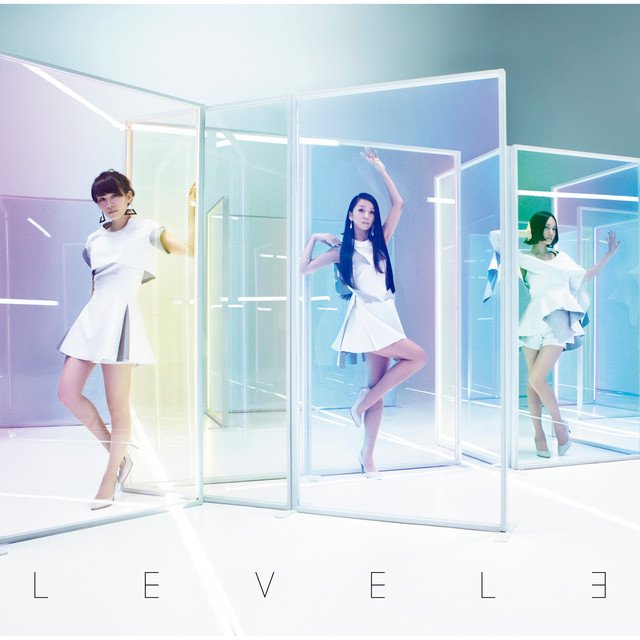
LEVEL3
Perfume
Picopop
2013
3
/5
Magic of Love
Perfume
Picopop
Bitpop
2013
3
/5
未来のミュージアム
Perfume
Picopop
Bitpop
Shibuya-Kei
2012
2
/5
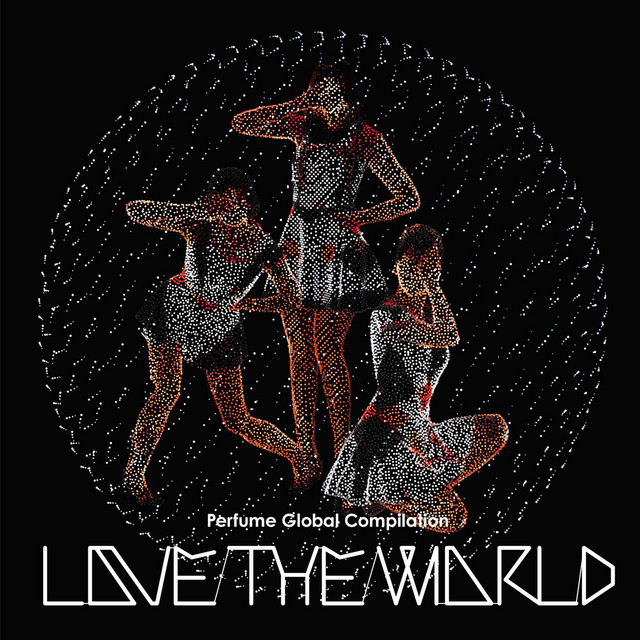
Perfume Global Compilation “LOVE THE WORLD”
Perfume
Picopop
2012
2
/5
Spending all my time
Perfume
Picopop
2012
3
/5
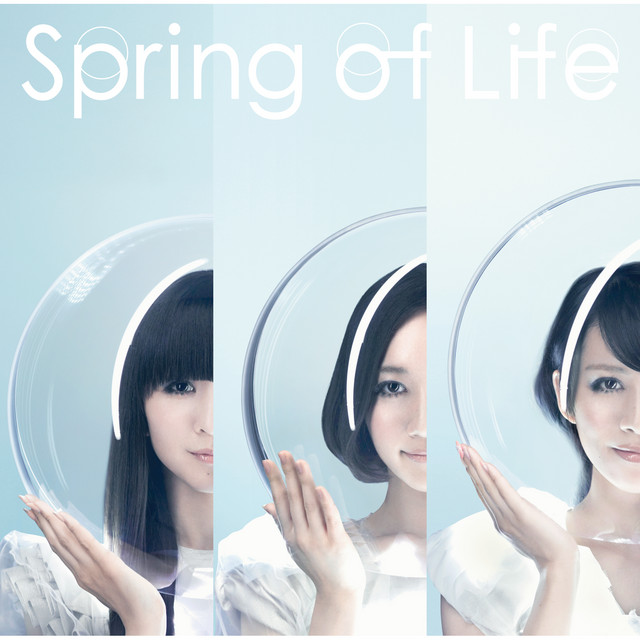
Spring of Life
Perfume
Picopop
2012
3
/5
JPN
Perfume
Picopop
2011
3
/5
JPN
Perfume
Picopop
Electronic
J-Pop
2010
2
/5
不自然なガール/ナチュラルに恋して
Perfume
Picopop
Bitpop
Electronic
2009
3
/5
⊿ (Triangle)
Perfume
J-Pop
Electro
Electronic
2009
2
/5
⊿ (Triangle)
Perfume
Electropop
Dance-Pop
Picopop
2008
3
/5
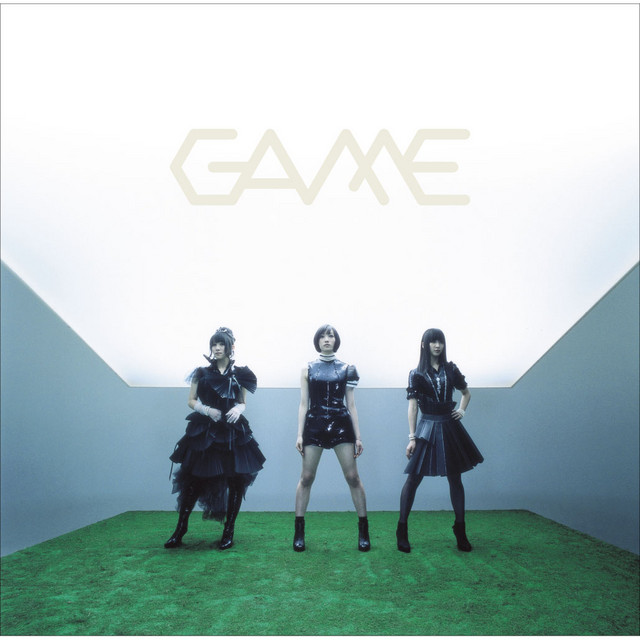
GAME
Perfume
J-Pop
Dance-Pop
Electropop
2007
2
/5
ポリリズム
Perfume
Picopop
Bitpop
Electronic
2006
3
/5
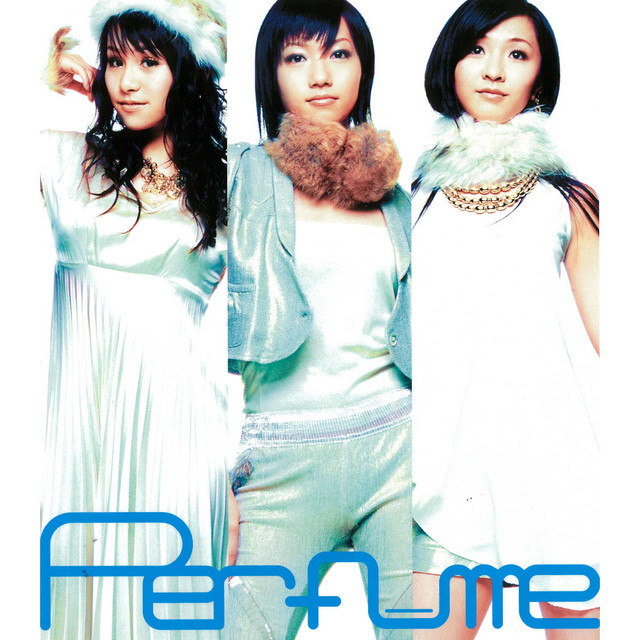
Perfume~Complete Best~
Perfume
Picopop
Bitpop
2006
2
/5
コンピューターシティ
Perfume
Picopop
2006
3
/5
エレクトロ・ワールド
Perfume
Picopop
Bitpop
J-Dance
2006
1
/5
Perfume 〜Complete Best〜
Perfume
Akishibu-Kei
J-Pop
Japanese Idol
Similar artists
1
/5
Various Artists
Afro-Funk
Alternative Rock
Ambient
3
/5
CAPSULE
Picopop
Shibuya-Kei
Electronic
2
/5
Plus-Tech Squeeze Box
Shibuya-Kei
Akishibu-Kei
Electronic
1
/5
Strawberry Machine
Picopop
Japanese Indie
Shib
1
/5
YMCK
Picopop
Akishibu-Kei
Shibuya-Kei
3
/5
Yasutaka Nakata
Kawaii Future Bass
Bitpop
J-Dance
1
/5
Tohko
J-Dance
J-Pop
Shibuya-Kei
1
/5
AIRA MITSUKI
J-Dance
J-Pop
Shibuya-Kei
1
/5
Faint★Star
J-Dance
J-Pop
Shibuya-Kei
1
/5
D&D
Hi-Nrg
J-Dance
Shibuya-Kei
Download our mobile app
Get the Melodigging app and start digging for new genres on the go
Download on the App Store
Get it on Google Play
© 2026 Melodigging
Give feedback
Legal
Melodding was created as a tribute to
Every Noise at Once
, which inspired us to help curious minds keep digging into music's ever-evolving genres.