Genres
Artists
Albums
Make Music
Sign in
Sign in
Artists
Picopop
Artists
Picopop
YMCK
2004–2015
·
2 albums
Listen
1
/5
Genres
Proto-Hyperpop
Proto-hyperpop is a retrospective label for the cluster of internet-born pop experiments in the early-to-mid 2010s that foreshadowed what would later be called “hyperpop.” It fused candy-coated melodies and pitched-up vocals with maximalist sound design, glossy synthetic timbres, and playful, self-aware pop tropes. Rather than being a single scene, proto-hyperpop emerged across YouTube nightcore edits, early PC Music releases, and adjacent electronic and indie-pop circles. It drew heavily from Eurodance and trance hooks, J-pop and Vocaloid aesthetics, chiptune brightness, and the irreverent futurism of experimental pop and deconstructed club, while keeping an addictive, radio-ready sense of melody.
Discover
Listen
Picopop
Picopop is a Japanese microgenre of ultra-bright, toy-like electronic pop that fuses the sugary melodicism of J‑pop with the bleepy, “piko‑piko” timbres of 8‑bit and lo‑fi electronics. Its name nods to both the onomatopoeia for beeps in Japanese (“piko-piko”) and its pocket‑sized, miniature aesthetic. Musically, picopop favors short, hook-dense songs, high‑pitched and cute (kawaii) vocals, and arrangements built from chiptune waveforms, plastic synths, and playful sound effects. It inherits Shibuya‑kei’s collage sensibility and pop sophistication, but strips it down to bright primary colors, bubblegum harmonies, and crisp, quantized rhythms. The result is an effervescent, hyper-melodic style that feels like a handheld game console crossed with indie pop.
Discover
Listen
Akishibu-Kei
Akishibu-kei is a Japanese pop-oriented trend in anime-related music that blends the chic, retro-pop collage of Shibuya-kei with Akiba-kei’s otaku-centric sensibilities. Typically, it marries breezy bossa/jazz-inflected harmonies, cut-and-paste sampling, and French-pop nostalgia with bright, idol-like vocals and anime tie-in songwriting. The result is an approachable, stylish sound that feels both metropolitan and fandom-focused—equally at home in a Shibuya boutique and an Akihabara record shop. While not a rigid genre, the label highlights a 2000s moment when Shibuya-kei aesthetics noticeably permeated anime openings/endings and character songs.
Discover
Listen
Bitpop
Bitpop is a pop-oriented offshoot of the chiptune/chipmusic scene that marries hook-driven songwriting with the timbres of vintage 8‑bit and 16‑bit game hardware. Typical sound sources include the pulse, triangle, and noise generators of consoles like the Nintendo Game Boy, NES/Famicom, and Commodore 64 SID, sequenced in trackers and layered with modern drums, bass, guitars, and vocals. The style favors bright, catchy melodies, ultra-quantized rhythms, rapid arpeggios (to imply chords on limited sound chips), and bitcrushed or downsampled textures. Songs usually follow contemporary pop structures (verse–chorus–bridge), aim for danceable tempos, and evoke playful, nostalgic "video‑game" aesthetics while maintaining the polish of modern pop production.
Discover
Listen
Shibuya-Kei
Shibuya-kei is a Japanese pop micro‑genre that emerged from Tokyo’s Shibuya district in the early–mid 1990s. It blends 1960s French yé‑yé, bossa nova, lounge/easy listening, baroque pop, jazz, sunshine pop, and slick city‑pop with contemporary sampling and electronic production. The style is cosmopolitan and retro‑futurist: it celebrates crate‑digging, witty pastiche, and graphic design/fashion as much as music. Songs often feature breezy melodies, airy or whispery vocals in Japanese, English, or French, and richly orchestrated arrangements that feel both nostalgic and playful.
Discover
Listen
Chiptune
Chiptune (also called chip music or 8-bit music) is a style of electronic music created with, or emulating, the programmable sound generator (PSG) and FM chips found in vintage game consoles and home computers such as the NES/Famicom, Game Boy, Commodore 64 (SID), Amiga, Atari ST, and others. The sound palette is defined by simple waveforms (square/pulse, triangle, saw, noise), rapid arpeggios that imply chords on limited channels, pitch bends, duty-cycle modulation, and crunchy noise percussion. These constraints lend chiptune its bright, percussive, and highly melodic character, often evoking early video-game aesthetics. While originally utilitarian—music for games and computer demos—the approach evolved into a standalone art form. Contemporary chiptune spans pure hardware-authentic tracks and hybrid productions that blend chip timbres with modern synthesis, drums, vocals, and mixing techniques.
Discover
Listen
Pop
Pop is a broad, hook-driven style of popular music designed for wide appeal. It emphasizes memorable melodies, concise song structures, polished vocals, and production intended for radio, charts, and mass media. While pop continually absorbs elements from other styles, its core remains singable choruses, accessible harmonies, and rhythmic clarity. Typical forms include verse–pre-chorus–chorus, frequent use of bridges and middle-eights, and ear-catching intros and outros. Pop is not defined by a single instrumentation. It flexibly incorporates acoustic and electric instruments, drum machines, synthesizers, and increasingly digital production techniques, always in service of the song and the hook.
Discover
Listen
Jazz
Jazz is an improvisation-centered music tradition that emerged from African American communities in the early 20th century. It blends blues feeling, ragtime syncopation, European harmonic practice, and brass band instrumentation into a flexible, conversational art. Defining features include swing rhythm (a triplet-based pulse), call-and-response phrasing, blue notes, and extended harmonies built on 7ths, 9ths, 11ths, and 13ths. Jazz is as much a way of making music—spontaneous interaction, variation, and personal sound—as it is a set of forms and tunes. Across its history, jazz has continually hybridized, from New Orleans ensembles and big-band swing to bebop, cool and hard bop, modal and free jazz, fusion, and contemporary cross-genre experiments. Its influence permeates global popular and art music.
Discover
Listen
Show all 8 genres
Albums
2015
1
/5
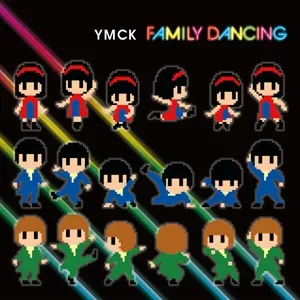
Family Dancing
YMCK
Akishibu-Kei
Picopop
2004
1
/5
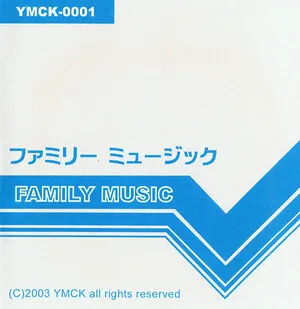
Family Music ファミリーミュージック
YMCK
Picopop
Akishibu-Kei
Chiptune
Similar artists
3
/5
Perfume
Bitpop
Picopop
J-Pop
2
/5
COLTEMONIKHA
Picopop
Shib
Shibuya-Kei
1
/5
Sonic Coaster Pop
Picopop
Shib
Shibuya-Kei
2
/5
Plus-Tech Squeeze Box
Shibuya-Kei
Akishibu-Kei
Electronic
1
/5
Various Artists
Afro-Funk
Alternative Rock
Ambient
3
/5
CAPSULE
Picopop
Shibuya-Kei
Electronic
1
/5
Strawberry Machine
Picopop
Japanese Indie
Shib
1
/5
Macdonald Duck Éclair
Picopop
Japanese Indie
Shib
1
/5
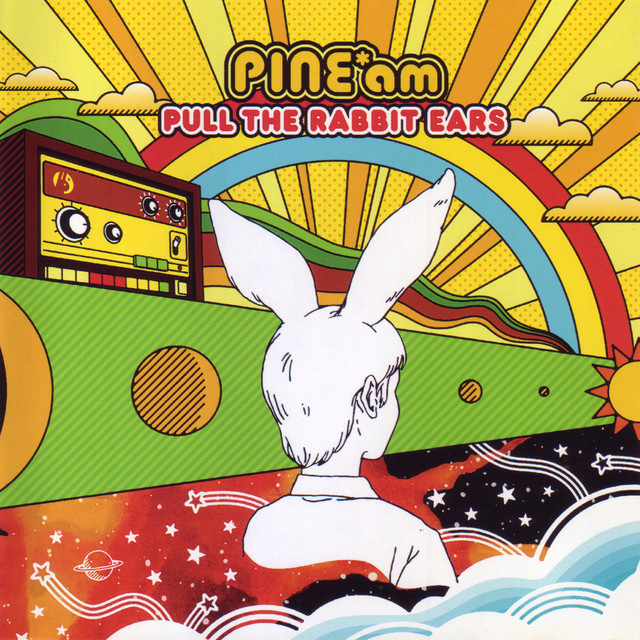
PINE*am
Picopop
Japanese Indie
Shib
1
/5
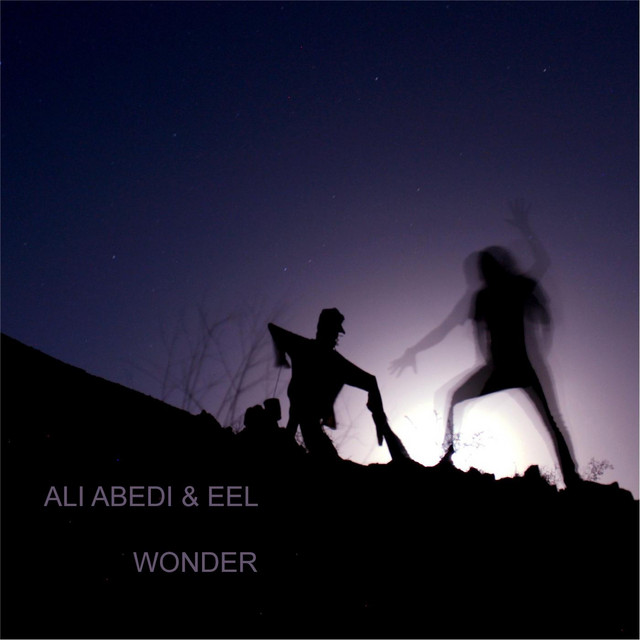
Eel
Picopop
Shibuya-Kei
Download our mobile app
Get the Melodigging app and start digging for new genres on the go
Download on the App Store
Get it on Google Play
© 2026 Melodigging
Give feedback
Legal
Melodding was created as a tribute to
Every Noise at Once
, which inspired us to help curious minds keep digging into music's ever-evolving genres.