Genres
Artists
Albums
Make Music
Sign in
Sign in
Artists
Picopop
Artists
Picopop
Macdonald Duck Éclair
2004–2011
·
4 albums
Listen
1
/5
Genres
Shib
Shib is an internet-born microgenre that blends lo‑fi hip hop, cloud rap, and alt‑R&B sensibilities into short, emotionally direct songs. It favors intimate vocals (sung, whispered, or half‑rapped), warm and dusty textures, and compact forms optimized for streaming and social media discovery. Typical productions feature looped guitar or piano motifs, soft trap drums, vinyl crackle or room noise, and reverbs/delays that create a late‑night, confessional atmosphere. Lyrically, shib gravitates toward nostalgia, heartbreak, and private reflection—music made to sound like messages recorded in a bedroom at 2 a.m.
Discover
Listen
Diy Emo
DIY emo is a grassroots, home-recorded and community-driven branch of contemporary emo that blends twinkly Midwest-emo guitar work, confessional lyricism, and pop-punk urgency with a distinctly lo‑fi, self-produced aesthetic. It foregrounds the ethics of the do‑it‑yourself underground: basement shows, tape or Bandcamp releases, collective touring, and a preference for intimacy over polish. Sonically, it leans on clean, chiming guitars, melodic basslines, dynamic drumming, and unvarnished vocals that veer from soft-spoken to cathartic sing-alongs. Rather than chasing radio gloss, DIY emo embraces rawness and vulnerability—often capturing the feel of a crowded living room show—while channeling themes of friendship, mental health, hometowns, and the bittersweet transitions of early adulthood.
Discover
Listen
Hexd
HexD is a net-native microgenre of hip‑hop and electronic music defined by extreme bitcrushing, aggressive down/upsampling, hard clipping, and compression applied to beats and especially to vocals. Tracks often feature sped‑up and pitched‑up (sometimes formant‑shifted) vocal edits over trap‑leaning drums or breakbeat fragments, creating a distorted, digital, hazy, and psychedelic texture. Many releases are edits or reworks of existing material from rap, emo rap, and digicore/hyperpop, treated as raw sound to be “hexxed” with digital artifacts. Aesthetically, the scene is tightly tied to online platforms and DIY collectives, embracing early‑web, anime, and lo‑fi internet visuals while prioritizing mood, texture, and immediacy over fidelity.
Discover
Listen
Picopop
Picopop is a Japanese microgenre of ultra-bright, toy-like electronic pop that fuses the sugary melodicism of J‑pop with the bleepy, “piko‑piko” timbres of 8‑bit and lo‑fi electronics. Its name nods to both the onomatopoeia for beeps in Japanese (“piko-piko”) and its pocket‑sized, miniature aesthetic. Musically, picopop favors short, hook-dense songs, high‑pitched and cute (kawaii) vocals, and arrangements built from chiptune waveforms, plastic synths, and playful sound effects. It inherits Shibuya‑kei’s collage sensibility and pop sophistication, but strips it down to bright primary colors, bubblegum harmonies, and crisp, quantized rhythms. The result is an effervescent, hyper-melodic style that feels like a handheld game console crossed with indie pop.
Discover
Listen
Shibuya-Kei
Shibuya-kei is a Japanese pop micro‑genre that emerged from Tokyo’s Shibuya district in the early–mid 1990s. It blends 1960s French yé‑yé, bossa nova, lounge/easy listening, baroque pop, jazz, sunshine pop, and slick city‑pop with contemporary sampling and electronic production. The style is cosmopolitan and retro‑futurist: it celebrates crate‑digging, witty pastiche, and graphic design/fashion as much as music. Songs often feature breezy melodies, airy or whispery vocals in Japanese, English, or French, and richly orchestrated arrangements that feel both nostalgic and playful.
Discover
Listen
Japanese Indie
Japanese indie refers to Japan’s independent rock and pop scenes that developed outside the major-label idol system. It blends DIY production and small-label distribution with a wide palette of sounds, from jangly guitar pop and post‑punk angularity to dreamy shoegaze and lo‑fi recordings. The scene is anchored by “live houses” (small venues) around Tokyo (Shimokitazawa, Koenji, Shinjuku), Osaka, Kyoto, and Fukuoka. Artists often sing in Japanese (sometimes mixing English), with introspective, everyday-life lyrics and arrangements that prize dynamics, texture, and melody over flashy virtuosity. Aesthetically, Japanese indie inherits Western indie rock’s DIY ethos while retaining local melodic sensibilities shaped by kayōkyoku and city pop. Production ranges from 4‑track cassette grit to clean, minimal studio mixes, but the emphasis remains on authenticity, atmosphere, and the energy of the live circuit.
Discover
Listen
Albums
2011
1
/5
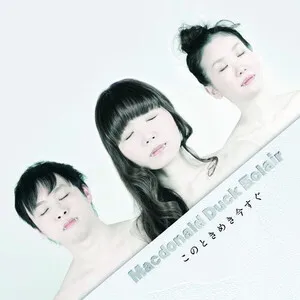
Kono tokimeki imasugu このときめき今すぐ
Macdonald Duck Eclair
Picopop
2006
1
/5
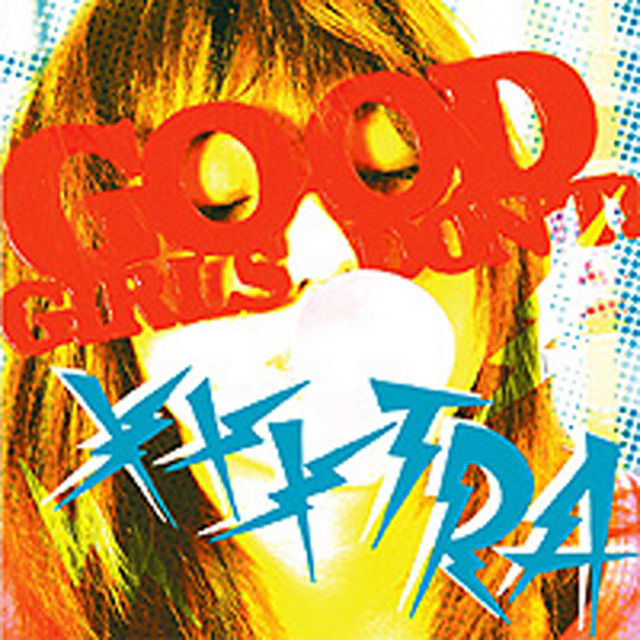
Good Girls Don't! Xxxtra
Macdonald Duck Éclair
Picopop
2004
1
/5
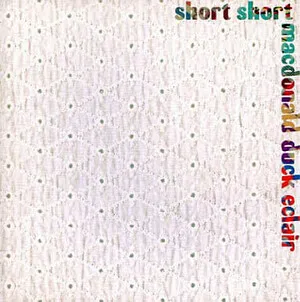
Short Short
Macdonald Duck Eclair
Picopop
The Genesis Songbook
Macdonald Duck Eclair
Picopop
Similar artists
3
/5
CAPSULE
Picopop
Shibuya-Kei
Electronic
1
/5
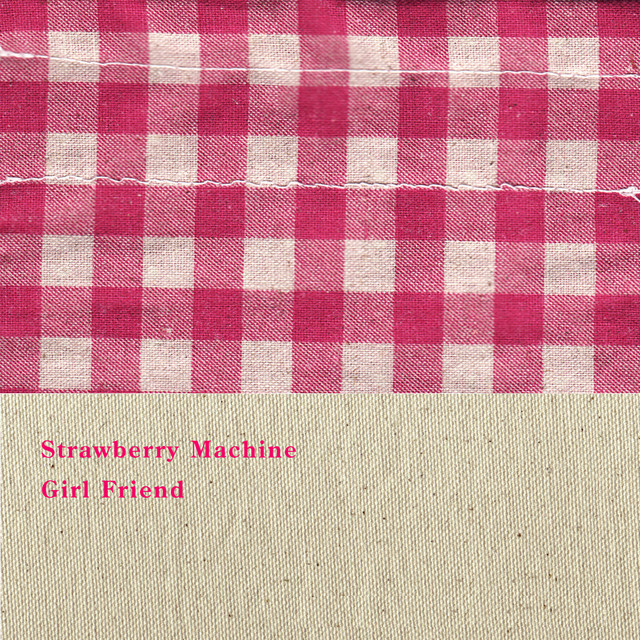
Strawberry Machine
Picopop
Japanese Indie
Shib
1
/5
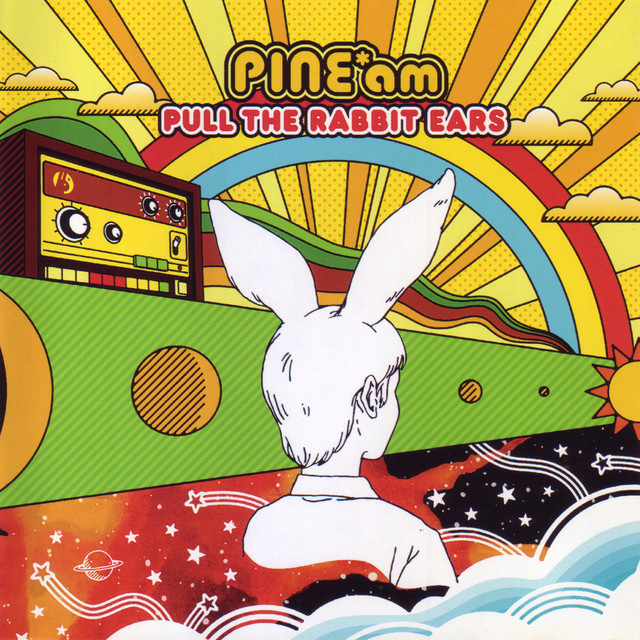
PINE*am
Picopop
Japanese Indie
Shib
3
/5
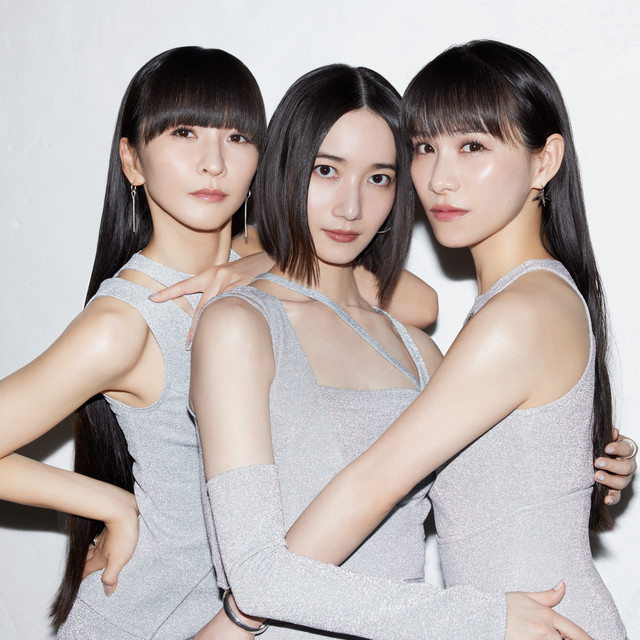
Perfume
Bitpop
Picopop
J-Pop
2
/5
COLTEMONIKHA
Picopop
Shib
Shibuya-Kei
1
/5
Sonic Coaster Pop
Picopop
Shib
Shibuya-Kei
4
/5
Lamp
Shibuya-Kei
City Pop
Jazz Pop
4
/5
MASS OF THE FERMENTING DREGS
J-Rock
Math Rock
Shibuya-Kei
3
/5
Serani Poji
Shibuya-Kei
Akishibu-Kei
Digital Horror
3
/5
Lily Chou-Chou
Indie Dream Pop
Indie Shoegaze
Japanese Indie
Download our mobile app
Get the Melodigging app and start digging for new genres on the go
Download on the App Store
Get it on Google Play
© 2026 Melodigging
Give feedback
Legal
Melodding was created as a tribute to
Every Noise at Once
, which inspired us to help curious minds keep digging into music's ever-evolving genres.