Genres
Artists
Albums
Make Music
Sign in
Sign in
Artists
Demoscene
Artists
Demoscene
Chris Huelsbeck
1994–2023
·
5 albums
Listen
2
/5
Genres
Demoscene
Demoscene music is the soundtrack to real‑time computer art “demos” that emerged on 8‑bit and 16‑bit home computers such as the Commodore 64, Amiga, and Atari ST. It is characterized by tracker-based composition, strict technical constraints, and a focus on compact, efficient file sizes. Typical pieces use sample-based modules (e.g., MOD, S3M, XM) or tiny procedural synths in 64k/4k intros, resulting in bright leads, rapid arpeggios, tight grooves, and bold, melodic hooks. Stylistically it borrows from synth-pop, Italo/euro-disco, electro, early house/techno, and video game chip music, while maintaining a distinctive scene aesthetic centered on virtuosity within limitations. Beyond its nostalgic timbres, demoscene music emphasizes precision pattern programming, polymelodic counterlines, and rhythmic drive, often composed to sync tightly with graphics and code-based effects at demoparties.
Discover
Listen
Chiptune
Chiptune (also called chip music or 8-bit music) is a style of electronic music created with, or emulating, the programmable sound generator (PSG) and FM chips found in vintage game consoles and home computers such as the NES/Famicom, Game Boy, Commodore 64 (SID), Amiga, Atari ST, and others. The sound palette is defined by simple waveforms (square/pulse, triangle, saw, noise), rapid arpeggios that imply chords on limited channels, pitch bends, duty-cycle modulation, and crunchy noise percussion. These constraints lend chiptune its bright, percussive, and highly melodic character, often evoking early video-game aesthetics. While originally utilitarian—music for games and computer demos—the approach evolved into a standalone art form. Contemporary chiptune spans pure hardware-authentic tracks and hybrid productions that blend chip timbres with modern synthesis, drums, vocals, and mixing techniques.
Discover
Listen
Techno
Techno is a four-on-the-floor, machine-driven form of electronic dance music that emerged in mid-to-late 1980s Detroit. It is characterized by steady 4/4 kick drums, repetitive and hypnotic rhythmic patterns, synthetic timbres, and an emphasis on texture, groove, and forward momentum over elaborate harmony. Producers typically use drum machines, sequencers, and synthesizers to build layered percussion, pulsing basslines, and evolving motifs. While often dark and minimalistic, techno spans a wide spectrum—from soulful, futuristic Detroit aesthetics to hard, industrially tinged European strains—yet it consistently prioritizes kinetic energy for dancefloors and a sense of machine futurism.
Discover
Listen
C64
C64 is a chip‑music style centered on the distinctive SID (MOS 6581/8580) sound chip inside the Commodore 64 home computer (1982). Its hallmarks are three monophonic voices, razor‑edged pulse waves with pulse‑width modulation, bright sawtooths and triangles, a noisy percussion voice, and the iconic multimode analog filter and oscillator sync/ring‑mod tricks. Because the SID has only three voices, classic C64 writing relies on rapid arpeggios to imply chords, fast octave/pulse sweeps for riffs, and clever duty‑cycle and filter automation for expressive “analog” movement. Many pieces were first written for games and crack intros, and later for the demoscene, establishing a self‑contained aesthetic that feels both raw and sophisticated: melodic hooks, propulsive patterns, and timbral wizardry squeezed from 1 MHz and 64 KB.
Discover
Listen
Space Music
Space music is an ambient-leaning form of electronic and acoustic soundscaping designed to evoke vastness, weightlessness, and the mystery of the cosmos. It favors long, slowly evolving textures, deep drones, and luminous harmonies over conventional song structure, rhythm, or melody. The style grew around sustained synthesizer pads, sequencer patterns, and expansive reverberation, often integrating field recordings or processed acoustic instruments. Whether contemplative or awe‑struck, its intent is to transport the listener into a spacious, imaginal soundfield—akin to drifting through celestial environments and deep time.
Discover
Listen
Synth-Pop
Synth-pop is a pop-oriented style that foregrounds the synthesizer as its primary instrument, often paired with drum machines and sequencers. It favors clean, melodic hooks, concise song structures, and a sleek, modernist sound that ranges from cool and minimal to lush and romantic. Emerging at the turn of the 1980s from the UK new wave and post-punk scenes, synth-pop leveraged affordable analog and then digital keyboards to bring electronic textures into the mainstream. Its sonic palette includes arpeggiated basslines, shimmering pads, bright leads, gated or machine-driven drums, and polished vocals that convey both futuristic detachment and emotional immediacy.
Discover
Listen
Video Game Music
Video game music (VGM) is the soundtrack or background music composed specifically to accompany and enhance interactive gameplay. In its earliest decades, VGM was bound by severe hardware constraints: simple programmable sound generators (PSG) and later FM-synthesis chips limited composers to a handful of monophonic channels, basic waveforms, and tiny memory footprints. Those constraints forged a distinctive, catchy, loop-based idiom—often called “chip music” or “8‑bit”—that became the emblematic sound of early games. As technology advanced, VGM expanded into rich orchestral, rock, electronic, and hybrid palettes and adopted adaptive/interactive scoring techniques so the music could change with the player’s actions. Today it spans everything from intimate, textural ambience to full symphonic epics, while still celebrating its retro chip heritage.
Discover
Listen
Electronic
Electronic is a broad umbrella genre defined by the primary use of electronically generated or electronically processed sound. It encompasses music made with synthesizers, drum machines, samplers, computers, and studio/tape techniques, as well as electroacoustic manipulation of recorded or synthetic sources. The genre ranges from academic and experimental traditions to popular and dance-oriented forms. While its sonic palette is rooted in electricity and circuitry, its aesthetics span minimal and textural explorations, structured song forms, and beat-driven club permutations. Electronic emphasizes sound design, timbre, and studio-as-instrument practices as much as melody and harmony.
Discover
Listen
Orchestral
Orchestral music refers to compositions written for an orchestra—a large ensemble typically built around a string section (violins, violas, cellos, double basses), complemented by woodwinds, brass, percussion, and often harp, keyboard, or other auxiliary instruments. A conductor coordinates the ensemble, shaping balance, phrasing, and expression. The style emphasizes coloristic timbre combinations, dynamic range from the softest pianissimo to explosive tuttis, and textures that can shift seamlessly between transparent chamber-like writing and monumental masses of sound. Orchestral writing underpins concert genres such as symphonies, overtures, and tone poems, as well as opera, ballet, and modern film and game scores. While orchestral writing evolved across centuries, its core craft centers on melody, counterpoint, harmony, register, and orchestration—the art of assigning musical ideas to instruments to achieve clarity, contrast, and narrative impact.
Discover
Listen
Show all 9 genres
Albums
2023
1
/5
Seven Days - Seven Songs
Chris Huelsbeck
Demoscene
2016
1
/5
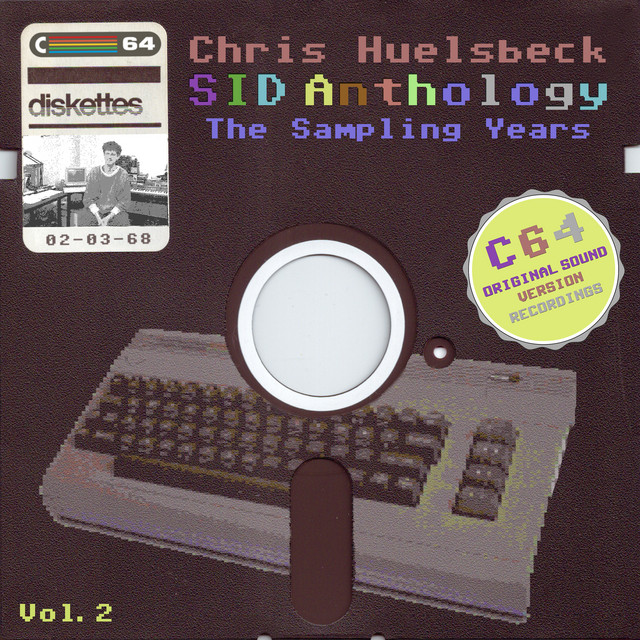
Sid Anthology, Vol. 2
Chris Huelsbeck
Demoscene
Chiptune
Electronic
2013
2
/5
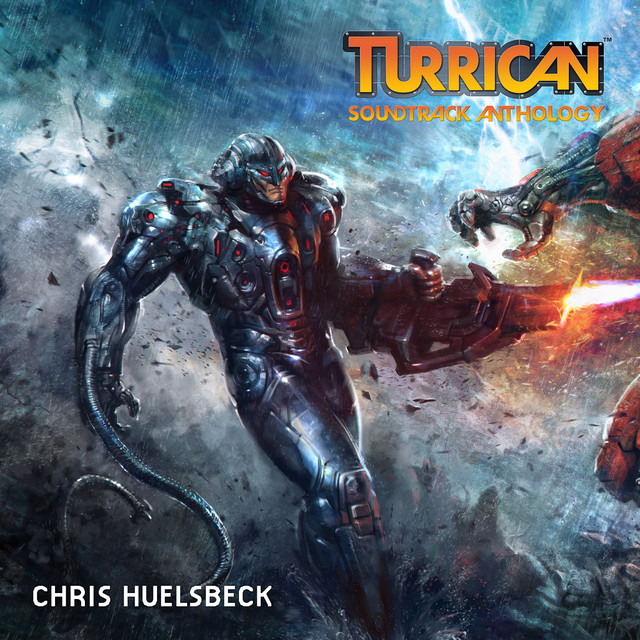
Turrican Soundtrack Anthology: Original Sound Version, Vol. 1
Chris Huelsbeck
Demoscene
2010
1
/5
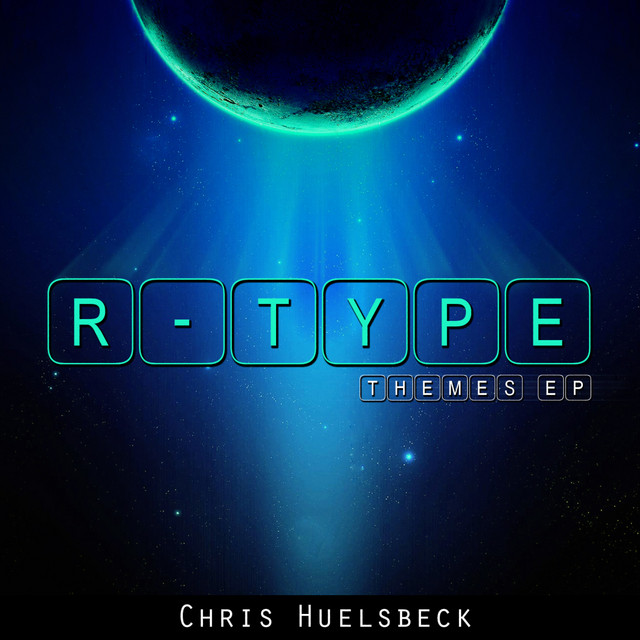
R-Type Themes EP
Chris Huelsbeck
Demoscene
Electronic
Orchestral
1994
1
/5
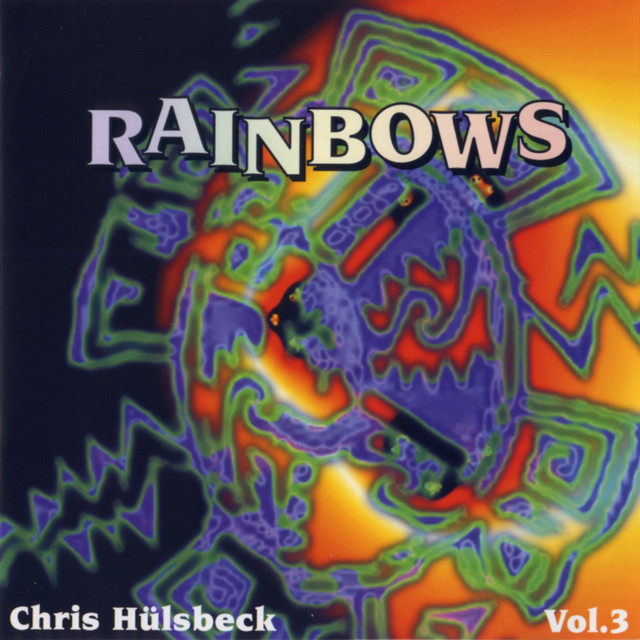
Rainbows
Chris Huelsbeck
Demoscene
Electronic
Synth-Pop
Similar artists
2
/5
Dubmood
Demoscene
Electronic
Demostyle
3
/5
MASTER BOOT RECORD
Synthwave
Darksynth
Cyber Metal
1
/5
Various Artists
Afro-Funk
Alternative Rock
Ambient
2
/5
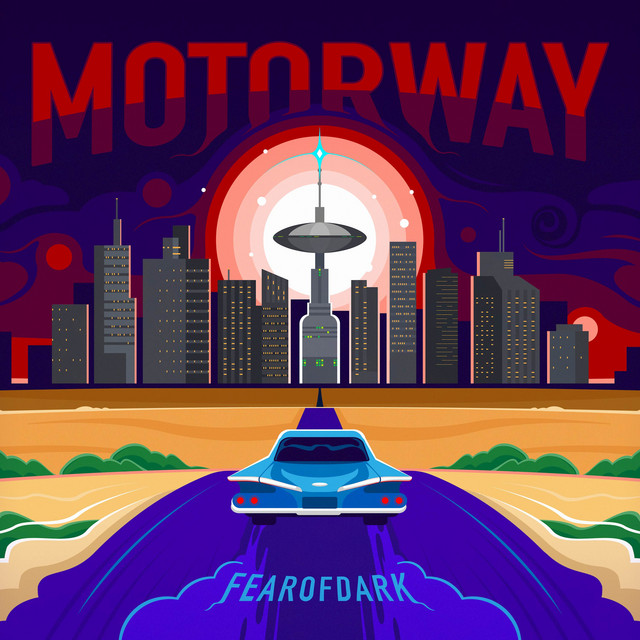
Fearofdark
Digital Fusion
Bit Music
Chiptune
2
/5
Wojciech Golczewski
Horror Synth
Synthwave
Chiptune
2
/5
Bjørn Lynne
Demoscene
Celtic
Demostyle
4
/5
Brian Eno
Ambient
Krautrock
Experimental
3
/5
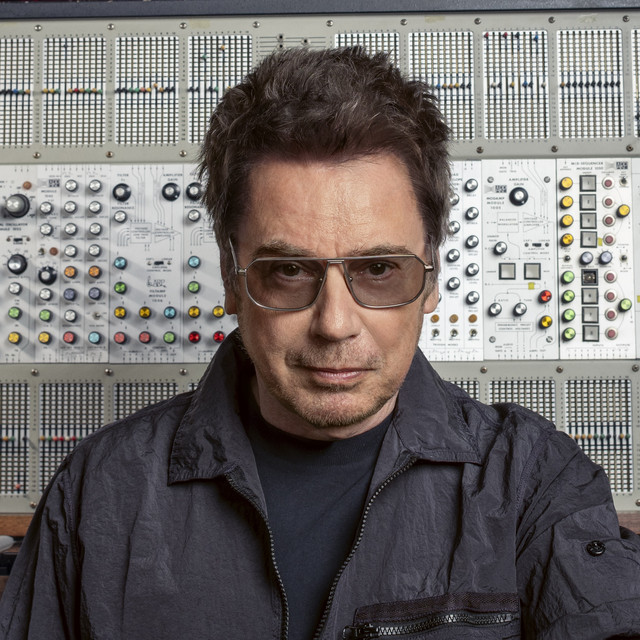
Jean-Michel Jarre
Electronic
Laboratorio
Ambient
3
/5
Carbon Based Lifeforms
Ambient
Ambient Trance
Downtempo
3
/5
Disasterpeace
Chiptune
Digital Fusion
Electronic
Download our mobile app
Get the Melodigging app and start digging for new genres on the go
Download on the App Store
Get it on Google Play
© 2026 Melodigging
Give feedback
Legal
Melodding was created as a tribute to
Every Noise at Once
, which inspired us to help curious minds keep digging into music's ever-evolving genres.