Your digging level

For this genre
0/8
🏆
Sign in, then listen to this genre to level up

Description

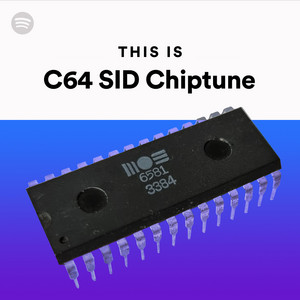
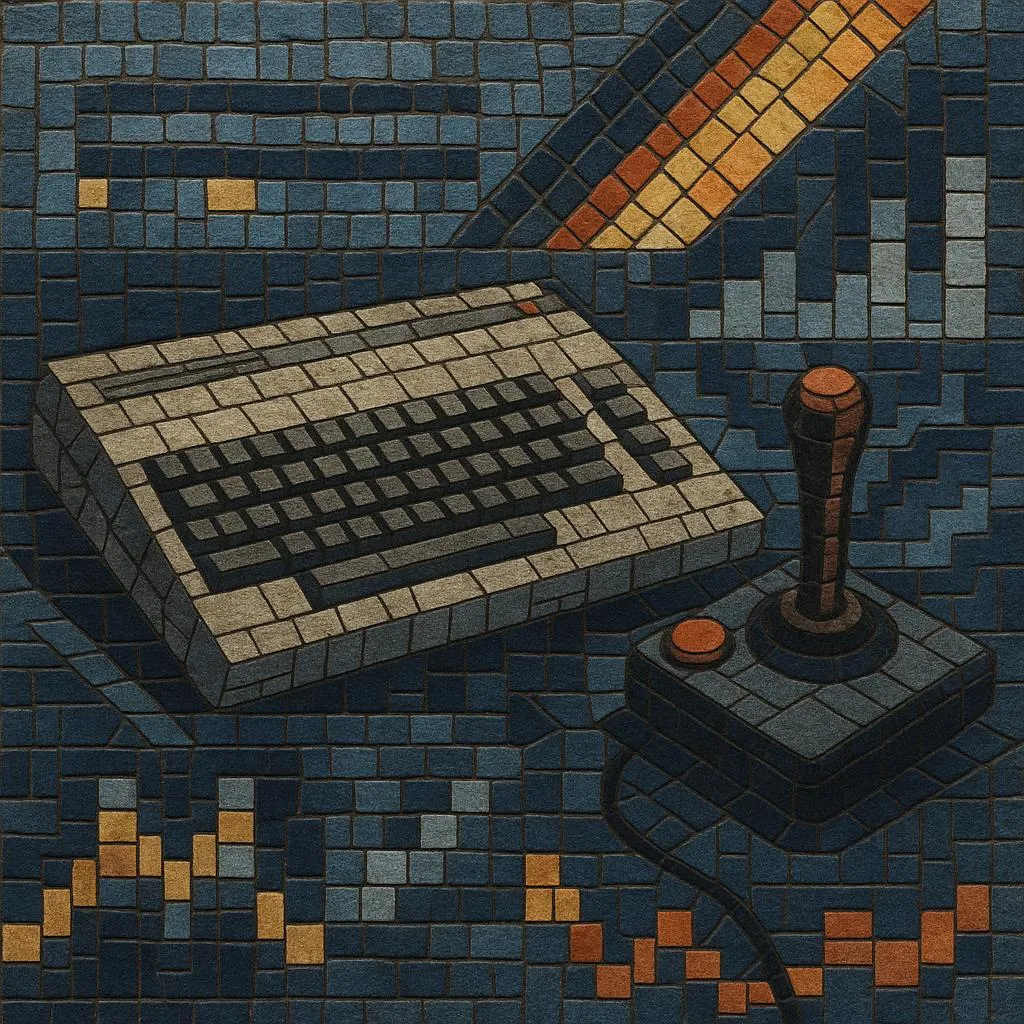
C64 is a chip‑music style centered on the distinctive SID (MOS 6581/8580) sound chip inside the Commodore 64 home computer (1982). Its hallmarks are three monophonic voices, razor‑edged pulse waves with pulse‑width modulation, bright sawtooths and triangles, a noisy percussion voice, and the iconic multimode analog filter and oscillator sync/ring‑mod tricks.

Because the SID has only three voices, classic C64 writing relies on rapid arpeggios to imply chords, fast octave/pulse sweeps for riffs, and clever duty‑cycle and filter automation for expressive “analog” movement. Many pieces were first written for games and crack intros, and later for the demoscene, establishing a self‑contained aesthetic that feels both raw and sophisticated: melodic hooks, propulsive patterns, and timbral wizardry squeezed from 1 MHz and 64 KB.


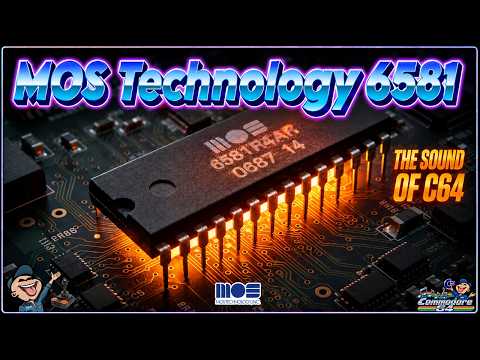
Sources: Spotify, Wikipedia, Discogs, RYM, MB, user feedback and other online sources

History

Origins (early–mid 1980s)

The Commodore 64 launched in 1982 with the SID chip designed by Bob Yannes. Its hybrid analog/digital architecture offered features far beyond many contemporaries, making the C64 a fertile platform for game composers. Early pioneers defined a vocabulary of fast arpeggios, sync/ring‑mod basses, “filter leads,” and noise‑based drums while working within strict CPU and RAM limits.

Golden age of game sound (mid–late 1980s)

As the European microcomputer game market exploded, C64 scores became signature calling cards for studios and publishers. Musicians hand‑coded their own music drivers in assembly, optimizing every cycle. Distinctive stylistic threads emerged: anthem‑like title themes, high‑energy action cues, and groove‑driven in‑game loops that pushed the SID’s filter and modulation.

Demoscene consolidation (late 1980s–1990s)

Beyond games, the fledgling demoscene turned the C64 into a cultural hub. Intros and demos showcased technical feats and music alike, encouraging composers to compete on tone design, rhythmic invention, and clever “raster‑time” budgeting. Tools evolved from private drivers to general trackers/players, and archival efforts began to preserve the repertoire.

Revival, remixes, and modern tooling (2000s–present)

A global revival brought SID remixes, live band adaptations, and cross‑genre hybrids. The High Voltage SID Collection (HVSC) and online communities helped canonize classic works, while modern trackers and accurate emulations (and even hardware clones) made composing accessible again. Today, C64/SID vocabulary informs broader chiptune, gamewave, and chip‑inflected hip hop and pop, with both purist 6581/8580 outputs and contemporary productions referencing the sound.

How to make a track in this genre

Sound sources and tools
•   Use a real C64 (6581/8580) or accurate emulation. Popular tools include SID Wizard, GoatTracker, CheeseCutter, and DefMON; in DAWs, use a faithful SID synth (e.g., reSID‑based or dedicated emulations). •   Limit yourself to three monophonic voices (V1–V3). Think in lanes and schedule events so lines interlock without collisions.
Synthesis & timbre
•   Core waveforms: pulse (with PWM for expressive leads and chords), saw (for biting bass/lead), triangle (for mellow pads/bass), and noise (for snares/hi‑hats/FX). •   Exploit ring modulation and oscillator sync for growling basses and metallic leads. Animate the filter cutoff/resonance for phrasing. •   Imply chords via rapid arpeggios (e.g., 1/16–1/48 note cycling) on a single voice; alternate chord triads and sevenths to enrich harmony.
Rhythm & arrangement
•   Drums are synthesized: noise bursts for snares, short pulse/noise ticks for hats, pitch‑enveloped pulse/saw for kicks. Layer clicks with noise for punch. •   Typical tempos range 110–155 BPM; use driving dotted‑eighth and sixteenth patterns, with syncopated bass ostinati. •   Arrange in compact patterns (e.g., 16/32 steps), reuse phrases with variations in duty cycle, filter, and ornamentation to create development within tight memory.
Harmony & melody
•   Prioritize strong hooks and modal interchange (minor with occasional Mixolydian color is common). Use voice‑leading arps to outline progressions. •   Create call‑and‑response between lead and bass lines; reserve a voice for counter‑melody or chord arps in choruses.
Platform craft
•   Budget CPU/raster time: keep per‑frame updates efficient; precompute tables for vibrato, PWM, and filter sweeps. •   For “digi” samples (optional), use brief 4‑bit volume register playback sparingly to avoid stealing raster time from synthesis. •   Test on both 6581 and 8580 if possible; they filter differently—tune cutoff/resonance to avoid dull or piercing extremes.
Aesthetic tips
•   Embrace the rawness: subtle aliasing, fast arps, and filter zippering are part of the charm. •   Use period‑authentic scales (natural minor, harmonic minor) and cadential riffs; finish with a bold coda or title‑screen flourish.

Top tracks

Locked
Share your favorite track to unlock other users’ top tracks

Upcoming concerts

in this genre
Influenced by
Has influenced

Download our mobile app

Get the Melodigging app and start digging for new genres on the go
© 2026 Melodigging
Melodding was created as a tribute to Every Noise at Once, which inspired us to help curious minds keep digging into music's ever-evolving genres.
Buy me a coffee for Melodigging