Genres
Artists
Albums
Make Music
Sign in
Sign in
Artists
Neo-Synthpop
Artists
Neo-Synthpop
Robyn
2010–2026
·
7 albums
Listen
4
/5
Genres
Experimental Club Music
Experimental club music (often called post-club or deconstructed club) is a hybrid, avant‑garde approach to club production and performance that treats the dancefloor as a laboratory. It uses the grammar of contemporary club forms—heavy sub‑bass, kick patterns, samples, MC or chopped vocals—as raw material to be cut apart, collaged, and reassembled. Instead of four‑to‑the‑floor regularity, it favors asymmetry, abrupt contrasts, negative space, and extreme sound design drawn from noise, industrial, grime, ballroom/vogue, reggaeton, and internet culture. The result ranges from skeletal, percussive workouts to dense, cinematic soundscapes that can be as confrontational as they are cathartic. Just as importantly, the scene has been a site of diasporic, queer, and trans expression, where identity and politics are embedded in sonic choices and performance practice.
Discover
Listen
Uk Alternative Pop
UK alternative pop is a strand of British pop that blends hook-forward songwriting with left‑field production, indie sensibilities, and art‑pop flair. It often merges glossy synth textures, clean guitar shimmer, and club‑informed rhythms with diaristic, distinctly British lyricism about nightlife, digital romance, and modern identity. Compared with mainstream pop, it’s more adventurous in arrangement and sound design—embracing experimental vocal processing, dynamic contrasts between sparse verses and explosive choruses, and a hybrid of organic and electronic instrumentation. Streaming culture, internet micro‑scenes, and the legacy of UK electronic and indie music all play central roles in its sound and aesthetics.
Discover
Listen
Beats
Beats is a loose, producer-driven category for rhythm-forward instrumentals built around hip‑hop drum patterns without necessarily being rap songs or featuring vocals. It functions as an umbrella for stock, "type," and backing tracks used by rappers, singers, streamers, and content creators, spanning boom‑bap swing to trap hi‑hat grids and R&B‑leaning grooves. On streaming platforms it often appears as standalone instrumentals packaged by tempo, mood, or artist style (e.g., “trap type beat,” “R&B instrumental,” “club beat”), prioritizing portability and utility over artist identity. While rooted in hip‑hop production aesthetics—kicks, snares, 808s, chopped samples—Beats blends downtempo, electronic, and contemporary R&B sensibilities, aiming for clarity, loopability, and immediate vibe.
Discover
Listen
Deep Happy Hardcore
Deep happy hardcore is a melodic, emotive strain of happy hardcore that keeps the genre’s trademark high tempos and euphoric energy while leaning into warmer harmony, richer pads, and more spacious, “deep” atmospheres. Operating around 165–175 BPM with a four-on-the-floor kick, bright leads, and off‑beat bass, it trades some of the cartoonish, bubblegum excess associated with early happy hardcore for lush chord progressions, silky piano riffs, and trance‑inflected breakdowns. Vocals are often pitched-up or heavily processed, but are framed by enveloping pads, subtle arps, and reverb‑washed textures that give the drop a more expansive, sentimental feel. In essence, it is UK hardcore’s feel‑good, rave‑ready thrust viewed through a deeper, more harmonically expressive lens—equal parts dancefloor momentum and heart‑on‑sleeve euphoria.
Discover
Listen
Powerstomp
Powerstomp is a high-energy offshoot of UK Hardcore that emphasizes a heavy, stomping 4/4 kick, euphoric melodies, and festival-sized drops. It typically runs around 165–175 BPM, replacing the rolling breakbeats of older happy hardcore with hardstyle/gabber-weighted kicks, reverse-bass grooves, and bouncy offbeat basslines. Bright supersaw leads, hands-in-the-air breakdowns, chopped vocals, and simple, chantable riffs make it highly dancefloor-focused and immediately impactful.
Discover
Listen
Popwave
Popwave is a song‑forward branch of synthwave that fuses glossy 1980s pop aesthetics with contemporary electronic production. Where classic synthwave often favors instrumental, cinematic moods, popwave puts vocals and hooks at the center: big choruses, radio‑ready structures, and emotive lyrics about youth, night drives, neon‑lit romance, and bittersweet nostalgia. Sonically it leans on analog‑styled polysynths, driving eighth‑note basslines, gated‑reverb drums, shimmering guitars, and frequent sax or lead‑guitar cameos—yet it’s mixed and mastered to modern pop standards. The result is a style that feels simultaneously retro and current: the color and optimism of 80s chart pop, filtered through the songwriting discipline of today’s electropop and the sound design DNA of synthwave.
Discover
Listen
Deep Deep Tech House
Deep deep tech house is a particularly stripped‑back, hypnotic strain of tech house that leans heavily into deep house harmony and minimal, dub‑tinged textures. It keeps the 4/4 groove and club functionality of house while favoring restrained arrangements, long tension arcs, and subtle sound‑design over big breakdowns. Typical tempos sit around 120–126 BPM; drums emphasize tight 909‑style hats and crisp, short kicks; basslines are warm, rolling subs that lock with lightly swung percussion; harmonic content tends to be sparse—muted chord stabs, airy pads, and occasional soulful vocal fragments used as texture rather than focal hooks. The overall aim is an immersive “head‑down” flow that rewards long blends and extended sets. The palette and structure trace back to tech house’s fusion of house and techno and to deep house’s smoother harmonies.
Discover
Listen
Flint Sound
Flint sound is a contemporary Michigan rap style centered in Flint, United States. It is characterized by fast, minimal, piano- or organ-led beats, dry and upfront vocals, and bar-by-bar “punch‑in” delivery that often rides slightly ahead of or behind the grid for a conversational, off‑kilter feel. The production typically favors bright piano loops, staccato 808 slides, crisp claps or rimshots, and sparse percussion, leaving plenty of space for relentless punchlines, gritty street reportage, and mischievous humor. While hard-edged and streetwise, the style frequently leans into charismatic personality and wit, making it both aggressive and infectious for dancing.
Discover
Listen
The Wave
The Wave is a loosely defined cluster of American post-hardcore/emo bands that surged in the early 2010s as emo-pop’s mainstream moment faded. The name was a tongue‑in‑cheek scene tag that stuck in press coverage, but it points to a real overlap in sound, ethos, and touring networks. Musically, The Wave fuses the urgency of 1990s post‑hardcore and screamo with confessional, literate lyric writing associated with emo. Expect shouted or half‑sung/half‑spoken vocals, dynamic quiet‑loud builds, intricate but driving drums, and guitar textures that shift between glassy clean arpeggios and overdriven, emotive climaxes. The songs often emphasize catharsis, narrative detail, and community-minded DIY presentation.
Discover
Listen
Bubblegum Bass
Bubblegum bass is a hyper-sweet, high-gloss strain of experimental pop that exaggerates mainstream chart tropes until they feel surreal. It blends candy-coated melodies, plastic synth timbres, and pitch-shifted vocals with club-ready drums and maximalist sound design. Emerging around the London-based PC Music collective, the style often juxtaposes childlike hooks with abrasive textures, sudden drops, and tongue-in-cheek, consumerist imagery. The production is meticulous and synthetic—supersaws, metallic hits, hard sidechaining, and formant-shifted toplines—yet it retains an earworm pop sensibility. The result is music that feels both satirical and sincere: an ecstatic, futuristic twist on electropop and dance-pop that helped set the stage for the wider hyperpop movement.
Discover
Listen
Chicago Bop
Chicago bop is a buoyant, dance-driven offshoot of Chicago drill that emerged in the early 2010s. Where drill is dark and menacing, bop flips the script with upbeat tempos, bright synth melodies, and heavy Auto-Tune, encouraging party atmospheres and dance challenges. The style typically blends trap drum programming (808 kicks, fast hi-hat rolls, crisp claps) with sugary, bell-like or plucked synth leads and playful sing-rap flows. Lyrics lean toward fun, flexing, neighborhood slang, and dance instructions rather than street narratives, and the music is closely tied to the local “bop” dance movement that went viral on social media.
Discover
Listen
Neo-Synthpop
Neo-synthpop is a 21st‑century revival of 1980s synth‑driven pop that blends vintage analog timbres with modern pop songwriting and contemporary production polish. It retains the genre’s hallmark qualities—catchy hooks, prominent synthesizer leads, arpeggiators, and drum‑machine grooves—while adopting today’s mixing standards, wider stereo imaging, and louder, cleaner masters. Artists in neo-synthpop typically draw on shimmering pads, propulsive eighth‑note basslines, and glossy, reverb‑kissed snares. Lyrically, it often balances youthful romanticism and introspection with a subtly wistful, nostalgic tone, evoking neon‑lit nights, urban melancholia, and bittersweet euphoria. The result feels both retro and new: the immediacy of classic synthpop reframed for modern streaming and live festival contexts.
Discover
Listen
Trance
Trance is a form of electronic dance music characterized by steady four-on-the-floor beats, long build‑ups and breakdowns, and euphoric, melodic progressions designed to induce a hypnotic or “trance‑like” state. Typical tempos range from about 130 to 142 BPM, with arrangements often stretching 7–10 minutes to allow DJs room for tension, release, and seamless mixing. The sound palette emphasizes shimmering pads, arpeggiated synth motifs, supersaw leads, and wide, reverberant spaces. Harmonically, trance tends to favor minor keys, modal mixture, and extended suspense before cathartic drops. Production hallmarks include sidechain compression (“pumping”), off‑beat open hi‑hats, rolling basslines, and lush delay/reverb tails. While largely instrumental, a major branch—vocal trance—features lyrical toplines and pop‑leaning structures without losing its club‑centric dynamics.
Discover
Listen
Dance-Pop
Dance-pop is a mainstream-oriented pop style built for both radio and the dancefloor. It blends hook-driven songwriting with club-ready rhythms, typically using a steady four-on-the-floor kick, bright synthesizers, and punchy, polished production. Tempos usually sit in the 110–128 BPM range, and arrangements emphasize memorable choruses, clear verses and pre-choruses, and concise structures suitable for radio edits. Compared with club genres like house or techno, dance-pop prioritizes song form, vocal presence, and accessible harmonies, while still retaining an energetic groove. The sound palette often includes layered synths, sampled or electronic drums, tight bass lines, ear-catching toplines, and modern production techniques such as sidechain compression and stacked vocal harmonies.
Discover
Listen
Demoscene
Demoscene music is the soundtrack to real‑time computer art “demos” that emerged on 8‑bit and 16‑bit home computers such as the Commodore 64, Amiga, and Atari ST. It is characterized by tracker-based composition, strict technical constraints, and a focus on compact, efficient file sizes. Typical pieces use sample-based modules (e.g., MOD, S3M, XM) or tiny procedural synths in 64k/4k intros, resulting in bright leads, rapid arpeggios, tight grooves, and bold, melodic hooks. Stylistically it borrows from synth-pop, Italo/euro-disco, electro, early house/techno, and video game chip music, while maintaining a distinctive scene aesthetic centered on virtuosity within limitations. Beyond its nostalgic timbres, demoscene music emphasizes precision pattern programming, polymelodic counterlines, and rhythmic drive, often composed to sync tightly with graphics and code-based effects at demoparties.
Discover
Listen
Demostyle
Demostyle is a branch of electronic, tracker-based music that emerged from the European computer demoscene. It is characterized by sample-based synthesis, crisp arpeggios, driving yet light percussion, and melodic hooks designed to synchronize tightly with real‑time graphics demos. Composers typically write in MOD, S3M, XM, or IT module formats using pattern-based sequencers (trackers), embracing timbral constraints (8–16 bit samples, limited channels) as part of the aesthetic. The result is an energetic, bright, and highly structured sound that celebrates technological ingenuity and musical economy.
Discover
Listen
Tracker Music
Tracker music is music composed with tracker software, a pattern-based, sample-oriented sequencer that displays notes in vertical columns and steps through them row by row. Composers arrange short audio samples (often 8-bit/16-bit) into patterns, apply command-based effects (such as arpeggio, vibrato, portamento, and volume slides), and chain patterns via an order list to form a complete piece. Emerging from the Amiga and PC demoscenes, tracker music encompasses a wide aesthetic range: from chiptune-like bleeps and crunchy breakbeats to ambient modules and high-energy rave and hardcore. Characteristic traits include tight, staccato phrasing, rapid arpeggios simulating chords, lo‑fi sample color, and creative use of limited polyphony/channels. Common module formats include MOD, XM, IT, and S3M, and classic tools include ProTracker, FastTracker II, Impulse Tracker, and their modern descendants such as OpenMPT, MilkyTracker, and Renoise.
Discover
Listen
Alternative Dance
Alternative dance blends the textures and songwriting of alternative rock and post‑punk with club‑oriented rhythms and production. Born in the UK at the cusp of the late 1980s “Second Summer of Love,” it embraced house/acid house grooves, sequenced bass lines, and sampling while keeping indie sensibilities, guitars, and song structures. The result is music that works on a dancefloor but still reads like an alternative single. Typical hallmarks include four‑on‑the‑floor or breakbeat drums, jangly or funky guitars, prominent bass (often synth), euphoric pads, and hook‑forward vocals. Landmark albums like New Order’s Technique and Primal Scream’s Screamadelica helped define its palette and ethos.
Discover
Listen
Club
Club is an umbrella style of mainstream dance music crafted primarily for nightclub sound systems and DJ-centric environments. It emphasizes steady four-on-the-floor rhythms, prominent basslines, repetitive hooks, and builds/drops designed to energize a dance floor. While it borrows from house, techno, disco, italo-disco, freestyle, and electro, Club prioritizes immediacy and crowd response over subcultural purity. Tracks are arranged for mixing, extended grooves, and vocal refrains that translate well to peak-time moments. In radio or chart contexts, "club" often denotes dance-forward pop or DJ-led productions tailored for mass club play.
Discover
Listen
Electropop
Electropop is a branch of pop music that foregrounds electronic instruments—especially synthesizers, drum machines, and sequencers—to deliver catchy, hook-driven songs. It preserves the verse–pre-chorus–chorus architecture and melodic immediacy of pop while replacing most traditional band instrumentation with programmed rhythms, synthetic bass lines, and glossy textures. The style emphasizes earworm toplines, precise rhythmic grids, and tightly produced arrangements that often highlight contrast between minimal, punchy verses and expansive, anthemic choruses. Timbres range from warm analog pads and arpeggiators reminiscent of the late 1970s/early 1980s to ultra-modern, hyper-detailed sound design, making electropop both retro-leaning and future-facing depending on the artist.
Discover
Listen
Synth-Pop
Synth-pop is a pop-oriented style that foregrounds the synthesizer as its primary instrument, often paired with drum machines and sequencers. It favors clean, melodic hooks, concise song structures, and a sleek, modernist sound that ranges from cool and minimal to lush and romantic. Emerging at the turn of the 1980s from the UK new wave and post-punk scenes, synth-pop leveraged affordable analog and then digital keyboards to bring electronic textures into the mainstream. Its sonic palette includes arpeggiated basslines, shimmering pads, bright leads, gated or machine-driven drums, and polished vocals that convey both futuristic detachment and emotional immediacy.
Discover
Listen
Swedish Pop
Swedish pop is the internationally minded strain of pop music developed in Sweden, characterized by precision-crafted melodies, concise song structures, and polished, radio-ready production. It blends the catchy hooks of schlager and Eurovision traditions with disco, synth-pop, and later electropop/dance-pop techniques, often balancing bittersweet melancholy with euphoric, sing-along choruses. From ABBA’s 1970s breakthrough to the 1990s Cheiron Studios era and the 2000s–2010s electropop wave, Swedish pop has consistently shaped global mainstream sound through world-class songwriting camps, meticulous arrangement, and export-focused English-language releases.
Discover
Listen
Pop
Pop is a broad, hook-driven style of popular music designed for wide appeal. It emphasizes memorable melodies, concise song structures, polished vocals, and production intended for radio, charts, and mass media. While pop continually absorbs elements from other styles, its core remains singable choruses, accessible harmonies, and rhythmic clarity. Typical forms include verse–pre-chorus–chorus, frequent use of bridges and middle-eights, and ear-catching intros and outros. Pop is not defined by a single instrumentation. It flexibly incorporates acoustic and electric instruments, drum machines, synthesizers, and increasingly digital production techniques, always in service of the song and the hook.
Discover
Listen
Electronic
Electronic is a broad umbrella genre defined by the primary use of electronically generated or electronically processed sound. It encompasses music made with synthesizers, drum machines, samplers, computers, and studio/tape techniques, as well as electroacoustic manipulation of recorded or synthetic sources. The genre ranges from academic and experimental traditions to popular and dance-oriented forms. While its sonic palette is rooted in electricity and circuitry, its aesthetics span minimal and textural explorations, structured song forms, and beat-driven club permutations. Electronic emphasizes sound design, timbre, and studio-as-instrument practices as much as melody and harmony.
Discover
Listen
Show all 24 genres
Albums
2026
3
/5
Sexistential / Talk To Me
Robyn
Neo-Synthpop
Electropop
Swedish Pop
2025
3
/5
Dopamine
Robyn, Robyn, Robyn, Robyn, Robyn, Robyn, Robyn, Robyn, Robyn, Kindness, Robyn,…
Neo-Synthpop
Swedish Pop
Electropop
2014
2
/5
Tell You (Today)
Robyn
Neo-Synthpop
2010
4
/5
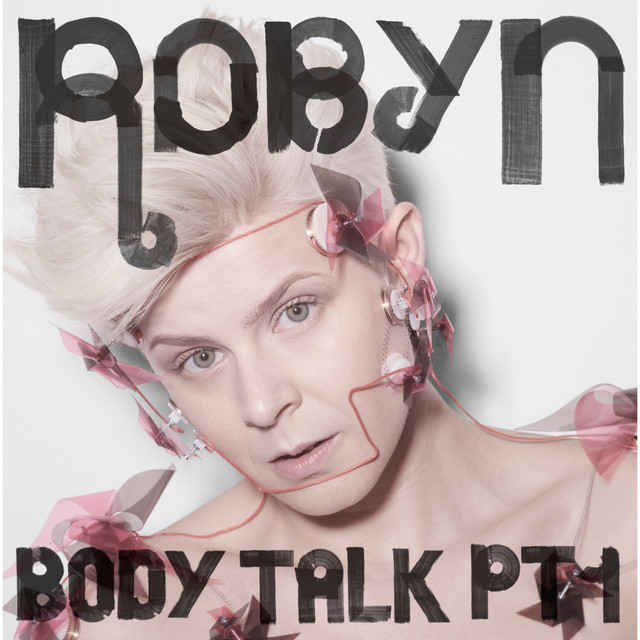
Body Talk, Pt.1
Robyn
Neo-Synthpop
Electropop
Electronic
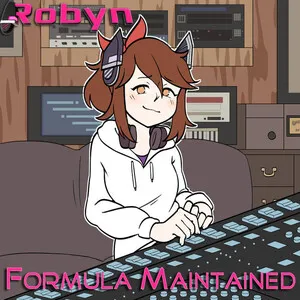
Formula Maintained
Robyn
Tracker Music
Formula Maintained
Robyn
Demoscene
Formula Maintained
Robyn
Demostyle
Similar artists
1
/5
Various Artists
Afro-Funk
Alternative Rock
Ambient
5
/5
Zara Larsson
Swedish Pop
Dance-Pop
Pop
4
/5
Grimes
Grave Wave
Neo-Synthpop
Indietronica
5
/5
Tove Lo
Swedish Synthpop
Dance-Pop
Synth-Pop
5
/5
Empire Of The Sun
Neo-Synthpop
Dance-Rock
Electronic
5
/5
Lady Gaga
Pop
Art Pop
Dance-Pop
5
/5
Charli xcx
Hyperpop
Candy Pop
Art Pop
4
/5
Kim Petras
Transpop
Dance-Pop
Electropop
5
/5
Britney Spears
Pop
Dance-Pop
Electronic
5
/5
The Chainsmokers
Pop
Electronic
Dance-Pop
Download our mobile app
Get the Melodigging app and start digging for new genres on the go
Download on the App Store
Get it on Google Play
© 2026 Melodigging
Give feedback
Legal
Melodding was created as a tribute to
Every Noise at Once
, which inspired us to help curious minds keep digging into music's ever-evolving genres.