Genres
Artists
Albums
Make Music
Sign in
Sign in
Artists
Tango
Artists
Tango
Hôtel Costes
2000–2009
·
11 albums
Listen
3
/5
Genres
Electro Swing
Electro swing fuses the timbres and rhythms of 1920s–1940s swing and big band jazz with modern electronic dance production. Producers sample or recreate vintage horn sections, clarinets, crooner vocals, and walking bass lines, then place them over four‑on‑the‑floor house grooves, syncopated breakbeats, and punchy electronic bass. Typical tempos sit around 110–128 BPM, with swung/shuffle hi‑hats, call‑and‑response horn riffs, and jazz harmony (ii–V–I cadences, extended 7ths/9ths/13ths). Vocals range from retro scat and cabaret‑style singing to contemporary rap or chopped vocal hooks. The result is a playful, dance‑forward sound that feels both nostalgic and fresh: gramophone grit and brass flair meeting club‑ready drums, sidechain swells, and modern sound design.
Discover
Listen
Balkan Beats
Balkan beats is a DJ‑driven club style that fuses high‑energy Balkan brass and Romani folk melodies with contemporary electronic dance rhythms. Typical sets and productions splice horn riffs, accordion/clarinet lines, and tapan/darbuka grooves into breakbeat, big beat, house, drum and bass, and hip‑hop frameworks. The sound emphasizes odd‑meter dance feels common in the Balkans (7/8, 9/8, etc.), punchy kick–snare patterns, and celebratory call‑and‑response hooks. Emerging from Berlin’s diasporic nightlife and parallel scenes in Vienna and Paris, it thrives on remixes, bootlegs, and live–DJ hybrids that keep a brass‑band party energy on a club sound system.
Discover
Listen
Dubstep
Dubstep is a bass‑centric electronic dance music genre that emerged in South London in the early 2000s. It is typically around 140 BPM and is defined by a half‑time rhythmic feel, sub‑heavy basslines, sparse yet impactful drums, and a strong emphasis on space, tension, and sound system weight. Hallmark traits include syncopated kick patterns, snares on the third beat of the bar, swung/shuffly hi‑hats inherited from UK garage, and modulated low‑frequency bass (“wobbles”) shaped with LFOs, filters, and distortion. Influences from dub reggae (echo, delay, and minimalism), jungle/drum & bass (bass science and sound system culture), and 2‑step garage (rhythmic swing and shuffles) are central. The style ranges from deep, meditative “dub” aesthetics (often called deep dubstep) to more aggressive, midrange‑driven variants that later informed brostep and festival bass. Atmosphere, negative space, and subwoofer translation are as important as melody or harmony.
Discover
Listen
Electro-Jazz
Electro‑jazz is a hybrid of modern electronic production and the vocabulary of jazz (swing or straight grooves, extended harmony, improvisation, and acoustic timbres). It typically blends drum‑machine patterns or sampled breakbeats with upright/electric bass, Rhodes or Wurlitzer electric piano, horns, and atmospheric synths. The style ranges from downtempo, trip‑hop‑leaning tracks built around dusty jazz samples to house‑tempo cuts featuring live brass and keys riding a club‑ready beat. Hallmarks include lush seventh–thirteenth chords, modal vamping, syncopated basslines, tasteful solos processed with delays and reverbs, and a studio aesthetic borrowed from electronica and hip‑hop (sampling, loop construction, side‑chain compression, filter sweeps). While often relaxed and cinematic, electro‑jazz can also be dance‑floor oriented, inheriting four‑on‑the‑floor kick patterns and arrangement logic from house while keeping melodic and harmonic language rooted in jazz.
Discover
Listen
Jazztronica
Jazztronica is a hybrid style that fuses the improvisational language, harmony, and timbres of jazz with contemporary electronic music production and rhythms. It often balances live instrumentation—such as saxophone, keys, bass, and drums—with programmed beats, sampling, and synthesis. Producers and bands in this genre draw from jazz-funk, acid jazz, and fusion, then layer in elements of downtempo, house, hip hop, broken beat, and IDM. The result ranges from head‑nod, beat‑driven tracks to club‑leaning grooves and cinematic, atmospheric pieces. Hallmarks include extended jazz chords, swung or syncopated drum programming, elastic basslines (both electric and synthesized), and textural sound design that supports improvisation and groove.
Discover
Listen
Downtempo
Downtempo is a mellow, groove-oriented branch of electronic music characterized by slower tempos, plush textures, and a focus on atmosphere over dancefloor intensity. Typical tempos range from about 60–110 BPM, with swung or laid-back rhythms, dub-informed basslines, and warm, jazz-tinged harmonies. Stylistically, it blends the spaciousness of ambient, the head-nodding rhythms of hip hop and breakbeat, and the cosmopolitan smoothness of lounge and acid jazz. Producers often use sampled drums, Rhodes or Wurlitzer electric pianos, guitar licks with delay, and field recordings to create intimate, cinematic soundscapes. The mood spans from soulful and romantic to introspective and dusk-lit, making it a staple of after-hours listening, cafes, and relaxed club back rooms.
Discover
Listen
Neotango
Neotango is a contemporary evolution of tango that fuses the genre’s characteristic milonga/habanera rhythms, bandoneón timbres, and dramatic phrasing with modern electronic production and global popular styles. In music, it often blends tango orchestration (bandoneón, piano, violin, double bass, vocals) with programmed beats, sampling, synth pads, and studio effects. As a dance culture, neotango is a global, living form that applies tango biomechanics and improvisational embrace to a broad palette of modern tracks recorded in the last few decades. This scene embraces experimentation in musical texture, DJ culture, and floorcraft while maintaining tango’s intimate partner-connection and phrasing.
Discover
Listen
Funky Breaks
Funky breaks is a breakbeat subgenre that blends the syncopated drum programming of breakbeat with the groove, horn stabs, and basslines of classic funk and disco. It is typically sample-driven, leaning on chopped drum breaks, rhythmic guitar licks, and soulful vocal snippets. The style favors bouncy, swung rhythms over four-on-the-floor patterns, with tempos most often between 110–130 BPM. DJs and producers emphasize party-friendly arrangements, gritty vinyl textures, and turntablist techniques like cutting and scratching to create a lively, feel-good, dancefloor energy.
Discover
Listen
Jazzdance
Jazzdance is a loose, club-oriented label for music that blends jazz language (harmonies, improvisation, swing-derived phrasing, brass/keys timbres) with dance/electronic production. It often overlaps with acid jazz, jazz-house, and early nu jazz: groove-forward tracks built for DJ-friendly mixing, while still highlighting jazz chords, solos, or sampled jazz instrumentation. Because the term is used inconsistently, “jazzdance” is best understood as a functional descriptor ("jazz-influenced dance/electronica") rather than a tightly defined, scene-specific genre.
Discover
Listen
Nu Jazz
Nu jazz is a late-1990s movement that blends contemporary electronic production with the improvisational language and harmony of jazz. It keeps jazz’s extended chords, modal colors, and live soloing, but places them over programmed beats, sampled textures, and synth-driven arrangements. Typical tracks feature warm Rhodes or piano voicings, roomy horns, and deep bass sitting alongside house, broken beat, or downtempo grooves. The result is music that feels both club-ready and listening-focused, bridging intimate jazz sensibilities with modern electronic sound design.
Discover
Listen
Deep Funk House
Deep Funk House is a sophisticated fusion genre that blends the atmospheric, emotive qualities of Deep House with the rhythmic grooves and instrumentation of Funk and Soul. Unlike the high-energy, loop-heavy 'Funky House' that dominated commercial clubs, Deep Funk House maintains a smoother, more laid-back aesthetic characterized by warm basslines, intricate percussion, and a heavy reliance on organic instrumentation like Rhodes pianos, funk guitar riffs, and brass sections. The genre often features soulful vocals—either sampled or original—and emphasizes a 'swing' feel in its drum programming, moving away from the rigid quantization of techno. It occupies a sweet spot between the lounge-ready vibes of downtempo and the dancefloor energy of traditional house music.
Discover
Listen
Gypsy Fusion
Gypsy fusion is a contemporary crossover style that blends traditional Romani ("Gypsy") music—fiddles, cimbalom, clarinet, and brass bands—with modern genres such as electronic dance music, rock, hip hop, and jazz. It retains the expressive vocals, modal melodies, and propulsive dance rhythms of Romani and Balkan traditions, but places them into club-ready grooves, amplified band settings, and studio-produced frameworks. The result ranges from euphoric brass-driven dance tracks to emotionally-charged ballads with lush electronics and cinematic arrangements. The style is closely associated with the post-1990s world-music boom and the opening of Eastern European scenes to global audiences, with Berlin, Paris, Bucharest, and New York becoming key hubs for experimentation and collaboration.
Discover
Listen
Soulful House
Soulful house is a vocal- and melody-forward subgenre of house music that blends the classic four-on-the-floor groove with the warmth of soul, gospel, jazz and funk. It typically runs at a relaxed club tempo (roughly 122–127 BPM) and favors smooth, expressive lead vocals and lyric themes of love, uplift, community, and spiritual resilience. Production often features lush keyboards (Rhodes, piano, organ), warm electric or upright bass, rhythm guitar comps, and tasteful horn or sax/trumpet solos. Compared with harder club styles, the drum programming is supple and swinging, with shuffling hi‑hats and congas or hand percussion enriching the groove. The result is music that works on dancefloors yet is refined enough to appear in lounges, restaurants, boutiques, and runway contexts—at times feeling like a dance-oriented cousin of nu jazz and lounge.
Discover
Listen
Deep House
Deep house is a subgenre of house music characterized by warm, soulful textures, jazz-influenced harmony, and understated, hypnotic grooves. It typically runs around 115–124 BPM, favoring subtle swing, syncopated percussion, and rounded, mellow basslines over aggressive peaks. Sonically, deep house draws on extended chords (7ths, 9ths, 11ths), Rhodes and M1 organ timbres, airy pads, and tasteful use of reverb and delay to create a spacious, emotive atmosphere. Vocals, when present, often reference soul and gospel traditions, delivering intimate, reflective themes rather than big-room hooks. The style emerged in the mid-to-late 1980s as producers fused Chicago house rhythms with jazz-funk, soul, and garage house sensibilities, resulting in a smoother, deeper take on the house blueprint.
Discover
Listen
World
World music is a broad, industry-coined umbrella for traditional, folk, and contemporary popular styles from around the globe that fall outside the Anglo-American pop mainstream. The label emerged in the 1980s as a retail and marketing category to group diverse regional musics for international distribution. Musically, it spans acoustic and electric instrumentation; modal, pentatonic, and microtonal pitch systems; and rhythms ranging from cyclical grooves and polyrhythms to asymmetrical meters. While the term can obscure local specificity, it also facilitated cross-cultural collaboration, festivals, and recordings that brought regional genres to wider audiences.
Discover
Listen
Turntablism
Turntablism is the art of using turntables and a DJ mixer as expressive musical instruments, rather than merely devices to play records. Practitioners manipulate vinyl (or digital vinyl systems) to create new rhythms, textures, and melodies through techniques such as scratching, beat juggling, cutting, and tone play. Rooted in the earliest hip hop DJ practices, turntablism elevates the DJ to a performer-composer who constructs real-time collages from breakbeats, snippets, tones, and vocal cuts. The genre values manual dexterity, rhythmic precision, improvisation, and showmanship, and it thrives both in live battle formats and in studio-produced routines and compositions.
Discover
Listen
Lounge
Lounge music is a style of easy listening designed to evoke a sense of place and atmosphere—tropical islands, jungles, elegant cocktail bars, or even outer space. It prizes a chilled, urbane mood achieved through light instrumentation, lush arrangements, and crooning or wordless vocals. Rooted in earlier light music and crooner traditions, classic lounge blossomed in the 1950s and 1960s alongside hi‑fi and stereo “space age” culture. It draws from Dixieland and small‑combo jazz, Latin dance rhythms (mambo, cha‑cha, bossa inflections), novelty/gimmick songs, and occasional experimental studio techniques. The spectrum ranges from exotica and beautiful‑music instrumentals to suave, jazzy vocal numbers—and in modern eras, it can intersect with downtempo and electronica while keeping its retro, escapist ambiance.
Discover
Listen
Electronic
Electronic is a broad umbrella genre defined by the primary use of electronically generated or electronically processed sound. It encompasses music made with synthesizers, drum machines, samplers, computers, and studio/tape techniques, as well as electroacoustic manipulation of recorded or synthetic sources. The genre ranges from academic and experimental traditions to popular and dance-oriented forms. While its sonic palette is rooted in electricity and circuitry, its aesthetics span minimal and textural explorations, structured song forms, and beat-driven club permutations. Electronic emphasizes sound design, timbre, and studio-as-instrument practices as much as melody and harmony.
Discover
Listen
Tango
Tango is a song-and-dance music from the Río de la Plata region, crystallizing in Buenos Aires (Argentina) and Montevideo (Uruguay) in the late 19th century. It is characterized by a melancholic, dramatic tone; richly expressive melodies; and a distinctive rhythmic feel rooted in the habanera and milonga. Core ensembles feature bandoneón, violin(s), piano, double bass, and sometimes guitar, forming the famed orquesta típica. Across the 1920s–1950s it became a worldwide craze, moving from rough immigrant bars to grand salons and radio, developing highly sophisticated arranging and performance practices. Lyrics often employ lunfardo (Buenos Aires slang) and dwell on urban nostalgia, love, betrayal, and the neighborhood (el barrio). Note on terminology: in flamenco, “tangos” is a distinct palo (song form) with a lively 4/4 compás, often in A Phrygian, closely related in feeling to rumba flamenca. Although it shares the name and a spirited character, flamenco tangos is a different tradition from the Río de la Plata tango described above.
Discover
Listen
Balkan Brass Band
Balkan brass band is a high‑energy brass tradition from the central and western Balkans, most famously Serbia, that centers on trumpets, flugelhorns, baritone horns, tubas, and pounding double‑headed bass drums (tapan/davul) and snares. The style blends 19th‑century military brass band instrumentation with Romani performance practice and local dance rhythms. It favors blistering tempos, virtuosic trumpet leads, modal melodies (often using Hijaz/Phrygian-dominant colors), and asymmetrical meters that power social dances such as čoček and kolo. Typically performed at weddings, village festivities, and outdoor festivals like Guča, the music is both celebratory and cathartic, moving seamlessly between ecstatic dance tunes and soulful laments.
Discover
Listen
Show all 20 genres
Albums
2009
1
/5
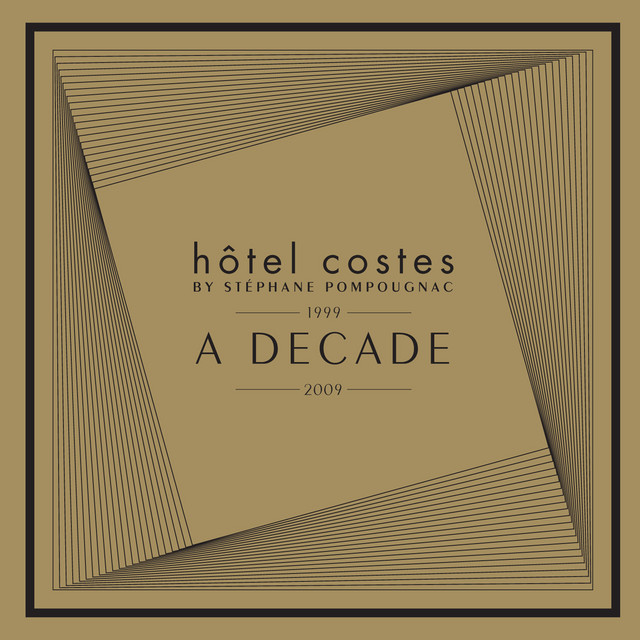
Hôtel Costes A Decade
Rouge Rouge
Electro-Jazz
Downtempo
Dubstep
2008
1
/5
Hôtel Costes 11
Naomi
Electro-Jazz
Downtempo
Electronic
2005
1
/5
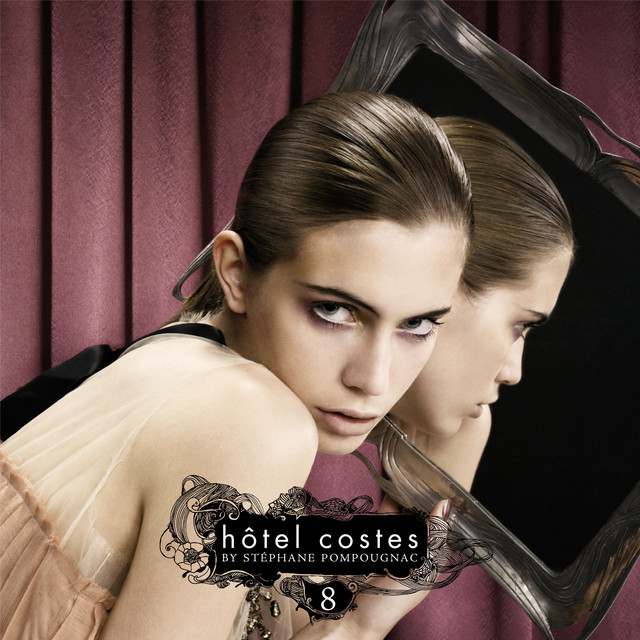
Hôtel Costes 8
Parov Stelar
Deep Funk House
Balkan Beats
Soulful House
2003
1
/5
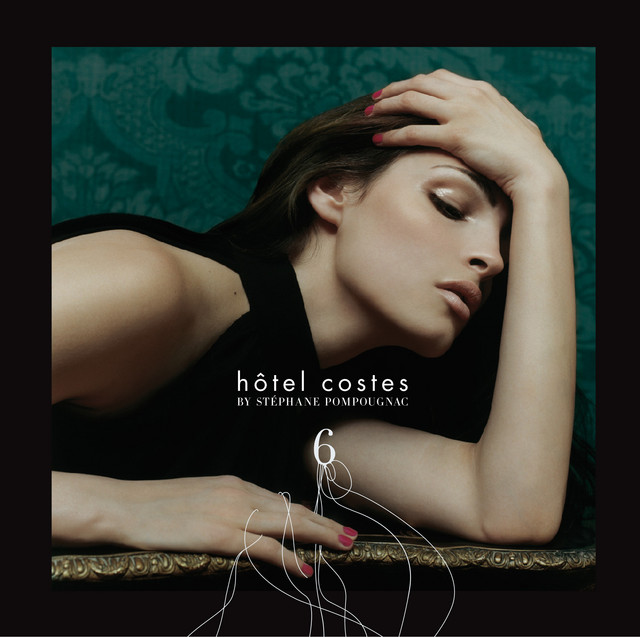
Hôtel Costes 6
3-11 Porter
Electro-Jazz
Downtempo
Electronic
2003
1
/5
Hôtel Costes 6
Fingathing
Turntablism
Jazztronica
Downtempo
2001
1
/5
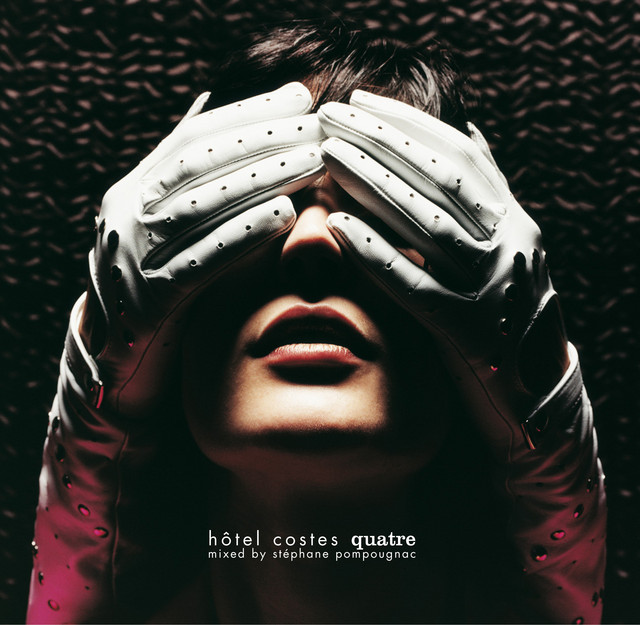
Hôtel Costes 4
Doctor Rockit
Electro-Jazz
Deep House
Electronic
2001
1
/5
Hôtel Costes 4
Shantel
Gypsy Fusion
Electro-Jazz
Balkan Brass Band
2001
1
/5
Hôtel Costes 4
Gotan Project
Neotango
Electro-Jazz
Tango
2000
1
/5
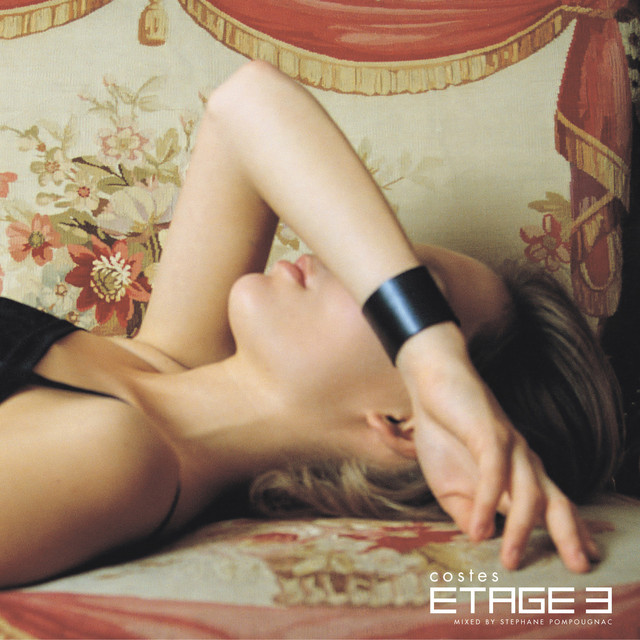
Hôtel Costes 3 - Etage 3
Gotan Project
Neotango
Jazztronica
Tango
2000
1
/5
Hôtel Costes 3 - Etage 3
Nickodemus
Neotango
Funky Breaks
Jazztronica
2000
1
/5
Hôtel Costes 3 - Etage 3
Nickodemus
Neotango
Funky Breaks
Jazztronica
Similar artists
1
/5
Various Artists
Afro-Funk
Alternative Rock
Ambient
3
/5
Gotan Project
Neotango
Tango
Electronic
3
/5
Federico Aubele
Downtempo
Electro-Jazz
Tango
3
/5
Mr. Scruff
Acid Jazz
Downtempo
Trip Hop
4
/5
Bonobo
Instrumental Hip Hop
Jazztronica
Downtempo
3
/5
St Germain
Jazztronica
Acid Jazz
Downtempo
3
/5
Flying Lotus
Glitch Hop
Idm
Instrumental Hip Hop
3
/5
Kinobe
Downtempo
Electro-Jazz
Nu Jazz
3
/5
Bajofondo
Neotango
Tango
Electrotango
3
/5
Uyama Hiroto
Nu Jazz
Jazztronica
Ambeat
Download our mobile app
Get the Melodigging app and start digging for new genres on the go
Download on the App Store
Get it on Google Play
© 2026 Melodigging
Give feedback
Legal
Melodding was created as a tribute to
Every Noise at Once
, which inspired us to help curious minds keep digging into music's ever-evolving genres.