Genres
Artists
Albums
Make Music
Sign in
Sign in
Artists
Slam Poetry
Artists
Slam Poetry
Gil Scott-Heron
1971–2020
·
13 albums
Listen
3
/5
Genres
Chill Drill
Chill drill is a mellow, melodic offshoot of UK drill that keeps the style’s distinctive sliding 808s, syncopated hi-hats, and snare-on-3 placement, but softens the overall timbre and mood. Instead of ominous synths and harsh textures, it leans on airy pads, Rhodes pianos, gentle guitar loops, and lo‑fi ambience. Vocals tend to be more introspective and tuneful, with sing-rap hooks, laid-back cadences, and reflective lyric themes (romance, ambition, day-to-day life). The result bridges drill’s rhythmic identity with chillhop and lo‑fi hip hop’s relaxed atmosphere, creating tracks that are both groove-driven and easy to live with.
Discover
Listen
Post-Dubstep
Post-dubstep is a loosely defined wave of UK-born electronic music that grew out of dubstep but moved away from its rigid 140 BPM wobble-bass formula. It keeps the bass-weight, sound-system focus, and rhythmic syncopation of dubstep and UK garage, but folds in house and techno tempos, R&B vocal chops, ambient space, and experimental production. Typical tracks explore 120–135 BPM (not fixed at 140), use broken 2‑step/garage swing instead of 4/4, and favor detailed sound design over maximal drops. You’ll often hear hushed, intimate vocals (sampled or original), neo-soul/jazz-influenced chords, and micro-edited percussion with lots of negative space. The mood is frequently introspective, melancholic, and textural—more headphone-oriented than festival-leaning—yet still rooted in club culture.
Discover
Listen
Classify
Classify is a streaming-era microgenre that blends light classical technique with contemporary pop repertoire, typically presented as unobtrusive instrumental covers. It prioritizes soft dynamics, gentle tempos, and intimate recording to create a calm, elegant backdrop suitable for studying, working, or events. Most arrangements are for solo piano, string quartet, cello/piano duos, or small chamber ensembles. Harmonies remain diatonic and consonant, melodies are clearly voiced, and textures favor arpeggios, ostinati, and sustained legato lines. The overall aesthetic borrows from modern classical and new age moods while retaining the familiarity of pop song forms.
Discover
Listen
Pov: Indie
"pov: indie" is a social-media-native microstyle built around short, cinematic indie-pop/indie-rock snippets designed to accompany a first-person (POV) narrative. Instead of being defined by a single new musical technique, it is defined by context: the music is chosen or written to feel like the soundtrack to a specific moment (a crush, a late-night walk, moving to a new city, seasonal nostalgia). Sonically it typically uses bright but soft guitars or synths, intimate vocals, simple memorable hooks, and production that reads clearly on phone speakers. The emotional tone is often wistful, tender, and “coming-of-age,” with lyrics that can be understood quickly in a 10–30 second clip.
Discover
Listen
Souldies
Souldies is a modern revival of classic lowrider “oldies” soul—slow, tender ballads rooted in 1960s and early-’70s sweet soul and doo‑wop aesthetics, reimagined by a new generation of largely Chicano/Latinx artists in Southern California. Characterized by warm, analog-leaning production, mellow backbeats, honeyed vocal harmonies, and heart‑on‑sleeve lyricism, the style favors mid‑slow tempos, tape‑like saturation, spring/plate reverb, and minimalist yet expressive arrangements. English and Spanish (or Spanglish) lyrics often explore love, longing, devotion, and cruising/lowrider culture. Souldies sits at the intersection of classic soul, rhythm & blues, northern soul selections, and Latin soul, offering a contemporary, community‑centered sound that feels both timeless and newly personal.
Discover
Listen
Dubstep
Dubstep is a bass‑centric electronic dance music genre that emerged in South London in the early 2000s. It is typically around 140 BPM and is defined by a half‑time rhythmic feel, sub‑heavy basslines, sparse yet impactful drums, and a strong emphasis on space, tension, and sound system weight. Hallmark traits include syncopated kick patterns, snares on the third beat of the bar, swung/shuffly hi‑hats inherited from UK garage, and modulated low‑frequency bass (“wobbles”) shaped with LFOs, filters, and distortion. Influences from dub reggae (echo, delay, and minimalism), jungle/drum & bass (bass science and sound system culture), and 2‑step garage (rhythmic swing and shuffles) are central. The style ranges from deep, meditative “dub” aesthetics (often called deep dubstep) to more aggressive, midrange‑driven variants that later informed brostep and festival bass. Atmosphere, negative space, and subwoofer translation are as important as melody or harmony.
Discover
Listen
Uk Garage
UK garage is a British evolution of US garage/house that emerged in the mid-to-late 1990s around London’s pirate radio, record shops, and clubs. It is characterized by shuffling, syncopated rhythms, swung hi‑hats, crisp snares, and a pronounced sense of groove at roughly 130–138 BPM. The style blends house’s soulful chords and R&B vocals with jungle/drum & bass sound-system bass weight, often featuring chopped and time‑stretched vocal samples, organ/piano stabs, and warm Rhodes textures. Two major strands formed: 4x4 (straight four-on-the-floor with heavy swing) and 2‑step (broken kick patterns that avoid a constant four-on-the-floor). MC toasting and call‑and‑response vocals became a signature of the scene. Substyles include speed garage (darker, bass‑heavier, often with wobbly LFO bass) and 2‑step (sparser, more syncopated drums). UK garage’s club‑ready energy and vocal sensibility propelled it into the mainstream and laid the groundwork for grime, dubstep, bassline, and UK funky.
Discover
Listen
Slam Poetry
Slam poetry is a performance-centered form of spoken word in which poets deliver original work on stage, often in a competitive setting judged by the audience. Pieces are written to be heard rather than read, emphasizing voice, cadence, pacing, and the emotional arc of a live performance. Originating in Chicago in the mid-1980s, slam poetry draws on open-mic culture, beat-era readings, jazz-inflected recitation, dub poetry’s political urgency, and hip hop’s rhythmic and rhetorical power. Typical slams limit poems to about three minutes, forbid props and costumes, and prize immediacy, clarity, and audience connection. Themes frequently include identity, social justice, intimacy, humor, and personal testimony.
Discover
Listen
Political Hip Hop
Political hip hop is a branch of hip hop that foregrounds social critique, civic engagement, and political education. Its lyrics address systemic racism, policing and carceral systems, poverty and class, imperialism and war, voter suppression, media bias, and community self-determination. Artists often use rhetorical devices, historical references, and speech samples to make arguments as much as to entertain. Musically, the style draws on boom‑bap rhythms, funk and soul sampling, abrasive collage production (famously by The Bomb Squad), and, at times, jazz rap’s reflective textures. Clarity of delivery and message density are prioritized, with hooks designed to mobilize, provoke, or unify listeners. The genre has developed global branches, adapting local issues and languages while maintaining the core emphasis on political content.
Discover
Listen
Jazz-Funk
Jazz-funk is a groove-forward hybrid of jazz improvisation and harmony with the rhythmic drive and backbeat of funk. It features syncopated basslines, crisp drum patterns, and tight horn or keyboard riffs, often organized around vamping two- or four-bar progressions rather than complex chord changes. The sound is defined by electric instruments—Fender Rhodes, Clavinet, analog and early digital synthesizers, electric bass, and wah-inflected guitar—alongside punchy horn sections and extended solos. Compared to traditional jazz, the harmonic language is leaner but still rich, emphasizing 9ths, 11ths, 13ths, and modal centers (especially Dorian). The music aims for deep, danceable pocket, slick production, and a soulful, urban feel.
Discover
Listen
Progressive Soul
Progressive soul is a strand of soul music that embraced the album as an art form, expanding the genre’s harmonic language, song structures, and lyrical scope. It blends the emotional immediacy of classic soul and gospel with the conceptual ambition of progressive rock, the orchestral sweep of Philadelphia soul, and the rhythmic sophistication of funk and jazz fusion. Characterized by extended forms, suites, concept albums, rich orchestration, and studio experimentation, progressive soul often features electric piano and Rhodes, clavinet, early synthesizers, elaborate horn and string arrangements, and layered vocal harmonies. Its lyrics frequently tackle social justice, spirituality, and introspection, while grooves remain deeply rooted in soul and funk.
Discover
Listen
Funk
Funk is a rhythm-forward African American popular music style that centers on groove, syncopation, and interlocking parts. Rather than emphasizing complex chord progressions, funk builds tight, repetitive vamps that highlight the rhythm section and create an irresistible dance feel. The genre is marked by syncopated drum patterns, melodic yet percussive bass lines, choppy guitar "chanks," punchy horn stabs, call‑and‑response vocals, and a strong backbeat. Funk’s stripped-down harmony, prominent use of the one (accenting the downbeat), and polyrhythmic layering draw deeply from soul, rhythm and blues, jazz, gospel, and African rhythmic traditions. From James Brown’s late-1960s innovations through the expansive P-Funk universe and the slicker sounds of the 1970s and 1980s, funk has continually evolved while seeding countless other genres, from disco and hip hop to house and modern R&B.
Discover
Listen
Spoken Word
Spoken word is a performance-centered genre where text—poems, monologues, stories, or manifestos—is delivered aloud with musicality in voice rather than through singing. It may be entirely a cappella or accompanied by sparse instrumentation (often jazz combos, ambient textures, or minimal electronics) that frames the cadence and rhetoric of the performer. The emphasis is on language: prosody, pacing, imagery, and argument. Pieces often explore personal narratives, social critique, and political themes, drawing on techniques such as internal rhyme, alliteration, and repetition. While recordings exist, the tradition is fundamentally live, prioritizing immediacy, audience engagement, and oratorical presence.
Discover
Listen
Soul
Soul is a genre of popular music that blends the spiritual fervor and vocal techniques of African‑American gospel with the grooves and song forms of rhythm & blues and the harmonic palette of jazz and blues. It is defined by impassioned, melismatic lead vocals; call‑and‑response with backing singers; handclaps and a strong backbeat; syncopated bass lines; and memorable horn or string riffs. Typical instrumentation includes drum kit, electric bass, electric guitar, piano or Hammond organ, horns (trumpet, saxophone, trombone), and sometimes orchestral strings. Lyrically, soul ranges from love and heartbreak to pride, social commentary, and spiritual yearning. Regionally distinct scenes—such as Detroit’s Motown, Memphis/Stax, Muscle Shoals, Chicago, New Orleans, and Philadelphia—shaped different flavors of soul, while the style’s emotional directness and rhythmic drive made it a cornerstone of later funk, disco, contemporary R&B, and hip hop.
Discover
Listen
Soul Jazz
Soul jazz is a groove-forward branch of jazz that blends the improvisational language of hard bop with the churchy harmonies of gospel and the backbeat of rhythm & blues. It favors memorable riffs, earthy tones, and a strong, danceable pulse over dense harmonic complexity. Typical settings include Hammond B-3 organ trios (organ, guitar, drums) or small combos with saxophone or trumpet. Tunes often use blues forms, minor-key vamps, and gospel cadences, featuring call-and-response figures, pentatonic and blues-scale lines, and a relaxed but insistent pocket. The overall aesthetic is warm, direct, and soulful—equally at home in jazz clubs, lounges, and on the radio.
Discover
Listen
Poetry
Poetry (as a recorded genre) centers on the spoken or performed recitation of verse, foregrounding voice, diction, rhythm, and imagery over conventional song structure. Performances may be entirely unaccompanied or framed by sparse accompaniment such as piano, strings, jazz combos, drones, or subtle sound design. Unlike broader spoken word, which can include storytelling, monologues, and comedy, poetry recordings focus on literary verse—metered, rhymed, or free—delivered with attention to prosody and poetic form. Releases range from archival readings by canonical poets to contemporary performance sets recorded in studios, classrooms, libraries, and clubs. The listening experience often emphasizes intimacy and textual clarity: microphones capture breath, cadence, and silence, while arrangements (if any) remain secondary to the poem’s language and pacing.
Discover
Listen
R&b
R&B (Rhythm and Blues) is a vocal- and groove-centered popular music tradition that blends blues tonality, jazz harmony, and gospel-inflected singing with a steady backbeat. It emphasizes expressive lead vocals, call-and-response, lush harmonies, and danceable rhythms. From its 1940s roots in African American communities to its later evolutions, R&B has continually absorbed and reshaped surrounding sounds—from jump blues and swing in the early days to soul, funk, hip hop, and electronic production in the contemporary era. Today, R&B ranges from intimate, slow-burning ballads to club-ready tracks, all tied together by a focus on feel, melody, and vocal performance.
Discover
Listen
Jazz Poetry
Jazz poetry is a performance-centered form of poetry that draws on the rhythm, phrasing, and improvisational spirit of jazz. It typically features spoken or recited verse delivered with the timing of a jazz soloist, often accompanied by a small ensemble (piano, bass, drums, and horns) or by a minimalist vamp. The language tends to be musical: syncopated, swung, and conversational, with spontaneous variations in tempo, timbre, and dynamics. Themes range from urban life and nightlife to social critique, love, and memory, frequently reflecting African American cultural experience and the club environments where the form developed. While it arose during the Harlem Renaissance, jazz poetry evolved alongside changing jazz idioms—absorbing bebop’s angularity, cool jazz’s restraint, and later, free jazz’s openness—making it a flexible bridge between literature and music.
Discover
Listen
Jazz
Jazz is an improvisation-centered music tradition that emerged from African American communities in the early 20th century. It blends blues feeling, ragtime syncopation, European harmonic practice, and brass band instrumentation into a flexible, conversational art. Defining features include swing rhythm (a triplet-based pulse), call-and-response phrasing, blue notes, and extended harmonies built on 7ths, 9ths, 11ths, and 13ths. Jazz is as much a way of making music—spontaneous interaction, variation, and personal sound—as it is a set of forms and tunes. Across its history, jazz has continually hybridized, from New Orleans ensembles and big-band swing to bebop, cool and hard bop, modal and free jazz, fusion, and contemporary cross-genre experiments. Its influence permeates global popular and art music.
Discover
Listen
Electronic
Electronic is a broad umbrella genre defined by the primary use of electronically generated or electronically processed sound. It encompasses music made with synthesizers, drum machines, samplers, computers, and studio/tape techniques, as well as electroacoustic manipulation of recorded or synthetic sources. The genre ranges from academic and experimental traditions to popular and dance-oriented forms. While its sonic palette is rooted in electricity and circuitry, its aesthetics span minimal and textural explorations, structured song forms, and beat-driven club permutations. Electronic emphasizes sound design, timbre, and studio-as-instrument practices as much as melody and harmony.
Discover
Listen
Show all 20 genres
Albums
2020
1
/5
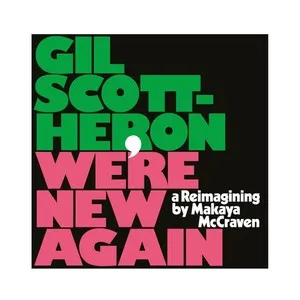
We're New Again: A Reimagining by Makaya McCraven
Makaya McCraven / Gil Scott-Heron
Jazz Poetry
Jazz
Jazz-Funk
2012
1
/5
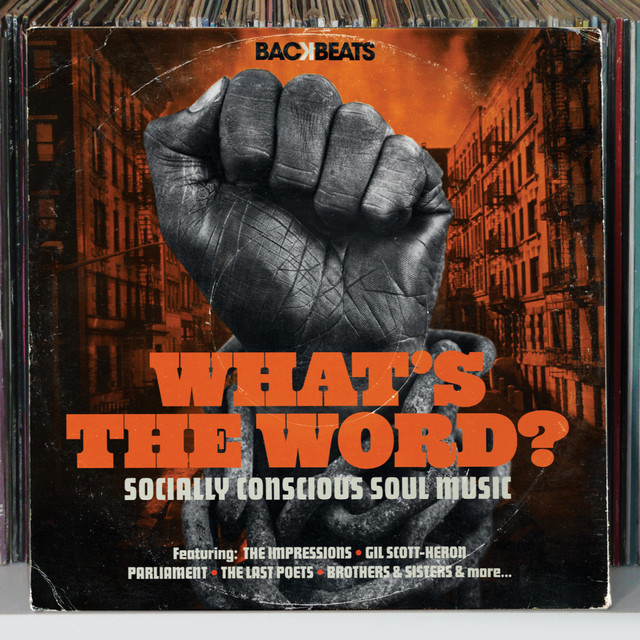
What’s The Word – Socially Conscious Soul Music
Gil Scott-Heron
Slam Poetry
2011
1
/5
We're New Here
Gil Scott-Heron & Jamie xx
Post-Dubstep
Electronic
Uk Garage
2010
1
/5
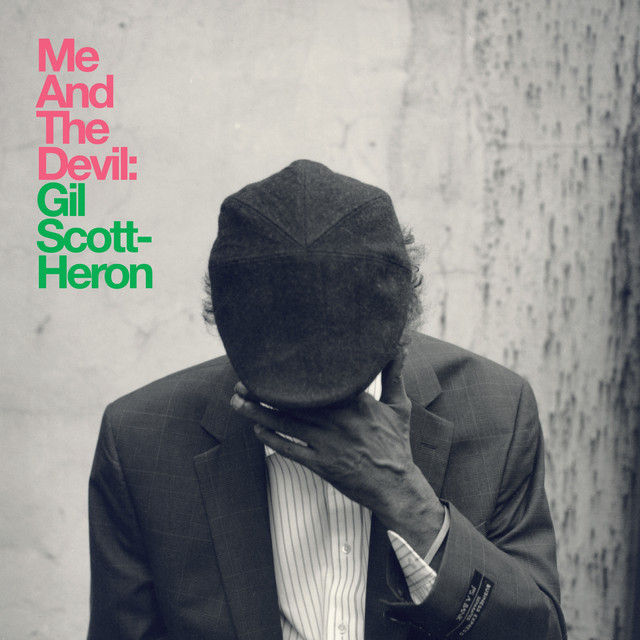
Me and the Devil
Gil Scott-Heron
Slam Poetry
2010
1
/5
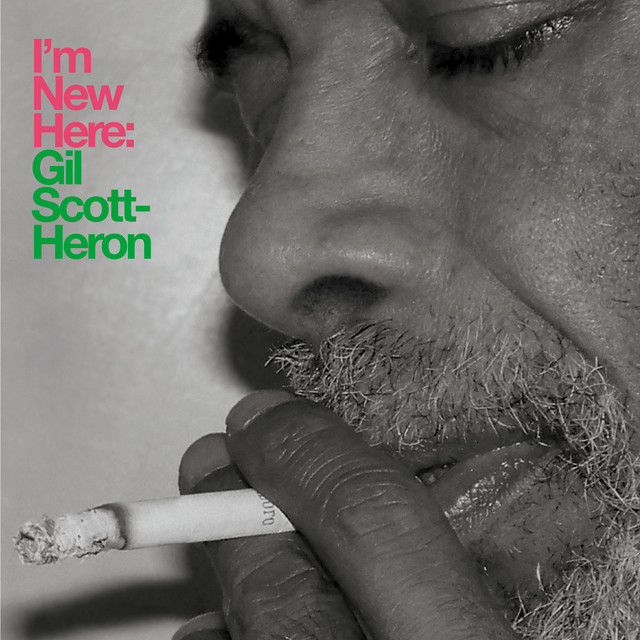
I'm New Here
Gil Scott-Heron
Spoken Word
2010
3
/5
I’m New Here (10th Anniversary Expanded Edition)
Gil Scott-Heron
Slam Poetry
Dubstep
Electronic
2008
2
/5
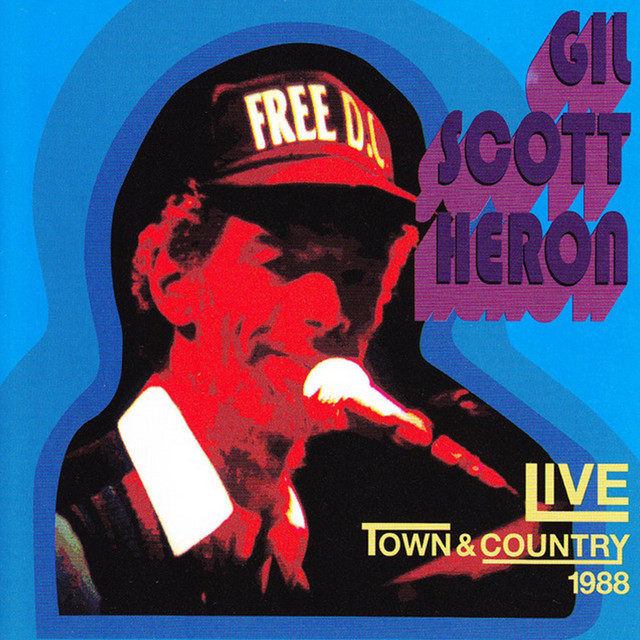
Live At The Town & Country 1988
Gil Scott-Heron
Slam Poetry
1982
2
/5
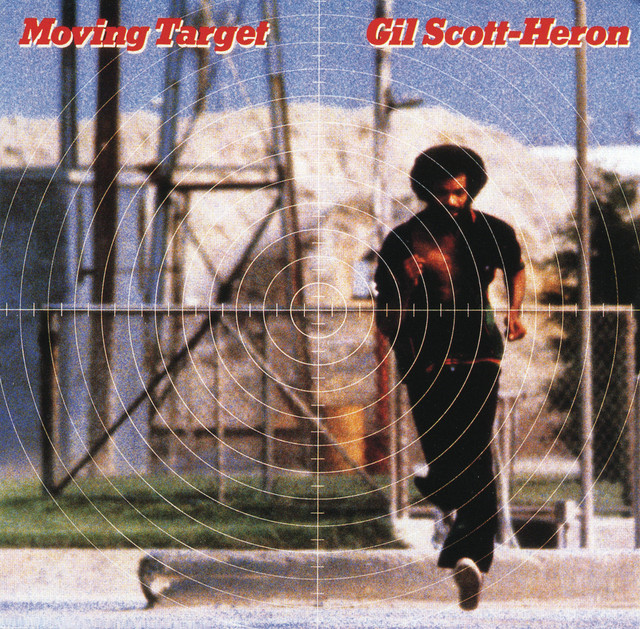
Moving Target
Gil Scott-Heron
Slam Poetry
1981
3
/5
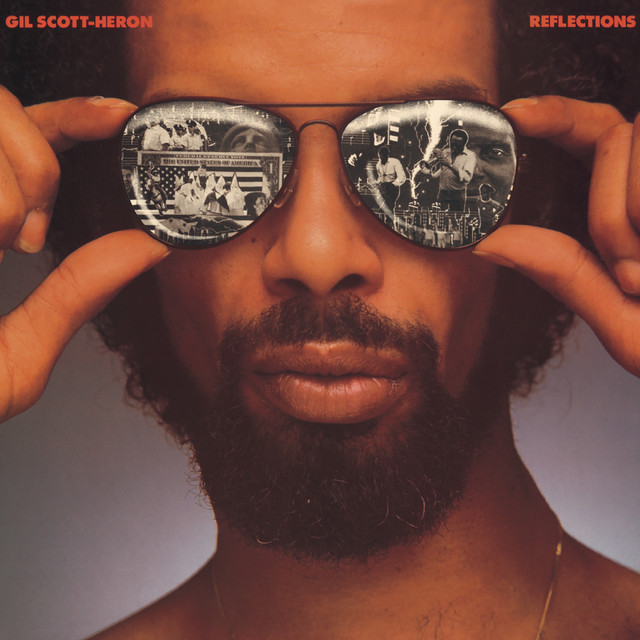
Reflections
Gil Scott-Heron
Slam Poetry
Progressive Soul
Funk
1980
2
/5
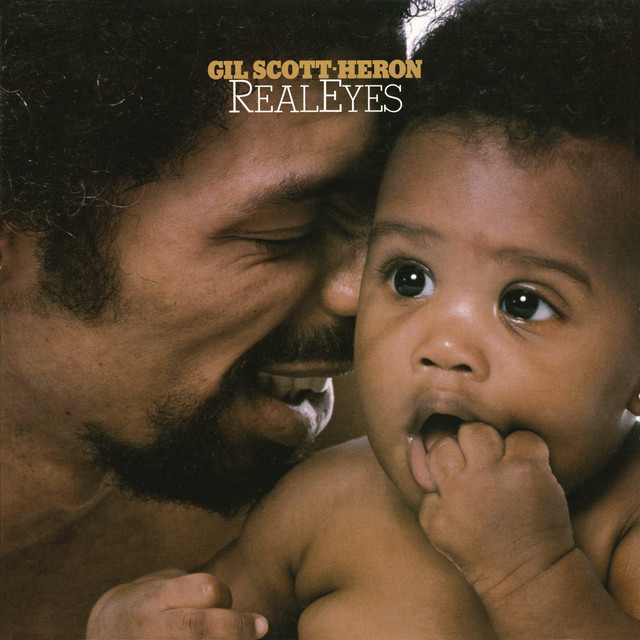
Real Eyes
Gil Scott-Heron
Slam Poetry
1972
1
/5
Free Will
Gil Scott-Heron
Jazz Poetry
Poetry
1971
3
/5
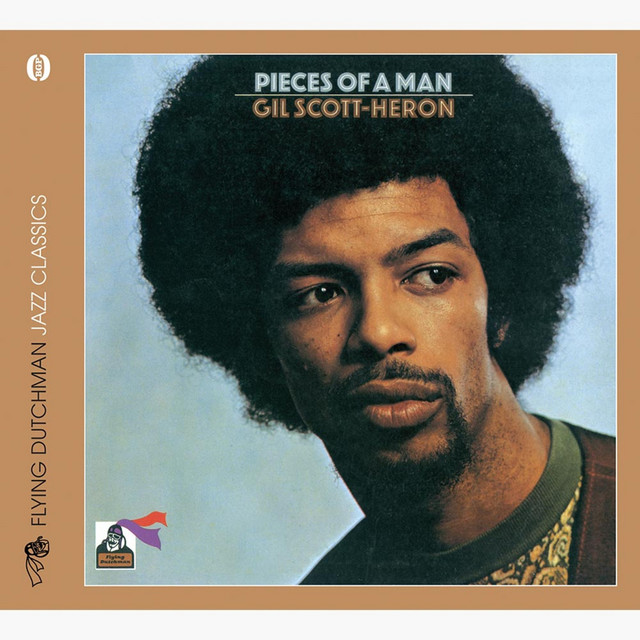
Pieces of a Man
Gil Scott-Heron
Slam Poetry
Soul
Political Hip Hop
1971
1
/5
Pieces of a Man
Gil Scott-Heron
Progressive Soul
R&b
Soul
Similar artists
1
/5
Various Artists
Afro-Funk
Alternative Rock
Ambient
3
/5
Kae Tempest
Slam Poetry
Spoken Word
Hip Hop
3
/5
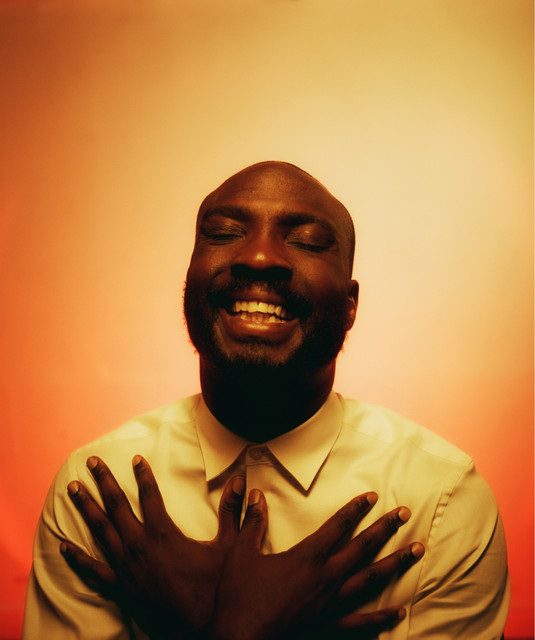
Joshua Idehen
Slam Poetry
Spoken Word
Electronic
3
/5
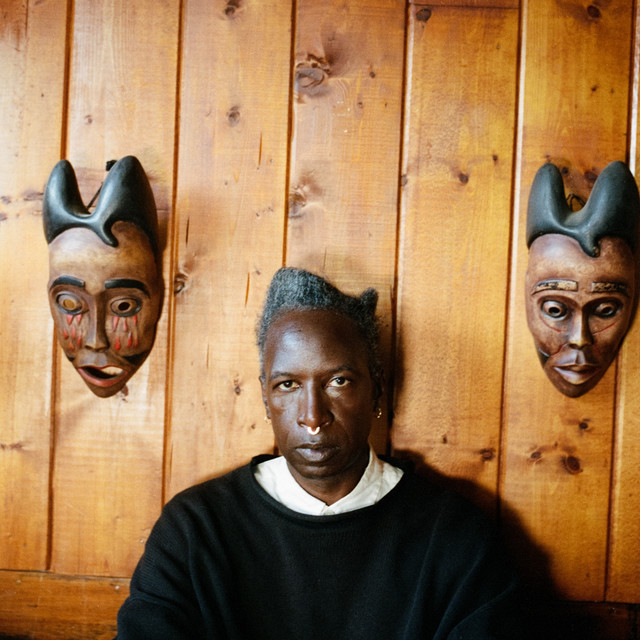
Saul Williams
Slam Poetry
Industrial Hip Hop
Alternative Hip Hop
2
/5
Andrea Gibson
Slam Poetry
Spoken Word
3
/5
John Cooper Clarke
Spoken Word
Slam Poetry
Punk Poetry
2
/5
Hotel Books
Slam Poetry
Spoken Word
Emo Revival
2
/5
Listener
Slam Poetry
Spoken Word
Punk Poetry
2
/5
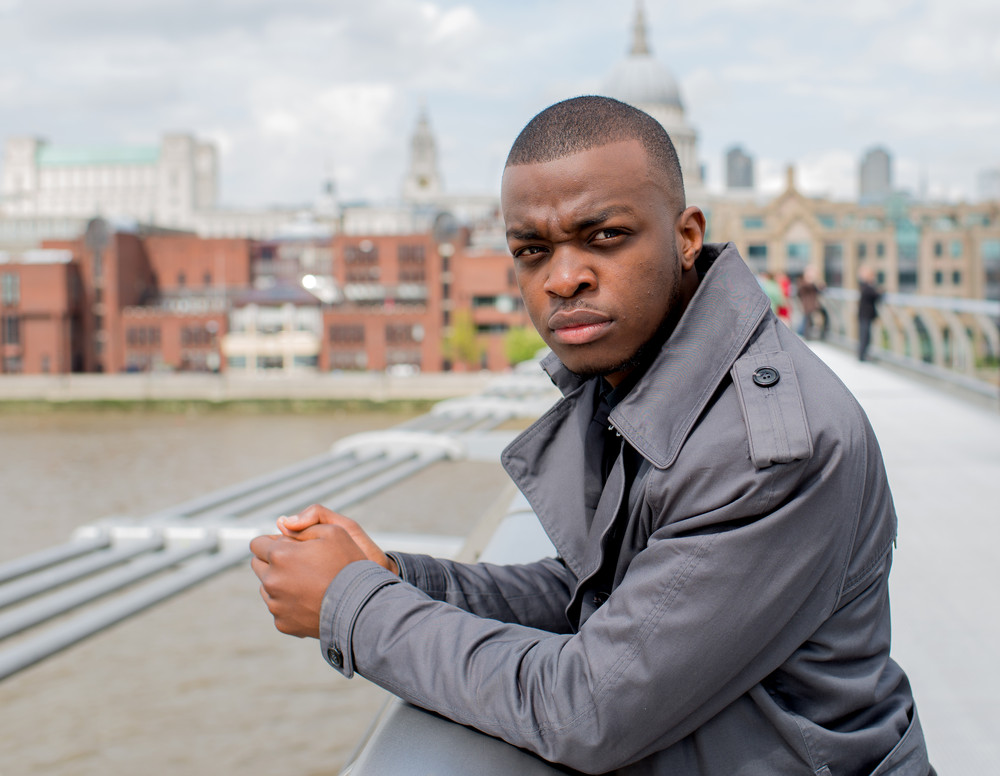
George The Poet
Slam Poetry
Post-Dubstep
2
/5
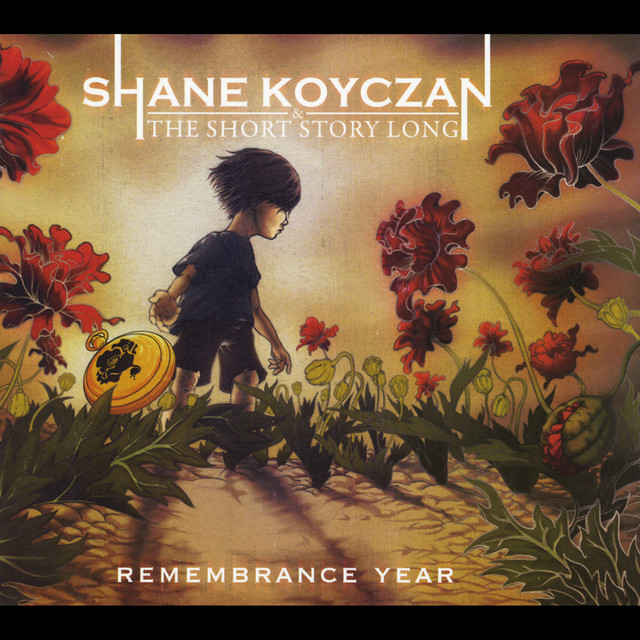
Shane Koyczan and the Short Story Long
Slam Poetry
Spoken Word
Download our mobile app
Get the Melodigging app and start digging for new genres on the go
Download on the App Store
Get it on Google Play
© 2026 Melodigging
Give feedback
Legal
Melodding was created as a tribute to
Every Noise at Once
, which inspired us to help curious minds keep digging into music's ever-evolving genres.