Genres
Artists
Albums
Make Music
Sign in
Sign in
Artists
Slam Poetry
Artists
Slam Poetry
Listener
2010–2018
·
3 albums
Listen
2
/5
Genres
Post-Post-Hardcore
Post-post-hardcore is a polished, third-wave offshoot of post-hardcore that crystallized in the 2010s. It fuses the genre’s emotive, dynamic vocals and tension-release structures with modern pop hooks, electronic programming, and metalcore heft. Compared with classic post-hardcore, it favors glossy production, radio-leaning choruses, and hybridized textures—think syncopated djent-lite riffs under bright synths, EDM-style risers and drops, half-time breakdowns, and call-and-response vocals (screamed versus soaring cleans). The result is an accessible yet intense sound that thrives in the internet era of playlists, YouTube covers, and scene cross-pollination.
Discover
Listen
Abstract Hip Hop
Abstract hip hop is a deliberately experimental, left-field branch of hip hop that emphasizes mood, texture, and unconventional structures over radio-oriented hooks. Beats are often off-kilter, skeletal, or rhythmically unstable, with heavy use of negative space, collage-like sampling, noise, and ambient wash. Production draws from IDM, illbient, trip hop, and dub, favoring granular edits, tape hiss, vinyl crackle, and detuned or atonal timbres. Vocals, when present, lean toward stream‑of‑consciousness poetics, surreal imagery, dense internal rhyme, and non-linear narrative, frequently eschewing traditional verse–chorus formats. The result is a challenging but evocative sound world—introspective, cinematic, and sometimes abrasive—that reshaped the possibilities of underground hip hop in the late 1990s and 2000s.
Discover
Listen
Slam Poetry
Slam poetry is a performance-centered form of spoken word in which poets deliver original work on stage, often in a competitive setting judged by the audience. Pieces are written to be heard rather than read, emphasizing voice, cadence, pacing, and the emotional arc of a live performance. Originating in Chicago in the mid-1980s, slam poetry draws on open-mic culture, beat-era readings, jazz-inflected recitation, dub poetry’s political urgency, and hip hop’s rhythmic and rhetorical power. Typical slams limit poems to about three minutes, forbid props and costumes, and prize immediacy, clarity, and audience connection. Themes frequently include identity, social justice, intimacy, humor, and personal testimony.
Discover
Listen
Alternative Rock
Alternative rock is a broad umbrella for guitar-based rock that emerged from the independent and college-radio scenes as a counterpoint to mainstream, commercial rock. It blends the energy and ethos of punk with the textural and songwriting experiments of post-punk, new wave, jangle pop, and noise rock, often foregrounding introspective or socially aware lyrics. Across its many strains—from the melodic minimalism of college rock to the loud-quiet-loud dynamics of grunge and the artful experimentation of Radiohead-era modernism—alternative rock prioritizes authenticity, sonic individuality, and a do-it-yourself approach. Its sound ranges from chiming, chorus-laden clean guitars to abrasive distortion and feedback, supported by straightforward rock rhythms or off-kilter grooves, and production that can be either raw and live-sounding or polished yet unconventional.
Discover
Listen
Emo
Emo is a rock subgenre that emerged from the mid-1980s Washington, D.C. hardcore punk scene as “emotional hardcore” (often shortened to emocore). It retains punk’s urgency but foregrounds confessional, vulnerable lyrics and dramatic dynamic shifts. Across its eras, emo has encompassed several distinct sounds: the intense, cathartic D.C. style; the melodic, guitar‑intricate “Midwest emo” of the 1990s; and the 2000s mainstream wave that blended emo’s lyrical candor with pop‑punk hooks (often called “emo pop”). Common musical traits include intertwining clean and overdriven guitars, intricate arpeggios and counter‑melodies, elastic song structures, and vocals that range from intimate murmurs to raw, impassioned shouts.
Discover
Listen
Indie Rock
Indie rock is a subgenre of rock and a branch of alternative rock that coalesced in the early–mid 1980s around independent labels and DIY practices in the United Kingdom, the United States, and New Zealand. Defined less by a single sound than by an ethos, indie rock favors non‑mainstream approaches, self‑recording and small‑label distribution, and an interest in pop‑informed melody and eclectic experimentation. Hallmarks include jangly or fuzzed guitars, intimate or deadpan vocals, off‑kilter song structures, and production that often preserves a raw, “authentic” feel rather than glossy studio polish.
Discover
Listen
Punk Poetry
Punk poetry is a spoken-word-centered offshoot of the punk movement that combines the directness, speed, and DIY ethos of punk rock with the cadence and performance of poetry. It privileges raw delivery, everyday language, dark humor, and political candor over ornate metaphor or academic formality. Typically performed in clubs, squats, and punk venues, punk poetry leans on minimalist musical backing—if any at all—so the voice stays at the center. Its texts often tackle class realities, urban life, social alienation, anti-authoritarian critique, and sardonic wit, channeling the punk insistence on saying things plainly and urgently.
Discover
Listen
Spoken Word
Spoken word is a performance-centered genre where text—poems, monologues, stories, or manifestos—is delivered aloud with musicality in voice rather than through singing. It may be entirely a cappella or accompanied by sparse instrumentation (often jazz combos, ambient textures, or minimal electronics) that frames the cadence and rhetoric of the performer. The emphasis is on language: prosody, pacing, imagery, and argument. Pieces often explore personal narratives, social critique, and political themes, drawing on techniques such as internal rhyme, alliteration, and repetition. While recordings exist, the tradition is fundamentally live, prioritizing immediacy, audience engagement, and oratorical presence.
Discover
Listen
Rock
Rock is a broad family of popular music centered on amplified instruments, a strong backbeat, and song forms that foreground riffs, choruses, and anthemic hooks. Emerging from mid‑20th‑century American styles like rhythm & blues, country, and gospel-inflected rock and roll, rock quickly expanded in scope—absorbing folk, blues, and psychedelic ideas—while shaping global youth culture. Core sonic markers include electric guitar (often overdriven), electric bass, drum kit emphasizing beats 2 and 4, and emotive lead vocals. Rock songs commonly use verse–chorus structures, blues-derived harmony, and memorable melodic motifs, ranging from intimate ballads to high‑energy, stadium‑sized performances.
Discover
Listen
Poetry
Poetry (as a recorded genre) centers on the spoken or performed recitation of verse, foregrounding voice, diction, rhythm, and imagery over conventional song structure. Performances may be entirely unaccompanied or framed by sparse accompaniment such as piano, strings, jazz combos, drones, or subtle sound design. Unlike broader spoken word, which can include storytelling, monologues, and comedy, poetry recordings focus on literary verse—metered, rhymed, or free—delivered with attention to prosody and poetic form. Releases range from archival readings by canonical poets to contemporary performance sets recorded in studios, classrooms, libraries, and clubs. The listening experience often emphasizes intimacy and textual clarity: microphones capture breath, cadence, and silence, while arrangements (if any) remain secondary to the poem’s language and pacing.
Discover
Listen
Non-Music
Non-music is an umbrella category for recorded audio whose primary purpose is not musical performance. It encompasses spoken word, speeches, interviews, poetry readings, comedy, audio documentaries, instructional recordings, field recordings, sound effects, and other forms of organized sound meant to inform, narrate, document, or entertain without relying on melody or conventional song structure. Rather than emphasizing harmony, rhythm, and instrumentation, non-music foregrounds voice, text, ambient sound, narrative flow, informational content, and sonic texture. Its aesthetics range from raw, unedited actuality to highly produced studio works, and its scope spans archival preservation, education, performance art, and mass entertainment.
Discover
Listen
Show all 11 genres
Albums
2018
2
/5
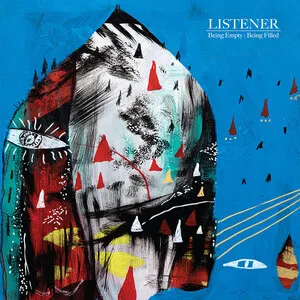
Being Empty : Being Filled
Listener
Punk Poetry
Alternative Rock
Rock
2013
1
/5
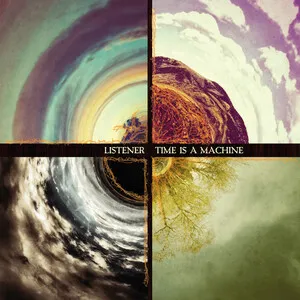
Time Is a Machine
Listener
Punk Poetry
Non-Music
Rock
2010
2
/5
Wooden Heart
Listener
Punk Poetry
Slam Poetry
Similar artists
3
/5
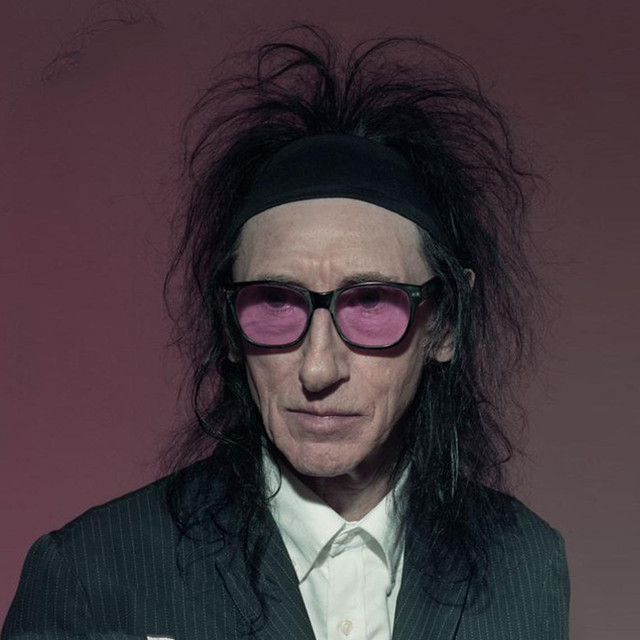
John Cooper Clarke
Spoken Word
Slam Poetry
Punk Poetry
2
/5
Swietliki
Spoken Word
Poetry
Punk Poetry
3
/5
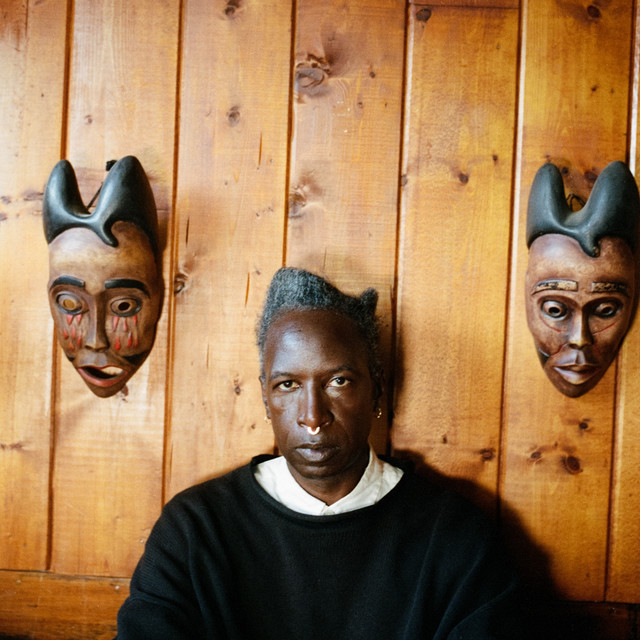
Saul Williams
Slam Poetry
Industrial Hip Hop
Alternative Hip Hop
1
/5
Various Artists
Afro-Funk
Alternative Rock
Ambient
5
/5
Metallica
Heavy Metal
Metal
Old School Thrash
5
/5
David Bowie
Art Rock
Rock
Glam Rock
2
/5
William Shatner
Spoken Word
Alternative Rock
Outsider
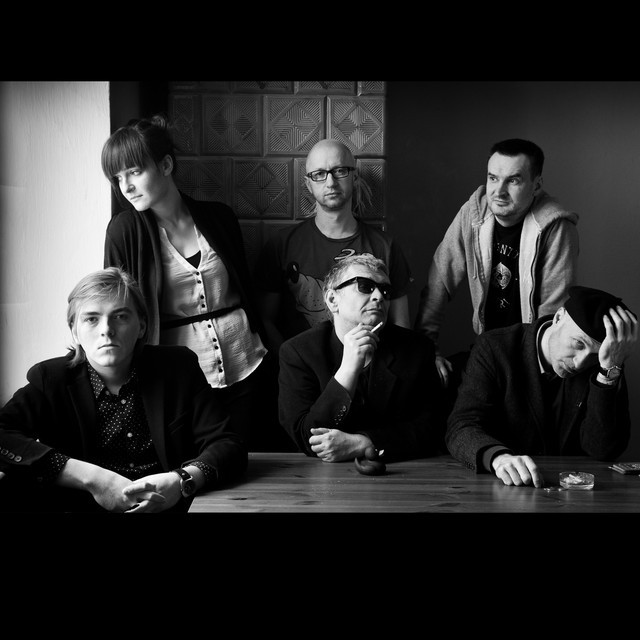
Świetliki
Alternative Rock
Poetry
Pop
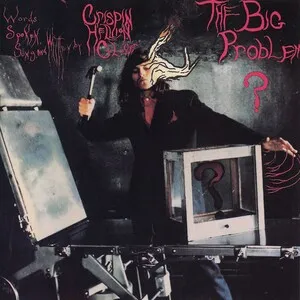
Glover, Crispin Hellion
Alternative Rock
Musical Theatre And Entertainment
Rock
3
/5
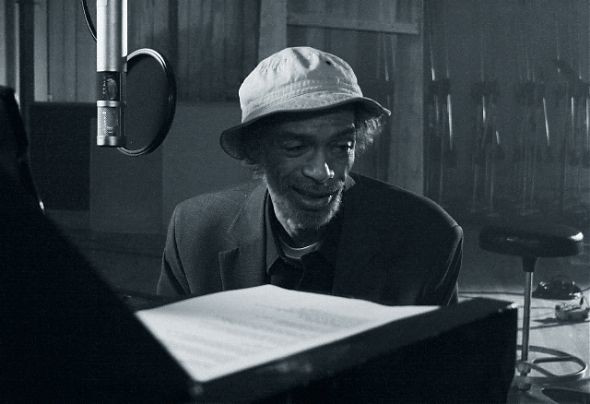
Gil Scott-Heron
Slam Poetry
Spoken Word
Jazz-Funk
Download our mobile app
Get the Melodigging app and start digging for new genres on the go
Download on the App Store
Get it on Google Play
© 2026 Melodigging
Give feedback
Legal
Melodding was created as a tribute to
Every Noise at Once
, which inspired us to help curious minds keep digging into music's ever-evolving genres.