Genres
Artists
Albums
Make Music
Sign in
Sign in
Artists
Gen Z Singer-Songwriter
Artists
Gen Z Singer-Songwriter
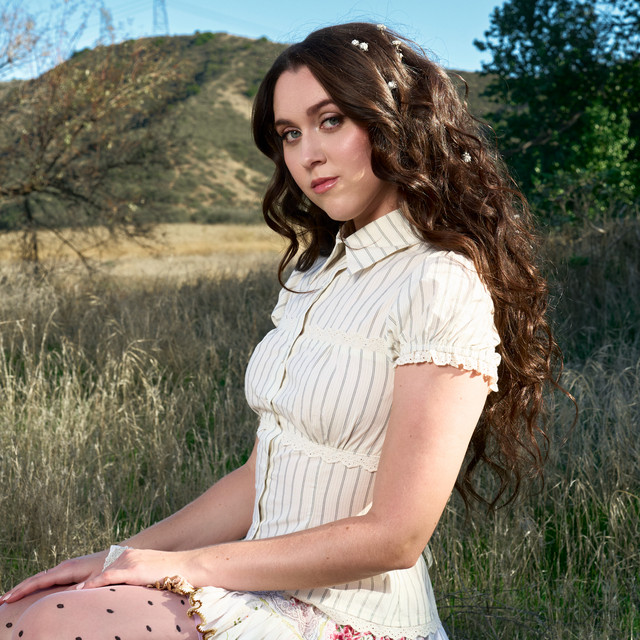
Em Beihold
2022
·
2 albums
Listen
4
/5
Genres
Dungeon Rap
Dungeon rap is a dark, internet-born microgenre that fuses the gloomy, medieval-fantasy atmospheres of dungeon synth with the rhythms, vocal cadences, and low‑end of underground trap and Memphis-influenced rap. Its sound is defined by lo-fi, reverb-soaked synth pads, organ or choir timbres, modal or minor-key melodies reminiscent of dungeon synth, and skeletal 808-driven drum patterns. Vocals (when present) are typically pitched-down, whispered, or deadpan, often dealing with occult, fantasy, and horror imagery. Producers frequently sample retro RPG soundtracks, black metal-adjacent ambient passages, or cassette-era dungeon synth, then anchor them with trunk-rattling subs and crispy hi-hat rolls. The genre coalesced online at the turn of the 2020s through Bandcamp/YouTube scenes and boutique labels, crystallizing a distinct aesthetic that feels equal parts crypt-ambient and street-level rap.
Discover
Listen
Stutter House
Stutter house is a contemporary house microgenre defined by the percussive use of chopped and rapidly re-triggered vocal fragments that “stutter” rhythmically over a four-on-the-floor groove. Producers slice a short vocal phrase into tiny grains (often 1/8–1/32 notes), gate or retrigger them in syncopated patterns, and then pitch-, formant-, or time-shift the pieces to create a hook that functions as both melody and rhythm. The style typically runs at 124–130 BPM, pairs a tight, sidechained low-end with crisp tech house drums, and relies on minimalist arrangement so the stuttering vocal lead remains the focal point. It borrows the tactile, loop-centric immediacy of tech house and the glitchy ear-candy of modern EDM while keeping club mixing and dancefloor momentum in mind.
Discover
Listen
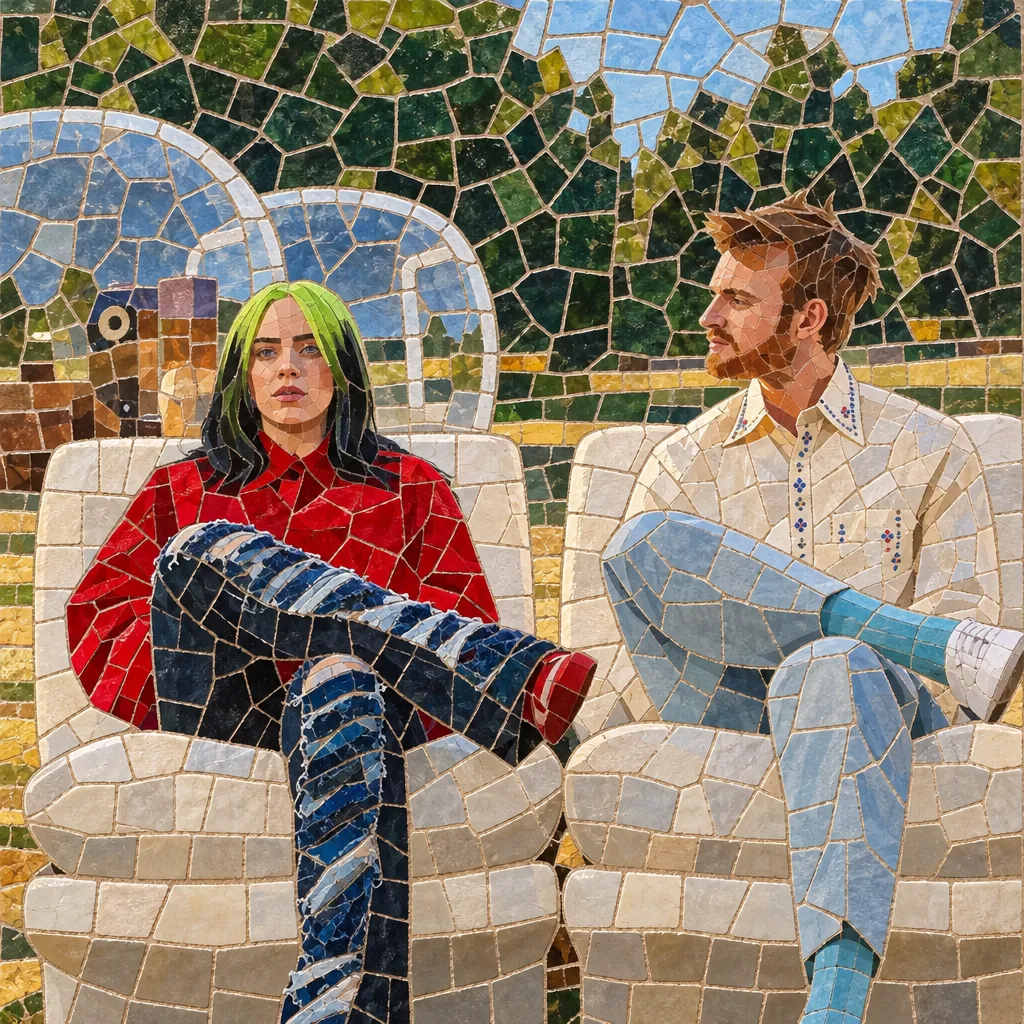
Gen Z Singer-Songwriter
Gen Z singer-songwriter is a contemporary, internet-native take on the confessional singer-songwriter tradition, shaped by DIY tools and social media discovery. It blends acoustic guitar or piano-led writing with bedroom-pop textures, soft indie-pop hooks, and alt-pop sound design. The style favors close-mic, conversational vocals; diaristic lyrics about coming-of-age, mental health, identity, and digital-era relationships; and compact song lengths optimized for streaming and short‑form video. Production often juxtaposes intimate, lo‑fi edges (room noise, gentle compression, airy reverb) with modern pop polish (subtle 808s, minimal beats, and tasteful synth pads).
Discover
Listen
Alt Z
Alt Z is a streaming-era microgenre of alternative pop associated with Gen Z aesthetics: intimate vocals, moody atmospheres, and glossy-yet-lo-fi electronic production. It fuses indie pop songwriting with electropop sheen, bedroom-pop intimacy, and soft trap/hip-hop inflected drums. The result is a polished but personal sound—breathy leads, subtle harmonies, textural synths, 808-style low end, and restrained guitar or piano motifs. Lyrically, Alt Z tends to be introspective and diaristic, dealing with anxiety, identity, romance, and internet-age coming-of-age themes. It is less about scene-based bands and more about internet-native artists whose careers grew through playlists, algorithms, and social platforms.
Discover
Listen
Dark Pop
Dark pop is a moody, minor‑key strain of pop that blends the hooks and structure of mainstream pop with the shadowy timbres of dark wave, trip hop, and alternative electronic music. It favors intimate, close‑mic vocals, cinematic ambience, and lyrics that explore vulnerability, power, and the unsettling edges of modern life. Production often leans on sub‑bass, sparse trap‑influenced drums, and glossy yet ominous synths, creating a high‑contrast sound that feels both confessional and theatrical. While radio‑friendly in form, dark pop emphasizes tension over euphoria: melodies linger in lower registers, harmonies use modal mixture, and textures deploy reverb, distortion, and sound‑design flourishes to evoke unease and melancholy.
Discover
Listen
Melancholia
Melancholia is an internet-era microgenre centered on soft-focus, sorrow-tinged pop and indie songs that foreground intimacy, space, and emotional candor. Tracks are typically slow to mid‑tempo, sung in a close, almost confessional register, and framed by sparse, reverb‑soaked textures. Sonically it lives between dream pop, bedroom pop, and slowcore: shimmering guitars or wistful synth pads drift over understated beats; piano, acoustic guitar, and low‑key electronic drums carry muted, pulsing grooves. Harmonies often favor minor keys, suspended chords, and gentle extensions (7ths/9ths) that heighten a bittersweet glow. Lyrically, melancholia lingers on solitude, late‑night self‑reflection, breakups, and fragile hope. The genre coalesced through streaming playlists and social media, where its hush, negative space, and diaristic tone translate into a cohesive, instantly recognizable mood.
Discover
Listen
Writing
Writing is a functional, streaming-era microgenre designed to support reading and writing by providing an unobtrusive sonic backdrop. It favors gentle dynamics, sparse textures, and a stable emotional temperature that reduces distraction while maintaining a subtle sense of flow. The sound palette commonly blends modern classical elements (felt piano, light strings), ambient pads and drones, soft post-rock guitars with long reverb tails, and understated downtempo or lo-fi rhythms. Tempos are typically slow to moderate (often 60–90 BPM) or pulse-free, with simple, repetitive motifs and gradual evolution rather than dramatic contrasts. Harmonically, it leans on consonant, slowly changing chords, modal centers, and extended triads for warmth, avoiding sharp dissonance or sudden modulations. Vocals, when present at all, are wordless; most tracks are instrumental to preserve focus.
Discover
Listen
Bossbeat
Bossbeat is an internet‑born, high‑octane branch of EDM tailored to evoke the intensity of a video‑game “boss fight.” Producers fuse modern dubstep and trap sound design with melodic, leitmotif‑driven writing borrowed from video game music and film scoring, aiming for cinematic build‑ups and explosive, riff‑like drops. Characteristic features include minor‑key motifs, fast and syncopated percussion, halftime switch‑ups, aggressive bass design (growls, reeses, metallic FM), and hybrid orchestral layers (brass stabs, choirs, epic drums). The result is music that feels both dance‑floor ready and narratively dramatic—perfect for action montages, game content, and creator culture.
Discover
Listen
Deep Deep House
Deep deep house is a late-evolution branch of deep house that emphasizes warmth, space, and subtlety over overt hooks or peak-time energy. Compared with classic deep house, it leans even more toward minimal, dub-inflected textures, extended harmonies, and long atmospheric tails. Tracks typically feature understated yet weighty low end, soft Rhodes or pad chords rich in 7ths/9ths, lightly swung percussion, and carefully sculpted ambience. The mood is intimate and immersive—club music that invites close listening as much as dancing—often suited to small rooms, lounges, after-hours sets, and sunset/sunrise moments.
Discover
Listen
Deep Euro House
Deep Euro House is a European-bred, melodically rich branch of deep house that blends club-ready four‑on‑the‑floor grooves with warm, emotive sound design and pop-aware songcraft. It favors lush pads, silky basslines, soft piano or guitar stabs, and subtly processed vocals, often in minor keys with bittersweet chord changes. Compared with classic Chicago deep house, Deep Euro House leans more cinematic and refined: filtered synth swells, sidechained textures, airy reverbs, and clean, modern low end. Tempos typically sit around 118–124 BPM, with grooves that feel unhurried yet propulsive—equally at home on late-night dancefloors and in headphone listening. The "Euro" aspect reflects not only its geography (Germany, Switzerland, France, the Netherlands, Austria, Belgium) but also a melodic sensibility shaped by European club culture, indie electronica, and Balearic moods: wistful, romantic, and polished without losing house’s foundational swing.
Discover
Listen
Fake
“Fake” is an informal, streaming-era genre tag used for sound‑alike covers, karaoke takes, tribute recordings, and generic instrumental remakes that closely mimic current or classic hits. Rather than foregrounding the original songwriter’s concept, these recordings prioritize recognizability, search optimization, and fast turnaround. Session singers and studio players reproduce the hook, tempo, and arrangement with minimal reinterpretation; track and artist names often echo the original title or lyrical catchphrase to capture search traffic.
Discover
Listen
Jungle Terror
Jungle terror is a high-impact festival style of electronic dance music that fuses the punch of big-room and electro house with hyper-percussive, "tribal" drum programming. Rather than relying on massive supersaw leads, it centers on toms, congas, wooden blocks, clacks, and animalistic shouts that drive the drop. Typically around 128–135 BPM, its arrangements emphasize tension-and-release: long risers, vocal calls, and cinematic breaks snap into sparse, tom-led drops with heavy sub-kicks and syncopated patterns. The overall aesthetic is wild, raw, and rhythmic—designed for large dancefloors and open-air festival stages.
Discover
Listen
Dakke Dak
Dakke Dak (also spelled Dakkedak) is a Danish electronic dance music subgenre and slang term that emerged as a distinct cultural phenomenon in the 2010s. Musically, it is a high-energy fusion of various hard dance styles, primarily drawing from Psytrance, Hardstyle, Melbourne Bounce, and Hands Up techno. The name is an onomatopoeia mimicking the rapid, pounding "dak-dak-dak" sound of the heavy basslines and kick drums characteristic of the genre. It is strongly associated with provincial Danish youth culture, "tramper" (stomping) dance styles, car audio culture, and parties in rural or suburban areas. The lyrics are almost exclusively in Danish, often humorous, hedonistic, and centered around drinking, partying, and local identity.
Discover
Listen
Pianissimo
Pianissimo is a contemporary micro‑genre centered on very soft, intimate piano music designed for calm focus, rest, and reflection. It borrows the classical dynamic marking “pp” (very soft) as an aesthetic principle: close‑miked, felt‑damped pianos, sparse harmonies, slow tempos, and generous ambience. Emerging alongside the streaming era’s focus/sleep/reading playlists, the style sits between post‑classical minimalism and ambient music. Pieces are typically short miniatures, diatonic and melodic, with unobtrusive movement—music that can live comfortably in the background yet rewards attentive listening. Occasional cello or soft strings, subtle tape hiss, and long reverbs are common textural companions. Historically it traces a line from Satie’s quiet piano idiom and the American minimalist school to the 2000s–2010s “neo‑classical” wave (Einaudi, Frahm, Arnalds), but with an explicitly hushed, domestic sound that foregrounds tenderness, space, and restraint.
Discover
Listen
Pov: Indie
"pov: indie" is a social-media-native microstyle built around short, cinematic indie-pop/indie-rock snippets designed to accompany a first-person (POV) narrative. Instead of being defined by a single new musical technique, it is defined by context: the music is chosen or written to feel like the soundtrack to a specific moment (a crush, a late-night walk, moving to a new city, seasonal nostalgia). Sonically it typically uses bright but soft guitars or synths, intimate vocals, simple memorable hooks, and production that reads clearly on phone speakers. The emotional tone is often wistful, tender, and “coming-of-age,” with lyrics that can be understood quickly in a 10–30 second clip.
Discover
Listen
Singer-Songwriter
Singer-songwriter is a song-focused style in which the same person writes, composes, and performs their own material, often accompanying themselves on acoustic guitar or piano. It emphasizes personal voice, lyrical intimacy, and storytelling over elaborate production. Arrangements are typically sparse, allowing the melody, words, and performance nuance to carry the song’s emotional weight. While rooted in folk and blues traditions, singer-songwriter embraces pop and rock songcraft, producing works that can range from quiet confessional ballads to subtly orchestrated, radio-ready pieces.
Discover
Listen
Pop
Pop is a broad, hook-driven style of popular music designed for wide appeal. It emphasizes memorable melodies, concise song structures, polished vocals, and production intended for radio, charts, and mass media. While pop continually absorbs elements from other styles, its core remains singable choruses, accessible harmonies, and rhythmic clarity. Typical forms include verse–pre-chorus–chorus, frequent use of bridges and middle-eights, and ear-catching intros and outros. Pop is not defined by a single instrumentation. It flexibly incorporates acoustic and electric instruments, drum machines, synthesizers, and increasingly digital production techniques, always in service of the song and the hook.
Discover
Listen
Teen Pop
Teen pop is mainstream pop music tailored primarily to adolescent audiences, emphasizing catchy melodies, simple and relatable lyrics, and a polished, radio-ready sound. Sonically, it blends elements of dance-pop, R&B, bubblegum pop, and pop rock: bright synths or clean guitars, steady danceable beats, stacked vocal harmonies, and memorable hooks designed for quick recall. Lyrical themes center on first love, friendship, self-expression, school life, and empowerment, usually expressed in upbeat, optimistic terms. Visual presentation and choreography often play a large role, with acts marketed as relatable idols—frequently in the form of boy bands or girl groups. Arrangements commonly use verse–pre-chorus–chorus forms, key changes in the final chorus, and concise runtimes. The result is accessible, hook-driven pop that connects quickly with listeners and translates well to television, music video, and social media formats.
Discover
Listen
Show all 18 genres
Albums
2022
4
/5
Numb Little Bug (Piano Version)
Em Beihold
Gen Z Singer-Songwriter
2022
4
/5
Numb Little Bug
Em Beihold
Gen Z Singer-Songwriter
Alt Z
Pop
Similar artists
4
/5
Faouzia
Alt Z
Covertronica
Dark Pop
4
/5
Nessa Barrett
Social Media Pop
Alt Z
Bedroom R&b
5
/5
Gracie Abrams
Pop
Alt Z
Chill Pop
5
/5
Melanie Martinez
Electropop
Pop
Dark Pop
5
/5
Ashe
Pop
Alt Z
Rock
4
/5
Au/Ra
Deep Pop Edm
Pop
Alt Z
3
/5
King Princess
Nyc Pop
Indie Pop
Dance
5
/5
The Weeknd
Contemporary R&b
Alternative R&b
Pop
5
/5
Ariana Grande
Pop
Contemporary R&b
Trap Soul
5
/5
Lana Del Rey
Art Pop
Pop
Alternative Pop
Download our mobile app
Get the Melodigging app and start digging for new genres on the go
Download on the App Store
Get it on Google Play
© 2026 Melodigging
Give feedback
Legal
Melodding was created as a tribute to
Every Noise at Once
, which inspired us to help curious minds keep digging into music's ever-evolving genres.