Genres
Artists
Albums
Make Music
Sign in
Sign in
Artists
Classical
Artists
Classical
Diakogiorgis, Tasos
Listen
Genres
Santoor
Santoor music centers around the santoor, a trapezoid-shaped hammered dulcimer made of walnut wood, originally from the Kashmir valley. It is characterized by its ethereal, resonant, and water-like sound quality, produced by striking strings with lightweight wooden mallets called 'kalams' or 'mezrabs'. Traditionally an accompanying instrument in Kashmiri Sufiana Mausiqi, it was adapted for Hindustani classical solo performance, featuring complex melodic improvisations (alap), rhythmic compositions (gat), and the unique use of gliding techniques (meend) to mimic the human voice.
Discover
Listen
Folk
Folk is a song-centered acoustic tradition rooted in community storytelling, everyday life, and social history. It emphasizes clear melodies, simple harmonies, and lyrics that foreground narrative, protest, and personal testimony. As a modern recorded genre, folk coalesced in the early-to-mid 20th century in the United States out of older ballad, work song, and rural dance traditions. It typically features acoustic instruments (guitar, banjo, fiddle, mandolin, harmonica), strophic song forms, and participatory singing (choruses, call-and-response).
Discover
Listen
Santur
Santur refers to music centered on the santur (or santoor), a trapezoidal hammered dulcimer whose strings are struck with light wooden mallets. Originating in Persia (modern Iran), the instrument spread through Mesopotamia and the wider Middle East, later inspiring related dulcimers across Europe and Asia. In Iranian classical music, the santur is tuned to the modal dastgāh system and features shimmering tremolos (riz), delicate grace notes, and agile, dance-like passages (especially in chahārmezrāb and reng). In Iraq and the Levant it participates in maqām traditions, while in the Indian subcontinent—especially through the Kashmiri santoor—it was adapted to the Hindustani raga system and re-engineered with more strings and different bridges for sustained melodic development. The timbre is glassy and bell-like but warm, capable of luminous arpeggios, rippling rolls, sharply articulated rhythms, and intricate ornamentation. Modern performers also bring the santur into jazz, film music, pop, and electronic fusion.
Discover
Listen
Classical
Classical music is the notated art-music tradition of Europe and its global descendants, characterized by durable forms, carefully codified harmony and counterpoint, and a literate score-based practice. The term “classical” can refer broadly to the entire Western art-music lineage from the Medieval era to today, not just the Classical period (c. 1750s–1820s). It privileges long-form structures (such as symphonies, sonatas, concertos, masses, and operas), functional or modal harmony, thematic development, and timbral nuance across ensembles ranging from solo instruments to full orchestras and choirs. Across centuries, the style evolved from chant and modal polyphony to tonal harmony, and later to post-tonal idioms, while maintaining a shared emphasis on written notation, performance practice, and craft.
Discover
Listen
Similar artists
4
/5
Traditional
Gregorian Chant
Classical
Spanish Classical Music
1
/5
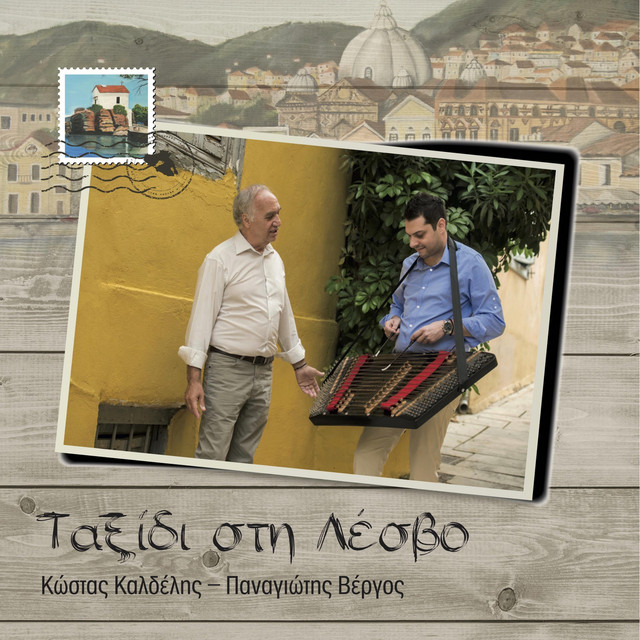
Παναγιώτης Βέργος
Éntekhno
Laiko
Folk
5
/5
Disney
Comedy
Show Tunes
Wrestling
5
/5
A.R. Rahman
Bollywood
Filmi
Sufi
5
/5
Phoebe Bridgers
Indie Pop
Folk
Indie Folk
5
/5
Hans Zimmer
Score
Soundtrack
Classical
4
/5
Ludovico Einaudi
Classical
Contemporary Classical
Compositional Ambient
4
/5
Enya
Celtic
Gregorian Dance
New Age
4
/5
Johnny Cash
Country
Americana
Country Gospel
4
/5
Sufjan Stevens
Indie Folk
Chamber Pop
Indie Rock
Download our mobile app
Get the Melodigging app and start digging for new genres on the go
Download on the App Store
Get it on Google Play
© 2026 Melodigging
Give feedback
Legal
Melodding was created as a tribute to
Every Noise at Once
, which inspired us to help curious minds keep digging into music's ever-evolving genres.