Genres
Artists
Albums
Make Music
Sign in
Sign in
Artists
Digital Cumbia
Artists
Digital Cumbia
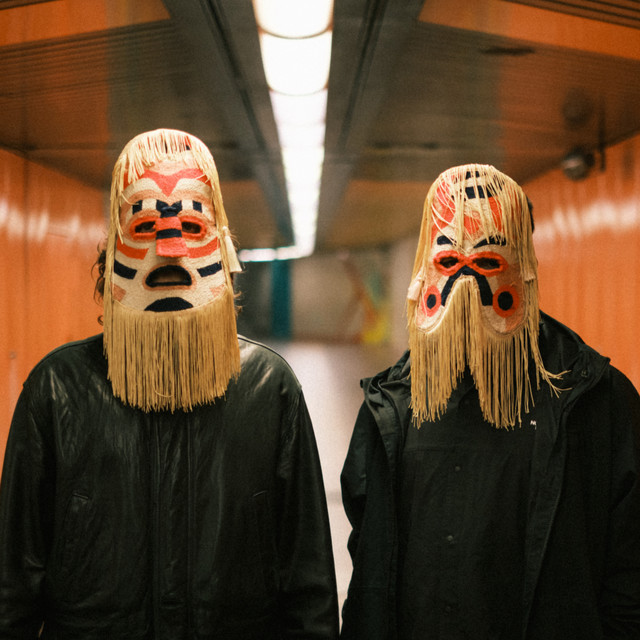
Dengue Dengue Dengue
2012–2019
·
3 albums
Listen
2
/5
Genres
Lo-Fi Latino
Lo-fi latino is a niche within lo-fi beat culture that blends the warm, imperfect aesthetics of lo-fi production (tape hiss, vinyl crackle, softened transients, and “bedroom” mixing) with Latin musical signifiers. It commonly features Latin percussion patterns (e.g., clave-derived syncopations), acoustic guitars, piano montunos, bolero/bossa-inspired harmonies, and samples or melodic motifs associated with Latin popular and Afro-Latin traditions. The genre is largely internet-native, built for background listening (study, late-night, cafes), while still retaining subtle groove and dance ancestry from Latin rhythms.
Discover
Listen
Organic Electronic
Organic electronic is a downtempo, groove‑driven branch of electronic music that blends acoustic and world instruments with modern production. Typically sitting around 100–115 BPM, it favors hand percussion, mallets, strings, winds, and field recordings over hard-edged drum machines. The result is a warm, tactile sound where shakers, frame drums, and ethnic instruments (such as oud, kora, saz, flutes, or kalimba) weave through gentle synth pads and understated basslines. Melodic language often leans on modal colors (Dorian, Phrygian, Mixolydian) and drone‑like sustains, creating a hypnotic, earthy atmosphere. Born from bohemian club culture and outdoor gatherings, the style emphasizes long, evolving arrangements, subtle crescendos, and humanized timing—music equally at home on intimate dancefloors, sunset sets, and mindful listening contexts.
Discover
Listen
Hard Drum
Hard drum is a UK-born strain of percussive club music that foregrounds heavy, syncopated drums, sharp transients, and minimal melodic content. Tracks often function as DJ tools: skeletal, high-impact, and designed to generate momentum and tension on the dancefloor. Drawing on UK funky’s swing, grime’s sound-design bite, and Afro-diasporic rhythms (kuduro, batida, gqom), hard drum emphasizes tuned toms, metallic hits, hand percussion, and sub-weighted kicks over sustained chords or vocal leads. The result is a stark, propulsive style that prizes polyrhythms, negative space, and sudden drops as its main dramatic devices.
Discover
Listen
Digital Cumbia
Digital cumbia (often called nu cumbia) is a contemporary, electronically produced reinterpretation of traditional cumbia from Colombia and its many regional offshoots across Latin America. Producers sample or re-record classic cumbia elements—guacharaca scrapes, accordion riffs, woodwinds, and tumbao-style basslines—and set them against modern electronic frameworks such as downtempo, house, hip hop, dub, and dancehall. The result is a mid‑tempo, bass-forward sound (typically around 85–110 BPM) that balances folkloric groove with club-ready synthesis, creative sampling, and spacious dub effects. The scene first cohered in Buenos Aires club nights and netlabels before spreading across Latin America and diasporic hubs, becoming a key pillar of the broader “global bass” movement. Its aesthetics often embrace psychedelic textures, Andean timbres, and sound design techniques that feel both earthy and futuristic.
Discover
Listen
Electrocumbia
Electrocumbia (often called digital cumbia or nu-cumbia) is a contemporary, electronic reinterpretation of traditional cumbia. It merges cumbia’s signature off‑beat percussion, guacharaca/güiro textures, and tumbao bass with modern production elements such as synthesizers, drum machines, sampling, and dub-style effects. While rooted in Colombian cumbia, the style took shape across Latin America—especially within Buenos Aires’ club scene—where producers fused folkloric rhythms with downtempo, house, hip hop, and dub aesthetics. The result is a sound that can be both hypnotic and dance‑forward, oscillating between dreamy, psychedelic atmospheres and gritty, bass‑heavy grooves.
Discover
Listen
Nu-Cumbia
Nu-cumbia is a 21st‑century, electronic reimagining of classic cumbia that blends Colombian and pan–Latin rhythms with contemporary production techniques. Typically mid‑tempo (about 85–105 BPM), it keeps the genre’s swaying 2/4 groove, guacharaca and hand‑drum patterns, and tumbao‑style bass, while layering hip‑hop sampling, dub delays, filtered synths, and atmospheric sound design. Producers often sample or re-record traditional instrumentation—accordion, gaita flutes, charango, guitar, and percussion—and place it inside modern beat frameworks. The result feels both rootsy and futuristic: nostalgic melodic motifs and folkloric textures ride alongside punchy kicks, sub‑bass, and detailed FX, making nu‑cumbia equally at home in clubs, headphones, and festival stages.
Discover
Listen
Electronica
Electronica is a broad, largely 1990s umbrella term for a spectrum of electronic music crafted as much for immersive, album‑oriented listening as for clubs and raves. It gathers elements from techno, house, ambient, breakbeat, IDM, and hip hop production, emphasizing synthesizers, drum machines, samplers, and studio experimentation. The sound can range from downtempo and atmospheric to hard‑hitting and breakbeat‑driven, but it typically foregrounds sound design, texture, and mood over strict dance‑floor utility. In the mid‑to‑late 1990s the term was used by labels and press—especially in the United States—to market and introduce diverse electronic acts to mainstream rock and pop audiences.
Discover
Listen
Electronic
Electronic is a broad umbrella genre defined by the primary use of electronically generated or electronically processed sound. It encompasses music made with synthesizers, drum machines, samplers, computers, and studio/tape techniques, as well as electroacoustic manipulation of recorded or synthetic sources. The genre ranges from academic and experimental traditions to popular and dance-oriented forms. While its sonic palette is rooted in electricity and circuitry, its aesthetics span minimal and textural explorations, structured song forms, and beat-driven club permutations. Electronic emphasizes sound design, timbre, and studio-as-instrument practices as much as melody and harmony.
Discover
Listen
Cumbia
Cumbia is a syncretic dance-music tradition from Colombia’s Caribbean coast that blends African rhythmic heritage, Indigenous (especially gaita flute) melodic practice, and Spanish colonial instrumentation and forms. Traditionally performed in a moderate 2/4 (often felt in 4/4 today), it features interlocking hand-drum parts (tambora, alegre, llamador), guacharaca or maracas for steady texture, and long cane flutes (gaita hembra and gaita macho) carrying call-and-response melodies. As it spread in the 20th century, orchestras and dance bands added accordion, horns, piano, bass, and later electric guitar and synthesizers, creating urban and pan–Latin American variants. Harmonically simple and rhythm-forward, cumbia places groove, ostinati, and vocal refrains at the center, making it both ceremonial in origin and enduringly popular on social dance floors across the Americas.
Discover
Listen
Show all 9 genres
Albums
2019
1
/5
Zenit & Nadir
Dengue Dengue Dengue
Digital Cumbia
2016
1
/5
Siete Raíces
Dengue Dengue Dengue
Digital Cumbia
2012
2
/5
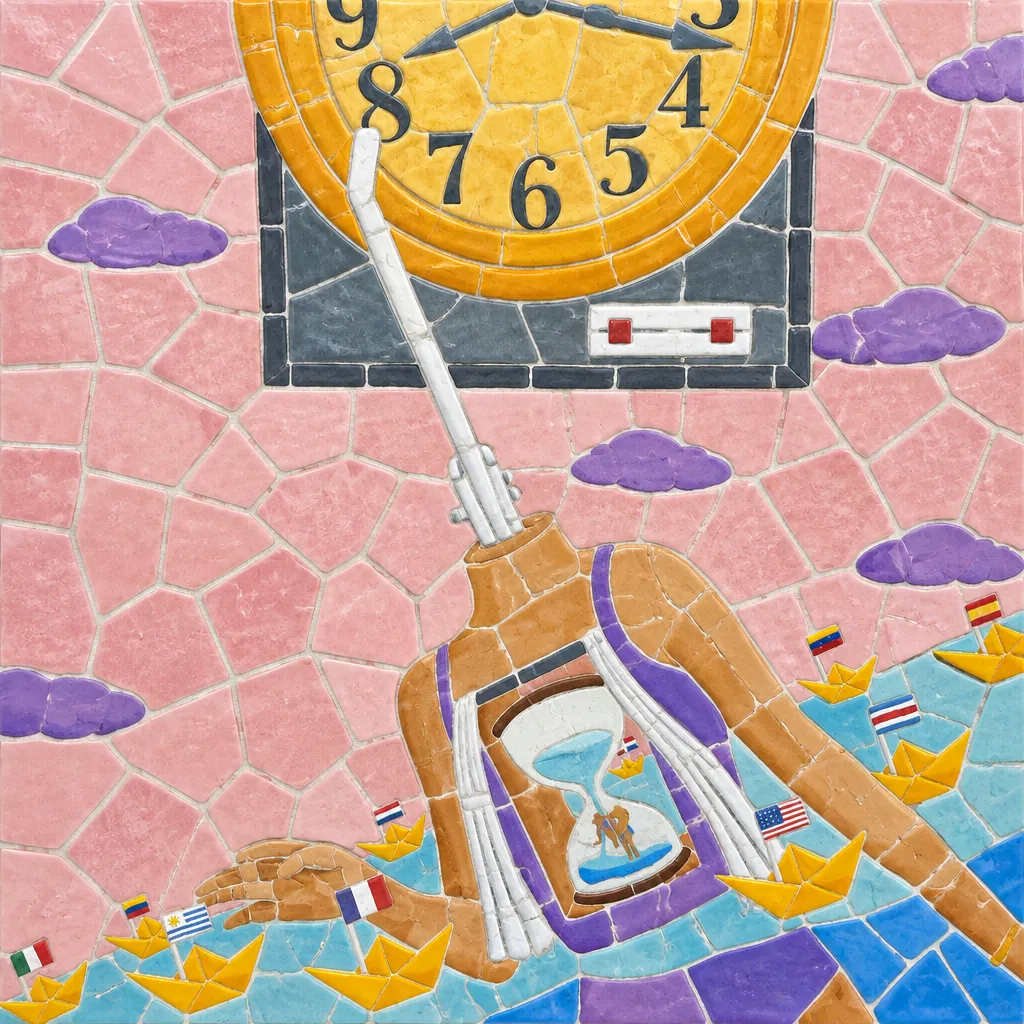
La alianza profana
Dengue Dengue Dengue
Digital Cumbia
Cumbia
Similar artists
3
/5
Chancha Via Circuito
Nu-Cumbia
Digital Cumbia
Electrocumbia
4
/5
Quantic
Electronic
Nu-Cumbia
Downtempo
3
/5
Lagartijeando
Electrocumbia
Nu-Cumbia
Cumbia
3
/5
Nicola Cruz
Downtempo
Electrocumbia
Tulum
3
/5
La Yegros
Nu-Cumbia
Chicha
Digital Cumbia
2
/5
Meridian Brothers
Tropicanibalismo
Cumbia
Digital Cumbia
4
/5
Bomba Estéreo
Cumbia
Digital Cumbia
Electrocumbia
3
/5
Afrosound
Nu-Cumbia
Chicha
Cumbia
3
/5
Los Master Plus
Nu-Cumbia
Cumbia
Electrocumbia
3
/5
Systema Solar
Nu-Cumbia
Champeta
Electrocumbia
Download our mobile app
Get the Melodigging app and start digging for new genres on the go
Download on the App Store
Get it on Google Play
© 2026 Melodigging
Give feedback
Legal
Melodding was created as a tribute to
Every Noise at Once
, which inspired us to help curious minds keep digging into music's ever-evolving genres.