Genres
Artists
Albums
Make Music
Sign in
Sign in
Artists
Nu-Cumbia
Artists
Nu-Cumbia
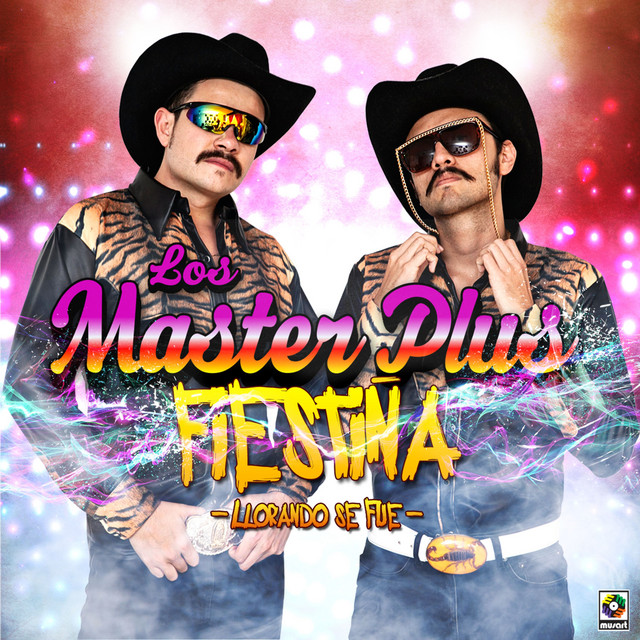
Los Master Plus
2014–2024
·
2 albums
Listen
3
/5
Genres
Movimiento Alterado
Movimiento alterado is a contemporary offshoot of the Mexican corrido tradition that foregrounds hyper-violent, adrenaline-charged storytelling and hard-hitting, brass- or guitar-led arrangements. It is closely tied to the "corridos alterados" wave, in which first‑person narratives, military jargon, and explicit depictions of cartel life are delivered with swaggering vocals and propulsive rhythms. Musically, the style draws on banda sinaloense and norteño/sierreño instrumentations: blasting tambora and tarola (snare), tuba bass lines, and tight trumpet/trombone/clarinet riffs on the banda side; or rapid 12‑string guitar (requinto), accordion, and bass/tuba on the sierreño/norteño side. Harmonies are typically bright and functional (I–IV–V), while the feel is often polka‑like two‑step. Production emphasizes loud, saturated brass and percussion, catchy unison riffs, and breakneck fills that amplify the lyrical bravado. Culturally, movimiento alterado was propelled by labels and promoters who packaged and marketed the sound and image—dark attire, tactical aesthetics, and viral videos—toward Mexican and Mexican‑American audiences, especially across Sinaloa, Sonora, and the Los Angeles diaspora.
Discover
Listen
Nu-Cumbia
Nu-cumbia is a 21st‑century, electronic reimagining of classic cumbia that blends Colombian and pan–Latin rhythms with contemporary production techniques. Typically mid‑tempo (about 85–105 BPM), it keeps the genre’s swaying 2/4 groove, guacharaca and hand‑drum patterns, and tumbao‑style bass, while layering hip‑hop sampling, dub delays, filtered synths, and atmospheric sound design. Producers often sample or re-record traditional instrumentation—accordion, gaita flutes, charango, guitar, and percussion—and place it inside modern beat frameworks. The result feels both rootsy and futuristic: nostalgic melodic motifs and folkloric textures ride alongside punchy kicks, sub‑bass, and detailed FX, making nu‑cumbia equally at home in clubs, headphones, and festival stages.
Discover
Listen
Electrocumbia
Electrocumbia (often called digital cumbia or nu-cumbia) is a contemporary, electronic reinterpretation of traditional cumbia. It merges cumbia’s signature off‑beat percussion, guacharaca/güiro textures, and tumbao bass with modern production elements such as synthesizers, drum machines, sampling, and dub-style effects. While rooted in Colombian cumbia, the style took shape across Latin America—especially within Buenos Aires’ club scene—where producers fused folkloric rhythms with downtempo, house, hip hop, and dub aesthetics. The result is a sound that can be both hypnotic and dance‑forward, oscillating between dreamy, psychedelic atmospheres and gritty, bass‑heavy grooves.
Discover
Listen
Mexican Indie
Mexican indie is a broad umbrella for independently minded rock and pop made in Mexico, characterized by DIY production, Spanish-language lyricism, and a blend of guitar-driven textures with synth color. Drawing from Britpop, shoegaze, dream pop, post‑punk revival, and rock en español, the sound often pairs melodic hooks with atmospheric guitars, reverb‑laden vocals, and tasteful electronic layers. While largely rooted in global indie traditions, many artists fold in Mexican and Latin references—subtle cumbia grooves, bolero-flavored harmony, or regional storytelling—without losing a modern alternative sensibility. The scene is strongly centered in Mexico City, Guadalajara, and Monterrey, with college radio, boutique labels, and festivals (e.g., Vive Latino, NRMAL, Corona Capital) helping acts grow from local clubs to international stages.
Discover
Listen
Cumbia
Cumbia is a syncretic dance-music tradition from Colombia’s Caribbean coast that blends African rhythmic heritage, Indigenous (especially gaita flute) melodic practice, and Spanish colonial instrumentation and forms. Traditionally performed in a moderate 2/4 (often felt in 4/4 today), it features interlocking hand-drum parts (tambora, alegre, llamador), guacharaca or maracas for steady texture, and long cane flutes (gaita hembra and gaita macho) carrying call-and-response melodies. As it spread in the 20th century, orchestras and dance bands added accordion, horns, piano, bass, and later electric guitar and synthesizers, creating urban and pan–Latin American variants. Harmonically simple and rhythm-forward, cumbia places groove, ostinati, and vocal refrains at the center, making it both ceremonial in origin and enduringly popular on social dance floors across the Americas.
Discover
Listen
Albums
2024
1
/5
Demasiado Para Ti
Los Master Plus
Nu-Cumbia
2014
2
/5
Fiestiña (Llorando Se Fue)
Los Master Plus
Nu-Cumbia
Similar artists
3
/5
Afrosound
Nu-Cumbia
Chicha
Cumbia
4
/5
Quantic
Electronic
Nu-Cumbia
Downtempo
3
/5
Chancha Via Circuito
Nu-Cumbia
Digital Cumbia
Electrocumbia
2
/5
Morenito De Fuego
Electrocumbia
Mexican Indie
Nu-Cumbia
2
/5
Tropikal Forever
Cumbia
Cumbia Sonidera
Electrocumbia
2
/5
Sonido Gallo Negro
Cumbia
Cumbia Peruana
Peruvian Music
2
/5
Miss Bolivia
Cumbia
Electrocumbia
Latin Rap
2
/5
Amandititita
Neoperreo
Cumbia
Cumbia Mexicana
2
/5
Agrupación Cariño
Electrocumbia
Mexican Indie
Nu-Cumbia
2
/5
Astros de Mendoza
Cumbia
Cumbia Sonidera
Electrocumbia
Download our mobile app
Get the Melodigging app and start digging for new genres on the go
Download on the App Store
Get it on Google Play
© 2026 Melodigging
Give feedback
Legal
Melodding was created as a tribute to
Every Noise at Once
, which inspired us to help curious minds keep digging into music's ever-evolving genres.