Genres
Artists
Albums
Make Music
Sign in
Sign in
Artists
Orchestral
Artists
Orchestral
Danish National Radio Symphony Orchestra
1998
·
1 album
Listen
1
/5
Genres
Nordic Orchestra
Nordic orchestra refers to the symphonic and orchestral tradition emerging from the Nordic countries (Denmark, Finland, Iceland, Norway, and Sweden), characterized by a distinct 'Nordic tone'. This style is renowned for its evocative soundscapes that often reflect the region's dramatic natural landscapes—vast forests, rugged mountains, and light-filled summer nights. Musically, it combines the structural depth of Central European classical traditions with the modal melodies, drone basses, and rhythmic vitality of local folk music. The genre encompasses the National Romanticism of the 19th century, which sought to define national identities, as well as the stark, organic modernism of the 20th century.
Discover
Listen
Orchestral
Orchestral music refers to compositions written for an orchestra—a large ensemble typically built around a string section (violins, violas, cellos, double basses), complemented by woodwinds, brass, percussion, and often harp, keyboard, or other auxiliary instruments. A conductor coordinates the ensemble, shaping balance, phrasing, and expression. The style emphasizes coloristic timbre combinations, dynamic range from the softest pianissimo to explosive tuttis, and textures that can shift seamlessly between transparent chamber-like writing and monumental masses of sound. Orchestral writing underpins concert genres such as symphonies, overtures, and tone poems, as well as opera, ballet, and modern film and game scores. While orchestral writing evolved across centuries, its core craft centers on melody, counterpoint, harmony, register, and orchestration—the art of assigning musical ideas to instruments to achieve clarity, contrast, and narrative impact.
Discover
Listen
Requiem
A requiem is a musical setting of the Roman Catholic Mass for the Dead (Missa pro defunctis). Historically rooted in Latin liturgy, it sets movements such as the Introit, Kyrie, (historically) the Sequence Dies irae, Offertory, Sanctus, Agnus Dei, and Communion, and often includes additional responsories like Libera me and In paradisum. While the earliest requiems were monophonic chants, the genre became a showcase for polyphonic and later symphonic choral writing. Renaissance composers wrote austere, modal settings; Classical and Romantic composers expanded the forces and dramatic scope; and 20th–21st century composers reimagined the form with new languages, from neo-modal and impressionistic harmonies to avant‑garde sonorities. Today, requiems appear both in liturgy and as concert works, symbolizing collective mourning, remembrance, and spiritual reflection.
Discover
Listen
Albums
1998
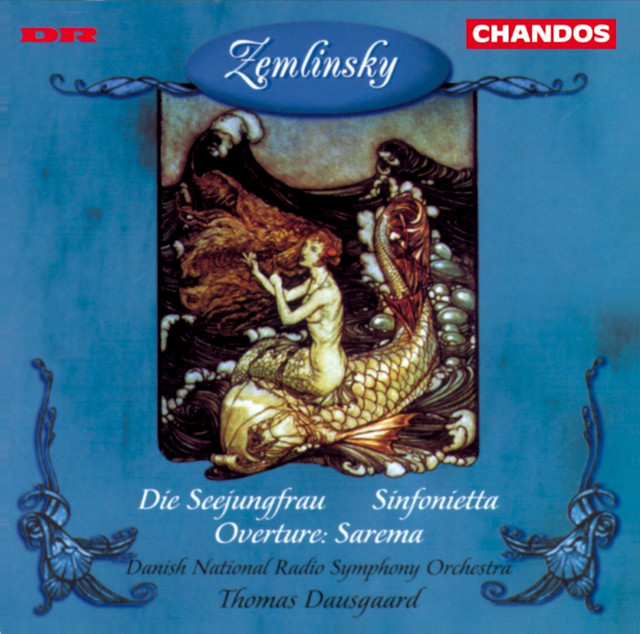
Zemlinsky: Seejungfrau (Die) / Sinfonietta / Sarema: Overture
Alexander von Zemlinsky, Thomas Dausgaard, Danish National Radio Symphony Orche…
Nordic Orchestra
Similar artists
4
/5
London Symphony Orchestra
Classical
Ballet
American Classical Piano
4
/5
Berliner Philharmoniker
Classical
Symphony
Romantic Classical
4
/5
Herbert von Karajan
Classical
Symphonic Poem
Symphony
4
/5
Philharmonia Orchestra
Classical
Opera
Historic Orchestral Performance
4
/5
Johannes Brahms
Classical Clarinet
Classical Piano Quartet
Concerto
4
/5
Claudio Abbado
Classical
Concerto
Expressionism
3
/5
Academy of Ancient Music
Classical
Concerto
Baroque
3
/5
Riccardo Muti
Classical
Opera
Symphony
3
/5
Bavarian Radio Symphony Orchestra
Austro-German Modernism
Classical
Classical Contralto
3
/5
Sir Colin Davis
Choral
Classical
Requiem
Download our mobile app
Get the Melodigging app and start digging for new genres on the go
Download on the App Store
Get it on Google Play
© 2026 Melodigging
Give feedback
Legal
Melodding was created as a tribute to
Every Noise at Once
, which inspired us to help curious minds keep digging into music's ever-evolving genres.