Genres
Artists
Albums
Make Music
Sign in
Sign in
Artists
Neofolk
Artists
Neofolk
Current 93
1984–2006
·
8 albums
Listen
2
/5
Genres
New Isolationism
New isolationism is a contemporary strain of isolationist ambient and post-industrial minimalism that emerged in the 2010s, particularly around Scandinavian experimental labels and studios. It foregrounds intimate, close-mic’d sound, negative space, and a quiet-but-present noise floor; its pieces feel both internal and architectural, like rooms built from reverb tails, tape hiss, and soft electronics. Sonically, the style blends glacial drones, fragile chamber timbres (strings, organ, piano), lo‑fi electronics, and field recordings into stark, slow-evolving tableaux. Melodic information is sparse—often only a few tones or gestures—while rhythm is either absent or reduced to distant pulses, heartbeats, or mechanical cycles. Vocals, when they appear, are murmured, diaristic, or abstracted by pitch and time manipulation. Aesthetically, new isolationism is post‑internet and diaristic: it captures solitude, memory, and dislocation with a palette that feels personal yet estranged, drawing as much from contemporary gallery sound practice as from classic dark ambient.
Discover
Listen
Wyrd Folk
Wyrd folk is a contemporary, experimental strain of folk that blends traditional balladry and acoustic instrumentation with psychedelia, ritualistic drones, and a subtly uncanny, pastoral mood. It often sounds intimate and handmade—fingerpicked guitars, harmoniums, fiddles, flutes, and dulcimers are common—yet it introduces tape hiss, room ambience, drones, and spectral harmonies to tilt the sound toward the otherworldly. The style draws on British and Celtic folk idioms, the 1960s/70s acid-folk lineage, and the early-2000s “new weird” movement. Lyrics tend to reference folklore, landscape, esoterica, and myth; forms may be circular or chant-like, encouraging a trancey, contemplative state rather than a conventional verse–chorus release. The result is music that feels both ancient and modern: rustic in timbre, but unafraid of collage, ambience, and experimental arrangement.
Discover
Listen
Drone Metal
Drone metal (often called drone doom) is an extreme, minimalist offshoot of doom metal that centers on sustained tones, monumental volume, and glacial tempos. Rather than relying on riffs or conventional grooves, it foregrounds long, vibrating chords, amplifier feedback, and the physical presence of sound itself. Its textures are typically cavernous and monochromatic, with guitars tuned very low, notes held for extended durations, and percussion either sparse or entirely absent. Vocals—if present—range from ritualistic chants to guttural growls or distant murmurs, often treated as another layer of texture rather than a narrative lead. The result is immersive and meditative, yet crushing: a music of weight, space, and resonance that emphasizes timbre and decay over melody and rhythm.
Discover
Listen
Neofolk
Neofolk is a post-industrial offshoot that blends traditional acoustic folk instrumentation with the austere atmospheres, ritual rhythms, and poetic sensibilities of the industrial and post-punk underground. It often features intimate acoustic guitars, baritone or chant-like vocals, martial or processional percussion, drones, and sparse strings or harmonium. Thematically, neofolk is preoccupied with memory, myth, and modernity—drawing on pagan or pre-Christian motifs, Romantic poetry, war-time remembrance, esoteric philosophy, and nature mysticism. The sound tends to be minimal and deliberate, favoring modal harmony and restrained dynamics that sharpen lyrical focus and mood. While sometimes called “apocalyptic folk,” the label describes the tone rather than a single ideology, as artists span a wide range of personal and political stances.
Discover
Listen
Dark Ambient
Dark ambient is a post‑industrial subgenre that coalesced in the mid‑1980s, drawing primarily on ambient music but shifting its focus toward ominous, subterranean space and timbre. It is characterized by long, low‑frequency drones; dissonant or microtonal overtones; and an enveloping, gloomy or catacomb‑like atmosphere. While largely electronic (synthesizers, samplers, tape and digital processing), artists frequently incorporate field recordings, contact‑mic textures, bowed metal, gongs, and fragments of traditional instruments captured with semi‑acoustic techniques and then heavily processed. Melody and pulse are minimized; instead the music emphasizes immersive sound design, psychoacoustic detail, and slowly evolving textures that evoke dread, awe, and isolation.
Discover
Listen
Ritual Ambient
Ritual ambient is a dark, immersive branch of ambient and post‑industrial music that evokes ceremony, trance, and archaic spirituality. It emphasizes slow‑moving drones, booming or shuffling hand‑percussion, low chants, gongs, bells, and found sounds that suggest sacred spaces. Rather than melody and harmony, it prioritizes atmosphere, texture, and spatial depth. Extended reverbs, cavernous low‑end, and cyclical, mantra‑like patterns create an inward, meditative tension that can feel simultaneously numinous and ominous.
Discover
Listen
Industrial
Industrial is an experimental electronic music tradition that uses abrasive timbres, mechanical rhythms, and transgressive aesthetics. Its sound palette often includes distorted drum machines, tape loops, metallic percussion, feedback, and found-object recordings alongside synthesizers and samplers. Emerging from late-1970s UK underground art and performance scenes, industrial foregrounds themes of dehumanization, technology, surveillance, and power. Releases frequently embrace anti-commercial presentation, stark graphic design, and confrontational performance art, treating the studio as a laboratory for sonic manipulation rather than a vehicle for conventional songcraft. While early industrial emphasized noise, tape processing, and avant-garde collage, later waves fused the style with dancefloor precision (EBM), rock and metal heft, and club-oriented production, giving rise to a broad post-industrial family that remains influential in experimental, electronic, and popular music.
Discover
Listen
Avant-Folk
Avant-folk is a strand of folk music that applies avant-garde, experimental, and modernist techniques to traditional song forms, instrumental vocabularies, and storytelling. It retains acoustic timbres and folk modalities while embracing unusual tunings, extended techniques, drones, free improvisation, tape collage, and nonstandard song structures. The result is music that sounds rooted and ancient yet exploratory and boundary-pushing, often intimate in texture but radical in form.
Discover
Listen
Drone
Drone is a minimalist music genre defined by sustained tones, long durations, and extremely gradual change. Harmony is often static or centered on a single fundamental with subtle overtone shifts, while rhythm tends toward stasis or very slow pulses. Sound sources range from acoustic instruments (e.g., strings, organ, bagpipes, shruti box, tambura) to electronics (sine waves, oscillators, feedback, tape loops, and later digital synthesis and processing). Many composers favor just intonation or other alternative tuning systems to emphasize beating patterns, psychoacoustic effects, and the internal life of sound. Although drone as a sonic principle is ancient and global, the modern experimental genre cohered in the 1960s through the New York minimalists and related avant‑garde circles, then spread into ambient, experimental, and heavy music scenes. The focus is less on melody and more on timbre, resonance, and the phenomenology of listening.
Discover
Listen
Mantra
Mantra is a devotional chant-based music centered on the repetitive intonation of sacred syllables, words, or phrases—most commonly in Sanskrit, Gurmukhi, Pali, or Tibetan. While its liturgical roots are ancient, the modern recorded genre crystallized in the late 20th century through the global yoga and meditation movement. Typical performances feature long, cyclical repetitions over drones, gentle percussion, and spacious textures that invite contemplation and collective participation. Musically, mantra tends to favor modal harmony, steady or subtly evolving rhythms, and incremental dynamic arcs rather than verse–chorus structures. Instrumentation often blends Indian classical timbres (harmonium, tanpura, tabla) with acoustic guitar, hand percussion, and ambient/new-age sound design. The experience is meditative, heart-centered, and communal, distinguishing it from the more lyrical bhajan and the call-and-response song form of kirtan.
Discover
Listen
Psychedelic Folk
Psychedelic folk (often called acid folk or psych folk) blends the acoustic intimacy and modal harmony of traditional folk with the exploratory textures, surreal lyricism, and studio experimentation of psychedelic music. It typically favors acoustic guitars, hand percussion, flutes, drones (e.g., tambura or harmonium), and small acoustic instruments, while embracing effects such as reverb, delay, tape manipulation, field recordings, and unconventional song structures. Lyrics tend toward the pastoral, mystical, and dreamlike—drawing on folklore, nature, and visionary or inward-looking themes. Musically, it often uses modal melodies (Dorian, Mixolydian), drones, fingerstyle guitar in open tunings, and hypnotic ostinatos, creating a hazy, otherworldly atmosphere that sits between singer‑songwriter intimacy and psychedelic exploration.
Discover
Listen
Experimental
Experimental music is an umbrella term for practices that prioritize exploration, process, and discovery over adherence to established genre norms. It embraces new sound sources, nonstandard tuning systems, indeterminacy and chance operations, graphic and open-form scores, extended techniques, and technology-led sound design (tape, electronics, computers, and live processing). Rather than a single style, it is a methodology and ethos: testing hypotheses about sound, structure, and performance, often blurring boundaries between composition, improvisation, sound art, and performance art. Listeners can expect unfamiliar timbres, unusual forms, and an emphasis on how music is made as much as the resulting sound.
Discover
Listen
Rock
Rock is a broad family of popular music centered on amplified instruments, a strong backbeat, and song forms that foreground riffs, choruses, and anthemic hooks. Emerging from mid‑20th‑century American styles like rhythm & blues, country, and gospel-inflected rock and roll, rock quickly expanded in scope—absorbing folk, blues, and psychedelic ideas—while shaping global youth culture. Core sonic markers include electric guitar (often overdriven), electric bass, drum kit emphasizing beats 2 and 4, and emotive lead vocals. Rock songs commonly use verse–chorus structures, blues-derived harmony, and memorable melodic motifs, ranging from intimate ballads to high‑energy, stadium‑sized performances.
Discover
Listen
Poetry
Poetry (as a recorded genre) centers on the spoken or performed recitation of verse, foregrounding voice, diction, rhythm, and imagery over conventional song structure. Performances may be entirely unaccompanied or framed by sparse accompaniment such as piano, strings, jazz combos, drones, or subtle sound design. Unlike broader spoken word, which can include storytelling, monologues, and comedy, poetry recordings focus on literary verse—metered, rhymed, or free—delivered with attention to prosody and poetic form. Releases range from archival readings by canonical poets to contemporary performance sets recorded in studios, classrooms, libraries, and clubs. The listening experience often emphasizes intimacy and textual clarity: microphones capture breath, cadence, and silence, while arrangements (if any) remain secondary to the poem’s language and pacing.
Discover
Listen
Avant-Garde
Avant-garde music is an umbrella term for boundary-pushing practices that challenge prevailing norms of harmony, rhythm, timbre, form, and performance. It privileges experimentation, conceptual rigor, and a willingness to reframe what counts as music at all. Historically tied to early 20th‑century artistic modernism, avant-garde music introduced atonality, the emancipation of noise, and new forms of notation and process. It embraces indeterminacy, extended techniques, electronics, spatialization, and multimedia performance, treating sound as material to be sculpted, questioned, and reinvented.
Discover
Listen
Electronic
Electronic is a broad umbrella genre defined by the primary use of electronically generated or electronically processed sound. It encompasses music made with synthesizers, drum machines, samplers, computers, and studio/tape techniques, as well as electroacoustic manipulation of recorded or synthetic sources. The genre ranges from academic and experimental traditions to popular and dance-oriented forms. While its sonic palette is rooted in electricity and circuitry, its aesthetics span minimal and textural explorations, structured song forms, and beat-driven club permutations. Electronic emphasizes sound design, timbre, and studio-as-instrument practices as much as melody and harmony.
Discover
Listen
Non-Music
Non-music is an umbrella category for recorded audio whose primary purpose is not musical performance. It encompasses spoken word, speeches, interviews, poetry readings, comedy, audio documentaries, instructional recordings, field recordings, sound effects, and other forms of organized sound meant to inform, narrate, document, or entertain without relying on melody or conventional song structure. Rather than emphasizing harmony, rhythm, and instrumentation, non-music foregrounds voice, text, ambient sound, narrative flow, informational content, and sonic texture. Its aesthetics range from raw, unedited actuality to highly produced studio works, and its scope spans archival preservation, education, performance art, and mass entertainment.
Discover
Listen
Chöd
Chöd (Tibetan: gcod, “to cut”) is a Tibetan Buddhist ritual-music tradition whose chants, drum rhythms, and piercing trumpet calls accompany a tantric meditation aimed at cutting through ego-clinging. It is performed with a small two-headed hand drum (damaru), a ritual bell (drilbu), and the kangling (a high, reedy trumpet traditionally made from a thighbone), with vocal recitation moving between free-rhythm chant and formulaic melodic recitative. Its soundworld is stark and vivid: free-tempo vocal lines, sudden shouted interjections like “PHAT!”, cyclical drum patterns, rattling pellets on the damaru, and sustained kangling blasts that demarcate sections and summon deities and protectors. The music is inseparable from the sādhanā text and visualization sequence—invocation, offering, self-sacrifice as compassionate ‘feast,’ and dissolution—often practiced at liminal sites such as charnel grounds to cultivate fearlessness and compassion.
Discover
Listen
Tibetan Buddhist Chant
Tibetan Buddhist chant is a liturgical vocal tradition used in monasteries and temples across the Tibetan cultural sphere. Its most recognizable sound is the exceptionally low, overtone-rich "chordal" chanting practiced by tantric colleges, in which monks produce a fundamental tone with audible subharmonics to create a multi-tone effect. The chant accompanies ritual cycles, recitation of sutras and tantras, and the repetition of mantras such as "Om Mani Padme Hum." It is often framed by ritual instruments—long horns (dungchen), double-reed oboes (gyaling), conch shells (dungkar), thighbone trumpets (kangling), cymbals (rolmo, silnyen), hand drums (damaru), frame drums (nga), and bells (drilbu)—that cue sections, signal deities, and shape the ritual flow. Melodically, the style favors sustained tones, narrow-range formulae, and modal inflections; rhythm is breath-governed and leader-choir responsorial rather than strictly metrical. Beyond its sonic qualities, the chant is a contemplative practice: texts and seed syllables are vocalized with the aim of stabilizing attention, invoking enlightened qualities, and enacting visualization practices central to Vajrayana Buddhism.
Discover
Listen
Buddhist Music
Buddhist music is the broad family of liturgical chant and ritual sound practices associated with Buddhist traditions across Asia. It centers on the vocal recitation of sutras, mantras, and dhāraṇīs, often performed a cappella by monastics or lay chanters, and is designed to aid concentration, devotion, and the transmission of teachings. While primarily vocal and modal, instrumentation appears in many regional practices: Tibetan rituals feature low multiphonic chant with drums, large cymbals, horns, and shawms; Chinese fanbai and Korean beompae retain courtly timbres; Japanese shōmyō emphasizes refined, unison vocal lines; and Theravāda communities in Southeast Asia maintain austere Pāli chant with minimal or no accompaniment. Common traits include restricted melodic ambitus, formulaic melodic contours, free or flexible rhythm, and text-forward delivery in sacred languages such as Pāli, Sanskrit, Tibetan, Chinese, Korean, and Japanese.
Discover
Listen
Show all 20 genres
Albums
2006
2
/5
Black Ships Ate the Sky
Current 93
Neofolk
Electronic
Rock
2006
1
/5
Sleep Has His House
Current Ninety Three
Neofolk
Avant-Folk
Drone
1998
1
/5
Tantric rNying.ma Chant of Tibet
The Venerable 'Chi.med Rig.'dzin Lama, Rinpoche
Chöd
Tibetan Buddhist Chant
Mantra
1997
2
/5
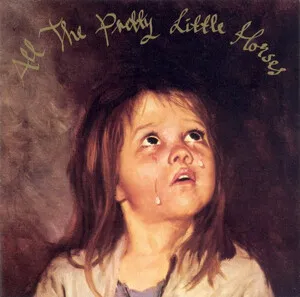
All the Pretty Little Horses
Current 93
Neofolk
1997
1
/5
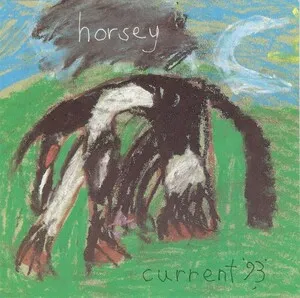
Horsey
Current 93
Neofolk
Electronic
Rock
1994
1
/5
Of Ruine or Some Blazing Starre
Current 93
Neofolk
1992
2
/5
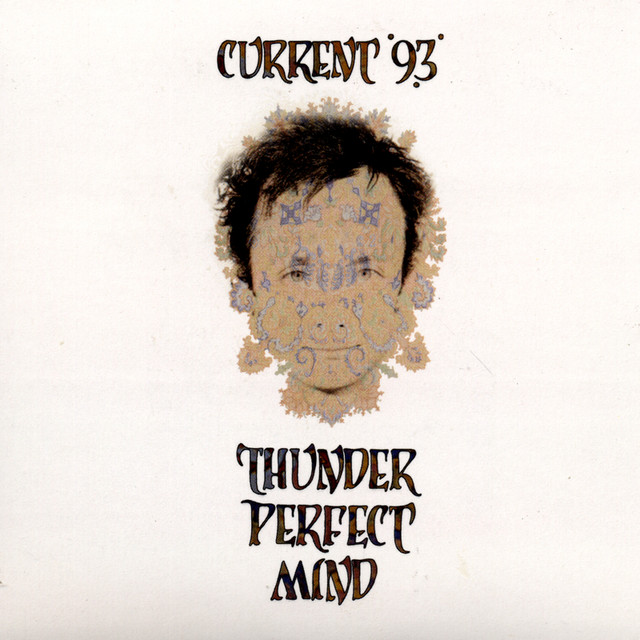
Thunder Perfect Mind
Current 93
Wyrd Folk
Neofolk
Psychedelic Folk
1984
1
/5
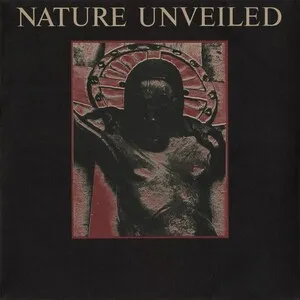
Nature Unveiled
Current 93
Ritual Ambient
Electronic
Experimental
Similar artists
3
/5
Swans
Experimental Rock
Post-Rock
No Wave
1
/5
Various Artists
Afro-Funk
Alternative Rock
Ambient
3
/5
ROME
Martial Industrial
Neofolk
Rock
3
/5
Death In June
Martial Industrial
Neofolk
Post-Punk
3
/5
Einstürzende Neubauten
Industrial
Experimental
Avant-Garde
2
/5
Laibach
Martial Industrial
Industrial
Electronic
3
/5
Faun
Medieval Rock
Folk
Neofolk
2
/5
Scorn
Illbient
Dub Metal
Experimental
2
/5
Throbbing Gristle
Industrial
Avant-Garde
Ebm
2
/5
Alien Sex Fiend
Deathrock
Dark Wave
Industrial
Download our mobile app
Get the Melodigging app and start digging for new genres on the go
Download on the App Store
Get it on Google Play
© 2026 Melodigging
Give feedback
Legal
Melodding was created as a tribute to
Every Noise at Once
, which inspired us to help curious minds keep digging into music's ever-evolving genres.