Genres
Artists
Albums
Make Music
Sign in
Sign in
Artists
Illbient
Artists
Illbient
Scorn
1992–2021
·
15 albums
Listen
2
/5
Genres
Dungeon Sound
Dungeon sound is an underground, lo‑fi strain of trap/phonk that cultivates a claustrophobic, “subterranean” atmosphere through tape‑worn samples, heavy sub‑bass, and ominous melodics. It typically borrows chopped and screwed vocal snippets from 1990s Memphis rap, horror film cues, and eerie ambient/drone textures to build a bleak mood. Production emphasizes dusty loops, minimal drum programming, and wide, cavernous reverb—evoking the feeling of beats echoing inside a dungeon. Tempos usually sit in the 90–110 BPM range (or presented in half‑time at higher grids), with punchy 808s, sparse hats, and saturated mixes that privilege vibe over polish.
Discover
Listen
Post-Dubstep
Post-dubstep is a loosely defined wave of UK-born electronic music that grew out of dubstep but moved away from its rigid 140 BPM wobble-bass formula. It keeps the bass-weight, sound-system focus, and rhythmic syncopation of dubstep and UK garage, but folds in house and techno tempos, R&B vocal chops, ambient space, and experimental production. Typical tracks explore 120–135 BPM (not fixed at 140), use broken 2‑step/garage swing instead of 4/4, and favor detailed sound design over maximal drops. You’ll often hear hushed, intimate vocals (sampled or original), neo-soul/jazz-influenced chords, and micro-edited percussion with lots of negative space. The mood is frequently introspective, melancholic, and textural—more headphone-oriented than festival-leaning—yet still rooted in club culture.
Discover
Listen
New Isolationism
New isolationism is a contemporary strain of isolationist ambient and post-industrial minimalism that emerged in the 2010s, particularly around Scandinavian experimental labels and studios. It foregrounds intimate, close-mic’d sound, negative space, and a quiet-but-present noise floor; its pieces feel both internal and architectural, like rooms built from reverb tails, tape hiss, and soft electronics. Sonically, the style blends glacial drones, fragile chamber timbres (strings, organ, piano), lo‑fi electronics, and field recordings into stark, slow-evolving tableaux. Melodic information is sparse—often only a few tones or gestures—while rhythm is either absent or reduced to distant pulses, heartbeats, or mechanical cycles. Vocals, when they appear, are murmured, diaristic, or abstracted by pitch and time manipulation. Aesthetically, new isolationism is post‑internet and diaristic: it captures solitude, memory, and dislocation with a palette that feels personal yet estranged, drawing as much from contemporary gallery sound practice as from classic dark ambient.
Discover
Listen
Dubstep
Dubstep is a bass‑centric electronic dance music genre that emerged in South London in the early 2000s. It is typically around 140 BPM and is defined by a half‑time rhythmic feel, sub‑heavy basslines, sparse yet impactful drums, and a strong emphasis on space, tension, and sound system weight. Hallmark traits include syncopated kick patterns, snares on the third beat of the bar, swung/shuffly hi‑hats inherited from UK garage, and modulated low‑frequency bass (“wobbles”) shaped with LFOs, filters, and distortion. Influences from dub reggae (echo, delay, and minimalism), jungle/drum & bass (bass science and sound system culture), and 2‑step garage (rhythmic swing and shuffles) are central. The style ranges from deep, meditative “dub” aesthetics (often called deep dubstep) to more aggressive, midrange‑driven variants that later informed brostep and festival bass. Atmosphere, negative space, and subwoofer translation are as important as melody or harmony.
Discover
Listen
Illbient
Illbient is an experimental, sample-based offshoot of ambient and dub that emerged in mid‑1990s New York. Its name fuses hip‑hop slang “ill” (meaning striking, intense, or unsettling) with “ambient,” signaling music that is both atmospheric and disequilibrating. Sonically, it layers heavy dub bass and echo with downtempo breakbeats, detuned drones, gritty field recordings, and noise textures. Rather than offering placid ambience, illbient evokes urban decay and nocturnal space—collaging fragments of speech, sirens, vinyl crackle, and industrial hum into sprawling, cinematic soundscapes. Hip‑hop’s sampling ethos, dub’s studio-as-instrument approach, and the spatial imagination of ambient guide the production, while dissonance, negative space, and slow, unstable grooves create a tense, dreamlike drift.
Discover
Listen
Dub Metal
Dub metal is a hybrid that welds the low‑end science and studio manipulation of Jamaican dub to the weight, distortion, and riff‑centric aesthetics of heavy/industrial metal. Instead of traditional verse–chorus structures, producers often treat the studio or live desk as an instrument: bass and drums sit at the center; guitars and vocals are fragmented, looped, or driven through filters, delays, and spring reverbs. Compared with classic metal, tempos skew slower and more hypnotic, while the sonic palette borrows from post‑industrial ambience and sound‑system culture—sub‑bass pressure, negative space, and sudden dropout “versions.”
Discover
Listen
Idm
IDM (often expanded as "Intelligent Dance Music") is a strand of experimental electronic music that applies the sound palette and production methods of club genres to listening-focused, often home-oriented works. It favors intricate rhythm programming, unusual time signatures, and richly textured sound design, blending ambient atmospheres with techno’s pulse, electro’s syncopation, and breakbeat’s fragmentation. The music often de-emphasizes the dancefloor in favor of headphone detail, algorithmic structure, and timbral exploration. The term itself is contentious—many artists rejected the "intelligent" label—yet it became a convenient tag for the early- to mid‑1990s cluster of Warp, Rephlex, and related scenes that foregrounded complexity, abstraction, and emotional ambiguity.
Discover
Listen
Ambient Dub
Ambient dub fuses the studio-as-instrument ethos of Jamaican dub with the spacious textures and slow-motion pacing of ambient and ambient house. It is marked by deep sub‑bass, echo‑drenched percussion, and vast, reverb‑heavy soundscapes where delays, filtering, and tape‑style feedback become primary compositional tools. Tracks tend to be long, hypnotic, and minimal, often incorporating field recordings, gentle synth pads, and fragmentary vocals that are treated as atmospheric elements rather than lyrical leads. Emerging in the early 1990s UK, the style crystallized through influential artists and compilations that showcased a reflective, psychedelic, and immersive approach to dub-informed electronic music.
Discover
Listen
Trip Hop
Trip hop is a downtempo, atmospheric fusion of hip hop rhythm and sampling techniques with the textures of dub, soul, jazz, and ambient music. Emerging from the Bristol scene in the early 1990s, it favors slow, head‑nodding breakbeats, deep bass, and cinematic sound design. The style is characterized by moody harmonies (often in minor keys), woozy tape- and vinyl-derived timbres, and liberal use of delay and reverb. Vocals frequently alternate between intimate, breathy singing and spoken word/rap, and lyrical themes tend toward noir, introspective, and melancholic subjects. Strings, Rhodes pianos, turntable scratches, and field recordings are common, creating a shadowy, filmic vibe.
Discover
Listen
Dub Techno
Dub techno is a minimalist offshoot of techno that fuses Detroit/Berlin techno rhythms with classic Jamaican dub studio techniques. It emphasizes space, depth, and decay through extensive use of tape‑style delays, spring/plate reverbs, and filtering. Typical tracks hover around 118–130 BPM with understated 4/4 drums, deep sub‑bass, and repeating, softly struck chord stabs (often minor 7ths or suspended voicings) that are washed in reverb. The result is a hypnotic, immersive sound world—grainy, foggy, and textural—where small timbral changes and delay tails provide the narrative. The genre coalesced in early‑1990s Berlin around Basic Channel and related labels, drawing on Detroit techno’s futurism and Jamaican dub’s mixing philosophy while embodying the austere spatial aesthetics of the Berlin scene.
Discover
Listen
Dark Ambient
Dark ambient is a post‑industrial subgenre that coalesced in the mid‑1980s, drawing primarily on ambient music but shifting its focus toward ominous, subterranean space and timbre. It is characterized by long, low‑frequency drones; dissonant or microtonal overtones; and an enveloping, gloomy or catacomb‑like atmosphere. While largely electronic (synthesizers, samplers, tape and digital processing), artists frequently incorporate field recordings, contact‑mic textures, bowed metal, gongs, and fragments of traditional instruments captured with semi‑acoustic techniques and then heavily processed. Melody and pulse are minimized; instead the music emphasizes immersive sound design, psychoacoustic detail, and slowly evolving textures that evoke dread, awe, and isolation.
Discover
Listen
Industrial Metal
Industrial metal is a fusion of the mechanized, abrasive textures of industrial music with the weight, riff-driven power, and aggression of heavy metal. It emphasizes machine-like rhythms, down-tuned guitars, harsh or processed vocals, and extensive use of sequencers, drum machines, and sampling. The sound often evokes dystopian, anti-authoritarian, and techno-skeptical themes, with a tight, repetitive groove that feels both robotic and visceral. Hallmarks include palm-muted chug riffs synchronized to quantized beats, distorted bass and synth layers, and production that foregrounds hard-edged, metallic timbres and found sounds (e.g., factory noise, machinery, alarms).
Discover
Listen
Death Metal
Death metal is an extreme subgenre of heavy metal defined by heavily distorted, low‑tuned guitars, rapid and complex riffing, blast beat drumming, and harsh guttural vocals. Its harmonic language favors chromaticism, dissonance, and tremolo-picked lines that create an ominous, abrasive atmosphere. Lyrically, death metal often explores dark or transgressive themes—mortality, mythology, anti-religion, psychological horror, and the macabre—sometimes with philosophical or social commentary. Production ranges from raw and cavernous to hyper-precise and technical, reflecting the genre’s many regional scenes and substyles. From the mid‑1980s Florida scene (Tampa) and parallel developments in the US, UK, and Sweden, death metal evolved into numerous branches including brutal death metal, technical death metal, melodic death metal, and death‑doom, each emphasizing different aspects of speed, complexity, melody, or heaviness.
Discover
Listen
Industrial
Industrial is an experimental electronic music tradition that uses abrasive timbres, mechanical rhythms, and transgressive aesthetics. Its sound palette often includes distorted drum machines, tape loops, metallic percussion, feedback, and found-object recordings alongside synthesizers and samplers. Emerging from late-1970s UK underground art and performance scenes, industrial foregrounds themes of dehumanization, technology, surveillance, and power. Releases frequently embrace anti-commercial presentation, stark graphic design, and confrontational performance art, treating the studio as a laboratory for sonic manipulation rather than a vehicle for conventional songcraft. While early industrial emphasized noise, tape processing, and avant-garde collage, later waves fused the style with dancefloor precision (EBM), rock and metal heft, and club-oriented production, giving rise to a broad post-industrial family that remains influential in experimental, electronic, and popular music.
Discover
Listen
Industrial Rock
Industrial rock fuses the abrasive sonics of industrial music with the riffs, song structures, and performance energy of rock. Characterized by distorted guitars, pounding drum machines, sequenced bass lines, metallic samples, and heavily processed vocals, the style evokes a mechanized, dystopian atmosphere. Tempos often sit between 100–140 BPM, with rigid 4/4 grooves, syncopated patterns, and looped motifs that feel relentless and machine-driven. Lyrically and aesthetically, industrial rock often explores themes of alienation, power, technology, politics, and transgression, drawing on post-punk’s nihilism and performance-art provocation while retaining rock’s hook-driven choruses.
Discover
Listen
Dub
Dub is a studio-born offshoot of reggae that uses the mixing desk as a performance instrument. Producers strip songs down to their rhythmic core—drums and bass—and then rebuild them in real time with radical mutes, echoes, reverbs, and filters. Typically created from the B-sides (“versions”) of reggae singles, dub foregrounds spacious low-end, one-drop or steppers drum patterns, and fragmented vocal or instrumental phrases that drift in and out like ghostly textures. Spring reverb, tape echo, and feedback are not just effects but compositional tools, turning the studio into an instrument of improvisation. The result is bass-heavy, spacious, and hypnotic music that emphasizes negative space and textural transformation, laying the foundation for countless electronic and bass music styles.
Discover
Listen
Experimental
Experimental music is an umbrella term for practices that prioritize exploration, process, and discovery over adherence to established genre norms. It embraces new sound sources, nonstandard tuning systems, indeterminacy and chance operations, graphic and open-form scores, extended techniques, and technology-led sound design (tape, electronics, computers, and live processing). Rather than a single style, it is a methodology and ethos: testing hypotheses about sound, structure, and performance, often blurring boundaries between composition, improvisation, sound art, and performance art. Listeners can expect unfamiliar timbres, unusual forms, and an emphasis on how music is made as much as the resulting sound.
Discover
Listen
Rock
Rock is a broad family of popular music centered on amplified instruments, a strong backbeat, and song forms that foreground riffs, choruses, and anthemic hooks. Emerging from mid‑20th‑century American styles like rhythm & blues, country, and gospel-inflected rock and roll, rock quickly expanded in scope—absorbing folk, blues, and psychedelic ideas—while shaping global youth culture. Core sonic markers include electric guitar (often overdriven), electric bass, drum kit emphasizing beats 2 and 4, and emotive lead vocals. Rock songs commonly use verse–chorus structures, blues-derived harmony, and memorable melodic motifs, ranging from intimate ballads to high‑energy, stadium‑sized performances.
Discover
Listen
Electronic
Electronic is a broad umbrella genre defined by the primary use of electronically generated or electronically processed sound. It encompasses music made with synthesizers, drum machines, samplers, computers, and studio/tape techniques, as well as electroacoustic manipulation of recorded or synthetic sources. The genre ranges from academic and experimental traditions to popular and dance-oriented forms. While its sonic palette is rooted in electricity and circuitry, its aesthetics span minimal and textural explorations, structured song forms, and beat-driven club permutations. Electronic emphasizes sound design, timbre, and studio-as-instrument practices as much as melody and harmony.
Discover
Listen
Show all 19 genres
Albums
2021
1
/5
The Only Place
Scorn
Dungeon Sound
Illbient
Dub Metal
2019
1
/5
Café Mor
Scorn
Dungeon Sound
Illbient
Dub
2010
2
/5
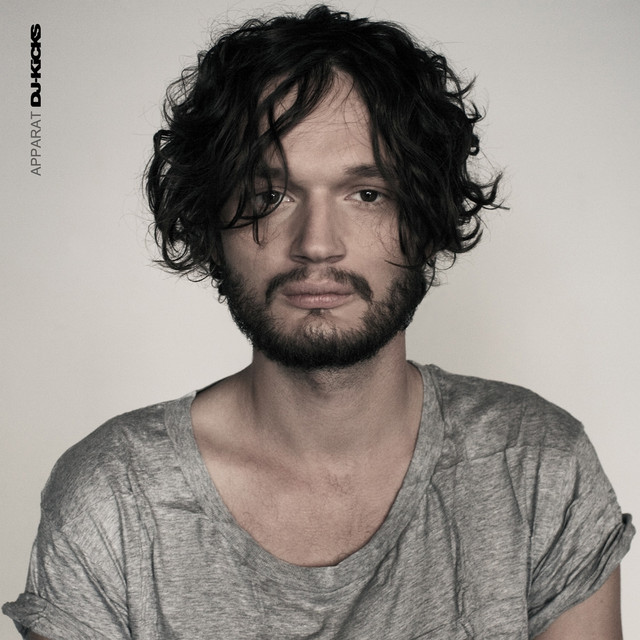
DJ-Kicks (Apparat)
Scorn
Illbient
Dub Metal
2010
1
/5
Refuse; Start Fires
Scorn
Dungeon Sound
Illbient
Dub Metal
2007
1
/5
Stealth
Scorn
Illbient
Dubstep
2002
1
/5
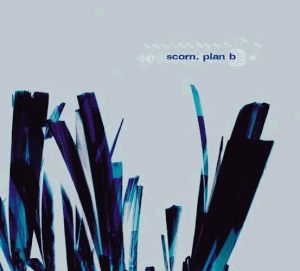
Plan B
Scorn
Illbient
2000
1
/5
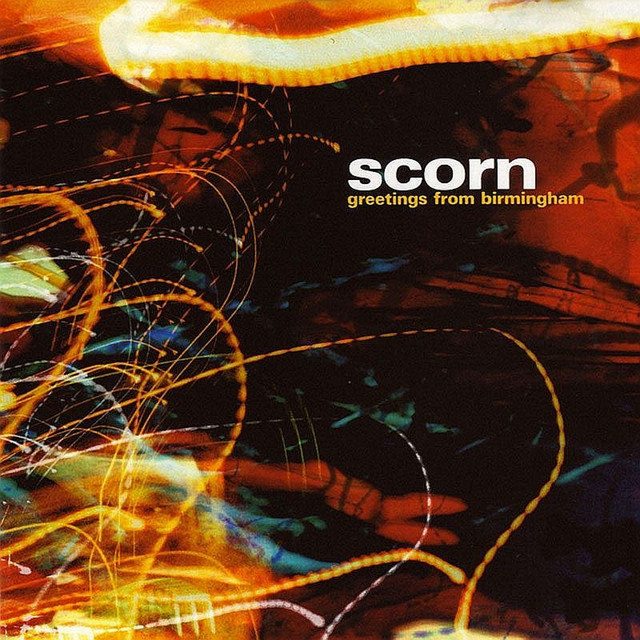
Greetings From Birmingham
Scorn
Illbient
Dub Metal
1997
1
/5
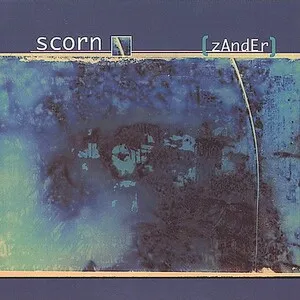
Zander
Scorn
Illbient
1996
1
/5
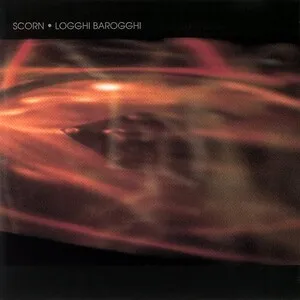
Logghi Barogghi
Scorn
Illbient
1995
2
/5
Ellipsis
Scorn
Illbient
Dub Metal
Electronic
1995
2
/5
Gyral
Scorn
Illbient
Dub Metal
Ambient Dub
1994
2
/5
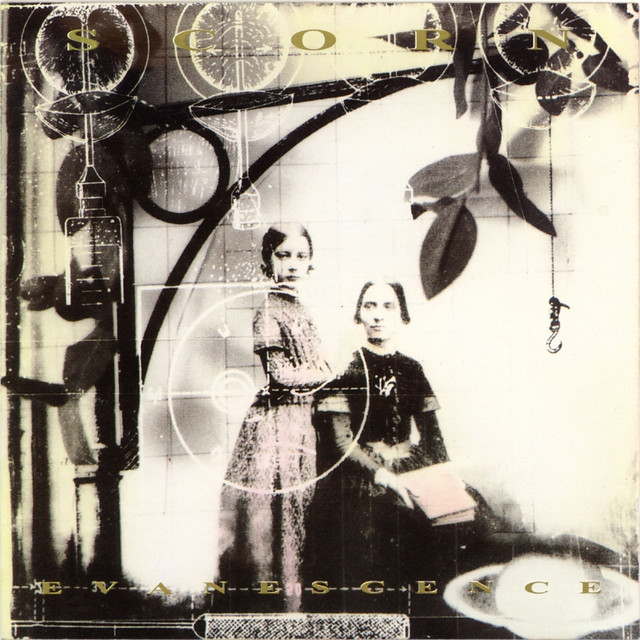
Evanescence
Scorn
Illbient
Dub Metal
Ambient Dub
1993
1
/5
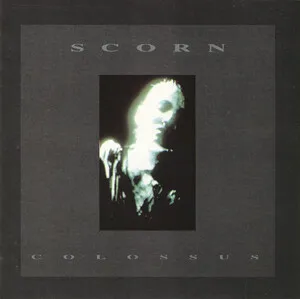
Colossus
Scorn
Illbient
1992
2
/5
Vae Solis
Scorn
Dub Metal
Illbient
Death Metal
List of Takers
Scorn
Illbient
Similar artists
1
/5
Various Artists
Afro-Funk
Alternative Rock
Ambient
2
/5
Muslimgauze
Experimental
Industrial
Tribal Ambient
2
/5
Skee Mask
Ambient Dub
Breakbeat
Idm
2
/5
Forest Swords
Hauntology
Idm
Electronic
2
/5
Vladislav Delay
Ambient
Glitch
Dub Techno
2
/5
Jan Jelinek
Glitch
Idm
Ambient
1
/5
Techno Animal
Illbient
Experimental
Experimental Hip Hop
1
/5
DJ Olive
Experimental
Idm
Illbient
1
/5
Demdike Stare
Hauntology
Dark Ambient
Drone
Curse of the Golden Vampire
Breakbeat
Dub Metal
Electronic
Download our mobile app
Get the Melodigging app and start digging for new genres on the go
Download on the App Store
Get it on Google Play
© 2026 Melodigging
Give feedback
Legal
Melodding was created as a tribute to
Every Noise at Once
, which inspired us to help curious minds keep digging into music's ever-evolving genres.