Genres
Artists
Albums
Make Music
Sign in
Sign in
Artists
Industrial
Artists
Industrial
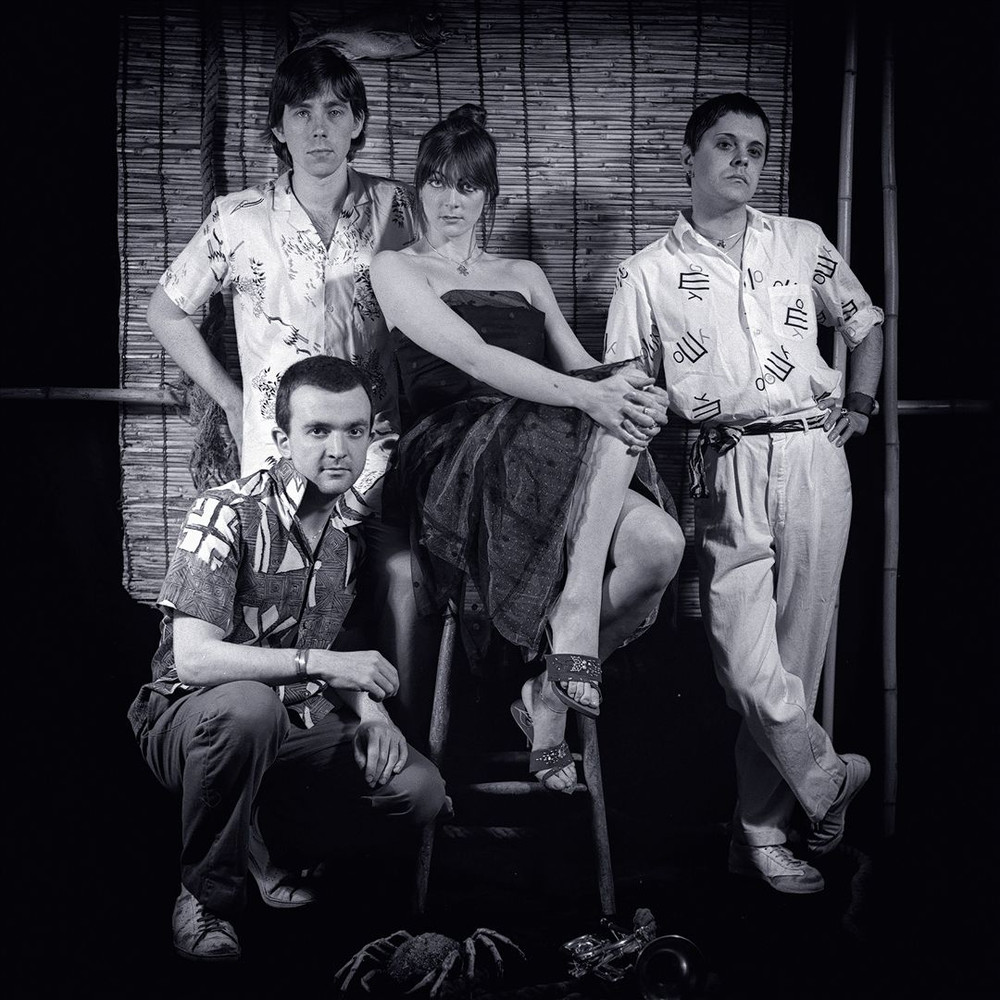
Throbbing Gristle
1978–1979
·
2 albums
Listen
2
/5
Genres
New Isolationism
New isolationism is a contemporary strain of isolationist ambient and post-industrial minimalism that emerged in the 2010s, particularly around Scandinavian experimental labels and studios. It foregrounds intimate, close-mic’d sound, negative space, and a quiet-but-present noise floor; its pieces feel both internal and architectural, like rooms built from reverb tails, tape hiss, and soft electronics. Sonically, the style blends glacial drones, fragile chamber timbres (strings, organ, piano), lo‑fi electronics, and field recordings into stark, slow-evolving tableaux. Melodic information is sparse—often only a few tones or gestures—while rhythm is either absent or reduced to distant pulses, heartbeats, or mechanical cycles. Vocals, when they appear, are murmured, diaristic, or abstracted by pitch and time manipulation. Aesthetically, new isolationism is post‑internet and diaristic: it captures solitude, memory, and dislocation with a palette that feels personal yet estranged, drawing as much from contemporary gallery sound practice as from classic dark ambient.
Discover
Listen
Ebm
Electronic Body Music (EBM) is a post-industrial dance music style that fuses the stark textures and aesthetics of industrial and synth‑punk with propulsive, club‑ready rhythms. Built on sequenced, repetitive basslines, rigid 4/4 kick patterns, and clipped, military‑tight percussion, EBM favors mostly undistorted, barked or chanted vocals and confrontational, sometimes political or provocative themes. Its sound is physical and kinetic—designed for bodies on the dance floor—yet retains the minimalist, machine‑driven discipline of early industrial and new wave electronics.
Discover
Listen
Noise Rock
Noise rock is a subgenre of rock that deliberately embraces distortion, feedback, dissonance, and abrasive textures as primary musical materials rather than mere effects. It prioritizes timbre, volume, and sonic density over conventional melody and harmony, often using nonstandard tunings, prepared or detuned guitars, and extended techniques to generate harsh overtones and sheets of sound. Rhythm sections tend to be driving and repetitive, anchoring the chaos with motorik pulses, lurching grooves, or pummeling, minimal patterns. Vocals range from spoken and murmured to shouted and cathartic, with lyrics that skew cryptic, confrontational, or surreal. Aesthetically, noise rock traces a line from punk’s anti-virtuosity and DIY ethos through no wave’s iconoclasm and the avant-garde’s interest in sound-as-sound, yielding music that can be physically intense, psychologically unsettling, and artistically exploratory.
Discover
Listen
Minimal Synth
Minimal synth is a sparse, DIY strand of early electronic music built around a small palette of analog synthesizers, drum machines, and austere melodies. It favors economy: short, hook-like motifs; rigid, metronomic rhythms; and cool, detached vocals that sit in stark relief against the electronics. The sound is defined by dry drum machine patterns (often 2–4 bar loops), monophonic basslines, simple minor-key harmonies, and limited effects—typically delay and reverb used tastefully rather than lavishly. Emerging from post-punk and new wave’s experimental fringes, it captured a mood that was simultaneously intimate and mechanical, melancholic yet danceable. Originally circulated on cassettes and 7" singles via small independent labels, minimal synth has since become a collectors’ and archivists’ favorite, with a 2000s revival highlighting how its disciplined restraint and analog textures anticipated later retro-synth and underground electronic movements.
Discover
Listen
Minimal Wave
Minimal wave is a retroactive label for a strain of late-1970s and early-1980s DIY electronic new wave defined by sparse analog synthesizers, primitive drum machines, and austere, repetitive song structures. Its sound is cold yet melodic: dry, metronomic rhythms; simple bass sequences; monochrome pads or strings; and detached, often deadpan vocals recorded on modest home or small-studio setups. Releases were typically issued on small European labels or as private cassette editions, sitting at the intersection of synth-pop, post-punk, and French/Belgian coldwave. The genre’s contemporary identity coalesced in the mid-2000s through dedicated archival labels and compilations that highlighted this minimal, lo‑fi, and emotionally distant approach to early electronic pop.
Discover
Listen
Post-Industrial
Post-industrial is an umbrella term for the diverse musical currents that evolved out of first‑wave industrial music in the early 1980s. Rather than a single sound, it describes a methodology: the recontextualization of noise, tape collage, found sound, non‑traditional percussion, and transgressive or esoteric themes into new hybrids. It commonly emphasizes textural experimentation over conventional song form, drawing on ambient drones, harsh electronics, ritualistic rhythms, and performance-art strategies. The scene grew through DIY cassette culture, mail‑art networks, and small independent labels, fostering substyles like power electronics, dark ambient, neofolk, martial industrial, and illbient. Aesthetically, post‑industrial retains industrial’s confrontational stance but disperses it into atmospheric, political, mystical, and avant‑garde directions, making it as much a way of working with sound and media as a genre label.
Discover
Listen
Industrial
Industrial is an experimental electronic music tradition that uses abrasive timbres, mechanical rhythms, and transgressive aesthetics. Its sound palette often includes distorted drum machines, tape loops, metallic percussion, feedback, and found-object recordings alongside synthesizers and samplers. Emerging from late-1970s UK underground art and performance scenes, industrial foregrounds themes of dehumanization, technology, surveillance, and power. Releases frequently embrace anti-commercial presentation, stark graphic design, and confrontational performance art, treating the studio as a laboratory for sonic manipulation rather than a vehicle for conventional songcraft. While early industrial emphasized noise, tape processing, and avant-garde collage, later waves fused the style with dancefloor precision (EBM), rock and metal heft, and club-oriented production, giving rise to a broad post-industrial family that remains influential in experimental, electronic, and popular music.
Discover
Listen
Industrial Rock
Industrial rock fuses the abrasive sonics of industrial music with the riffs, song structures, and performance energy of rock. Characterized by distorted guitars, pounding drum machines, sequenced bass lines, metallic samples, and heavily processed vocals, the style evokes a mechanized, dystopian atmosphere. Tempos often sit between 100–140 BPM, with rigid 4/4 grooves, syncopated patterns, and looped motifs that feel relentless and machine-driven. Lyrically and aesthetically, industrial rock often explores themes of alienation, power, technology, politics, and transgression, drawing on post-punk’s nihilism and performance-art provocation while retaining rock’s hook-driven choruses.
Discover
Listen
Post-Punk
Post-punk is a broadly experimental strain of rock that emerged in the late 1970s as artists sought to push beyond the speed, simplicity, and orthodoxy of first-wave punk. It typically features angular, bass-forward grooves; jagged or minimal guitar lines; stark, spacious production; and an openness to dub, funk, electronic, and avant-garde ideas. Lyrics often examine alienation, urban decay, politics, and the inner life with artful or abstract delivery. A studio-as-instrument approach, emphasis on rhythm section interplay, and an appetite for non-rock textures (tape effects, drum machines, found sound, synths) distinguish the style. The result can be danceable yet tense, cerebral yet visceral, and emotionally restrained yet intensely expressive.
Discover
Listen
Experimental
Experimental music is an umbrella term for practices that prioritize exploration, process, and discovery over adherence to established genre norms. It embraces new sound sources, nonstandard tuning systems, indeterminacy and chance operations, graphic and open-form scores, extended techniques, and technology-led sound design (tape, electronics, computers, and live processing). Rather than a single style, it is a methodology and ethos: testing hypotheses about sound, structure, and performance, often blurring boundaries between composition, improvisation, sound art, and performance art. Listeners can expect unfamiliar timbres, unusual forms, and an emphasis on how music is made as much as the resulting sound.
Discover
Listen
Rock
Rock is a broad family of popular music centered on amplified instruments, a strong backbeat, and song forms that foreground riffs, choruses, and anthemic hooks. Emerging from mid‑20th‑century American styles like rhythm & blues, country, and gospel-inflected rock and roll, rock quickly expanded in scope—absorbing folk, blues, and psychedelic ideas—while shaping global youth culture. Core sonic markers include electric guitar (often overdriven), electric bass, drum kit emphasizing beats 2 and 4, and emotive lead vocals. Rock songs commonly use verse–chorus structures, blues-derived harmony, and memorable melodic motifs, ranging from intimate ballads to high‑energy, stadium‑sized performances.
Discover
Listen
Avant-Garde
Avant-garde music is an umbrella term for boundary-pushing practices that challenge prevailing norms of harmony, rhythm, timbre, form, and performance. It privileges experimentation, conceptual rigor, and a willingness to reframe what counts as music at all. Historically tied to early 20th‑century artistic modernism, avant-garde music introduced atonality, the emancipation of noise, and new forms of notation and process. It embraces indeterminacy, extended techniques, electronics, spatialization, and multimedia performance, treating sound as material to be sculpted, questioned, and reinvented.
Discover
Listen
Electronic
Electronic is a broad umbrella genre defined by the primary use of electronically generated or electronically processed sound. It encompasses music made with synthesizers, drum machines, samplers, computers, and studio/tape techniques, as well as electroacoustic manipulation of recorded or synthetic sources. The genre ranges from academic and experimental traditions to popular and dance-oriented forms. While its sonic palette is rooted in electricity and circuitry, its aesthetics span minimal and textural explorations, structured song forms, and beat-driven club permutations. Electronic emphasizes sound design, timbre, and studio-as-instrument practices as much as melody and harmony.
Discover
Listen
Show all 13 genres
Albums
1979
1
/5
20 Jazz Funk Greats
Throbbing Gristle
Minimal Synth
Minimal Wave
Industrial
1978
2
/5
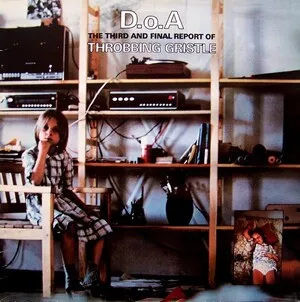
D.o.A: The Third and Final Report of Throbbing Gristle
Throbbing Gristle
Industrial
Similar artists
3
/5
Einstürzende Neubauten
Industrial
Experimental
Avant-Garde
1
/5
Various Artists
Afro-Funk
Alternative Rock
Ambient
2
/5
Cabaret Voltaire
Industrial
Acid House
Avant-Garde
3
/5
Skinny Puppy
Electro-Industrial
Industrial
Electronic
2
/5
Coil
Experimental
Industrial
Avant-Garde
2
/5
Laibach
Martial Industrial
Industrial
Electronic
2
/5
Muslimgauze
Experimental
Industrial
Tribal Ambient
1
/5
Pharmakon
Noise
Industrial
Death Industrial
1
/5
Controlled Bleeding
Industrial
Experimental
Power Electronics
3
/5
Swans
Experimental Rock
Post-Rock
No Wave
Download our mobile app
Get the Melodigging app and start digging for new genres on the go
Download on the App Store
Get it on Google Play
© 2026 Melodigging
Give feedback
Legal
Melodding was created as a tribute to
Every Noise at Once
, which inspired us to help curious minds keep digging into music's ever-evolving genres.