Genres
Make Music
Artists
Albums
Challenges
Sign in
Sign in
Albums
By Current 93
Albums
By Current 93
Tantric rNying.ma Chant of Tibet
1998
Listen
1
/5
Genres
Mantra
Mantra is a devotional chant-based music centered on the repetitive intonation of sacred syllables, words, or phrases—most commonly in Sanskrit, Gurmukhi, Pali, or Tibetan. While its liturgical roots are ancient, the modern recorded genre crystallized in the late 20th century through the global yoga and meditation movement. Typical performances feature long, cyclical repetitions over drones, gentle percussion, and spacious textures that invite contemplation and collective participation. Musically, mantra tends to favor modal harmony, steady or subtly evolving rhythms, and incremental dynamic arcs rather than verse–chorus structures. Instrumentation often blends Indian classical timbres (harmonium, tanpura, tabla) with acoustic guitar, hand percussion, and ambient/new-age sound design. The experience is meditative, heart-centered, and communal, distinguishing it from the more lyrical bhajan and the call-and-response song form of kirtan.
Discover
Listen
Experimental
Experimental music is an umbrella term for practices that prioritize exploration, process, and discovery over adherence to established genre norms. It embraces new sound sources, nonstandard tuning systems, indeterminacy and chance operations, graphic and open-form scores, extended techniques, and technology-led sound design (tape, electronics, computers, and live processing). Rather than a single style, it is a methodology and ethos: testing hypotheses about sound, structure, and performance, often blurring boundaries between composition, improvisation, sound art, and performance art. Listeners can expect unfamiliar timbres, unusual forms, and an emphasis on how music is made as much as the resulting sound.
Discover
Listen
Electronic
Electronic is a broad umbrella genre defined by the primary use of electronically generated or electronically processed sound. It encompasses music made with synthesizers, drum machines, samplers, computers, and studio/tape techniques, as well as electroacoustic manipulation of recorded or synthetic sources. The genre ranges from academic and experimental traditions to popular and dance-oriented forms. While its sonic palette is rooted in electricity and circuitry, its aesthetics span minimal and textural explorations, structured song forms, and beat-driven club permutations. Electronic emphasizes sound design, timbre, and studio-as-instrument practices as much as melody and harmony.
Discover
Listen
Non-Music
Non-music is an umbrella category for recorded audio whose primary purpose is not musical performance. It encompasses spoken word, speeches, interviews, poetry readings, comedy, audio documentaries, instructional recordings, field recordings, sound effects, and other forms of organized sound meant to inform, narrate, document, or entertain without relying on melody or conventional song structure. Rather than emphasizing harmony, rhythm, and instrumentation, non-music foregrounds voice, text, ambient sound, narrative flow, informational content, and sonic texture. Its aesthetics range from raw, unedited actuality to highly produced studio works, and its scope spans archival preservation, education, performance art, and mass entertainment.
Discover
Listen
Chöd
Chöd (Tibetan: gcod, “to cut”) is a Tibetan Buddhist ritual-music tradition whose chants, drum rhythms, and piercing trumpet calls accompany a tantric meditation aimed at cutting through ego-clinging. It is performed with a small two-headed hand drum (damaru), a ritual bell (drilbu), and the kangling (a high, reedy trumpet traditionally made from a thighbone), with vocal recitation moving between free-rhythm chant and formulaic melodic recitative. Its soundworld is stark and vivid: free-tempo vocal lines, sudden shouted interjections like “PHAT!”, cyclical drum patterns, rattling pellets on the damaru, and sustained kangling blasts that demarcate sections and summon deities and protectors. The music is inseparable from the sādhanā text and visualization sequence—invocation, offering, self-sacrifice as compassionate ‘feast,’ and dissolution—often practiced at liminal sites such as charnel grounds to cultivate fearlessness and compassion.
Discover
Listen
Tibetan Buddhist Chant
Tibetan Buddhist chant is a liturgical vocal tradition used in monasteries and temples across the Tibetan cultural sphere. Its most recognizable sound is the exceptionally low, overtone-rich "chordal" chanting practiced by tantric colleges, in which monks produce a fundamental tone with audible subharmonics to create a multi-tone effect. The chant accompanies ritual cycles, recitation of sutras and tantras, and the repetition of mantras such as "Om Mani Padme Hum." It is often framed by ritual instruments—long horns (dungchen), double-reed oboes (gyaling), conch shells (dungkar), thighbone trumpets (kangling), cymbals (rolmo, silnyen), hand drums (damaru), frame drums (nga), and bells (drilbu)—that cue sections, signal deities, and shape the ritual flow. Melodically, the style favors sustained tones, narrow-range formulae, and modal inflections; rhythm is breath-governed and leader-choir responsorial rather than strictly metrical. Beyond its sonic qualities, the chant is a contemplative practice: texts and seed syllables are vocalized with the aim of stabilizing attention, invoking enlightened qualities, and enacting visualization practices central to Vajrayana Buddhism.
Discover
Listen
Buddhist Music
Buddhist music is the broad family of liturgical chant and ritual sound practices associated with Buddhist traditions across Asia. It centers on the vocal recitation of sutras, mantras, and dhāraṇīs, often performed a cappella by monastics or lay chanters, and is designed to aid concentration, devotion, and the transmission of teachings. While primarily vocal and modal, instrumentation appears in many regional practices: Tibetan rituals feature low multiphonic chant with drums, large cymbals, horns, and shawms; Chinese fanbai and Korean beompae retain courtly timbres; Japanese shōmyō emphasizes refined, unison vocal lines; and Theravāda communities in Southeast Asia maintain austere Pāli chant with minimal or no accompaniment. Common traits include restricted melodic ambitus, formulaic melodic contours, free or flexible rhythm, and text-forward delivery in sacred languages such as Pāli, Sanskrit, Tibetan, Chinese, Korean, and Japanese.
Discover
Listen
Similar albums
2018
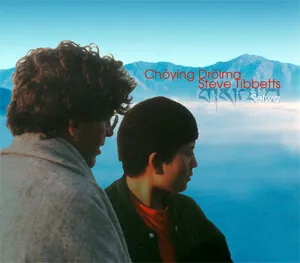
Selwa
Ani Chöying Drolma & Steve Tibbetts
1997
Chö
Ani Chöying Drolma & Steve Tibbetts
1992
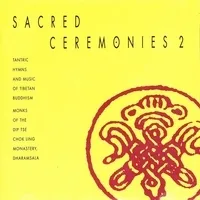
Sacred Ceremonies 2: Tantric Hymns and Music of Tibetan Buddhism
Monks of the Dip Tse Chok Ling Monastery, Dharamsala
2013
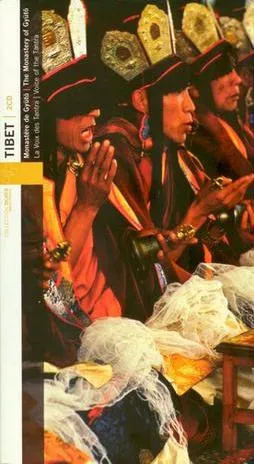
Tibet: Monastère de Gyütö - La voix des Tantra
The Gyuto Monks of Tibet
2008
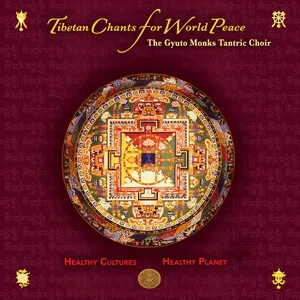
Tibetan Chants for World Peace
The Gyuto Monks Tantric Choir
2002
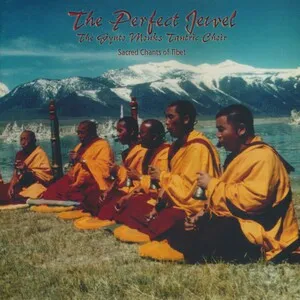
The Perfect Jewel: Sacred Chants of Tibet
The Gyuto Monks Tantric Choir
1989
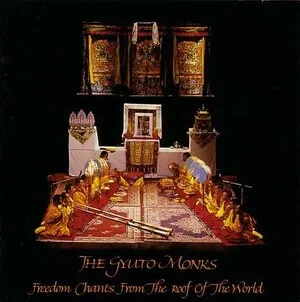
Freedom Chants From the Roof of the World
The Gyuto Monks of Tibet
1988
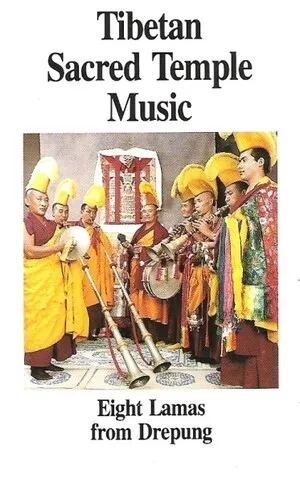
Tibetan Sacred Temple Music
Eight Lamas From Drepung
2016
Tibetan Mantras & Chants
Buddhist Monks of Maitri Vihar Monastery
2019
Tibet: Traditions rituelles des Bonpos
Download our mobile app
Get the Melodigging app and start digging for new genres on the go
Download on the App Store
Get it on Google Play
© 2026 Melodigging
Give feedback
Legal
Melodding was created as a tribute to
Every Noise at Once
, which inspired us to help curious minds keep digging into music's ever-evolving genres.