Genres
Make Music
Artists
Albums
Challenges
Sign in
Sign in
Albums
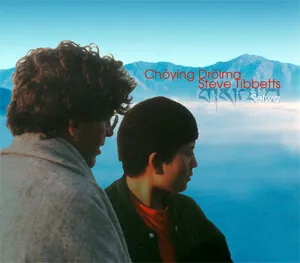
By Steve Tibbetts
Albums
By Steve Tibbetts
Selwa
May 10, 2018
Listen
2
/5
Genres
Tibetan New Age
Tibetan new age is a contemplative substyle of New Age that blends Tibetan Buddhist chant, ritual instruments (singing bowls, tingsha, dungchen long horns, gyaling oboes), and Himalayan modal idioms with spacious ambient production. Tracks typically emphasize long drones, very slow tempos or free rhythm, pentatonic and modal writing, and mantra-based vocals delivered in earthy low-register chant or soft, breathy tones. Field recordings of monasteries, wind, and prayer wheels are often layered with synth pads and bowls to evoke a vast, alpine sense of place. The result is music intended for meditation, yoga, and deep listening—less about harmonic progression than about sustained timbral bloom, resonance, and ritual atmosphere.
Discover
Listen
Ambient
Ambient is a form of electronic and electroacoustic music that prioritizes tone, atmosphere, and texture over conventional song structures and rhythmic drive. It typically features slow-moving harmonies, sustained drones, gentle timbral shifts, and extensive use of space and silence. Rather than drawing attention to itself through hooks or beats, ambient is designed to be as ignorable as it is interesting, rewarding both background listening and focused immersion. Artists often employ synthesizers, samplers, tape loops, field recordings, and subtle acoustic instruments, with reverb and delay creating a sense of place. Substyles range from luminous, consonant soundscapes to darker, more dissonant atmospheres.
Discover
Listen
Mantra
Mantra is a devotional chant-based music centered on the repetitive intonation of sacred syllables, words, or phrases—most commonly in Sanskrit, Gurmukhi, Pali, or Tibetan. While its liturgical roots are ancient, the modern recorded genre crystallized in the late 20th century through the global yoga and meditation movement. Typical performances feature long, cyclical repetitions over drones, gentle percussion, and spacious textures that invite contemplation and collective participation. Musically, mantra tends to favor modal harmony, steady or subtly evolving rhythms, and incremental dynamic arcs rather than verse–chorus structures. Instrumentation often blends Indian classical timbres (harmonium, tanpura, tabla) with acoustic guitar, hand percussion, and ambient/new-age sound design. The experience is meditative, heart-centered, and communal, distinguishing it from the more lyrical bhajan and the call-and-response song form of kirtan.
Discover
Listen
Folk
Folk is a song-centered acoustic tradition rooted in community storytelling, everyday life, and social history. It emphasizes clear melodies, simple harmonies, and lyrics that foreground narrative, protest, and personal testimony. As a modern recorded genre, folk coalesced in the early-to-mid 20th century in the United States out of older ballad, work song, and rural dance traditions. It typically features acoustic instruments (guitar, banjo, fiddle, mandolin, harmonica), strophic song forms, and participatory singing (choruses, call-and-response).
Discover
Listen
Electronic
Electronic is a broad umbrella genre defined by the primary use of electronically generated or electronically processed sound. It encompasses music made with synthesizers, drum machines, samplers, computers, and studio/tape techniques, as well as electroacoustic manipulation of recorded or synthetic sources. The genre ranges from academic and experimental traditions to popular and dance-oriented forms. While its sonic palette is rooted in electricity and circuitry, its aesthetics span minimal and textural explorations, structured song forms, and beat-driven club permutations. Electronic emphasizes sound design, timbre, and studio-as-instrument practices as much as melody and harmony.
Discover
Listen
Central Asian Music
Central Asian music is a broad family of traditions shared across the Silk Road heartlands—today’s Uzbekistan, Tajikistan, Kazakhstan, Kyrgyzstan, and Turkmenistan, with strong ties to Uyghur, Pamiri, and other regional cultures. It blends Turkic nomadic song and epic recitation with Persianate courtly repertoire and Islamic modal theory, producing rich vocal melismas, intricate modal (maqom/maqam) systems, and cyclical rhythms (usul). Instrumentation centers on long‑necked lutes (dutar, tanbur, komuz, dombra), bowed fiddles (ghijak/kamancheh, qobyz), frame drums (doira/doyra), reed and woodwind instruments (surnay, nai), and zither or harp relatives (chang). Stylistically, it spans refined urban suites such as Shashmaqam to nomadic epic performance (akyn/jyrau/manaschi), wedding dance music driven by doira patterns, and intimate lyrical songs. Its timbral palette favors resonant plucked strings, bright double‑reed leads, and expressive, ornamented vocals.
Discover
Listen
Tibetan Buddhist Chant
Tibetan Buddhist chant is a liturgical vocal tradition used in monasteries and temples across the Tibetan cultural sphere. Its most recognizable sound is the exceptionally low, overtone-rich "chordal" chanting practiced by tantric colleges, in which monks produce a fundamental tone with audible subharmonics to create a multi-tone effect. The chant accompanies ritual cycles, recitation of sutras and tantras, and the repetition of mantras such as "Om Mani Padme Hum." It is often framed by ritual instruments—long horns (dungchen), double-reed oboes (gyaling), conch shells (dungkar), thighbone trumpets (kangling), cymbals (rolmo, silnyen), hand drums (damaru), frame drums (nga), and bells (drilbu)—that cue sections, signal deities, and shape the ritual flow. Melodically, the style favors sustained tones, narrow-range formulae, and modal inflections; rhythm is breath-governed and leader-choir responsorial rather than strictly metrical. Beyond its sonic qualities, the chant is a contemplative practice: texts and seed syllables are vocalized with the aim of stabilizing attention, invoking enlightened qualities, and enacting visualization practices central to Vajrayana Buddhism.
Discover
Listen
Tibetan Music
Tibetan music encompasses the ritual sounds of Tibetan Buddhism, secular folk repertoires from the plateau, and theatrical forms such as lhamo (Tibetan opera). It is marked by powerful long-horn fanfares (dungchen), piercing double-reed calls (gyaling), metallic cymbal textures (rolmo), frame and hand drums (damaru, nga), and deep multiphonic monastery chant. Melodically, many secular songs are pentatonic with graceful ornaments and narrow ambitus suited to high-altitude vocal production, while liturgical chant emphasizes sustained drones, modal centricity, and mantra recitation rather than functional harmony. Core genres include devotional chant, the urban salon styles nangma and toeshey of Lhasa, pastoral folk songs, and ceremonial dance music (cham) accompanying masked rituals. Texts are often in Tibetan and center on devotion, moral teachings, nature, and epic-historical themes. The sound world ranges from thunderous, epic temple ensembles to intimate, contemplative singing with dranyen (Tibetan lute) and piwang (spike fiddle).
Discover
Listen
Buddhist Music
Buddhist music is the broad family of liturgical chant and ritual sound practices associated with Buddhist traditions across Asia. It centers on the vocal recitation of sutras, mantras, and dhāraṇīs, often performed a cappella by monastics or lay chanters, and is designed to aid concentration, devotion, and the transmission of teachings. While primarily vocal and modal, instrumentation appears in many regional practices: Tibetan rituals feature low multiphonic chant with drums, large cymbals, horns, and shawms; Chinese fanbai and Korean beompae retain courtly timbres; Japanese shōmyō emphasizes refined, unison vocal lines; and Theravāda communities in Southeast Asia maintain austere Pāli chant with minimal or no accompaniment. Common traits include restricted melodic ambitus, formulaic melodic contours, free or flexible rhythm, and text-forward delivery in sacred languages such as Pāli, Sanskrit, Tibetan, Chinese, Korean, and Japanese.
Discover
Listen
Similar albums
1997
Chö
Ani Chöying Drolma & Steve Tibbetts
1991
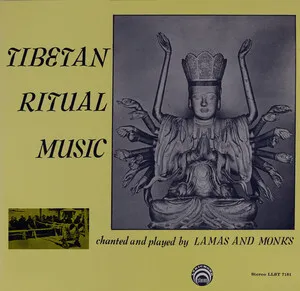
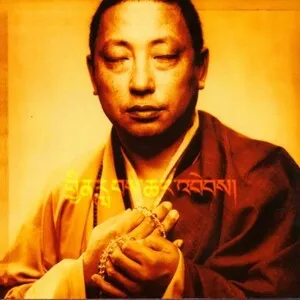
Tibetan Ritual Music Chanted and Played by Lamas and Monks of the Four Great Orders
Lamas of the Nyingmapa Monastery of Dehra Dun
1988
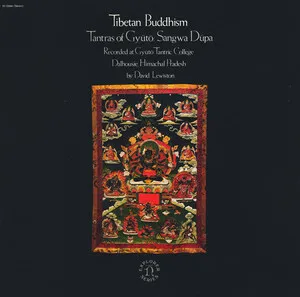
Tibetan Buddhism: Tantras of Gyütö - Sangwa Düpa
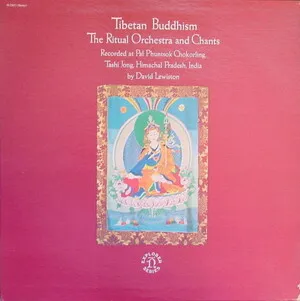
1976
Tibetan Buddhism: The Ritual Orchestra and Chants
2000
Rain of Blessings: Vajra Chants
Lama Gyurme & Jean-Philippe Rykiel
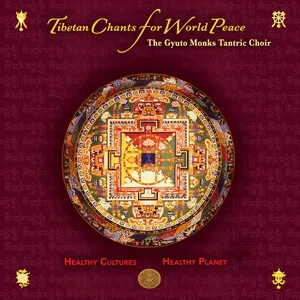
2008
Tibetan Chants for World Peace
The Gyuto Monks Tantric Choir
1998
Coming Home
Yungchen Lhamo
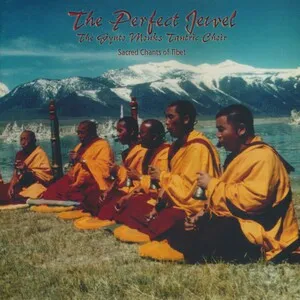
2002
The Perfect Jewel: Sacred Chants of Tibet
The Gyuto Monks Tantric Choir
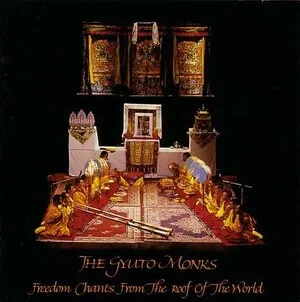
1989
Freedom Chants From the Roof of the World
The Gyuto Monks of Tibet
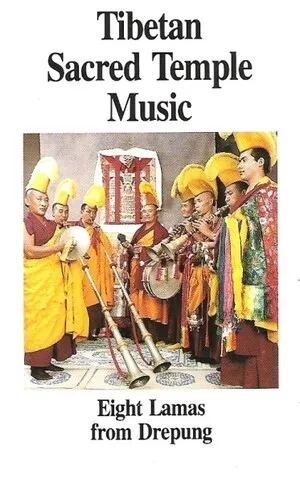
1988
Tibetan Sacred Temple Music
Eight Lamas From Drepung
Download our mobile app
Get the Melodigging app and start digging for new genres on the go
Download on the App Store
Get it on Google Play
© 2026 Melodigging
Give feedback
Legal
Melodding was created as a tribute to
Every Noise at Once
, which inspired us to help curious minds keep digging into music's ever-evolving genres.