Genres
Artists
Albums
Make Music
Sign in
Sign in
Artists
Dark Jazz
Artists
Dark Jazz
Colin Stetson
2011–2024
·
13 albums
Listen
3
/5
Genres
Analog Horror
Analog horror is an internet-born horror style that foregrounds the texture and limits of obsolete media. It is characterized by lo‑fi, band‑limited sound, tape hiss, wow and flutter, and the sonic vocabulary of public‑access TV, VHS cassettes, emergency broadcast signals, and numbers stations. In narrative terms, it tends toward cryptic, surreal plots presented as faux archival broadcasts, training films, or interrupted transmissions. Musically, the idiom leans on drones, minimal motifs, degraded samples, and detuned analog synths, using period‑authentic processing to evoke dread, nostalgia, and the uncanny.
Discover
Listen
Anime Lo-Fi
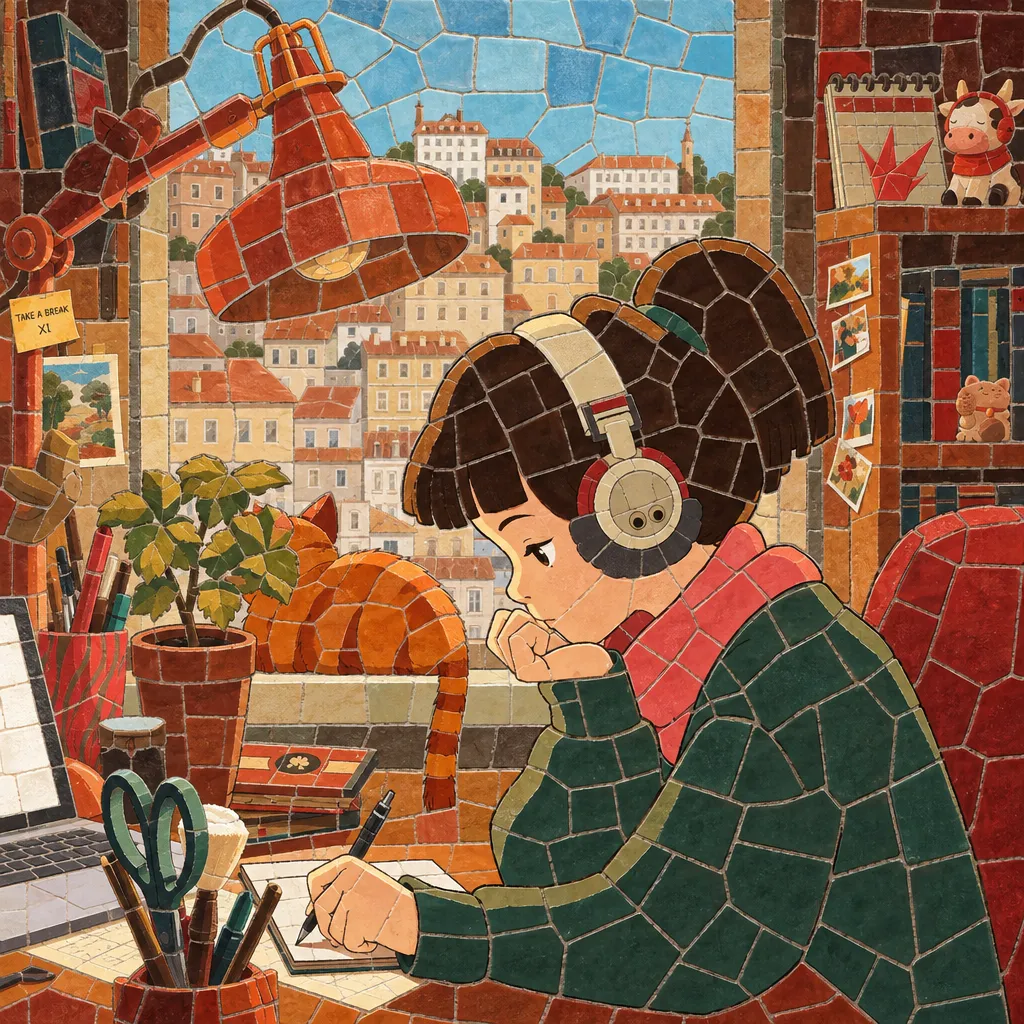
Anime lo-fi is a microstyle of lo-fi hip hop that pairs mellow, dusty boom‑bap beats with melodies and textures associated with Japanese animation. Producers often sample or emulate anime soundtracks, dialogue snippets, and sentimental J‑pop/VGM harmonies, then filter them through tape hiss, vinyl crackle, detuned keys, and softly sidechained drums. Beyond sound, the genre is inseparable from a visual culture of looping anime scenes (e.g., the iconic "study girl"), cozy late‑night ambience, and pastel palettes. The result is intimate, unobtrusive "study beats" designed for focus, calm, and gentle nostalgia—an internet-native mood music that sits between chillhop and vaporwave aesthetics.
Discover
Listen
Chamber Psych
Chamber psych blends the intimate, acoustic instrumentation and careful arrangements of chamber pop with the hazy textures, tape-warm production, and surreal harmonies of psychedelic pop. Expect strings, woodwinds, vibraphone, Mellotron, and harpsichord to sit alongside vintage keyboards, gently motorik drums, and fluttering tape delays. Vocals are often close‑mic’d and breathy, melodies skew wistful or otherworldly, and songs privilege mood and arrangement craft over volume. The result feels simultaneously handcrafted and dreamlike: miniature orchestras scoring psychedelic reveries.
Discover
Listen
New Isolationism
New isolationism is a contemporary strain of isolationist ambient and post-industrial minimalism that emerged in the 2010s, particularly around Scandinavian experimental labels and studios. It foregrounds intimate, close-mic’d sound, negative space, and a quiet-but-present noise floor; its pieces feel both internal and architectural, like rooms built from reverb tails, tape hiss, and soft electronics. Sonically, the style blends glacial drones, fragile chamber timbres (strings, organ, piano), lo‑fi electronics, and field recordings into stark, slow-evolving tableaux. Melodic information is sparse—often only a few tones or gestures—while rhythm is either absent or reduced to distant pulses, heartbeats, or mechanical cycles. Vocals, when they appear, are murmured, diaristic, or abstracted by pitch and time manipulation. Aesthetically, new isolationism is post‑internet and diaristic: it captures solitude, memory, and dislocation with a palette that feels personal yet estranged, drawing as much from contemporary gallery sound practice as from classic dark ambient.
Discover
Listen
Pov: Indie
"pov: indie" is a social-media-native microstyle built around short, cinematic indie-pop/indie-rock snippets designed to accompany a first-person (POV) narrative. Instead of being defined by a single new musical technique, it is defined by context: the music is chosen or written to feel like the soundtrack to a specific moment (a crush, a late-night walk, moving to a new city, seasonal nostalgia). Sonically it typically uses bright but soft guitars or synths, intimate vocals, simple memorable hooks, and production that reads clearly on phone speakers. The emotional tone is often wistful, tender, and “coming-of-age,” with lyrics that can be understood quickly in a 10–30 second clip.
Discover
Listen
Wave
Wave is an internet-born electronic genre that emerged in the mid‑2010s, blending half‑time trap rhythms with ambient pads, emotive minor‑key harmony, and dubstep-informed sound design. It favors atmosphere and mood over maximal aggression, often pairing wide, reverb‑washed textures with weighty 808 subs and sparse melodic leads. Tracks typically sit around 120–140 BPM with a half‑time feel (60–70 BPM perceived), featuring crisp hi‑hat flicks, roomy snares on beat three, and long, cinematic builds and breakdowns. Vocals, when present, tend to be ethereal phrases or chopped one‑shots used as textures rather than full verses. While rooted in online communities and labels/collectives, Wave gradually crossed over to physical club spaces, maintaining a balance between headphone introspection and dancefloor momentum.
Discover
Listen
Dark Jazz
Dark jazz is a moody, slow-burning strain of jazz that blends late-night noir atmospheres with ambient, drone, and doom-influenced pacing. It favors minimal harmony, cavernous reverbs, and an emphasis on space and texture over virtuosic solos. Smoky saxophones, bowed double bass, brushed drums, piano or Rhodes, vibraphone, and guitars drenched in delay are common timbral anchors. Rather than bebop’s momentum or swing’s buoyancy, dark jazz lingers on hushed dynamics and sustained tones, creating a cinematic, often melancholic aura reminiscent of urban rain, deserted streets, and after-hours solitude.
Discover
Listen
Totalism
Totalism is a postminimalist current in American contemporary composition that emerged in New York City at the turn of the 1990s. It pairs minimalism’s driving repetition and clear harmonies with the simultaneous layering of contrasting tempos, meters, and rhythmic cycles. Where classic minimalism often favors a single steady pulse, totalism embraces multiple, coexisting pulses—often in rational tempo ratios (such as 3:2, 4:3, 5:4)—to create grooves that are both propulsive and metrically intricate. Its sound world frequently mixes amplified chamber ensembles with rock instrumentation (drum set, electric guitar and bass) and draws rhythmic inspiration from rock, funk, and global polyrhythms. Aesthetically, totalism sought a middle path between the austerity of modernist complexity and the smooth surfaces of early minimalism: music that is visceral and loud, yet intellectually and rhythmically detailed.
Discover
Listen
Indie
Indie (short for “independent”) began as music made and released outside the major-label system, where a DIY ethos shaped everything from songwriting and recording to artwork and touring. As a sound, indie is eclectic but often features jangly or overdriven guitars, intimate or understated vocals, melodic basslines, and unvarnished production that foregrounds authenticity over gloss. It spans rock, pop, and folk while welcoming electronic textures and lo‑fi aesthetics. Lyrics typically focus on personal observation, small details, and wry self-awareness rather than overt virtuosity or spectacle. Beyond style, indie describes a culture: small labels and stores, college/alternative radio, fanzines/blogs, community venues, and scenes that value experimentation, individuality, and artistic control.
Discover
Listen
Post-Minimalism
Post-minimalism is a strand of contemporary classical music that grows out of 1960s minimalism but permits greater harmonic variety, expressive shaping, and formal narrative. It retains hallmarks such as steady pulse, repetitive patterns, and clear tonal or modal centers, yet loosens strict process rules, welcomes richer orchestration, and often draws on influences from rock, jazz, and non-Western musics. Compared with early minimalism’s austere procedures, post-minimalist works tend to feature long-arching climaxes, brighter triadic harmony, layered ostinati, and dynamic textural changes, yielding music that can be both hypnotic and overtly dramatic. The style appears in concert works, opera, chamber music, and film, where its driving pulse and luminous harmonies translate into compelling narrative momentum.
Discover
Listen
Experimental
Experimental music is an umbrella term for practices that prioritize exploration, process, and discovery over adherence to established genre norms. It embraces new sound sources, nonstandard tuning systems, indeterminacy and chance operations, graphic and open-form scores, extended techniques, and technology-led sound design (tape, electronics, computers, and live processing). Rather than a single style, it is a methodology and ethos: testing hypotheses about sound, structure, and performance, often blurring boundaries between composition, improvisation, sound art, and performance art. Listeners can expect unfamiliar timbres, unusual forms, and an emphasis on how music is made as much as the resulting sound.
Discover
Listen
Avant-Garde Jazz
Avant-garde jazz is a boundary-pushing current of jazz that privileges experimentation, collective improvisation, and timbral exploration over conventional song forms and chord progressions. It often uses atonality or loose tonality, extended instrumental techniques, shifting or absent meters, and open forms. Ensembles may emphasize texture and density as much as melody and harmony, drawing as readily from modern classical music and non-Western traditions as from blues and bebop. While sometimes intense or noisy, avant-garde jazz also embraces spaciousness and silence, allowing players to interact in real time without predetermined roles. The result is music that questions the limits of jazz itself, foregrounding sound, spontaneity, and social expression.
Discover
Listen
Rock
Rock is a broad family of popular music centered on amplified instruments, a strong backbeat, and song forms that foreground riffs, choruses, and anthemic hooks. Emerging from mid‑20th‑century American styles like rhythm & blues, country, and gospel-inflected rock and roll, rock quickly expanded in scope—absorbing folk, blues, and psychedelic ideas—while shaping global youth culture. Core sonic markers include electric guitar (often overdriven), electric bass, drum kit emphasizing beats 2 and 4, and emotive lead vocals. Rock songs commonly use verse–chorus structures, blues-derived harmony, and memorable melodic motifs, ranging from intimate ballads to high‑energy, stadium‑sized performances.
Discover
Listen
Soundtrack
Soundtrack is music created to accompany and enhance visual media such as film, television, and video games. It includes original scores (instrumental or vocal music composed specifically for the picture) and, at times, curated compilations of pre-existing songs. Stylistically, soundtrack is a meta-genre that can encompass orchestral symphonic writing, jazz, electronic and synth-driven textures, choral forces, popular song, and experimental sound design. Its defining trait is functional storytelling: themes, motifs, harmony, rhythm, and timbre are shaped by narrative needs, character psychology, pacing, and editing. Common features include leitmotifs for characters or ideas, modular cues that can be edited to picture, dynamic orchestration for dramatic range, and production approaches that sit well under dialogue and sound effects. Because it must synchronize to picture, soundtrack often uses clear dramatic arcs, tempo maps, and hit points.
Discover
Listen
Jazz
Jazz is an improvisation-centered music tradition that emerged from African American communities in the early 20th century. It blends blues feeling, ragtime syncopation, European harmonic practice, and brass band instrumentation into a flexible, conversational art. Defining features include swing rhythm (a triplet-based pulse), call-and-response phrasing, blue notes, and extended harmonies built on 7ths, 9ths, 11ths, and 13ths. Jazz is as much a way of making music—spontaneous interaction, variation, and personal sound—as it is a set of forms and tunes. Across its history, jazz has continually hybridized, from New Orleans ensembles and big-band swing to bebop, cool and hard bop, modal and free jazz, fusion, and contemporary cross-genre experiments. Its influence permeates global popular and art music.
Discover
Listen
Avant-Garde
Avant-garde music is an umbrella term for boundary-pushing practices that challenge prevailing norms of harmony, rhythm, timbre, form, and performance. It privileges experimentation, conceptual rigor, and a willingness to reframe what counts as music at all. Historically tied to early 20th‑century artistic modernism, avant-garde music introduced atonality, the emancipation of noise, and new forms of notation and process. It embraces indeterminacy, extended techniques, electronics, spatialization, and multimedia performance, treating sound as material to be sculpted, questioned, and reinvented.
Discover
Listen
Instrumental
Instrumental is music created and performed without sung lyrics, placing the expressive weight on melody, rhythm, harmony, and timbre produced by instruments. As an umbrella practice it appears in many cultures, but its modern identity cohered in Baroque-era Europe when purely instrumental forms such as the sonata, concerto, and dance suites began to flourish. Since then, instrumental thinking—developing motives, structuring form without text, and showcasing timbral contrast—has informed everything from orchestral music and solo piano repertoire to post-rock, film scores, and beat-driven electronic styles. Instrumental works can be intimate (solo or chamber) or expansive (full orchestra), narrative (programmatic) or abstract (absolute music). The absence of lyrics invites listeners to project imagery and emotion, making the style a natural fit for cinema, games, and contemplative listening.
Discover
Listen
Show all 17 genres
Albums
2024
1
/5
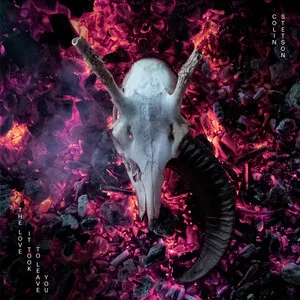
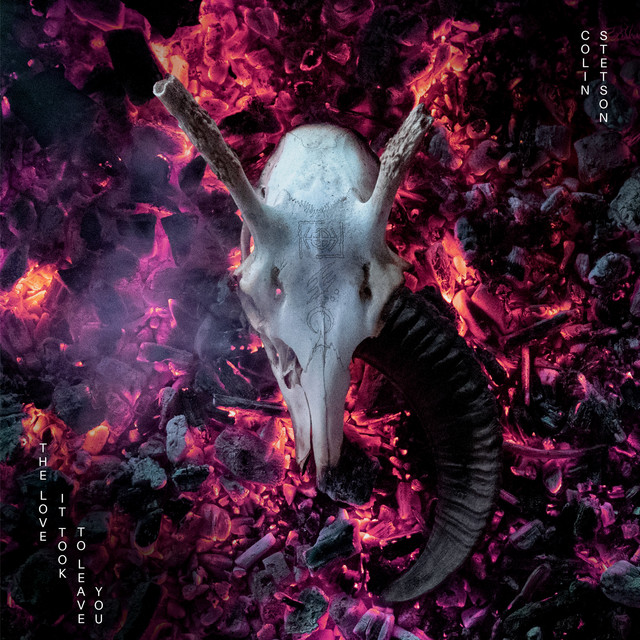
The Love It Took to Leave You
Colin Stetson
Post-Minimalism
Experimental
Instrumental
2024
1
/5
The Six
Colin Stetson
Dark Jazz
2024
1
/5
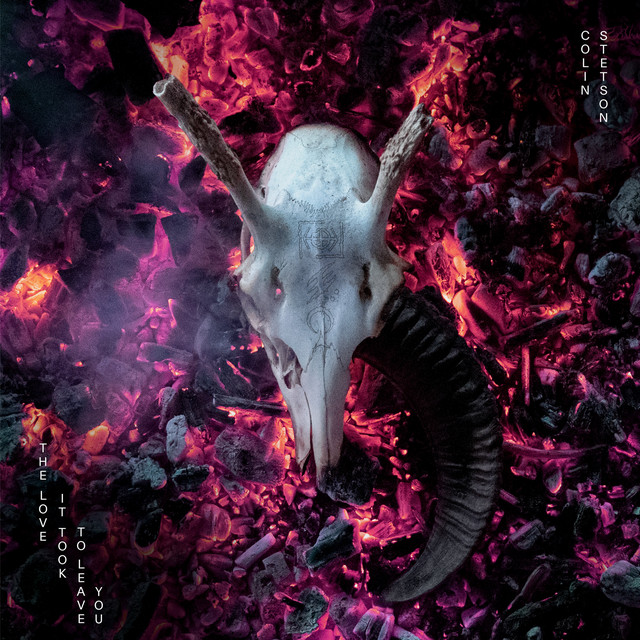
The love it took to leave you
Colin Stetson
Dark Jazz
2023
2
/5
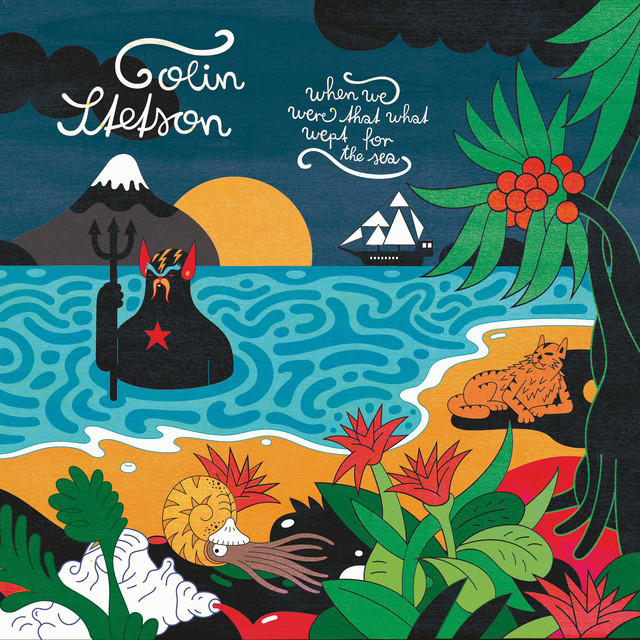
When We Were That What Wept for the Sea
Colin Stetson
Post-Minimalism
Dark Jazz
Experimental
2022
1
/5
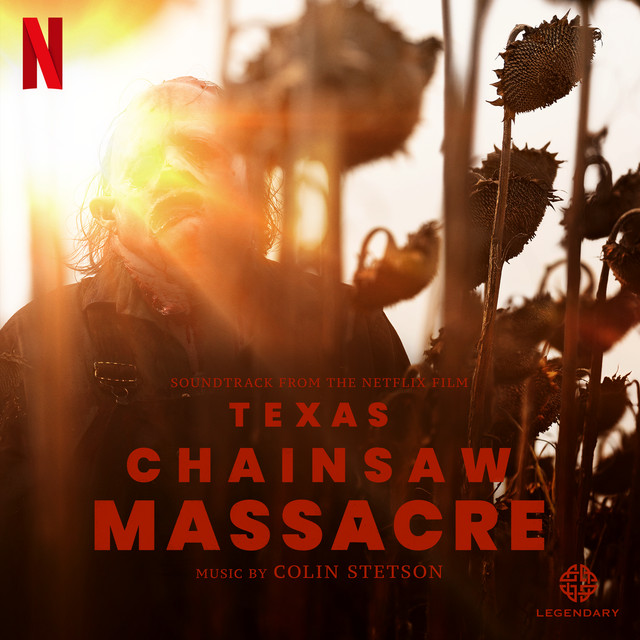
Texas Chainsaw Massacre (Soundtrack from the Netflix Film)
Colin Stetson
Dark Jazz
2021
1
/5
Beyond the Brake
Colin Stetson
Dark Jazz
2020
2
/5
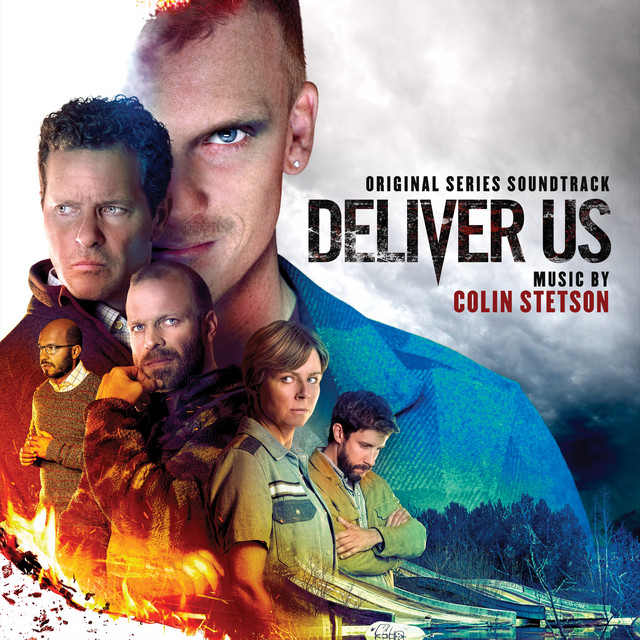
Deliver Us (Original Series Soundtrack)
Colin Stetson
Dark Jazz
2018
3
/5
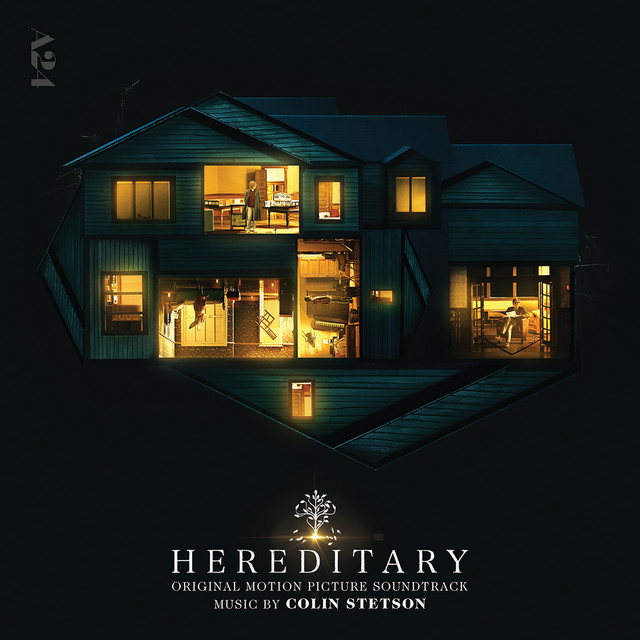
Hereditary (Original Soundtrack Album)
Colin Stetson
Dark Jazz
Soundtrack
2017
2
/5
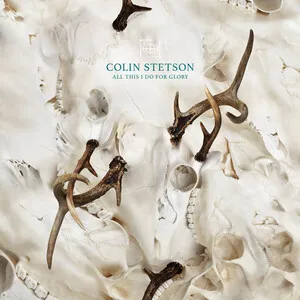
All This I Do for Glory
Colin Stetson
Totalism
Avant-Garde
Jazz
2015
1
/5
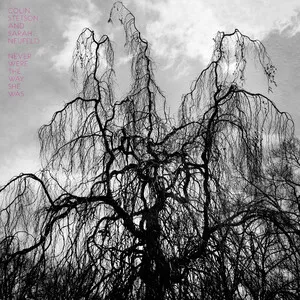
Never Were the Way She Was
Colin Stetson & Sarah Neufeld
Post-Minimalism
2013
1
/5
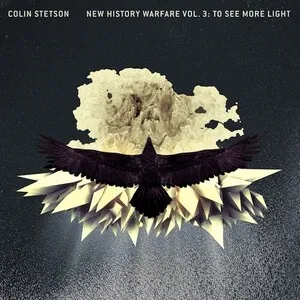
New History Warfare Vol. 3: To See More Light
Colin Stetson
Post-Minimalism
Avant-Garde Jazz
Jazz
2011
2
/5
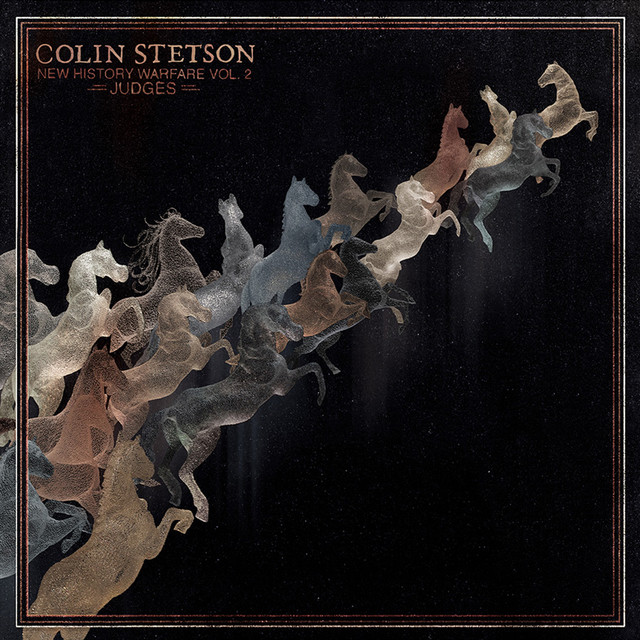
New History Warfare Vol. 2: Judges
Colin Stetson
Dark Jazz
Avant-Garde Jazz
Jazz
2011
1
/5
New History Warfare Vol. 2: Judges
Colin Stetson
Post-Minimalism
Avant-Garde Jazz
Jazz
Similar artists
1
/5
Various Artists
Afro-Funk
Alternative Rock
Ambient
2
/5
The Kilimanjaro Darkjazz Ensemble
Dark Jazz
Dark Ambient
Electronic
2
/5
Park Jiha
Avant-Garde
Post-Minimalism
Fusion Gugak
4
/5
Thom Yorke
Glitch Pop
Electronic
Rock
3
/5
Flying Lotus
Glitch Hop
Idm
Instrumental Hip Hop
3
/5
Angelo Badalamenti
Dark Jazz
Soundtrack
Jazz
3
/5
Trigg & Gusset
Dark Jazz
Jazz
Electronic
3
/5
Bohren & Der Club Of Gore
Dark Jazz
Dark Ambient
Ambient
3
/5
CASIOPEA
Jazz Fusion
Jazz
Jazz-Funk
1
/5
John Zorn
Avant-Garde Jazz
Free Improvisation
Jazz
Download our mobile app
Get the Melodigging app and start digging for new genres on the go
Download on the App Store
Get it on Google Play
© 2026 Melodigging
Give feedback
Legal
Melodding was created as a tribute to
Every Noise at Once
, which inspired us to help curious minds keep digging into music's ever-evolving genres.