Genres
Artists
Albums
Make Music
Sign in
Sign in
Artists
Doom Metal
Artists
Doom Metal
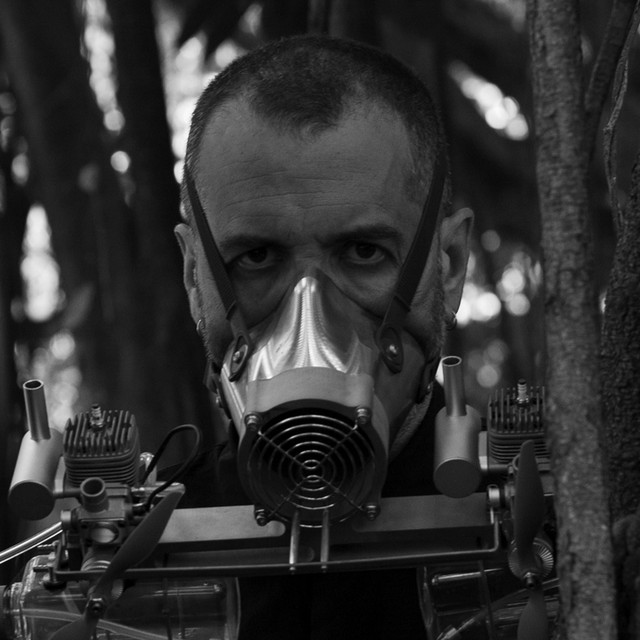
Author & Punisher
Listen
2
/5
Genres
Swancore
Swancore is a bright, technical offshoot of post-hardcore marked by intricate, funk-tinged guitar work, elastic grooves, and the interplay of soaring clean vocals with harsher screams. Named after guitarist Will Swan (Dance Gavin Dance), the style emphasizes tight, syncopated riffing, frequent tapping, and jazz-fusion flourishes wrapped in catchy, pop-forward hooks. Arrangements pivot rapidly between aggressive bursts and sleek melodic passages. The harmony often ventures beyond basic triads to include extensions, mode mixture, and chromatic voice-leading, while drums favor ghost-note heavy, linear patterns and occasional odd-meter turns. Despite the complexity, Swancore typically retains an upbeat, glossy production aesthetic that highlights clarity, agility, and rhythmic snap.
Discover
Listen
Neurostep
Neurostep is a hybrid subgenre that merges the sound‑design intensity of neurofunk drum & bass with the halftime groove and weight of dubstep. Typically sitting around 140 BPM (sometimes 150), it emphasizes intricate, constantly morphing bass timbres, razor‑edged transients, and tightly engineered drops. Compared to classic dubstep, neurostep is less about sparse wobble basses and more about complex, resampled, FM/phase‑modulated bass layers that evolve bar by bar. The drums are punchy and surgical—kicks carve through dense low‑end, snares land hard on the third beat, and ghosted percussion and glitch fills keep momentum between phrases. Its overall aesthetic is dark, technical, and cinematic: dystopian atmospheres, granular textures, and call‑and‑response bass motifs are common, while breakdowns often showcase sound‑design detail and tension before a precision‑engineered drop.
Discover
Listen
Drone Metal
Drone metal (often called drone doom) is an extreme, minimalist offshoot of doom metal that centers on sustained tones, monumental volume, and glacial tempos. Rather than relying on riffs or conventional grooves, it foregrounds long, vibrating chords, amplifier feedback, and the physical presence of sound itself. Its textures are typically cavernous and monochromatic, with guitars tuned very low, notes held for extended durations, and percussion either sparse or entirely absent. Vocals—if present—range from ritualistic chants to guttural growls or distant murmurs, often treated as another layer of texture rather than a narrative lead. The result is immersive and meditative, yet crushing: a music of weight, space, and resonance that emphasizes timbre and decay over melody and rhythm.
Discover
Listen
Industrial Metal
Industrial metal is a fusion of the mechanized, abrasive textures of industrial music with the weight, riff-driven power, and aggression of heavy metal. It emphasizes machine-like rhythms, down-tuned guitars, harsh or processed vocals, and extensive use of sequencers, drum machines, and sampling. The sound often evokes dystopian, anti-authoritarian, and techno-skeptical themes, with a tight, repetitive groove that feels both robotic and visceral. Hallmarks include palm-muted chug riffs synchronized to quantized beats, distorted bass and synth layers, and production that foregrounds hard-edged, metallic timbres and found sounds (e.g., factory noise, machinery, alarms).
Discover
Listen
Sludge Metal
Sludge metal is a hybrid of doom metal’s slow, downtuned weight and hardcore punk’s raw aggression. It emphasizes thick, overdriven guitar tones, throttling bass, and drums that lurch between trudging slow-motion grooves and ragged mid‑tempo blasts. Vocals are typically screamed, barked, or anguished, often buried slightly in the mix to feel abrasive and cathartic. The style took shape in the late 1980s United States—particularly the Pacific Northwest and the American South—where bands fused Sabbath‑like doom riffs with the DIY harshness of hardcore and the scabrous textures of noise rock. Lyrical themes commonly explore addiction, despair, social decay, and Southern Gothic imagery, delivered with an intentionally gritty, unvarnished production aesthetic.
Discover
Listen
Doom Metal
Doom metal is a heavy metal subgenre defined by slow to mid-tempo grooves, down-tuned, highly distorted guitars, and an atmosphere of dread, melancholy, and weight. It emphasizes ominous, minor-key riffs and sustained tones over speed or virtuosity, creating a crushing sense of space and inevitability. Vocals range from plaintive and theatrical (epic/traditional doom) to anguished wails or harsh growls (death-doom), and lyrics often explore themes of suffering, mortality, the occult, apocalyptic visions, and existential despair. Song structures are typically riff-centric and long-form, with repetition and gradual dynamic shifts producing a hypnotic, ritualistic feel.
Discover
Listen
Industrial
Industrial is an experimental electronic music tradition that uses abrasive timbres, mechanical rhythms, and transgressive aesthetics. Its sound palette often includes distorted drum machines, tape loops, metallic percussion, feedback, and found-object recordings alongside synthesizers and samplers. Emerging from late-1970s UK underground art and performance scenes, industrial foregrounds themes of dehumanization, technology, surveillance, and power. Releases frequently embrace anti-commercial presentation, stark graphic design, and confrontational performance art, treating the studio as a laboratory for sonic manipulation rather than a vehicle for conventional songcraft. While early industrial emphasized noise, tape processing, and avant-garde collage, later waves fused the style with dancefloor precision (EBM), rock and metal heft, and club-oriented production, giving rise to a broad post-industrial family that remains influential in experimental, electronic, and popular music.
Discover
Listen
Industrial Rock
Industrial rock fuses the abrasive sonics of industrial music with the riffs, song structures, and performance energy of rock. Characterized by distorted guitars, pounding drum machines, sequenced bass lines, metallic samples, and heavily processed vocals, the style evokes a mechanized, dystopian atmosphere. Tempos often sit between 100–140 BPM, with rigid 4/4 grooves, syncopated patterns, and looped motifs that feel relentless and machine-driven. Lyrically and aesthetically, industrial rock often explores themes of alienation, power, technology, politics, and transgression, drawing on post-punk’s nihilism and performance-art provocation while retaining rock’s hook-driven choruses.
Discover
Listen
Noise
Noise is an experimental music genre that uses non-traditional sound sources, distortion, feedback, and extreme dynamics as primary musical materials. Instead of emphasizing melody, harmony, or conventional rhythm, it focuses on texture, density, timbre, and the physical presence of sound. Practitioners sculpt saturated walls of sound, piercing feedback, metallic clatter, contact-mic scrapes, tape hiss, and electronic interference into works that can be confrontational or meditative. Performances often highlight process and immediacy—improvisation, body movement, and site-specific acoustics—while recordings can range from lo-fi cassette overload to meticulously layered studio constructions. Though rooted in early avant-garde ideas, the genre coalesced as a distinct practice in the late 1970s and 1980s, especially through Japan’s ‘Japanoise’ scene, and subsequently influenced numerous styles across industrial, punk-adjacent, and experimental electronic music.
Discover
Listen
Drone
Drone is a minimalist music genre defined by sustained tones, long durations, and extremely gradual change. Harmony is often static or centered on a single fundamental with subtle overtone shifts, while rhythm tends toward stasis or very slow pulses. Sound sources range from acoustic instruments (e.g., strings, organ, bagpipes, shruti box, tambura) to electronics (sine waves, oscillators, feedback, tape loops, and later digital synthesis and processing). Many composers favor just intonation or other alternative tuning systems to emphasize beating patterns, psychoacoustic effects, and the internal life of sound. Although drone as a sonic principle is ancient and global, the modern experimental genre cohered in the 1960s through the New York minimalists and related avant‑garde circles, then spread into ambient, experimental, and heavy music scenes. The focus is less on melody and more on timbre, resonance, and the phenomenology of listening.
Discover
Listen
Experimental
Experimental music is an umbrella term for practices that prioritize exploration, process, and discovery over adherence to established genre norms. It embraces new sound sources, nonstandard tuning systems, indeterminacy and chance operations, graphic and open-form scores, extended techniques, and technology-led sound design (tape, electronics, computers, and live processing). Rather than a single style, it is a methodology and ethos: testing hypotheses about sound, structure, and performance, often blurring boundaries between composition, improvisation, sound art, and performance art. Listeners can expect unfamiliar timbres, unusual forms, and an emphasis on how music is made as much as the resulting sound.
Discover
Listen
Show all 11 genres
Similar artists
3
/5
Swans
Experimental Rock
Post-Rock
No Wave
3
/5
Boris
Gaian Doom
Drone
Drone Metal
2
/5
The Body
Death Industrial
Doom Metal
Sludge Metal
2
/5
Merzbow
Japanoise
Noise
Electronic
2
/5
Prurient
Industrial
Noise
Fort Thunder Scene
2
/5
JK Flesh
Dub Metal
Noise
Dark Ambient
2
/5
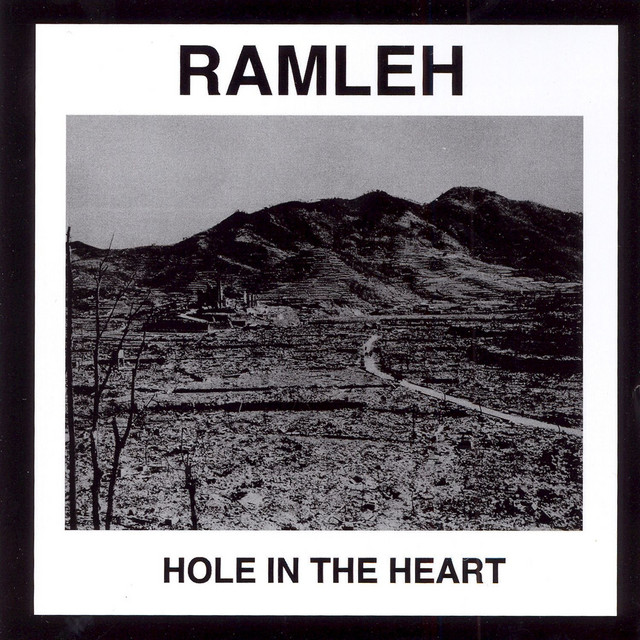
Ramleh
Experimental
Industrial
Noise
2
/5
Nurse With Wound
Industrial
Dark Ambient
Experimental
2
/5
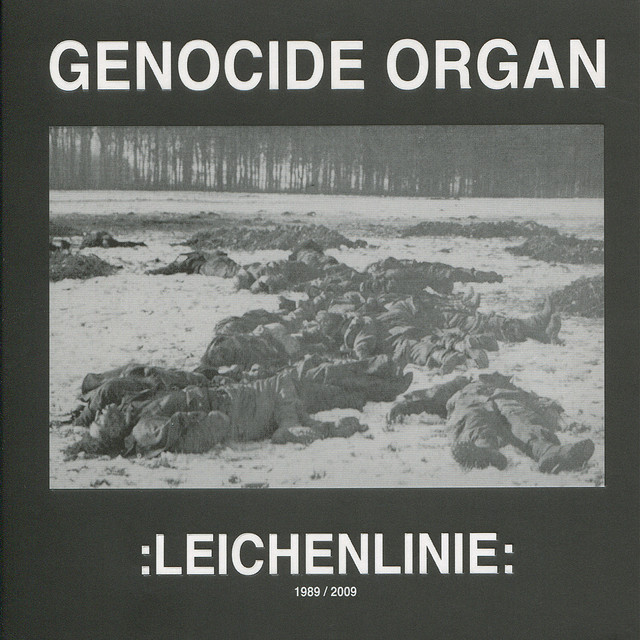
Genocide Organ
Death Industrial
Industrial
Noise
1
/5
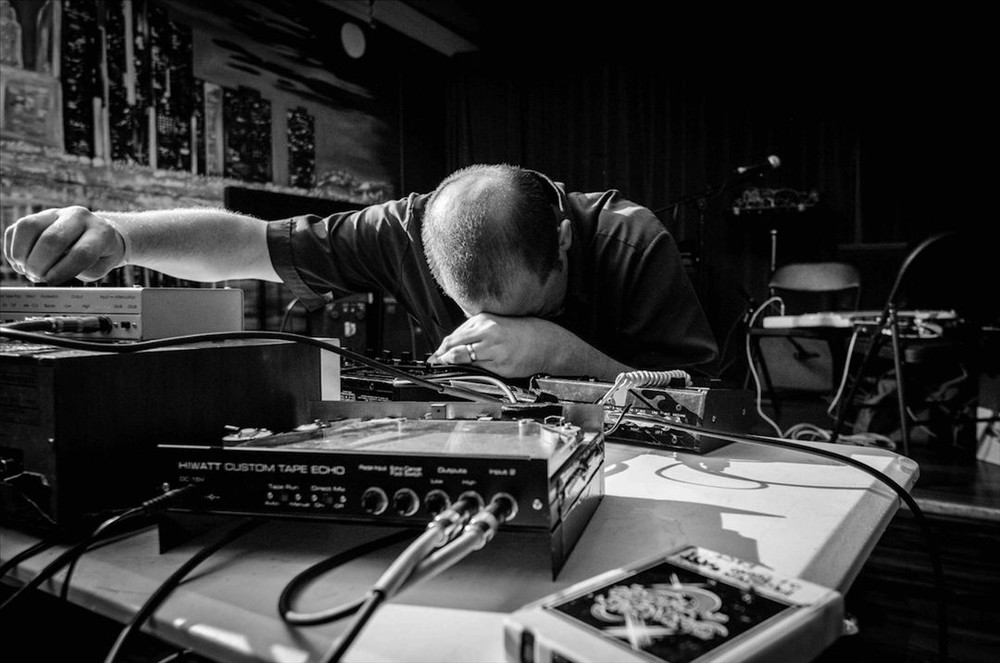
Aaron Dilloway
Noise
Radio Broadcast Recordings
Avant-Garde
Download our mobile app
Get the Melodigging app and start digging for new genres on the go
Download on the App Store
Get it on Google Play
© 2026 Melodigging
Give feedback
Legal
Melodding was created as a tribute to
Every Noise at Once
, which inspired us to help curious minds keep digging into music's ever-evolving genres.