Genres
Artists
Albums
Make Music
Sign in
Sign in
Artists
Industrial
Artists
Industrial
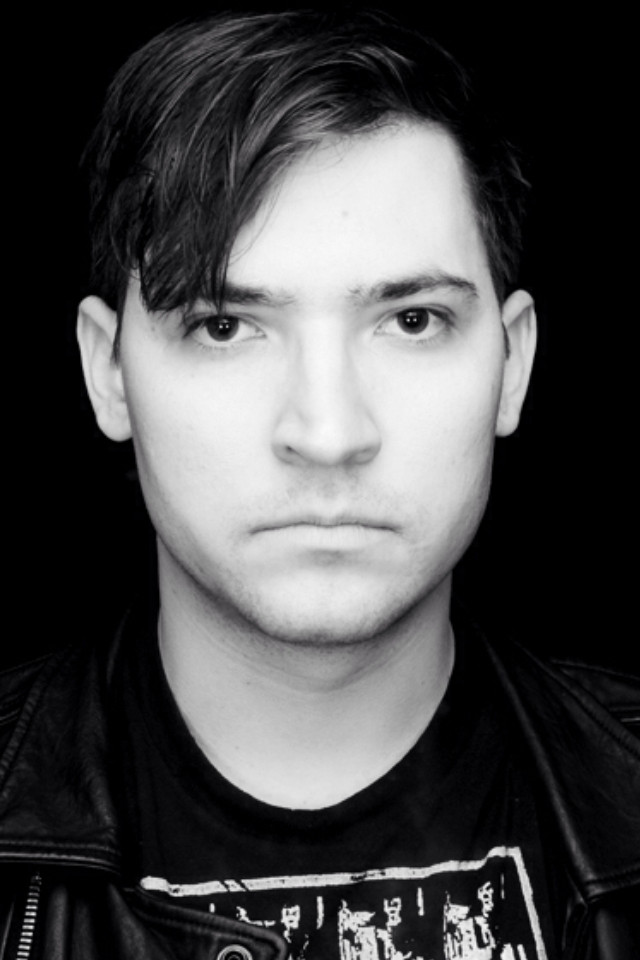
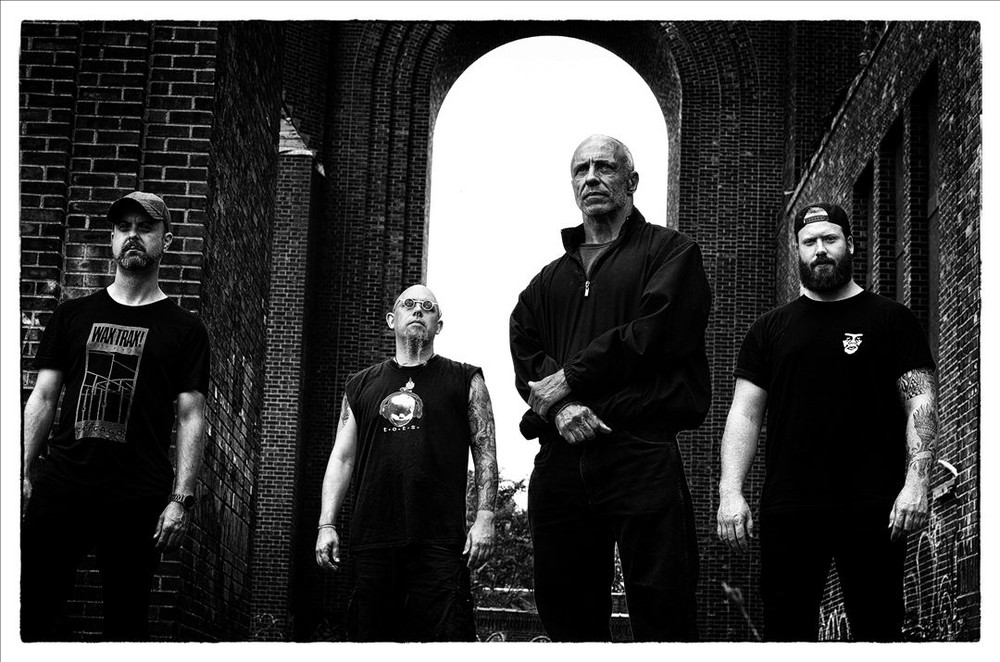
Prurient
2002–2025
·
9 albums
Listen
2
/5
Genres
Horror Synth
Horror synth is a dark, cinematic electronic style that draws heavily from 1970s–1980s horror film scores and analog synthesizer aesthetics. It emphasizes ominous arpeggios, minor-key ostinati, and brooding pads that evoke suspense, dread, and retro VHS-era atmosphere. While it overlaps with synthwave, horror synth is noticeably darker and more aggressive, often incorporating industrial textures, dissonant intervals, and sound-design cues taken from classic slasher and giallo soundtracks. The music typically features vintage drum machine grooves, tape-like saturation, and motif-driven themes that feel like cues to an unseen film.
Discover
Listen
New Isolationism
New isolationism is a contemporary strain of isolationist ambient and post-industrial minimalism that emerged in the 2010s, particularly around Scandinavian experimental labels and studios. It foregrounds intimate, close-mic’d sound, negative space, and a quiet-but-present noise floor; its pieces feel both internal and architectural, like rooms built from reverb tails, tape hiss, and soft electronics. Sonically, the style blends glacial drones, fragile chamber timbres (strings, organ, piano), lo‑fi electronics, and field recordings into stark, slow-evolving tableaux. Melodic information is sparse—often only a few tones or gestures—while rhythm is either absent or reduced to distant pulses, heartbeats, or mechanical cycles. Vocals, when they appear, are murmured, diaristic, or abstracted by pitch and time manipulation. Aesthetically, new isolationism is post‑internet and diaristic: it captures solitude, memory, and dislocation with a palette that feels personal yet estranged, drawing as much from contemporary gallery sound practice as from classic dark ambient.
Discover
Listen
Fort Thunder Scene
The Fort Thunder scene refers to a mid/late‑1990s DIY art‑and‑noise community centered around the Fort Thunder warehouse in Providence, Rhode Island. It fused blistering noise rock, no wave abrasion, hardcore punk energy, and comic‑book/screen‑print visual culture into immersive floor‑level performances. Musically, it favored maximal volume, distorted bass guitar (often the only stringed instrument), hyperactive polyrhythmic drumming, clattering electronics, contact‑miked objects, and improvised/through‑composed structures that prized texture and momentum over conventional harmony. Aesthetically, shows were carnivalesque: masks and costumes, hand‑silkscreened posters, projections, and sculptural set pieces turned concerts into total environments. Although place‑specific, the Fort Thunder scene became a shorthand for a raw, ecstatic, visual‑arts‑driven strain of American noise/experimental rock that spread via touring, zines, tapes, and labels like Load Records.
Discover
Listen
Death Industrial
Death industrial is a bleak, slow-moving offshoot of post-industrial music that fuses the oppressive electronics of power electronics with the cavernous atmospheres of dark ambient. It favors heavy, corroded textures, throttled dynamics, and a ritualistic sense of pace over conventional song structures. Typical tracks revolve around grim loops of rumbling low-end, metallic drags, and asphyxiating drones, punctuated by sparse, reverberant percussion and eruptions of saturated noise. Vocals—when present—are usually shouted, whispered, or processed into inhuman growls, often conveying themes of death, decay, pathology, and abjection. The production aesthetic embraces tape hiss, feedback, clipping, and analog grime, creating a sense of claustrophobic physicality.
Discover
Listen
Drone Metal
Drone metal (often called drone doom) is an extreme, minimalist offshoot of doom metal that centers on sustained tones, monumental volume, and glacial tempos. Rather than relying on riffs or conventional grooves, it foregrounds long, vibrating chords, amplifier feedback, and the physical presence of sound itself. Its textures are typically cavernous and monochromatic, with guitars tuned very low, notes held for extended durations, and percussion either sparse or entirely absent. Vocals—if present—range from ritualistic chants to guttural growls or distant murmurs, often treated as another layer of texture rather than a narrative lead. The result is immersive and meditative, yet crushing: a music of weight, space, and resonance that emphasizes timbre and decay over melody and rhythm.
Discover
Listen
Industrial Techno
Industrial techno is a hard-edged strain of techno that merges the genre’s four-on-the-floor pulse with the abrasive textures, mechanical timbres, and confrontational aesthetics of industrial and post-industrial music. Characterized by heavily distorted kick drums, metallic percussion, feedback, and noise layers, it often favors sparse melodies in favor of rhythmic severity and textural movement. The result is a stark, warehouse-ready sound that feels cold, machine-like, and physical—designed as much for bodily impact as for atmosphere. Labels like Downwards, Sonic Groove, and Perc Trax helped codify its vocabulary, while artists from Birmingham, Berlin, and North America shaped a transatlantic scene that remains influential in contemporary peak-time club music.
Discover
Listen
Power Electronics
Power electronics is an extreme offshoot of industrial and noise music characterized by high-gain feedback, piercing oscillators, abrasive drones, and confrontational, often shouted or screamed vocal performances. The music typically rejects conventional rhythm, melody, and harmony, favoring raw, atonal textures sculpted with distortion, EQ, and dynamics. Lyrical content is deliberately transgressive—fixated on power, control, taboo, and violence—presented either as provocation, critique, or uncomfortable reportage. Performances are frequently intense and minimalist: a few analog synths or tone generators, a mixer pushed into clipping, a microphone, and a handful of pedals can fill the spectrum with searing noise. The aesthetic is stark, ascetic, and confrontational rather than dance-oriented, aligning it more with performance art than club culture.
Discover
Listen
Dark Ambient
Dark ambient is a post‑industrial subgenre that coalesced in the mid‑1980s, drawing primarily on ambient music but shifting its focus toward ominous, subterranean space and timbre. It is characterized by long, low‑frequency drones; dissonant or microtonal overtones; and an enveloping, gloomy or catacomb‑like atmosphere. While largely electronic (synthesizers, samplers, tape and digital processing), artists frequently incorporate field recordings, contact‑mic textures, bowed metal, gongs, and fragments of traditional instruments captured with semi‑acoustic techniques and then heavily processed. Melody and pulse are minimized; instead the music emphasizes immersive sound design, psychoacoustic detail, and slowly evolving textures that evoke dread, awe, and isolation.
Discover
Listen
Noise Rock
Noise rock is a subgenre of rock that deliberately embraces distortion, feedback, dissonance, and abrasive textures as primary musical materials rather than mere effects. It prioritizes timbre, volume, and sonic density over conventional melody and harmony, often using nonstandard tunings, prepared or detuned guitars, and extended techniques to generate harsh overtones and sheets of sound. Rhythm sections tend to be driving and repetitive, anchoring the chaos with motorik pulses, lurching grooves, or pummeling, minimal patterns. Vocals range from spoken and murmured to shouted and cathartic, with lyrics that skew cryptic, confrontational, or surreal. Aesthetically, noise rock traces a line from punk’s anti-virtuosity and DIY ethos through no wave’s iconoclasm and the avant-garde’s interest in sound-as-sound, yielding music that can be physically intense, psychologically unsettling, and artistically exploratory.
Discover
Listen
Harsh Noise
Harsh noise is an extreme form of noise music characterized by dense, high-volume, full-spectrum distortion that largely rejects melody, harmony, and conventional rhythm. It focuses on texture, saturation, and the psychoacoustic impact of sound. Rather than songs, works are often evolving blocks of feedback, amplified object sounds, and overloaded electronics, shaped into walls, bursts, or streams of sonic pressure. The aesthetic foregrounds physical intensity, unpredictability, and timbral complexity, often presented at ear-splitting sound-pressure levels. Although related to industrial and power electronics, harsh noise minimizes the role of beat and voice, emphasizing raw noise generation and continuous timbral sculpting. The scene is deeply DIY, thriving on small-run tapes, CDrs, and underground performance spaces.
Discover
Listen
Industrial
Industrial is an experimental electronic music tradition that uses abrasive timbres, mechanical rhythms, and transgressive aesthetics. Its sound palette often includes distorted drum machines, tape loops, metallic percussion, feedback, and found-object recordings alongside synthesizers and samplers. Emerging from late-1970s UK underground art and performance scenes, industrial foregrounds themes of dehumanization, technology, surveillance, and power. Releases frequently embrace anti-commercial presentation, stark graphic design, and confrontational performance art, treating the studio as a laboratory for sonic manipulation rather than a vehicle for conventional songcraft. While early industrial emphasized noise, tape processing, and avant-garde collage, later waves fused the style with dancefloor precision (EBM), rock and metal heft, and club-oriented production, giving rise to a broad post-industrial family that remains influential in experimental, electronic, and popular music.
Discover
Listen
Noise
Noise is an experimental music genre that uses non-traditional sound sources, distortion, feedback, and extreme dynamics as primary musical materials. Instead of emphasizing melody, harmony, or conventional rhythm, it focuses on texture, density, timbre, and the physical presence of sound. Practitioners sculpt saturated walls of sound, piercing feedback, metallic clatter, contact-mic scrapes, tape hiss, and electronic interference into works that can be confrontational or meditative. Performances often highlight process and immediacy—improvisation, body movement, and site-specific acoustics—while recordings can range from lo-fi cassette overload to meticulously layered studio constructions. Though rooted in early avant-garde ideas, the genre coalesced as a distinct practice in the late 1970s and 1980s, especially through Japan’s ‘Japanoise’ scene, and subsequently influenced numerous styles across industrial, punk-adjacent, and experimental electronic music.
Discover
Listen
Drone
Drone is a minimalist music genre defined by sustained tones, long durations, and extremely gradual change. Harmony is often static or centered on a single fundamental with subtle overtone shifts, while rhythm tends toward stasis or very slow pulses. Sound sources range from acoustic instruments (e.g., strings, organ, bagpipes, shruti box, tambura) to electronics (sine waves, oscillators, feedback, tape loops, and later digital synthesis and processing). Many composers favor just intonation or other alternative tuning systems to emphasize beating patterns, psychoacoustic effects, and the internal life of sound. Although drone as a sonic principle is ancient and global, the modern experimental genre cohered in the 1960s through the New York minimalists and related avant‑garde circles, then spread into ambient, experimental, and heavy music scenes. The focus is less on melody and more on timbre, resonance, and the phenomenology of listening.
Discover
Listen
Experimental
Experimental music is an umbrella term for practices that prioritize exploration, process, and discovery over adherence to established genre norms. It embraces new sound sources, nonstandard tuning systems, indeterminacy and chance operations, graphic and open-form scores, extended techniques, and technology-led sound design (tape, electronics, computers, and live processing). Rather than a single style, it is a methodology and ethos: testing hypotheses about sound, structure, and performance, often blurring boundaries between composition, improvisation, sound art, and performance art. Listeners can expect unfamiliar timbres, unusual forms, and an emphasis on how music is made as much as the resulting sound.
Discover
Listen
Free Jazz
Free jazz is a radical branch of jazz that rejects fixed chord progressions, strict meter, and conventional song forms in favor of collective improvisation, textural exploration, and spontaneous interaction. Musicians prioritize timbre, dynamics, and gesture as much as pitch and harmony, often using extended techniques (multiphonics, overblowing, prepared piano) and unconventional sounds. While rooted in the blues and earlier jazz vocabularies, free jazz frees improvisers from pre-set harmonic cycles, allowing lines to unfold over tonal centers, shifting modes, drones, or complete atonality. Rhythm sections may float without a steady pulse, or drive with layered polyrhythms and “energy playing.” The result ranges from contemplative soundscapes to cathartic, high-intensity eruptions. Culturally, the genre intersected with the civil rights era and broader avant-garde movements, emphasizing autonomy, community, and new possibilities for musical expression.
Discover
Listen
Avant-Garde
Avant-garde music is an umbrella term for boundary-pushing practices that challenge prevailing norms of harmony, rhythm, timbre, form, and performance. It privileges experimentation, conceptual rigor, and a willingness to reframe what counts as music at all. Historically tied to early 20th‑century artistic modernism, avant-garde music introduced atonality, the emancipation of noise, and new forms of notation and process. It embraces indeterminacy, extended techniques, electronics, spatialization, and multimedia performance, treating sound as material to be sculpted, questioned, and reinvented.
Discover
Listen
Electronic
Electronic is a broad umbrella genre defined by the primary use of electronically generated or electronically processed sound. It encompasses music made with synthesizers, drum machines, samplers, computers, and studio/tape techniques, as well as electroacoustic manipulation of recorded or synthetic sources. The genre ranges from academic and experimental traditions to popular and dance-oriented forms. While its sonic palette is rooted in electricity and circuitry, its aesthetics span minimal and textural explorations, structured song forms, and beat-driven club permutations. Electronic emphasizes sound design, timbre, and studio-as-instrument practices as much as melody and harmony.
Discover
Listen
Show all 17 genres
Albums
2025
1
/5
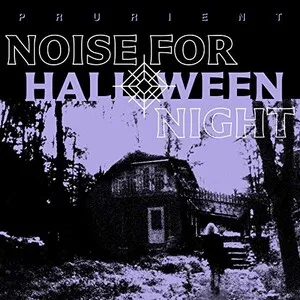
Noise for Halloween Night
Prurient
Horror Synth
2017
1
/5
Rainbow Mirror
Prurient
Death Industrial
2015
2
/5
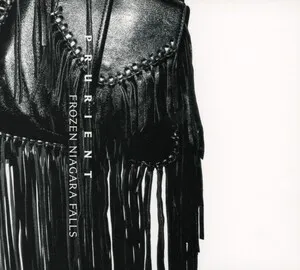
Frozen Niagara Falls
Prurient
Industrial
Noise
Electronic
2014
1
/5
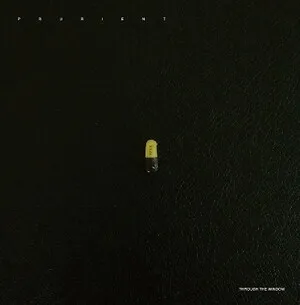
Through the Window
Prurient
Industrial Techno
2006
1
/5
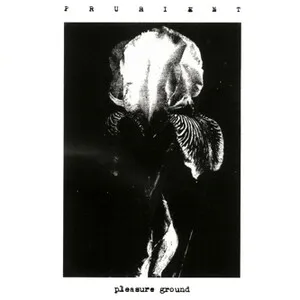
Pleasure Ground
Prurient
Power Electronics
2002
1
/5
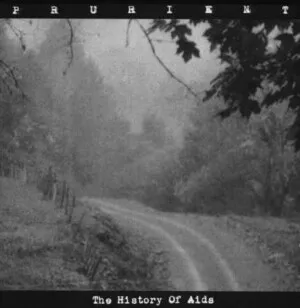
The History of Aids
Prurient
Fort Thunder Scene
Rose Pillar
Prurient
Death Industrial
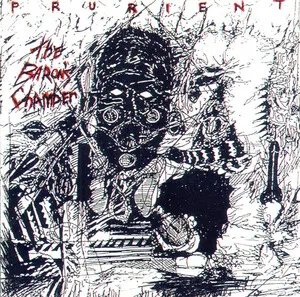
The Baron's Chamber
Prurient
Fort Thunder Scene
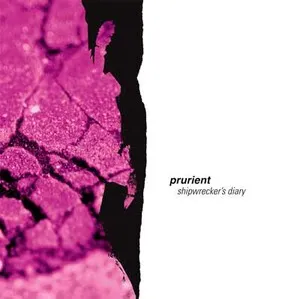
Shipwrecker's Diary
Prurient
Fort Thunder Scene
Similar artists
2
/5
Merzbow
Japanoise
Noise
Electronic
2
/5
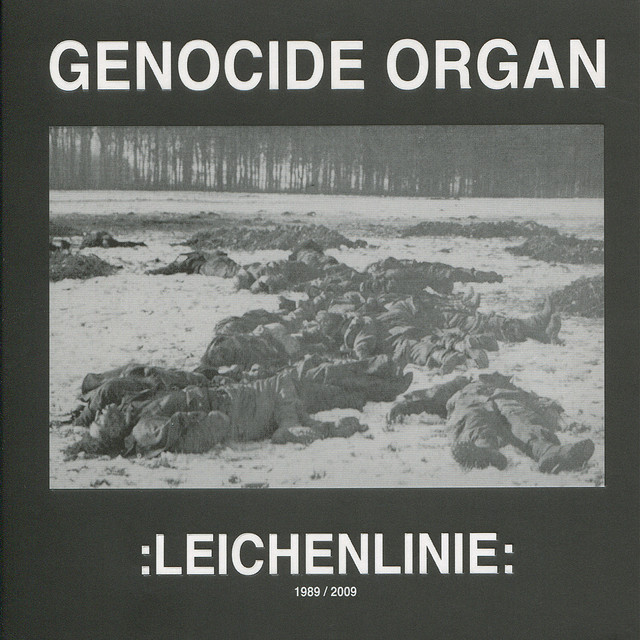
Genocide Organ
Death Industrial
Industrial
Noise
1
/5
Pharmakon
Noise
Industrial
Death Industrial
2
/5
Uboa
Dark Ambient
Industrial
Noise
2
/5
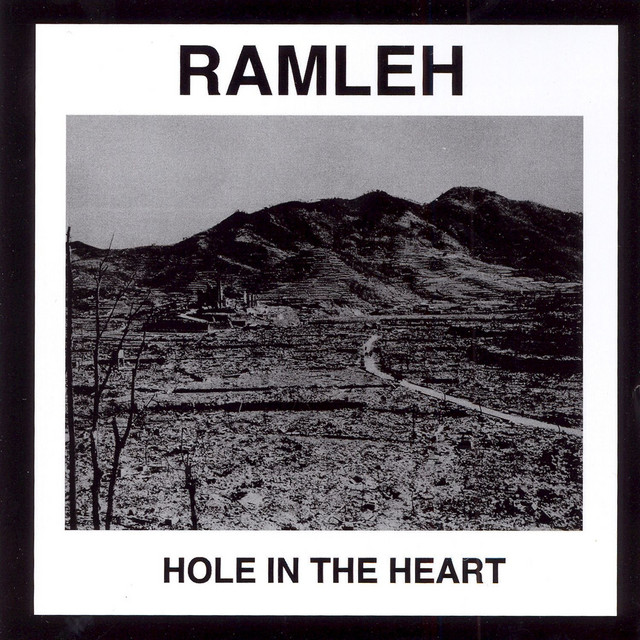
Ramleh
Experimental
Industrial
Noise
1
/5
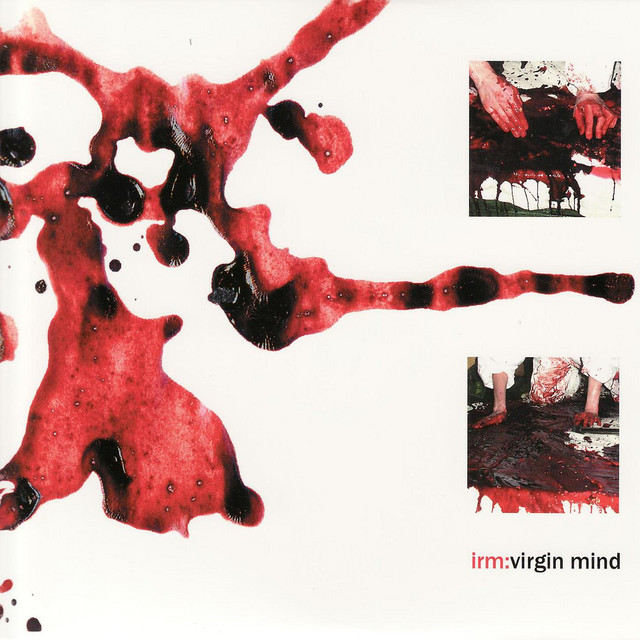
IRM
Death Industrial
Industrial
Noise
1
/5
Various Artists
Afro-Funk
Alternative Rock
Ambient
1
/5
Controlled Bleeding
Industrial
Experimental
Power Electronics
1
/5
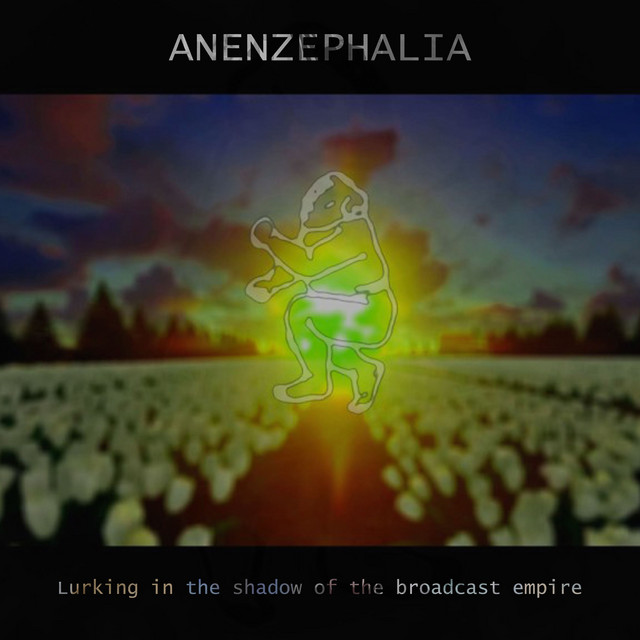
Anenzephalia
Death Industrial
Industrial
Power Electronics
1
/5
Esplendor Geométrico
Noise
Power Electronics
Power Noise
Download our mobile app
Get the Melodigging app and start digging for new genres on the go
Download on the App Store
Get it on Google Play
© 2026 Melodigging
Give feedback
Legal
Melodding was created as a tribute to
Every Noise at Once
, which inspired us to help curious minds keep digging into music's ever-evolving genres.