Genres
Artists
Albums
Make Music
Sign in
Sign in
Artists
Noise
Artists
Noise
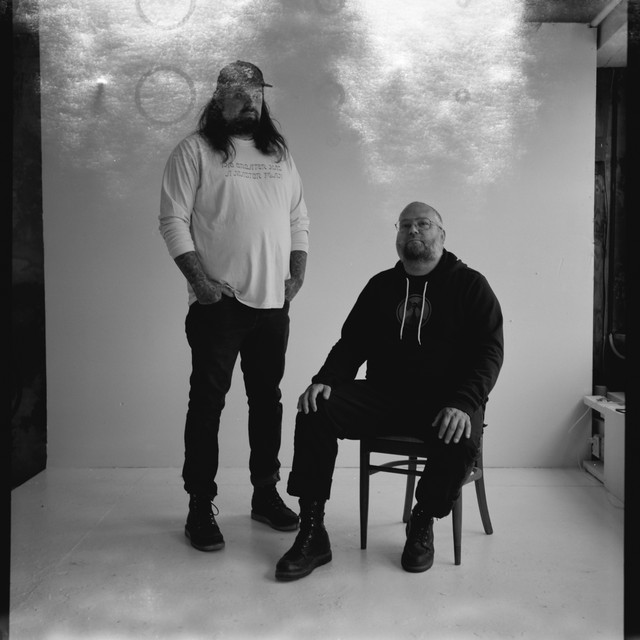
Esplendor Geométrico
1981–2012
·
7 albums
Listen
1
/5
Genres
Power Noise
Power noise, also known as rhythmic noise, is a club-oriented offshoot of industrial and noise that focuses on heavily distorted, beat-driven patterns. It emphasizes pounding kick drums, clipped and bit-crushed percussion, metallic samples, and relentless repetition over traditional melody or harmony. The tempo typically ranges from 120 to 160 BPM, with grooves that alternate between strict four-on-the-floor and jagged, syncopated sequences. Producers use waveshaping, hard clipping, resonant filtering, and dynamic abuse to turn drums and noise bursts into the main musical material, resulting in a stark, physical, and hypnotically mechanized sound. While rooted in the experimental ethos of noise, power noise is designed for the dancefloor, bridging abrasive timbres with propulsive, minimalist structures.
Discover
Listen
Power Electronics
Power electronics is an extreme offshoot of industrial and noise music characterized by high-gain feedback, piercing oscillators, abrasive drones, and confrontational, often shouted or screamed vocal performances. The music typically rejects conventional rhythm, melody, and harmony, favoring raw, atonal textures sculpted with distortion, EQ, and dynamics. Lyrical content is deliberately transgressive—fixated on power, control, taboo, and violence—presented either as provocation, critique, or uncomfortable reportage. Performances are frequently intense and minimalist: a few analog synths or tone generators, a mixer pushed into clipping, a microphone, and a handful of pedals can fill the spectrum with searing noise. The aesthetic is stark, ascetic, and confrontational rather than dance-oriented, aligning it more with performance art than club culture.
Discover
Listen
Electro-Industrial
Electro-industrial is a dark, beat-driven offshoot of post‑industrial music that fuses the body‑music propulsion of EBM with the abrasive textures, tape/sampler collages, and dystopian atmospheres of industrial. Typically set in minor keys, it emphasizes rigid 4/4 rhythms, sequenced basslines, layered synthetic percussion, and heavily processed vocals (whispered, shouted, or distorted). Sound design is central: bitcrushed drums, metallic hits, granular noise, ring modulation, flanging, and gated reverbs build a mechanized, cybernetic ambience often aligned with cyberpunk, surveillance, and transhumanist themes. While club‑ready and “dancing,” it preserves an experimental edge, prioritizing mood and texture over traditional pop harmony.
Discover
Listen
Noise
Noise is an experimental music genre that uses non-traditional sound sources, distortion, feedback, and extreme dynamics as primary musical materials. Instead of emphasizing melody, harmony, or conventional rhythm, it focuses on texture, density, timbre, and the physical presence of sound. Practitioners sculpt saturated walls of sound, piercing feedback, metallic clatter, contact-mic scrapes, tape hiss, and electronic interference into works that can be confrontational or meditative. Performances often highlight process and immediacy—improvisation, body movement, and site-specific acoustics—while recordings can range from lo-fi cassette overload to meticulously layered studio constructions. Though rooted in early avant-garde ideas, the genre coalesced as a distinct practice in the late 1970s and 1980s, especially through Japan’s ‘Japanoise’ scene, and subsequently influenced numerous styles across industrial, punk-adjacent, and experimental electronic music.
Discover
Listen
Industrial
Industrial is an experimental electronic music tradition that uses abrasive timbres, mechanical rhythms, and transgressive aesthetics. Its sound palette often includes distorted drum machines, tape loops, metallic percussion, feedback, and found-object recordings alongside synthesizers and samplers. Emerging from late-1970s UK underground art and performance scenes, industrial foregrounds themes of dehumanization, technology, surveillance, and power. Releases frequently embrace anti-commercial presentation, stark graphic design, and confrontational performance art, treating the studio as a laboratory for sonic manipulation rather than a vehicle for conventional songcraft. While early industrial emphasized noise, tape processing, and avant-garde collage, later waves fused the style with dancefloor precision (EBM), rock and metal heft, and club-oriented production, giving rise to a broad post-industrial family that remains influential in experimental, electronic, and popular music.
Discover
Listen
Experimental
Experimental music is an umbrella term for practices that prioritize exploration, process, and discovery over adherence to established genre norms. It embraces new sound sources, nonstandard tuning systems, indeterminacy and chance operations, graphic and open-form scores, extended techniques, and technology-led sound design (tape, electronics, computers, and live processing). Rather than a single style, it is a methodology and ethos: testing hypotheses about sound, structure, and performance, often blurring boundaries between composition, improvisation, sound art, and performance art. Listeners can expect unfamiliar timbres, unusual forms, and an emphasis on how music is made as much as the resulting sound.
Discover
Listen
Pop
Pop is a broad, hook-driven style of popular music designed for wide appeal. It emphasizes memorable melodies, concise song structures, polished vocals, and production intended for radio, charts, and mass media. While pop continually absorbs elements from other styles, its core remains singable choruses, accessible harmonies, and rhythmic clarity. Typical forms include verse–pre-chorus–chorus, frequent use of bridges and middle-eights, and ear-catching intros and outros. Pop is not defined by a single instrumentation. It flexibly incorporates acoustic and electric instruments, drum machines, synthesizers, and increasingly digital production techniques, always in service of the song and the hook.
Discover
Listen
Electronic
Electronic is a broad umbrella genre defined by the primary use of electronically generated or electronically processed sound. It encompasses music made with synthesizers, drum machines, samplers, computers, and studio/tape techniques, as well as electroacoustic manipulation of recorded or synthetic sources. The genre ranges from academic and experimental traditions to popular and dance-oriented forms. While its sonic palette is rooted in electricity and circuitry, its aesthetics span minimal and textural explorations, structured song forms, and beat-driven club permutations. Electronic emphasizes sound design, timbre, and studio-as-instrument practices as much as melody and harmony.
Discover
Listen
Show all 8 genres
Albums
2012
1
/5
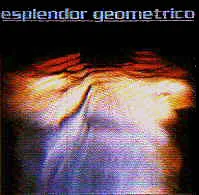
Prehistoric Sounds. Necrosis & More 1980-1981
Esplendor Geométrico
Power Electronics
Noise
2004
1
/5
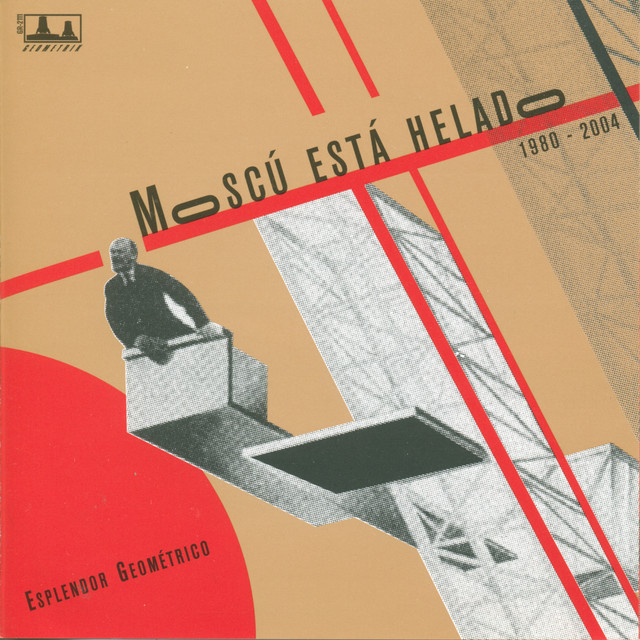
Moscu Está Helado
Esplendor Geométrico
Power Electronics
Noise
1988
1
/5
Mekano-Turbo
Esplendor Geométrico
Power Noise
Electronic
Industrial
1988
1
/5
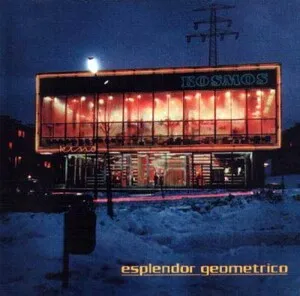
Kosmos kino
Esplendor Geométrico
Power Noise
1985
1
/5
Comisario de la luz / Blanco de fuerza
Esplendor Geométrico
Power Noise
1982
1
/5
El acero del partido / Héroe del trabajo
Esplendor Geométrico
Power Noise
1981
1
/5
EG-1
Esplendor Geométrico
Power Noise
Electronic
Experimental
Similar artists
2
/5
Merzbow
Japanoise
Noise
Electronic
1
/5
Alberich
Noise
Power Noise
Electronic
2
/5
The Body
Death Industrial
Doom Metal
Sludge Metal
2
/5
Genocide Organ
Death Industrial
Industrial
Noise
1
/5
Pharmakon
Noise
Industrial
Death Industrial
1
/5
Various Artists
Afro-Funk
Alternative Rock
Ambient
2
/5
Brainbombs
Noise
Power Electronics
Garage Rock
1
/5
Controlled Bleeding
Industrial
Experimental
Power Electronics
1
/5
Masonna
Noise
Japanoise
Harsh Noise
1
/5
Anenzephalia
Death Industrial
Industrial
Power Electronics
Download our mobile app
Get the Melodigging app and start digging for new genres on the go
Download on the App Store
Get it on Google Play
© 2026 Melodigging
Give feedback
Legal
Melodding was created as a tribute to
Every Noise at Once
, which inspired us to help curious minds keep digging into music's ever-evolving genres.