Genres
Artists
Albums
Make Music
Sign in
Sign in
Artists
Dark Wave
Artists
Dark Wave
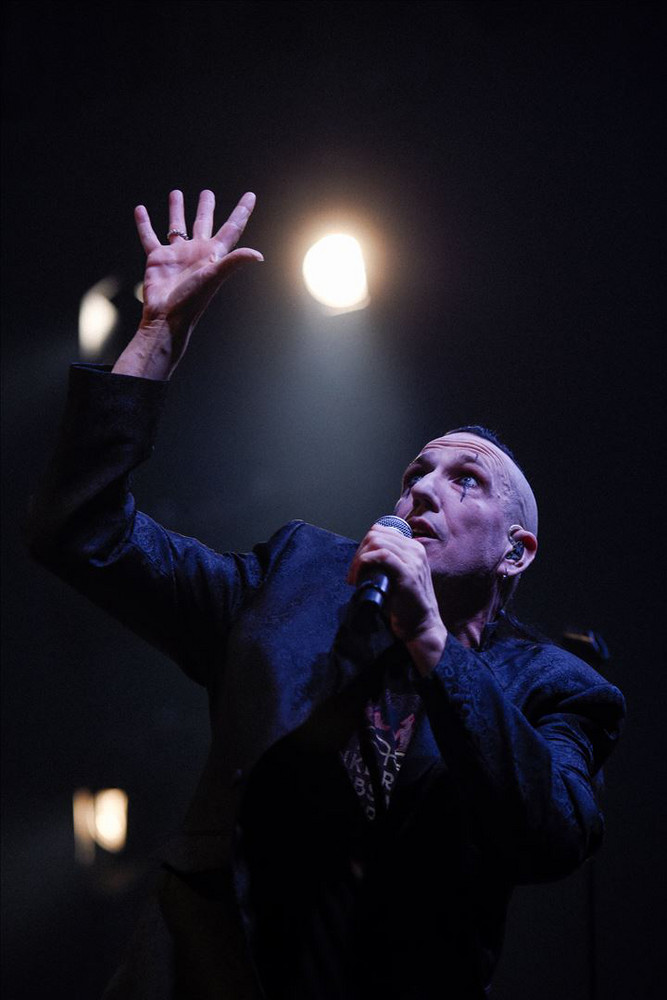
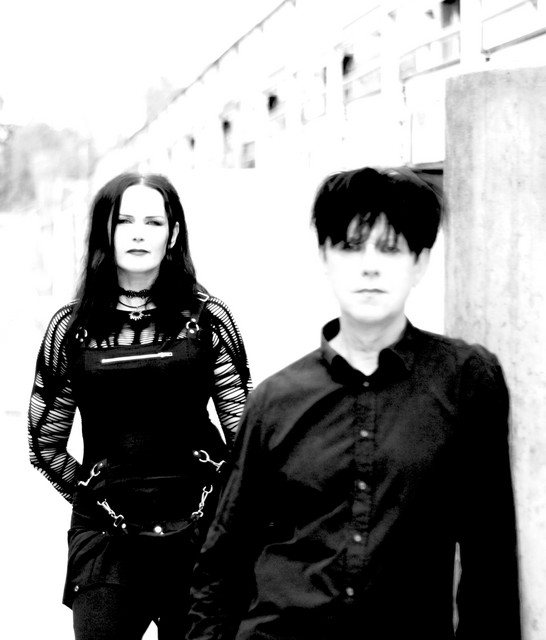
ASP
2003–2025
·
6 albums
Listen
3
/5
Genres
Neue Deutsche Härte
Neue Deutsche Härte (NDH) is a German-born fusion of industrial metal, alternative metal, and electronic body music characterized by martial, stomping rhythms, down-tuned guitar riffs, and deep, commanding baritone vocals delivered almost exclusively in German. The style emphasizes tight, groove-oriented riffs, mechanically precise drum patterns (often quantized), and prominent synthesizers or samples that add an industrial, cold sheen. Songs typically use verse–chorus structures with anthemic hooks and chantable refrains, while lyrics blend dark humor, social critique, taboo subjects, and vivid, often provocative imagery. Aesthetically, NDH draws on severe, uniform-like visuals, dramatic stagecraft, and pyrotechnics, creating a spectacle that reinforces the music’s weighty, monolithic sound.
Discover
Listen
Gothic Metal
Gothic metal is a fusion of the heaviness and slow, atmospheric pull of doom metal with the dark romanticism and melodrama of gothic rock. It emphasizes minor-key harmony, thick guitar textures, and prominent keyboards or orchestral pads to create a brooding, cinematic mood. Vocals range from deep baritone croons and clean female sopranos to harsh growls—sometimes used together in the "beauty-and-the-beast" style. Lyrical themes often explore love and loss, mortality, melancholy, myth, and the supernatural, presented with a sense of theatricality. While centered in metal, the style borrows from dark wave’s somber synths and gothic rock’s atmosphere, leading to variations that lean toward doom, symphonic, or even alternative-leaning approaches.
Discover
Listen
Medieval Metal
Medieval metal is a subgenre of folk metal that fuses the power and riff-driven weight of heavy metal with melodies, modes, and instruments associated with medieval and early modern European music. Centered largely in Germany—where it is known as Mittelalter-Metal or Mittelalter-Rock—the style features prominent use of hurdy-gurdy, bagpipes (Dudelsack), shawms/bombards, recorders, cittern/lute, nyckelharpa, and frame drums alongside distorted electric guitars, bass, and modern drum kits. Songs often draw on medieval dance rhythms (saltarello- or estampie-like pulses), modal melodies (Dorian, Aeolian, Mixolydian), and lyrics referencing legends, minstrelsy, battles, folk tales, and historical themes. Pioneered in the mid-to-late 1990s by bands such as Subway to Sally, In Extremo, and Schandmaul, the genre grew out of Germany’s Neo-Medieval movement and quickly established a vibrant live culture at medieval markets and major festivals.
Discover
Listen
Medieval Rock
Medieval rock is a fusion of contemporary rock with melodies, modes, instruments, and themes drawn from European medieval and early Renaissance music. It typically combines a rock rhythm section (drums, electric bass, guitars) with historical instruments such as bagpipes, hurdy-gurdy, shawms, citterns, recorders, harp, and lute. Musical materials often use modal scales (especially Dorian, Aeolian, and Mixolydian), drones, bordun-style accompaniments, and dance rhythms reminiscent of estampies, saltarellos, and bourrées. The lyrics and imagery frequently reference chivalric tales, minstrelsy, courtly love, folklore, and Middle High German or other archaic languages. In performance, many bands adopt a festive, theatrical medieval pageant aesthetic while delivering high-energy rock arrangements.
Discover
Listen
Mittelalter-Rock
Mittelalter-Rock ("medieval rock") is a German style that fuses contemporary rock with melodies, modes, instruments, and imagery associated with the European Middle Ages. Bands blend electric guitars, bass, and drum kit with hurdy-gurdy (Drehleier), bagpipes (Dudelsack), shawm (Schalmei), lute, and nyckelharpa, often performing in historical costumes and using archaic texts. Musically, it favors modal melodies (Dorian, Aeolian, Mixolydian), danceable rock rhythms, and sing-along choruses. Lyrics are usually in German and frequently reference minstrels, legends, feasting, and chivalric or folk subject matter; occasional verses appear in Latin or Middle High German. The result is a festive, theatrical sound that sits between folk rock and gothic-tinged rock, with an unmistakably medieval color.
Discover
Listen
Dark Wave
Dark wave is a moody, melancholic offshoot of post-punk and new wave that emphasizes minor-key harmonies, somber timbres, and introspective or romantic lyrical themes. It blends the icy textures of early synthesizers and drum machines with reverb-laden guitars and melodic, driving basslines. The style typically features baritone or ethereal vocals, atmospheric production with heavy use of chorus, delay, and reverb, and tempos that range from slow and brooding to mid-tempo and danceable. Dark wave spans both guitar-oriented and synth-forward approaches, and often overlaps with related movements such as coldwave, minimal wave, and ethereal wave.
Discover
Listen
Ebm
Electronic Body Music (EBM) is a post-industrial dance music style that fuses the stark textures and aesthetics of industrial and synth‑punk with propulsive, club‑ready rhythms. Built on sequenced, repetitive basslines, rigid 4/4 kick patterns, and clipped, military‑tight percussion, EBM favors mostly undistorted, barked or chanted vocals and confrontational, sometimes political or provocative themes. Its sound is physical and kinetic—designed for bodies on the dance floor—yet retains the minimalist, machine‑driven discipline of early industrial and new wave electronics.
Discover
Listen
Industrial Metal
Industrial metal is a fusion of the mechanized, abrasive textures of industrial music with the weight, riff-driven power, and aggression of heavy metal. It emphasizes machine-like rhythms, down-tuned guitars, harsh or processed vocals, and extensive use of sequencers, drum machines, and sampling. The sound often evokes dystopian, anti-authoritarian, and techno-skeptical themes, with a tight, repetitive groove that feels both robotic and visceral. Hallmarks include palm-muted chug riffs synchronized to quantized beats, distorted bass and synth layers, and production that foregrounds hard-edged, metallic timbres and found sounds (e.g., factory noise, machinery, alarms).
Discover
Listen
Alternative Rock
Alternative rock is a broad umbrella for guitar-based rock that emerged from the independent and college-radio scenes as a counterpoint to mainstream, commercial rock. It blends the energy and ethos of punk with the textural and songwriting experiments of post-punk, new wave, jangle pop, and noise rock, often foregrounding introspective or socially aware lyrics. Across its many strains—from the melodic minimalism of college rock to the loud-quiet-loud dynamics of grunge and the artful experimentation of Radiohead-era modernism—alternative rock prioritizes authenticity, sonic individuality, and a do-it-yourself approach. Its sound ranges from chiming, chorus-laden clean guitars to abrasive distortion and feedback, supported by straightforward rock rhythms or off-kilter grooves, and production that can be either raw and live-sounding or polished yet unconventional.
Discover
Listen
Gothic Rock
Gothic rock is a dark, atmospheric branch of post-punk that emphasizes brooding moods, melodic basslines, baritone or icy vocal deliveries, and guitar textures drenched in chorus, delay, and reverb. Its lyrics often explore themes of romanticism, existential dread, night, mysticism, and decay, drawing on Gothic literature and cinema as much as rock tradition. Sonically, it blends the stark rhythms and minimalism of post-punk with the theatricality of glam and the textural experimentation of art and psychedelic rock. Drum machines or tightly metronomic drumming underpin prominent, melodic bass figures, while guitars shimmer or scrape with chorus/flanger effects. The result is danceable yet somber music that feels both dramatic and introspective.
Discover
Listen
Industrial
Industrial is an experimental electronic music tradition that uses abrasive timbres, mechanical rhythms, and transgressive aesthetics. Its sound palette often includes distorted drum machines, tape loops, metallic percussion, feedback, and found-object recordings alongside synthesizers and samplers. Emerging from late-1970s UK underground art and performance scenes, industrial foregrounds themes of dehumanization, technology, surveillance, and power. Releases frequently embrace anti-commercial presentation, stark graphic design, and confrontational performance art, treating the studio as a laboratory for sonic manipulation rather than a vehicle for conventional songcraft. While early industrial emphasized noise, tape processing, and avant-garde collage, later waves fused the style with dancefloor precision (EBM), rock and metal heft, and club-oriented production, giving rise to a broad post-industrial family that remains influential in experimental, electronic, and popular music.
Discover
Listen
Synth-Pop
Synth-pop is a pop-oriented style that foregrounds the synthesizer as its primary instrument, often paired with drum machines and sequencers. It favors clean, melodic hooks, concise song structures, and a sleek, modernist sound that ranges from cool and minimal to lush and romantic. Emerging at the turn of the 1980s from the UK new wave and post-punk scenes, synth-pop leveraged affordable analog and then digital keyboards to bring electronic textures into the mainstream. Its sonic palette includes arpeggiated basslines, shimmering pads, bright leads, gated or machine-driven drums, and polished vocals that convey both futuristic detachment and emotional immediacy.
Discover
Listen
Gothic
Gothic (often shortened to goth in a musical context) is a dark, atmospheric strain of post‑punk that emphasizes minor-key harmonies, bass-led grooves, and a brooding, romantic sensibility. It blends the stark urgency of punk with art-rock textural experimentation, icy new-wave synths, and lyrical themes drawn from gothic literature, existentialism, and melancholic introspection. Signature traits include chorus- and reverb-drenched guitars, prominent melodic basslines, steady drum-machine patterns, baritone or ethereal vocals, and a production aesthetic that favors space, echo, and nocturnal ambience. While closely associated with the UK goth subculture, the style quickly spread internationally, influencing parallel scenes such as dark wave, deathrock, and later gothic metal.
Discover
Listen
Folk Rock
Folk rock is a fusion genre that blends the narrative lyricism, modal melodies, and acoustic timbres of traditional folk with the backbeat, amplification, and song structures of rock. It typically pairs acoustic or traditional instruments (acoustic guitar, mandolin, fiddle) with a rock rhythm section (electric guitar, bass, drums), often featuring chiming 12‑string guitar textures, close vocal harmonies, and socially conscious or storytelling lyrics. The result ranges from intimate, reflective ballads with a steady backbeat to more anthemic, roots‑driven rock. Emerging in the mid‑1960s through artists such as Bob Dylan and The Byrds, folk rock became a gateway for traditional and roots materials to enter mainstream popular music, and it seeded later movements from country rock and Americana to jangle pop and modern indie folk.
Discover
Listen
Rock
Rock is a broad family of popular music centered on amplified instruments, a strong backbeat, and song forms that foreground riffs, choruses, and anthemic hooks. Emerging from mid‑20th‑century American styles like rhythm & blues, country, and gospel-inflected rock and roll, rock quickly expanded in scope—absorbing folk, blues, and psychedelic ideas—while shaping global youth culture. Core sonic markers include electric guitar (often overdriven), electric bass, drum kit emphasizing beats 2 and 4, and emotive lead vocals. Rock songs commonly use verse–chorus structures, blues-derived harmony, and memorable melodic motifs, ranging from intimate ballads to high‑energy, stadium‑sized performances.
Discover
Listen
Electronic
Electronic is a broad umbrella genre defined by the primary use of electronically generated or electronically processed sound. It encompasses music made with synthesizers, drum machines, samplers, computers, and studio/tape techniques, as well as electroacoustic manipulation of recorded or synthetic sources. The genre ranges from academic and experimental traditions to popular and dance-oriented forms. While its sonic palette is rooted in electricity and circuitry, its aesthetics span minimal and textural explorations, structured song forms, and beat-driven club permutations. Electronic emphasizes sound design, timbre, and studio-as-instrument practices as much as melody and harmony.
Discover
Listen
Medieval
Medieval music refers to the diverse sacred and secular musical practices of Europe between the fall of the Western Roman Empire and the dawn of the Renaissance. It spans more than eight centuries, from early monophonic chant to the first notated polyphony. Core features include the use of church modes rather than major/minor, extensive reliance on vocal music (Latin sacred chant as well as vernacular song), and the progressive development from unmeasured chant to rhythmic modal notation and, later, mensural notation. Texture evolves from monophony (plainchant, troubadour songs) to organum, conductus, and the motet, culminating in complex isorhythmic works by the late 13th–14th centuries. Secular traditions—troubadours and trouvères in France, Minnesänger in German lands, and the Iberian Cantigas—coexisted with and influenced sacred practice. Instruments such as the vielle, harp, psaltery, recorder, shawm, hurdy-gurdy, and portative organ often doubled or accompanied voices, though much music remained purely vocal.
Discover
Listen
Show all 17 genres
Albums
2025
1
/5
Werben (Dunkelromantische Mainächte Live)
ASP
Dark Wave
2023
1
/5
Flickenpuppe
ASP
Dark Wave
2017
2
/5
zutiefst ...
ASP
Dark Wave
2008
3
/5
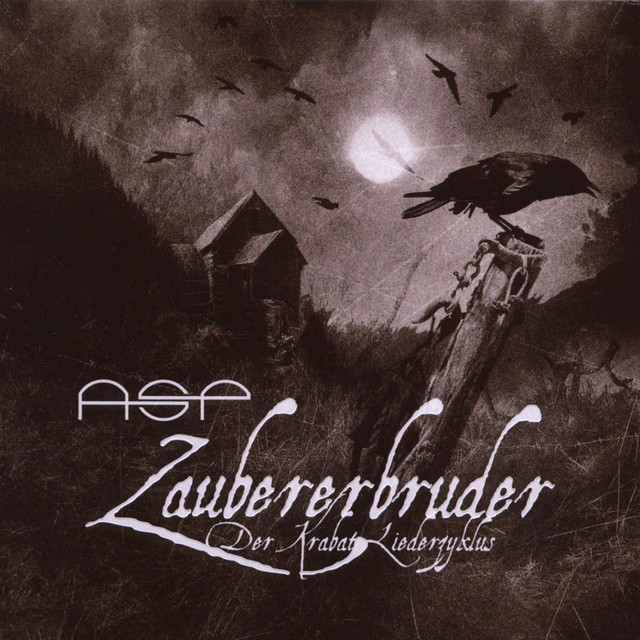
Zaubererbruder: Der Krabat-Liederzyklus
ASP
Medieval Rock
Mittelalter-Rock
Dark Wave
2007
3
/5
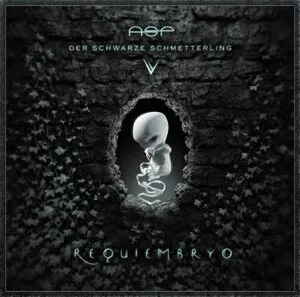
Requiembryo
ASP
Neue Deutsche Härte
Alternative Rock
Electronic
2003
2
/5
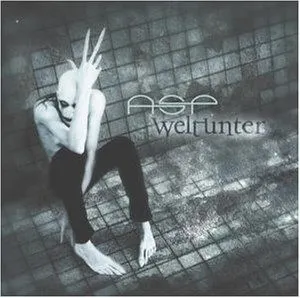
Weltunter
ASP
Neue Deutsche Härte
Electronic
Rock
Similar artists
3
/5
Clan of Xymox
Dark Wave
Coldwave
Deathrock
2
/5
Stillste Stund
Neue Deutsche Todeskunst
Dark Wave
Avant-Garde
3
/5
The Birthday Massacre
Steampunk
Industrial Rock
Ebm
2
/5
The Neon Judgement
New Beat
Coldwave
Dark Wave
1
/5
Various Artists
Afro-Funk
Alternative Rock
Ambient
3
/5
Bauhaus
Dark Wave
Post-Punk
Gothic Rock
3
/5
Dead Can Dance
Ethereal Wave
Dark Wave
Electronic
4
/5
She Wants Revenge
Dark Wave
Gothic Rock
Post-Punk
3
/5
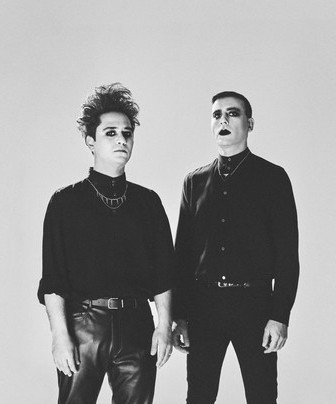
She Past Away
Modern Goth
Dark Wave
Gothic Rock
4
/5
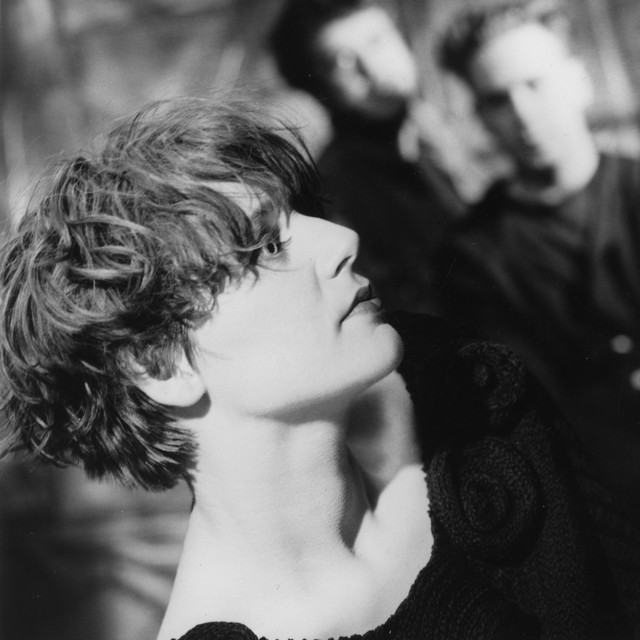
Cocteau Twins
Dream Pop
Ethereal Wave
Rock
Download our mobile app
Get the Melodigging app and start digging for new genres on the go
Download on the App Store
Get it on Google Play
© 2026 Melodigging
Give feedback
Legal
Melodding was created as a tribute to
Every Noise at Once
, which inspired us to help curious minds keep digging into music's ever-evolving genres.