Genres
Artists
Albums
Make Music
Sign in
Sign in
Artists
Steampunk
Artists
Steampunk
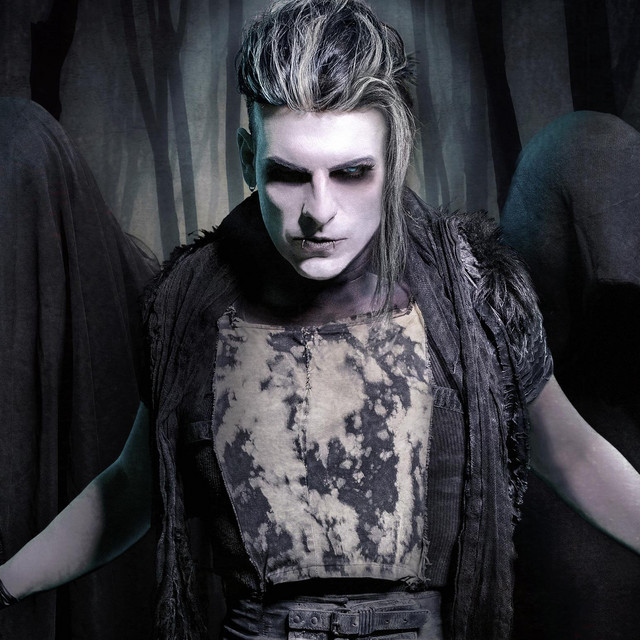
The Birthday Massacre
2005–2025
·
11 albums
Listen
3
/5
Genres
Pixie
Pixie is a Gen‑Z, internet‑native microgenre that sits at the bright, whimsical end of the hyperpop/digicore spectrum. It favors sparkling, “fairy‑like” sound design: glassy arpeggios, glittering supersaws, twinkling bells, and breathy, often pitched‑up or formant‑shifted vocals. Songs tend to be short and hook‑forward, balancing innocent, daydreamy textures with maximal drops and elastic rhythms. Lyrically it blends diaristic vulnerability, romance, and coming‑of‑age themes with online culture references and a playful sense of fantasy. Aesthetically, pixie borrows the cute/kawaii visual language (soft pastels, magical motifs) while keeping the DIY, Discord‑server ethos of the hyperpop underground. Production is fast, DAW‑focused (FL Studio/Ableton), and built for streaming, TikTok loops, and community playlists.
Discover
Listen
Lilith
Lilith is a mood-driven, internet-native microgenre that blends dark, feminine alternative pop with elements of trip hop, dream pop, witch house, and ethereal wave. It favors breathy or intimate vocals drenched in reverb, slow to mid-tempo grooves, spectral pads, and cinematic, minor-key harmonies that evoke occult, gothic, or mythic imagery. The overall sound is bass-forward yet gauzy: sub-heavy 808s or dusty breakbeats sit under shimmering guitars, distant choirs, and textural synths. Lyrically, Lilith leans into vulnerability, power, hauntings, and desire—frequently framed through confessional writing and ritual or nocturnal symbolism. It’s less a scene tied to a single city than a streaming-era aesthetic, cohering through playlists and social media communities.
Discover
Listen
Steampunk
Steampunk music is a retrofuturist fusion that marries Victorian- and Edwardian-era performance traditions with modern rock, industrial, and cabaret sounds. It typically blends theatrical vocals and narrative songwriting with a palette that can include accordions, violins/cellos, brass, banjos, ukuleles, hand percussion, piano, and music‑box or typewriter noises alongside guitars, bass, drums, synthesizers, and industrial textures. The lyrical focus often explores airships, clockwork, automata, explorers, inventors, and speculative histories, frequently critiquing empire and class while celebrating adventure and maker culture. Live shows are highly performative, with neo‑Victorian attire, goggles, and anachronistic props integrated into staging, choreography, and audience participation.
Discover
Listen
Gothic Metal
Gothic metal is a fusion of the heaviness and slow, atmospheric pull of doom metal with the dark romanticism and melodrama of gothic rock. It emphasizes minor-key harmony, thick guitar textures, and prominent keyboards or orchestral pads to create a brooding, cinematic mood. Vocals range from deep baritone croons and clean female sopranos to harsh growls—sometimes used together in the "beauty-and-the-beast" style. Lyrical themes often explore love and loss, mortality, melancholy, myth, and the supernatural, presented with a sense of theatricality. While centered in metal, the style borrows from dark wave’s somber synths and gothic rock’s atmosphere, leading to variations that lean toward doom, symphonic, or even alternative-leaning approaches.
Discover
Listen
Dark Cabaret
Dark cabaret is a theatrical, macabre-tinged revival of early 20th‑century cabaret filtered through post‑punk and goth sensibilities. It embraces piano‑led or accordion‑driven songwriting, minor‑key harmonies, and stylized storytelling that draws on Weimar‑era satire, black humor, and noir imagery. Performances are as central as the songs: vocal delivery tends to be expressive and characterful, arrangements are chamber‑like (strings, woodwinds, percussion), and shows often incorporate burlesque, sideshow, and vaudeville aesthetics. Lyrically, dark cabaret juxtaposes romance and ruin, tragedy and farce, exploring themes like decadence, crime, obsession, and the grotesque with a wink and a knife‑edge.
Discover
Listen
Ebm
Electronic Body Music (EBM) is a post-industrial dance music style that fuses the stark textures and aesthetics of industrial and synth‑punk with propulsive, club‑ready rhythms. Built on sequenced, repetitive basslines, rigid 4/4 kick patterns, and clipped, military‑tight percussion, EBM favors mostly undistorted, barked or chanted vocals and confrontational, sometimes political or provocative themes. Its sound is physical and kinetic—designed for bodies on the dance floor—yet retains the minimalist, machine‑driven discipline of early industrial and new wave electronics.
Discover
Listen
Dark Wave
Dark wave is a moody, melancholic offshoot of post-punk and new wave that emphasizes minor-key harmonies, somber timbres, and introspective or romantic lyrical themes. It blends the icy textures of early synthesizers and drum machines with reverb-laden guitars and melodic, driving basslines. The style typically features baritone or ethereal vocals, atmospheric production with heavy use of chorus, delay, and reverb, and tempos that range from slow and brooding to mid-tempo and danceable. Dark wave spans both guitar-oriented and synth-forward approaches, and often overlaps with related movements such as coldwave, minimal wave, and ethereal wave.
Discover
Listen
Industrial Rock
Industrial rock fuses the abrasive sonics of industrial music with the riffs, song structures, and performance energy of rock. Characterized by distorted guitars, pounding drum machines, sequenced bass lines, metallic samples, and heavily processed vocals, the style evokes a mechanized, dystopian atmosphere. Tempos often sit between 100–140 BPM, with rigid 4/4 grooves, syncopated patterns, and looped motifs that feel relentless and machine-driven. Lyrically and aesthetically, industrial rock often explores themes of alienation, power, technology, politics, and transgression, drawing on post-punk’s nihilism and performance-art provocation while retaining rock’s hook-driven choruses.
Discover
Listen
Industrial
Industrial is an experimental electronic music tradition that uses abrasive timbres, mechanical rhythms, and transgressive aesthetics. Its sound palette often includes distorted drum machines, tape loops, metallic percussion, feedback, and found-object recordings alongside synthesizers and samplers. Emerging from late-1970s UK underground art and performance scenes, industrial foregrounds themes of dehumanization, technology, surveillance, and power. Releases frequently embrace anti-commercial presentation, stark graphic design, and confrontational performance art, treating the studio as a laboratory for sonic manipulation rather than a vehicle for conventional songcraft. While early industrial emphasized noise, tape processing, and avant-garde collage, later waves fused the style with dancefloor precision (EBM), rock and metal heft, and club-oriented production, giving rise to a broad post-industrial family that remains influential in experimental, electronic, and popular music.
Discover
Listen
Gothic Rock
Gothic rock is a dark, atmospheric branch of post-punk that emphasizes brooding moods, melodic basslines, baritone or icy vocal deliveries, and guitar textures drenched in chorus, delay, and reverb. Its lyrics often explore themes of romanticism, existential dread, night, mysticism, and decay, drawing on Gothic literature and cinema as much as rock tradition. Sonically, it blends the stark rhythms and minimalism of post-punk with the theatricality of glam and the textural experimentation of art and psychedelic rock. Drum machines or tightly metronomic drumming underpin prominent, melodic bass figures, while guitars shimmer or scrape with chorus/flanger effects. The result is danceable yet somber music that feels both dramatic and introspective.
Discover
Listen
Synth-Pop
Synth-pop is a pop-oriented style that foregrounds the synthesizer as its primary instrument, often paired with drum machines and sequencers. It favors clean, melodic hooks, concise song structures, and a sleek, modernist sound that ranges from cool and minimal to lush and romantic. Emerging at the turn of the 1980s from the UK new wave and post-punk scenes, synth-pop leveraged affordable analog and then digital keyboards to bring electronic textures into the mainstream. Its sonic palette includes arpeggiated basslines, shimmering pads, bright leads, gated or machine-driven drums, and polished vocals that convey both futuristic detachment and emotional immediacy.
Discover
Listen
Gothic
Gothic (often shortened to goth in a musical context) is a dark, atmospheric strain of post‑punk that emphasizes minor-key harmonies, bass-led grooves, and a brooding, romantic sensibility. It blends the stark urgency of punk with art-rock textural experimentation, icy new-wave synths, and lyrical themes drawn from gothic literature, existentialism, and melancholic introspection. Signature traits include chorus- and reverb-drenched guitars, prominent melodic basslines, steady drum-machine patterns, baritone or ethereal vocals, and a production aesthetic that favors space, echo, and nocturnal ambience. While closely associated with the UK goth subculture, the style quickly spread internationally, influencing parallel scenes such as dark wave, deathrock, and later gothic metal.
Discover
Listen
Rock
Rock is a broad family of popular music centered on amplified instruments, a strong backbeat, and song forms that foreground riffs, choruses, and anthemic hooks. Emerging from mid‑20th‑century American styles like rhythm & blues, country, and gospel-inflected rock and roll, rock quickly expanded in scope—absorbing folk, blues, and psychedelic ideas—while shaping global youth culture. Core sonic markers include electric guitar (often overdriven), electric bass, drum kit emphasizing beats 2 and 4, and emotive lead vocals. Rock songs commonly use verse–chorus structures, blues-derived harmony, and memorable melodic motifs, ranging from intimate ballads to high‑energy, stadium‑sized performances.
Discover
Listen
Electronic
Electronic is a broad umbrella genre defined by the primary use of electronically generated or electronically processed sound. It encompasses music made with synthesizers, drum machines, samplers, computers, and studio/tape techniques, as well as electroacoustic manipulation of recorded or synthetic sources. The genre ranges from academic and experimental traditions to popular and dance-oriented forms. While its sonic palette is rooted in electricity and circuitry, its aesthetics span minimal and textural explorations, structured song forms, and beat-driven club permutations. Electronic emphasizes sound design, timbre, and studio-as-instrument practices as much as melody and harmony.
Discover
Listen
Show all 14 genres
Albums
2025
3
/5
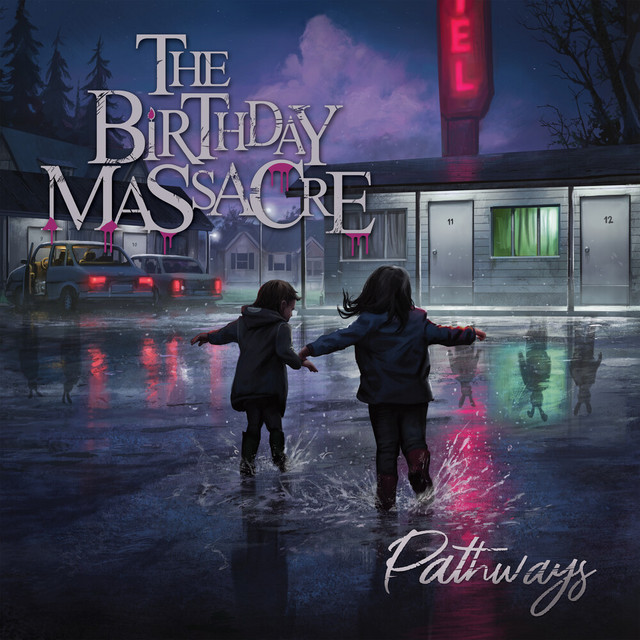
Pathways
The Birthday Massacre
Steampunk
2025
1
/5
All Of You
The Birthday Massacre
Steampunk
Dark Cabaret
Ebm
2025
2
/5
Sleep Tonight
The Birthday Massacre
Steampunk
2022
2
/5
Fascination
The Birthday Massacre
Steampunk
Electronic
Rock
2020
2
/5
Diamonds
The Birthday Massacre
Steampunk
Synth-Pop
2017
3
/5
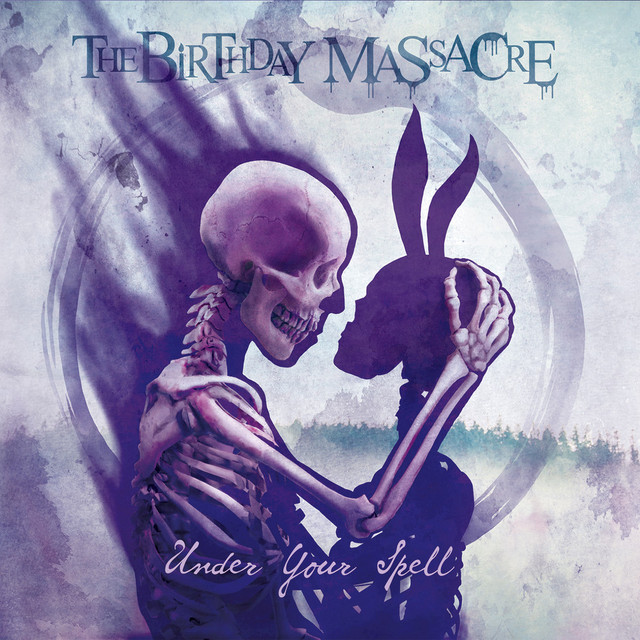
Under Your Spell
The Birthday Massacre
Steampunk
Industrial Rock
2012
1
/5
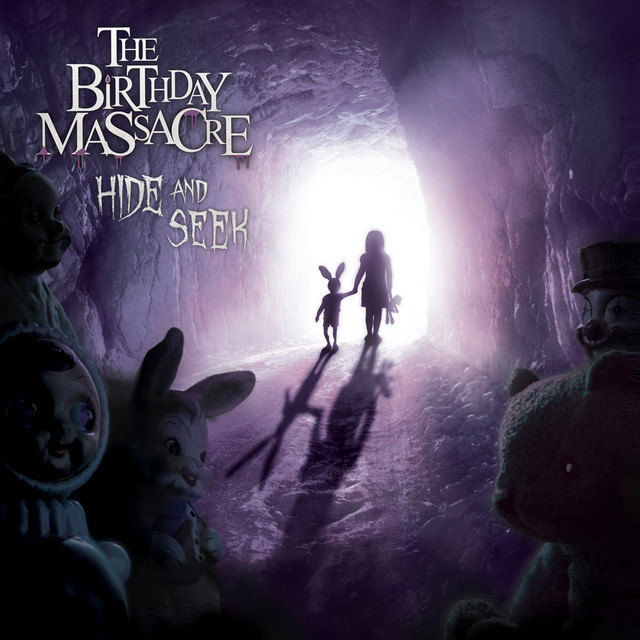
Hide and Seek
The Birthday Massacre
Steampunk
2012
3
/5
Hide and Seek
The Birthday Massacre
Steampunk
Industrial Rock
2010
3
/5
Pins and Needles
The Birthday Massacre
Steampunk
Industrial Rock
2007
3
/5
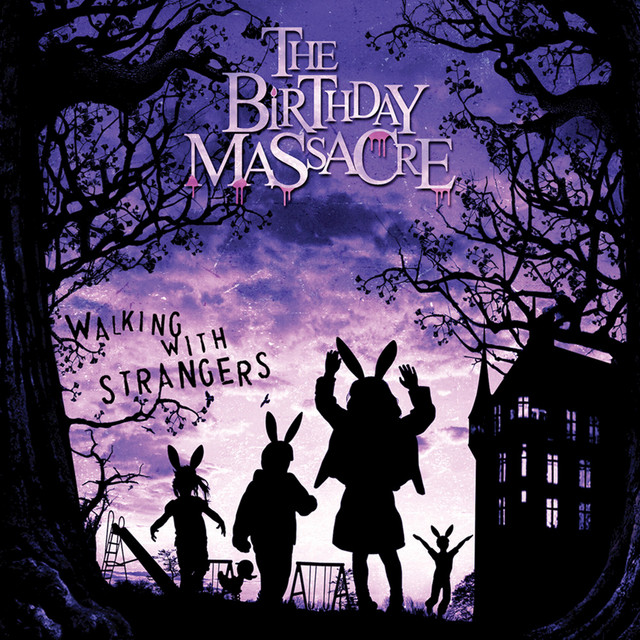
Walking With Strangers
The Birthday Massacre
Steampunk
Industrial Rock
2005
3
/5
Violet
The Birthday Massacre
Steampunk
Industrial Rock
Electronic
Similar artists
1
/5
Various Artists
Afro-Funk
Alternative Rock
Ambient
3
/5
Deathstars
Ebm
Gothic Metal
Gothic Rock
3
/5
Ludovico Technique
Dark Wave
Ebm
Gothic Metal
2
/5
Gothminister
Dark Wave
Ebm
Gothic Metal
2
/5
Collide
Dark Wave
Ebm
Gothic Metal
2
/5
Pure Obsessions & Red Nights
Coldwave
Dark Wave
Ebm
4
/5
KMFDM
Industrial Rock
Cyberpunk
Ebm
3
/5
Ministry
Industrial
Industrial Metal
Industrial Rock
3
/5
Miss Construction
Aggrotech
Ebm
Industrial
3
/5
Lord Of The Lost
Gothic Metal
Gothic Rock
Industrial
Download our mobile app
Get the Melodigging app and start digging for new genres on the go
Download on the App Store
Get it on Google Play
© 2026 Melodigging
Give feedback
Legal
Melodding was created as a tribute to
Every Noise at Once
, which inspired us to help curious minds keep digging into music's ever-evolving genres.