Genres
Artists
Albums
Make Music
Sign in
Sign in
Artists
Deep Soundtrack
Artists
Deep Soundtrack
Armand Amar
2006–2018
·
2 albums
Listen
3
/5
Genres
Deep Soundtrack
Deep soundtrack is a modern, cinematic substyle that emphasizes low, immersive textures, slow-moving harmony, and spacious ambience over bombast. It sits at the intersection of ambient music, post-classical scoring, and contemporary film/TV/game underscore, favoring drones, soft pulses, and intimate instruments (piano, strings, analog synths) treated with generous space and subtle sound design. Rather than foregrounding memorable themes or trailer-scale crescendos, deep soundtrack cultivates mood: tense, melancholic, or quietly hopeful. It is designed to sit under narrative, visuals, or concentration—music that breathes, evolves slowly, and suggests emotion without overwhelming it.
Discover
Listen
432hz
432hz is a wellness-oriented ambient/New Age micro-genre built around tuning music to the alternative concert pitch A=432 Hz instead of the modern standard A=440 Hz. In practice, 432hz releases are largely instrumental, slow-tempo, and reverb-rich, combining soft pads, drones, gentle piano, bowls/chimes, and nature sounds. Tracks are marketed for relaxation, meditation, yoga, sleep, and "energy" or "chakra" work, and are frequently tagged with wellness keywords. While advocates claim psychoacoustic or physiological benefits from 432 Hz tuning, these claims remain unproven; the sound signature audiences respond to is the calm production, consonant harmony, and spacious mixing typical of ambient and New Age music. As a streaming-native style, 432hz thrives on platforms like YouTube and Spotify where long-form background listening, SEO-friendly titling, and looping visuals support use-cases such as study, mindfulness, and sleep.
Discover
Listen
Pop
Pop is a broad, hook-driven style of popular music designed for wide appeal. It emphasizes memorable melodies, concise song structures, polished vocals, and production intended for radio, charts, and mass media. While pop continually absorbs elements from other styles, its core remains singable choruses, accessible harmonies, and rhythmic clarity. Typical forms include verse–pre-chorus–chorus, frequent use of bridges and middle-eights, and ear-catching intros and outros. Pop is not defined by a single instrumentation. It flexibly incorporates acoustic and electric instruments, drum machines, synthesizers, and increasingly digital production techniques, always in service of the song and the hook.
Discover
Listen
Folk
Folk is a song-centered acoustic tradition rooted in community storytelling, everyday life, and social history. It emphasizes clear melodies, simple harmonies, and lyrics that foreground narrative, protest, and personal testimony. As a modern recorded genre, folk coalesced in the early-to-mid 20th century in the United States out of older ballad, work song, and rural dance traditions. It typically features acoustic instruments (guitar, banjo, fiddle, mandolin, harmonica), strophic song forms, and participatory singing (choruses, call-and-response).
Discover
Listen
Armenian Folk Music
Armenian folk music is the traditional music of the Armenian people, traceable to antiquity and preserved through rich regional styles. It is unified by shared modal systems, vocal ornaments, and poetic song forms that give it a distinctive Armenian character despite local dialects and variants. Typical instruments include the duduk (double‑reed apricot wood oboe), the kamancha/kemenche (spike fiddle), the oud (fretless lute), the zurna and dhol (outdoor shawm and drum pair), the shvi/blul (duct flutes), the kanun (plucked zither), and the tar. Vocal genres range from work songs (horovel) and laments to epic and love ballads associated with the ashugh (bardic) tradition, alongside lively line dances such as kochari, shalakho, and tamzara. In sound and structure it is closely related to other Caucasian and West Asian traditions, sharing melodic types, asymmetric rhythms (e.g., 5/8, 7/8, 9/8), and ornamentation with Georgia, Azerbaijan, and eastern Anatolia, yet retaining unmistakable Armenian melodic turns and cadences.
Discover
Listen
Hungarian Classical Performance
Hungarian classical performance refers to the characteristic performance-practice tradition that grew out of Hungary’s classical music culture and its deep dialogue with local folk idioms. It blends the rigor of European concert music with distinctive Hungarian elements such as parlando-rubato phrasing, sharply profiled dance rhythms (verbunkos and csárdás), and a highly expressive, speech-like tone. In this style, string playing often favors a vibrant, singing sound with flexible tempo and incisive articulation; pianism tends toward brilliant passagework, rhetorical rubato, and idiomatic ‘Gypsy scale’ colorings. Conductors and ensembles emphasize clarity of rhythm, tight ensemble, and a potent sense of drama, all while allowing folkloric inflection—ornaments, snaps, and elastic timing—to shape the line.
Discover
Listen
Sufi
Sufi is a devotional musical tradition rooted in Islamic mysticism that seeks to induce remembrance of the Divine (dhikr) and transport performers and listeners toward spiritual ecstasy (wajd). It is not a single uniform style, but a family of practices that vary across regions—most notably Persian/Iranian, Anatolian/Turkish (Mevlevi), Arab, and South Asian (qawwali, kafi). Musically, Sufi repertoire tends to revolve around repetitive, mantra-like refrains, call-and-response between lead and chorus, and gradual intensification over cyclical rhythms. Melodic language draws from regional modal systems such as the Persian dastgāh, Ottoman/Turkish makam, and South Asian raga, and is often supported by drones. Texts are central: poetry by mystic masters like Rumi, Hafez, Bullhe Shah, and Amir Khusrau is sung in Persian, Urdu, Punjabi, Arabic, Turkish, and other languages. Instrumentation varies by locale—harmonium, tabla/dholak, tanpura, and clapping in South Asia; ney, kudüm, bendir, and tanbur in Turkey; oud and frame drums across the Arab world—yet the unifying aim is spiritual uplift and inner transformation.
Discover
Listen
Classical
Classical music is the notated art-music tradition of Europe and its global descendants, characterized by durable forms, carefully codified harmony and counterpoint, and a literate score-based practice. The term “classical” can refer broadly to the entire Western art-music lineage from the Medieval era to today, not just the Classical period (c. 1750s–1820s). It privileges long-form structures (such as symphonies, sonatas, concertos, masses, and operas), functional or modal harmony, thematic development, and timbral nuance across ensembles ranging from solo instruments to full orchestras and choirs. Across centuries, the style evolved from chant and modal polyphony to tonal harmony, and later to post-tonal idioms, while maintaining a shared emphasis on written notation, performance practice, and craft.
Discover
Listen
Armenian Music
Armenian music encompasses the sacred and secular traditions of the Armenian Highlands, with roots that trace back to Bronze Age ritual, epic song, and village dance. Over millennia it developed a distinct modal language, ornate vocal style, complex additive rhythms, and a celebrated palette of timbres—most famously the warm, breathy voice of the apricot-wood duduk. A continuous sacred tradition (Armenian chant, or sharakans) evolved alongside folk practices (work songs, laments, lullabies, and dance suites such as kochari and shalakho). Medieval Armenians created the khaz neumatic notation, one of the world’s earliest indigenous systems for recording melody. In the late 19th and early 20th centuries, Komitas Vardapet collected and reimagined village repertories, helping found a modern national school later broadened by composers like Aram Khachaturian, Alexander Arutiunian, and Arno Babajanian. Today, Armenian music ranges from liturgical choirs and duduk ensembles to jazz, rock, and electronic fusions. Diasporic and local scenes share a common aesthetic: modal melody with expressive ornamentation, heterophonic textures, and asymmetric meters that invite communal dance and lyrical introspection alike.
Discover
Listen
Show all 9 genres
Albums
2018
2
/5
Le concert
Budapest Symphony Orchestra
Hungarian Classical Performance
Classical
Pop
2006
1
/5
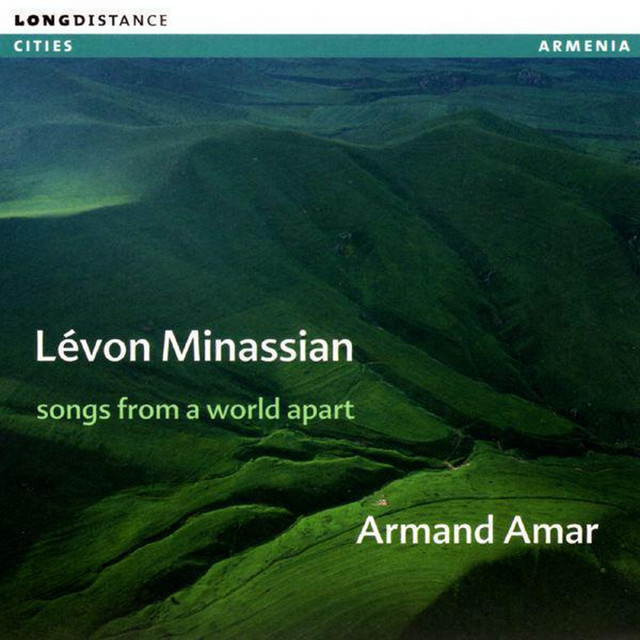
Songs From a World Apart
Lévon Minassian & Armand Amar
Armenian Folk Music
Armenian Music
Folk
Similar artists
5
/5
Disney
Comedy
Show Tunes
Wrestling
5
/5
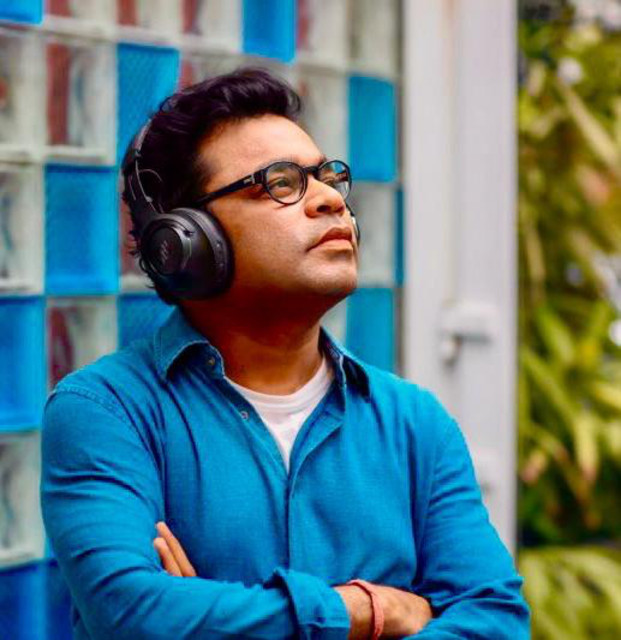
A.R. Rahman
Bollywood
Filmi
Sufi
5
/5
Hans Zimmer
Country Dawn
Soundtrack
Classical
4
/5
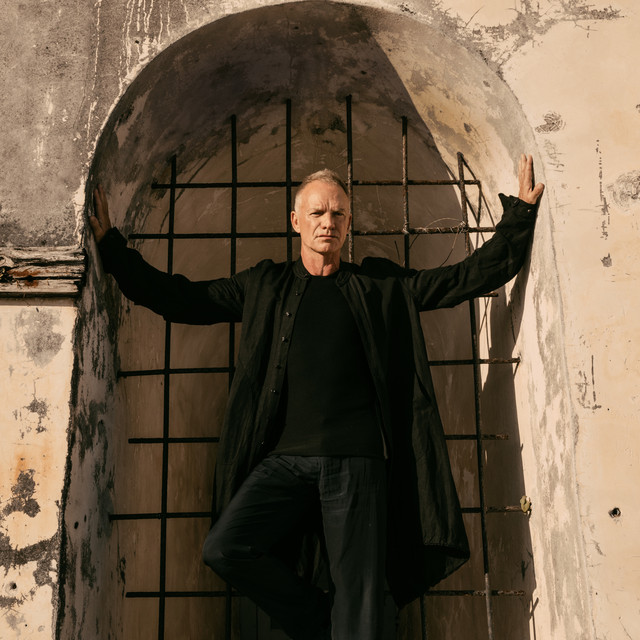
Sting
Soft Rock
Sophisti-Pop
Rock
2
/5
Lévon Minassian
Armenian Folk Music
Armenian Music
Deep Soundtrack
5
/5
Lana Del Rey
Art Pop
Pop
Alternative Pop
5
/5
Pharrell Williams
Soundtrack
Edm
Post-Teen Pop
4
/5
Ludovico Einaudi
Classical
Contemporary Classical
Compositional Ambient
4
/5
Nusrat Fateh Ali Khan
Qawwali
World
Sufi
4
/5
Royal Philharmonic Orchestra
Calming Instrumental
Classical
Deep Soundtrack
Download our mobile app
Get the Melodigging app and start digging for new genres on the go
Download on the App Store
Get it on Google Play
© 2026 Melodigging
Give feedback
Legal
Melodding was created as a tribute to
Every Noise at Once
, which inspired us to help curious minds keep digging into music's ever-evolving genres.