Genres
Artists
Albums
Make Music
Sign in
Sign in
Artists
Folk
Artists
Folk
Amira Medunjanin
Listen
Genres
Folk
Folk is a song-centered acoustic tradition rooted in community storytelling, everyday life, and social history. It emphasizes clear melodies, simple harmonies, and lyrics that foreground narrative, protest, and personal testimony. As a modern recorded genre, folk coalesced in the early-to-mid 20th century in the United States out of older ballad, work song, and rural dance traditions. It typically features acoustic instruments (guitar, banjo, fiddle, mandolin, harmonica), strophic song forms, and participatory singing (choruses, call-and-response).
Discover
Listen
Jazz
Jazz is an improvisation-centered music tradition that emerged from African American communities in the early 20th century. It blends blues feeling, ragtime syncopation, European harmonic practice, and brass band instrumentation into a flexible, conversational art. Defining features include swing rhythm (a triplet-based pulse), call-and-response phrasing, blue notes, and extended harmonies built on 7ths, 9ths, 11ths, and 13ths. Jazz is as much a way of making music—spontaneous interaction, variation, and personal sound—as it is a set of forms and tunes. Across its history, jazz has continually hybridized, from New Orleans ensembles and big-band swing to bebop, cool and hard bop, modal and free jazz, fusion, and contemporary cross-genre experiments. Its influence permeates global popular and art music.
Discover
Listen
Sevdah
Sevdah (often called sevdalinka) is an urban Bosnian song tradition shaped under the Ottoman cultural sphere, centered in cities such as Sarajevo and Mostar. Its name derives from the Ottoman Turkish word “sevda” (from Arabic “sawda’”), connoting love, longing, and a sweet melancholia. Stylistically, sevdah favors an expressive, melismatic vocal line over modal (maqam-influenced) melodies, frequently delivered rubato with sighing ornaments and small microtonal inflections. Traditional accompaniments include saz/šargija (long‑necked lutes), tambura, and violin; from the 20th century onward, accordion, guitar, and small chamber ensembles became common. Lyrics dwell on love, yearning, city life, rivers and gardens, and the passage of time, often with Turkish/Persian loanwords and refined, poetic imagery. The overall feel is intimate and reflective—part coffeehouse salon, part parlor song—where performance nuance, ornamentation, and text interpretation carry the emotional core.
Discover
Listen
Sevdalinka
Sevdalinka (often shortened to “sevdah”) is an urban Bosnian song tradition rooted in the Ottoman period, characterized by ornate, melismatic singing, modal (maqam-based) melodies, and a reflective, intimate atmosphere. The word sevdah derives from the Turkish sevda (love/longing), ultimately from Arabic sawda (melancholy), and the genre’s lyrics revolve around love, yearning, beauty, and urban life. Historically performed in salons and coffeehouses, sevdalinka employs free or subtly pulsed rhythms and rich vocal ornamentation. Early accompaniment featured saz/šargija and tambura; later, accordion, violin, clarinet, and guitar became common. While traditionally strophic and voice-led, contemporary performers blend sevdah’s modal language with modern arrangements, keeping its emotive essence intact.
Discover
Listen
Similar artists
5
/5
Hans Zimmer
Score
Soundtrack
Classical
4
/5
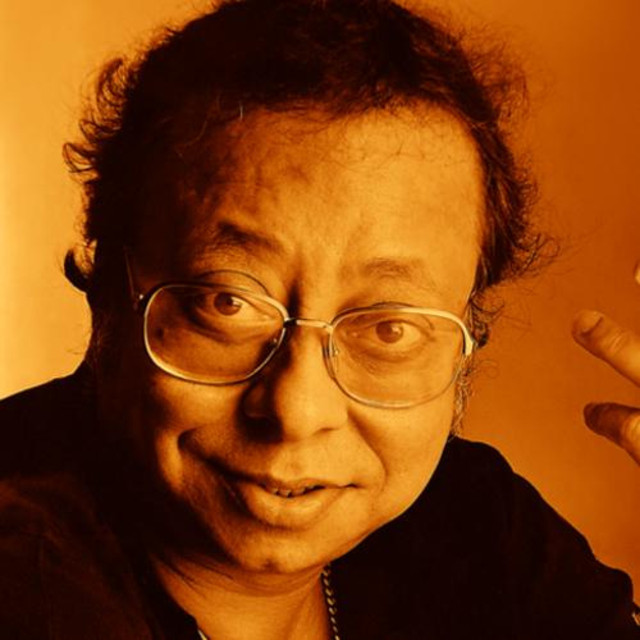
R. D. Burman
Bollywood
Filmi
Soundtrack
4
/5
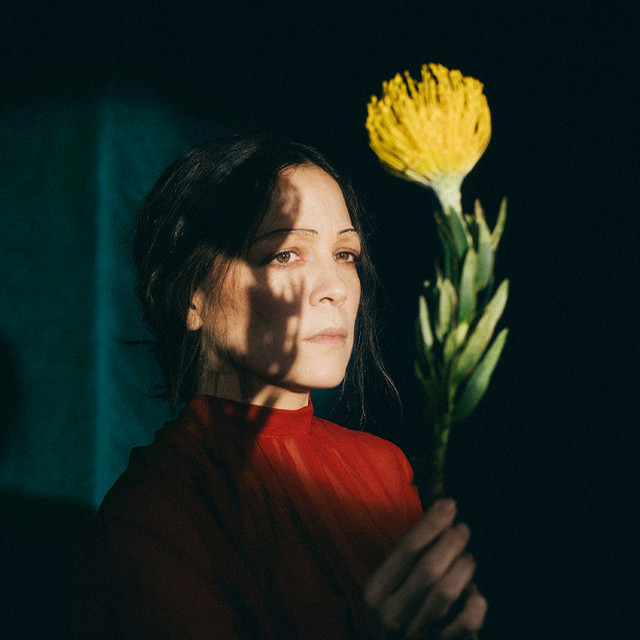
Natalia Lafourcade
Bolero
Latin Folk
Latin
4
/5
Paul McCartney
Pop
Pop Rock
Rock
4
/5
Van Morrison
Folk Rock
Rock
Blue-Eyed Soul
4
/5
Sezen Aksu
Turkish Pop
Oyun Havasi
Pop
4
/5
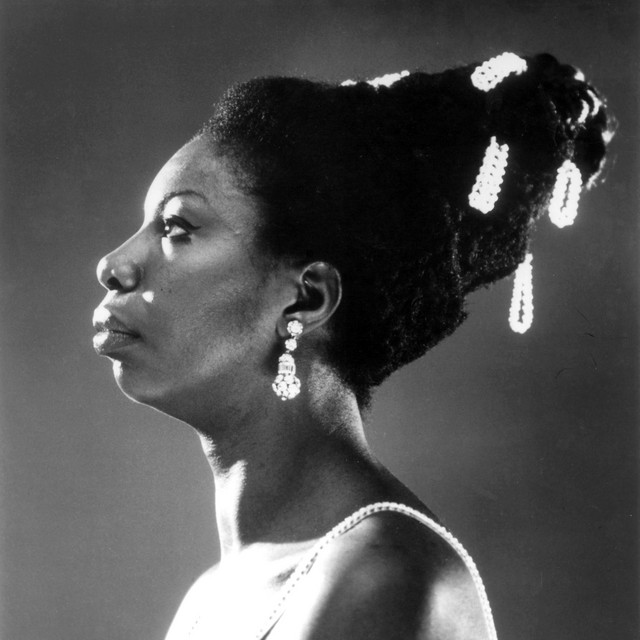
Nina Simone
Jazz
Soul Jazz
Vocal Jazz
4
/5
Dean Martin
Big Band
Easy Listening
Pop
4
/5
Pino Daniele
Canzone Napoletana
Canzone D'autore
Italian Folk Music
4
/5
Traditional
Gregorian Chant
Classical
Spanish Classical Music
Download our mobile app
Get the Melodigging app and start digging for new genres on the go
Download on the App Store
Get it on Google Play
© 2026 Melodigging
Give feedback
Legal
Melodding was created as a tribute to
Every Noise at Once
, which inspired us to help curious minds keep digging into music's ever-evolving genres.