Your digging level
Description
Sevdah (often called sevdalinka) is an urban Bosnian song tradition shaped under the Ottoman cultural sphere, centered in cities such as Sarajevo and Mostar. Its name derives from the Ottoman Turkish word “sevda” (from Arabic “sawda’”), connoting love, longing, and a sweet melancholia.
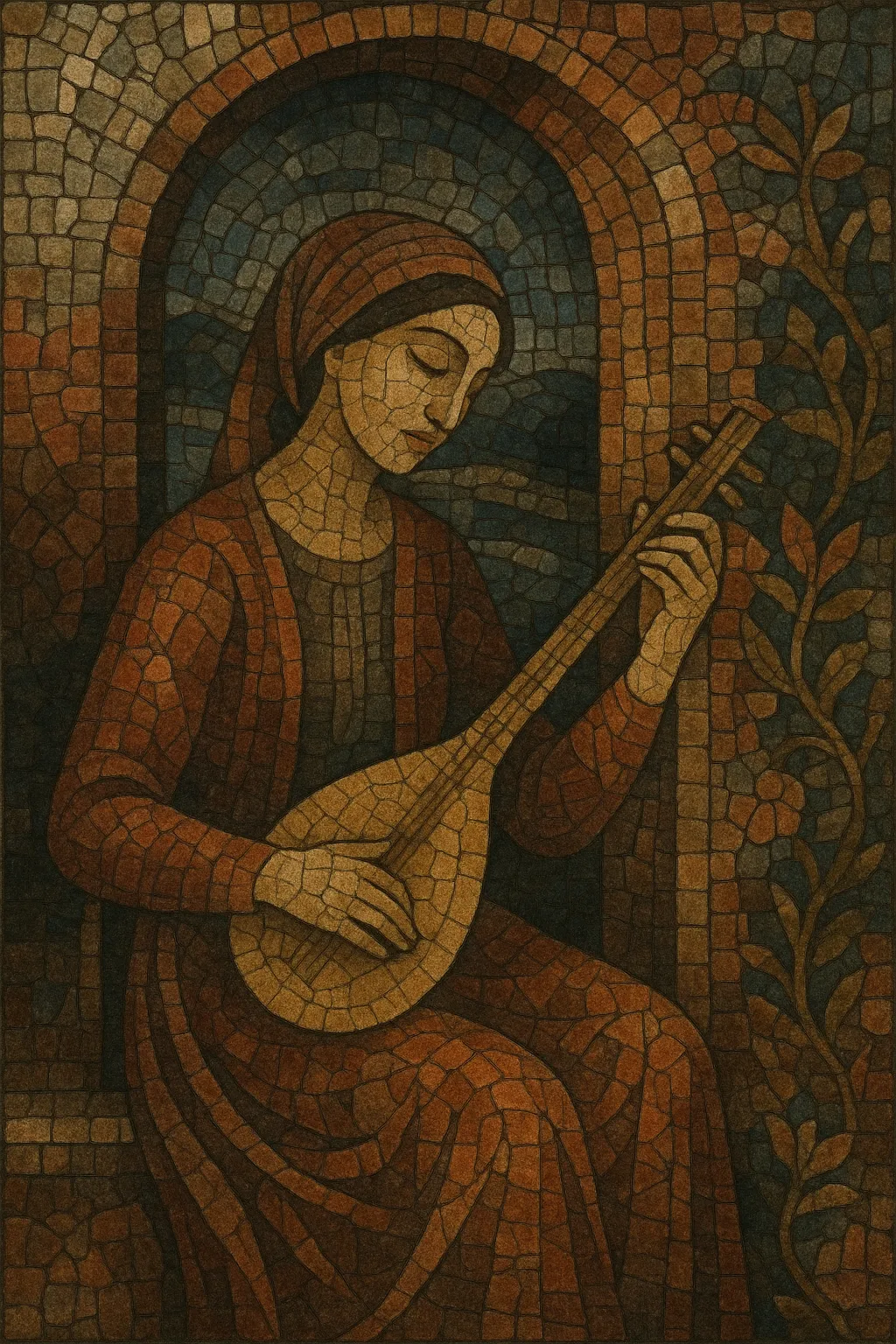
Stylistically, sevdah favors an expressive, melismatic vocal line over modal (maqam-influenced) melodies, frequently delivered rubato with sighing ornaments and small microtonal inflections. Traditional accompaniments include saz/šargija (long‑necked lutes), tambura, and violin; from the 20th century onward, accordion, guitar, and small chamber ensembles became common. Lyrics dwell on love, yearning, city life, rivers and gardens, and the passage of time, often with Turkish/Persian loanwords and refined, poetic imagery.
The overall feel is intimate and reflective—part coffeehouse salon, part parlor song—where performance nuance, ornamentation, and text interpretation carry the emotional core.
History
Sevdah crystallized during the Ottoman period in Bosnia and Herzegovina as an urban salon/coffeehouse song. While related to broader Balkan urban traditions, it absorbed melodic language and performance aesthetics from Turkish classical and folk music and the wider maqam system, as well as Sephardic diaspora song present in Bosnian towns. By the 19th century, a distinctive Bosnian urban repertoire and singing style had emerged.
In the 1800s and early 1900s, sevdah spread through domestic music-making and meyhane/čaršija culture. Instruments such as saz/šargija and tambura accompanied unamplified voices. With Austro-Hungarian influence, Western instruments (notably violin and later accordion and guitar) entered the idiom, while the core vocal expressivity and modal flavor remained.
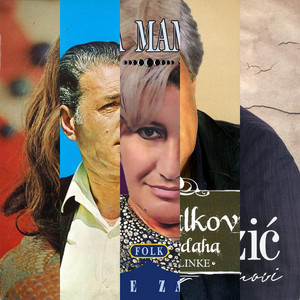
The establishment of Radio Sarajevo and the Yugoslav recording industry mid‑century helped canonize sevdah. Iconic interpreters—including Zaim Imamović, Safet Isović, Himzo Polovina, Nada Mamula, Silvana Armenulić, and Emina Zečaj—standardized repertory and performance practice, bringing the genre to a mass audience and fixing many classic versions in the popular ear.
Post‑1990s, artists and ensembles (e.g., Mostar Sevdah Reunion, Damir Imamović, Amira Medunjanin, Božo Vrećo) revived archival songs, introduced tasteful jazz/chamber textures, and toured internationally. This modern wave preserves the genre’s intimate lyricism and ornamentation while embracing contemporary arrangements, placing sevdah within global world‑music circuits.
Aim for an intimate, expressive vocal delivery with melisma and sighing ornaments. Treat tempo flexibly: sevdah often breathes rubato, even when underpinned by a gentle pulse.
Compose in minor/modal tonalities evoking maqam color (e.g., Hijaz-like tetrachords with augmented seconds). Keep melodic ranges singable (often a 9th or less), privileging stepwise motion, appoggiaturas, and turns. Subtle microtonal shading can be suggested vocally even when accompanying instruments are tempered.
Use free‑meter intros (taksim‑like) moving into slow 2/4 or 3/4; some songs stay largely rubato. Let phrases lengthen or contract to follow text prosody; cadences should feel inevitable rather than metronomic.
Historically, accompaniment is sparse: saz/šargija, tambura, or simple plucked figures. In modern arrangements, employ soft chordal pads on guitar or accordion. Favor modal pedal tones and non‑functional movement over heavy progressions; when using chords, try i–♭II–i or i–VII–VI–VII in a minor context, keeping voicings open and gentle.
Write lyrics about love, longing, urban landscapes (bridges, rivers like Miljacka or Neretva), gardens, and memory. Use refined metaphor and concise quatrains with clear rhyme. Enunciate carefully; shape ornaments to underline key words, and allow expressive pauses between lines.
Begin with a brief instrumental prelude (improvised, modal). Introduce the voice gently, build to a restrained emotional peak, then relax to a quiet cadence. Avoid dense percussion or fast tempos; sevdah’s power lies in nuance and space.