Genres
Artists
Albums
Make Music
Sign in
Sign in
Artists
Eurodance
Artists
Eurodance
Alice Deejay
2000
·
1 album
Listen
4
/5
Genres
Gymcore
Gymcore is an internet-born, high-intensity microgenre optimized for workout videos, lifting edits, and short-form fitness content. It blends the hard-hitting percussion and distorted 808s of trap and trap metal with the galloping, cowbell-driven momentum of drift phonk and the relentless drive of modern hardstyle and hardwave. Designed to feel maximal and adrenalizing, gymcore favors minor-mode riffs, crunchy saturation, clipped masters, and halftime grooves that translate into massive head-nod energy at the gym. The result is a dense, bass-forward sound that punches through phone speakers and gym PAs alike, making it a staple soundtrack for PR attempts, sprint sets, and combat-sport highlight edits.
Discover
Listen
Pumpcore
Pumpcore is a hyper-energetic, gym-oriented microgenre that blends blown-out bass, sped-up hooks, and hard-hitting drops tailored for workout intensity and short-form video edits. It borrows from trap (and EDM-trap), phonk’s gritty timbres, hardstyle’s festival-scale builds, and nightcore-style acceleration, then pushes everything through aggressive saturation and sidechain “pump” to create a relentless, motivational surge. Tracks typically revolve around a memorable vocal or lead riff that has been time-stretched, pitch-shifted, and looped to maximize adrenaline and impact.
Discover
Listen
Indie Pop Rap
Indie pop rap blends the melodic hooks and DIY aesthetic of indie pop with conversational, often introspective rap delivery. The production favors warm, guitar- or synth-led beats, understated drums, and lo‑fi textures over bombastic trap maximalism. Lyrically, it leans personal and relatable—relationships, coming of age, mental health, and day-to-day vignettes—delivered in a half-sung, half-rapped style. The sound was shaped by bedroom producers and the streaming era, where low-stakes, catchy songs with intimate vocals thrive on playlists and social media.
Discover
Listen
Musica Ponta-Grossense
Musica ponta-grossense is a locality-driven scene tag for artists linked to Ponta Grossa, a city in the Campos Gerais region of Paraná, Brazil. Rather than a single codified style, it captures a cluster of bands, singer‑songwriters, and producers whose sound reflects Southern Brazilian influences and the city’s university‑centric cultural life. Typical releases blend Brazilian indie/alternative rock and MPB songwriting with elements heard widely in Paraná and neighboring states: hints of sertanejo (both raiz and universitário), xote/vaneira dance feels, and occasional use of viola caipira, accordion, or folk percussion. Lyrics are predominantly in Portuguese and often reference everyday life, student culture, and regional imagery. Production ranges from DIY, rehearsal‑room grit to mid‑fi studio records; guitar‑centric textures, warm bass, straightforward backbeats, and melodic hooks are common. The tag functions as a geographic and community marker in streaming ecosystems, connecting local acts to Brazil’s broader indie and pop‑rock map.
Discover
Listen
Tulum
Tulum is a contemporary electronic dance music sound that crystallized around the boutique party scene in Tulum, Mexico, during the 2010s. It blends deep, organic house grooves with downtempo sensibilities, hand-played percussion, and "world"-leaning timbres such as oud, bansuri, handpan, and Latin guitar. The style favors warm, analog textures; modal, minor-key harmonies (often Dorian or Phrygian); long, reverb-washed atmospheres; and subtle, mantra-like vocals or chants. Tempos usually sit between 112–120 BPM, with earthy polyrhythms and shuffling, Afro- and Latin-influenced percussion propelling a hypnotic four-on-the-floor. Aesthetically, the Tulum sound is associated with sunrise/sunset beach settings, bohemian design, and a wellness-forward, festival-adjacent culture. Musically it overlaps with the broader “organic house/downtempo” movement while retaining a distinctly tropical, ritualistic character.
Discover
Listen
Vixa
Vixa is a Polish club-oriented strain of mainstream EDM that blends the swagger of big room house with the bouncy drive of Melbourne bounce and Dutch house. In Poland, “vixa” is also slang for a wild party, and the genre reflects that ethos: hard-hitting kicks, bold supersaw or brass-stab leads, and simple, chantable hooks designed for maximum dancefloor impact. Typically sitting around 128–132 BPM, vixa favors dramatic snare-roll builds, pitch-rising risers, and explosive drops with offbeat bass patterns. DJ edits of pop and regional hits—reworked into high-energy drops—are common, helping the sound dominate Polish club nights and festival stages where it thrives on big, euphoric moments.
Discover
Listen
Big Room House
Big room house is a festival-focused strain of EDM built for massive sound systems and outdoor main stages. It typically runs around 126–132 BPM (most commonly 128), uses four-on-the-floor kick patterns, and features huge, simple lead riffs designed to be instantly memorable to large crowds. A defining trait is the contrast between cinematic, reverb-washed breakdowns and ultra-dry, percussive drops driven by a powerful kick, sub, and a few bold supersaw or horn-like synth stabs. Arrangements lean on dramatic builds with snare rolls, risers, and crowd-hyping vocal chops, culminating in drops that emphasize impact over harmonic complexity.
Discover
Listen
Edm
EDM (Electronic Dance Music) refers to the mainstream, festival-oriented wave of electronic dance styles that rose to global prominence in the early 2010s. It emphasizes high-energy drops, ear-catching toplines, and crowd-pleasing arrangements designed for large stages and mass audiences. Musically, EDM typically sits around 124–130 BPM with a strong four-on-the-floor kick, wide supersaw leads, bright plucks, and heavily sidechained pads and basses for a pumping feel. Tracks are structured around tension-and-release: intros and builds lead to explosive drops, followed by breakdowns that rebuild energy. Vocals and pop-style songwriting frequently appear, enabling crossover success on radio and streaming platforms.
Discover
Listen
Classify
Classify is a streaming-era microgenre that blends light classical technique with contemporary pop repertoire, typically presented as unobtrusive instrumental covers. It prioritizes soft dynamics, gentle tempos, and intimate recording to create a calm, elegant backdrop suitable for studying, working, or events. Most arrangements are for solo piano, string quartet, cello/piano duos, or small chamber ensembles. Harmonies remain diatonic and consonant, melodies are clearly voiced, and textures favor arpeggios, ostinati, and sustained legato lines. The overall aesthetic borrows from modern classical and new age moods while retaining the familiarity of pop song forms.
Discover
Listen
Fake
“Fake” is an informal, streaming-era genre tag used for sound‑alike covers, karaoke takes, tribute recordings, and generic instrumental remakes that closely mimic current or classic hits. Rather than foregrounding the original songwriter’s concept, these recordings prioritize recognizability, search optimization, and fast turnaround. Session singers and studio players reproduce the hook, tempo, and arrangement with minimal reinterpretation; track and artist names often echo the original title or lyrical catchphrase to capture search traffic.
Discover
Listen
Jirai Kei
Jirai kei is a recent Japanese internet-born pop micro‑genre and aesthetic that blends cute, sugary sounds with darker, obsessive and self‑destructive themes. The term comes from a fashion/aesthetic scene associated with yamikawaii and menhera culture, and in music it describes songs that sound soft and adorable on the surface but conceal lyrics about toxic love, dependency, jealousy, and emotional volatility. Sonically, jirai kei draws from J‑pop and Vocaloid traditions (denpa/picopop brightness, catchy hooks) while adopting modern hyperpop gloss, trap/EDM percussion, and highly edited, youthful vocals. The contrast between childlike, pastel timbres and intense, confessional writing is central to the style, making it both immediately hooky and emotionally sharp—an audio embodiment of “cute but dangerous.”
Discover
Listen
Jungle Terror
Jungle terror is a high-impact festival style of electronic dance music that fuses the punch of big-room and electro house with hyper-percussive, "tribal" drum programming. Rather than relying on massive supersaw leads, it centers on toms, congas, wooden blocks, clacks, and animalistic shouts that drive the drop. Typically around 128–135 BPM, its arrangements emphasize tension-and-release: long risers, vocal calls, and cinematic breaks snap into sparse, tom-led drops with heavy sub-kicks and syncopated patterns. The overall aesthetic is wild, raw, and rhythmic—designed for large dancefloors and open-air festival stages.
Discover
Listen
Krushclub
Krushclub is a SoundCloud-born microgenre that fuses trap and club music with the distorted, post-internet aesthetics popularized by sigilkore. Its signature sound centers on bitcrushed synths, heavy post-processing of vocals (pitch-shifting, formant play, and hard clipping), and energetic, Jersey Club–derived kick patterns and bounce. Producers stack layers of digital artifacts—bitcrush, sample-rate reduction, tape-warp, and brickwall limiting—over cloud-rap-adjacent melodies and pads. The result is a hyper-digital, high-contrast mix: glossy top-end grit over booming 808s, chopped call‑and‑response vocal hooks, and edits that nod to slowed+reverb culture, nightcore acceleration, and DJ-style mash layering.
Discover
Listen
Gaming Dubstep
Gaming dubstep is a high-energy offshoot of modern dubstep tailored for gameplay, esports highlights, and streaming content. It emphasizes explosive drops, cinematic builds, and hyper-detailed sound design that cuts through voice chat and game SFX. Typically centered around 140 BPM with a half-time groove, it blends brostep aggression, riddim simplicity, and melodic dubstep breakdowns. Producers favor bright, wide leads for anthemic choruses and gritty, midrange-focused bass timbres for drops. The result is music that feels epic and adrenalized, built to amplify on-screen action and montage pacing.
Discover
Listen
Glitch Hop Edm
Glitch hop EDM is a bass-heavy, midtempo offshoot of glitch and hip-hop that adopts the large-scale sound design, drops, and festival-ready structures of contemporary EDM. It typically runs around 90–115 BPM with a swung or syncopated hip-hop groove, while employing stutter edits, tape stops, bitcrushing, buffer repeats, granular chops, and intricate automation to create the characteristic "glitched" feel. Tracks often feature thick, modulated basslines; punchy, off-kilter drums; chopped vocals and foley; and harmonies that borrow from jazz, funk, and soul, all arranged in EDM-style buildups and drops.
Discover
Listen
Proto-Hyperpop
Proto-hyperpop is a retrospective label for the cluster of internet-born pop experiments in the early-to-mid 2010s that foreshadowed what would later be called “hyperpop.” It fused candy-coated melodies and pitched-up vocals with maximalist sound design, glossy synthetic timbres, and playful, self-aware pop tropes. Rather than being a single scene, proto-hyperpop emerged across YouTube nightcore edits, early PC Music releases, and adjacent electronic and indie-pop circles. It drew heavily from Eurodance and trance hooks, J-pop and Vocaloid aesthetics, chiptune brightness, and the irreverent futurism of experimental pop and deconstructed club, while keeping an addictive, radio-ready sense of melody.
Discover
Listen
Solo Wave
Solo wave is an internet-era microgenre that blends the intimate, DIY sensibility of bedroom pop with vaporwave- and chillwave-tinged atmospheres and soft indie pop songwriting. Typically produced by solo artists working from home studios, it favors gentle synth pads, chorus-washed guitars, understated trap- or pop-leaning drums, and confessional vocals framed by nostalgic reverb and tape-like warmth. The result is dreamy, sentimental, and highly shareable songs that circulate on streaming platforms and social media. Lyric themes often center on young adult relationships, self-reflection, mental health, and digital-age loneliness—delivered in a direct, diaristic tone that reinforces the genre’s solitary, “one-person project” ethos.
Discover
Listen
Eurodance
Eurodance is a high-energy, club-oriented pop style that emerged in Europe in the early 1990s. It is characterized by a strong four-on-the-floor kick, catchy synth hooks, prominent piano riffs, and a blend of sung choruses (often female) with rap verses (often male). The style typically runs between 128–145 BPM, favors simple, anthemic chord progressions, and emphasizes uplifting, motivational, or romantic lyrics delivered in English for international appeal. Production commonly features staccato house pianos, bright saw-lead melodies, choir/strings pads, and tight drum-machine patterns with offbeat open hi-hats. The result is hook-driven dance-pop designed for maximum radio and dancefloor impact.
Discover
Listen
Euro House
Euro house is a commercially oriented branch of house music that crystallized in continental Europe in the early 1990s. It blends the four-on-the-floor rhythms and club structure of house with the glossy melodies, big hooks, and pop accessibility of European chart music. Characterized by bright piano/organ stabs (often from the Korg M1), prominent diva-style vocals or chant-like hooks, punchy 909/808 drum programming, and uplifting chord progressions, euro house aimed squarely at radio and mainstream dancefloors. It often overlaps with early Eurodance, but tends to keep closer to straight house grooves and fewer rap verses. The style was driven largely by Italian, German, Belgian, and British producers and labels, delivering high-energy tracks that translated equally well to clubs, TV music shows, and pan-European charts.
Discover
Listen
Euro-Trance
Euro-trance is a commercial, radio-friendly strain of trance that blends the anthemic melodies and breakdown-to-drop dramaturgy of classic trance with the catchy hooks, verse–chorus structures, and glossy production of Eurodance and dance-pop. Typically running between 130 and 145 BPM, it features four-on-the-floor kicks, off‑beat basslines, wide supersaw leads, bright arpeggios, and big, euphoric breakdowns that resolve into memorable synth hooks. Vocals—often female and pop-oriented—are common, with concise radio edits alongside longer club mixes. The overall mood is uplifting and immediately accessible, favoring major keys, simple yet effective chord cycles, and sheen-heavy mixing.
Discover
Listen
Trance
Trance is a form of electronic dance music characterized by steady four-on-the-floor beats, long build‑ups and breakdowns, and euphoric, melodic progressions designed to induce a hypnotic or “trance‑like” state. Typical tempos range from about 130 to 142 BPM, with arrangements often stretching 7–10 minutes to allow DJs room for tension, release, and seamless mixing. The sound palette emphasizes shimmering pads, arpeggiated synth motifs, supersaw leads, and wide, reverberant spaces. Harmonically, trance tends to favor minor keys, modal mixture, and extended suspense before cathartic drops. Production hallmarks include sidechain compression (“pumping”), off‑beat open hi‑hats, rolling basslines, and lush delay/reverb tails. While largely instrumental, a major branch—vocal trance—features lyrical toplines and pop‑leaning structures without losing its club‑centric dynamics.
Discover
Listen
Electro
Electro is an early 1980s machine-funk style built around drum machines (especially the Roland TR-808), sequenced basslines, and a futuristic, robotic aesthetic. It emphasizes syncopated rhythms, sparse arrangements, and timbres drawn from analog and early digital synthesizers. Vocals, when present, are often delivered via vocoder or rap-style chants, reinforcing a sci‑fi, cyborg persona. Electro’s grooves powered breakdance culture, and its sonic palette—crisp 808 kicks, snappy snares, dry claps, cowbells, and squelchy bass—became foundational to later techno and bass music.
Discover
Listen
Europop
Europop is a broad pop music style that developed in continental Europe and emphasizes catchy melodies, strong hooks, and danceable rhythms. It often features bright, polished production, simple and memorable choruses, and a preference for major keys and sing‑along refrains. While early europop drew on local traditions like schlager and yé‑yé, the genre quickly integrated international influences such as disco, synth‑pop, and new wave. English‑language lyrics are common to facilitate cross‑border appeal, though many hits also mix languages. Europop is closely associated with the Eurovision Song Contest aesthetic—big choruses, theatrical staging, and accessible, universal themes.
Discover
Listen
Electronic
Electronic is a broad umbrella genre defined by the primary use of electronically generated or electronically processed sound. It encompasses music made with synthesizers, drum machines, samplers, computers, and studio/tape techniques, as well as electroacoustic manipulation of recorded or synthetic sources. The genre ranges from academic and experimental traditions to popular and dance-oriented forms. While its sonic palette is rooted in electricity and circuitry, its aesthetics span minimal and textural explorations, structured song forms, and beat-driven club permutations. Electronic emphasizes sound design, timbre, and studio-as-instrument practices as much as melody and harmony.
Discover
Listen
Show all 24 genres
Albums
2000
1
/5
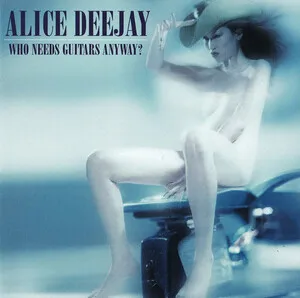
Who Needs Guitars Anyway?
Alice Deejay
Euro-Trance
Eurodance
Electronic
Similar artists
4
/5
Cascada
Euro-Trance
Hands Up
Electronic
4
/5
Vengaboys
Bubblegum Dance
Eurodance
Electronic
4
/5
Scooter
Happy Hardcore
Hardstyle
Electronic
3
/5
Schnuffel
Eurodance
Bubblegum Dance
Europop
4
/5
Basshunter
Hands Up
Europop
Euro-Trance
4
/5
Sash!
Eurodance
Tropical House
Vixa
4
/5
GIGI D'AGOSTINO
Italo Dance
Eurodance
Lento Violento
4
/5
La Bouche
Eurodance
Covertronica
Deep Big Room
4
/5
Corona
Diva House
Eurodance
Hip House
4
/5
Darude
Eurodance
Electronic
Gamecore
Download our mobile app
Get the Melodigging app and start digging for new genres on the go
Download on the App Store
Get it on Google Play
© 2026 Melodigging
Give feedback
Legal
Melodding was created as a tribute to
Every Noise at Once
, which inspired us to help curious minds keep digging into music's ever-evolving genres.