Genres
Artists
Albums
Make Music
Sign in
Sign in
Artists
Electrocumbia
Artists
Electrocumbia
Acid Coco
2022
·
1 album
Listen
3
/5
Genres
Electro Bailando
Electro bailando is a Spanish‑language, club‑ready dance‑pop microgenre that blends big‑room/electro‑house sonics with Latin pop songwriting and Caribbean rhythms. It favors four‑on‑the‑floor kicks, bright supersaw leads, handclaps, and festival‑style builds and drops, while keeping lyrics simple, catchy, and centered on dancing, romance, and summer nightlife. Typical tracks run in the 120–130 BPM range, use ear‑worm hooks in Spanish, and may weave in short dembow or merengue‑influenced percussion breaks. The overall feel is glossy, uplifting, and designed for mass‑appeal dance floors and radio.
Discover
Listen
Electrocumbia
Electrocumbia (often called digital cumbia or nu-cumbia) is a contemporary, electronic reinterpretation of traditional cumbia. It merges cumbia’s signature off‑beat percussion, guacharaca/güiro textures, and tumbao bass with modern production elements such as synthesizers, drum machines, sampling, and dub-style effects. While rooted in Colombian cumbia, the style took shape across Latin America—especially within Buenos Aires’ club scene—where producers fused folkloric rhythms with downtempo, house, hip hop, and dub aesthetics. The result is a sound that can be both hypnotic and dance‑forward, oscillating between dreamy, psychedelic atmospheres and gritty, bass‑heavy grooves.
Discover
Listen
Digital Cumbia
Digital cumbia (often called nu cumbia) is a contemporary, electronically produced reinterpretation of traditional cumbia from Colombia and its many regional offshoots across Latin America. Producers sample or re-record classic cumbia elements—guacharaca scrapes, accordion riffs, woodwinds, and tumbao-style basslines—and set them against modern electronic frameworks such as downtempo, house, hip hop, dub, and dancehall. The result is a mid‑tempo, bass-forward sound (typically around 85–110 BPM) that balances folkloric groove with club-ready synthesis, creative sampling, and spacious dub effects. The scene first cohered in Buenos Aires club nights and netlabels before spreading across Latin America and diasporic hubs, becoming a key pillar of the broader “global bass” movement. Its aesthetics often embrace psychedelic textures, Andean timbres, and sound design techniques that feel both earthy and futuristic.
Discover
Listen
Reggaeton
Reggaeton is a contemporary urban dance music that blends the dembow rhythm of Jamaican dancehall with hip hop’s MC culture and Caribbean–Latin melodic sensibilities. Its hallmark is the propulsive, syncopated “dembow” drum pattern, typically around 85–100 BPM (often felt in half-time), which powers energetic verses and catchy, sung hooks. Lyrically, reggaeton is most often in Spanish or Spanglish and centers on dance, nightlife, flirtation, romance, and street life, with a performance style that alternates between rapped bars and melodic chorus lines. Production emphasizes tight, punchy drums, rolling 808 sub-bass, percussive plucks or stabs, and bright, hook-forward toplines—crafted for the club and tailored for crowd participation and perreo.
Discover
Listen
Champeta
Champeta is an Afro‑Colombian dance music born in the Caribbean coast around Cartagena and Barranquilla, emerging from the picó (sound‑system) culture that blasted imported African LPs at street parties. It translates the kinetic guitar lines and call‑and‑response spirit of Congolese soukous, highlife, and makossa into a distinctly coastal Colombian groove. Built on bright, interlocking electric‑guitar ostinatos (often in a sebene style), rubbery bass, and hand percussion, champeta favors hypnotic two‑chord vamps, catchy choruses, and playful, often streetwise lyrics delivered in Spanish and, at times, Palenquero. Since the 2000s, the style’s “champeta urbana” wave has folded in drum‑machine kicks, synth hooks, and club sonics while keeping the joyous, communal energy of the picó plaza.
Discover
Listen
Salsa
Salsa is a pan–Latin dance music forged primarily in New York City by Puerto Rican, Cuban, and other Caribbean diasporas. It synthesizes Afro‑Cuban rhythmic blueprints, Puerto Rican bomba and plena, jazz harmony, big‑band horn writing, and Nuyorican street culture into a tightly arranged yet improvisation‑friendly style. The music lives on the clave (either 2‑3 or 3‑2), with layered percussion (congas, bongó, timbales, cowbell, güiro, maracas), a tumbao bass that anticipates the beat, and piano montuno guajeos that interlock with the rhythm section. Call‑and‑response vocals (coro/pregón), punchy horn mambos and moñas, and instrumental solos energize the montuno section. Tempos range from medium to fast in 4/4, optimized for social dancing (commonly “on1” or “on2”). Across decades, salsa has branched into harder, percussion‑forward “salsa dura,” smoother “salsa romántica,” and regional scenes in Puerto Rico, Venezuela, and Colombia, while continuing to influence—and be influenced by—neighboring tropical and jazz idioms.
Discover
Listen
Pop
Pop is a broad, hook-driven style of popular music designed for wide appeal. It emphasizes memorable melodies, concise song structures, polished vocals, and production intended for radio, charts, and mass media. While pop continually absorbs elements from other styles, its core remains singable choruses, accessible harmonies, and rhythmic clarity. Typical forms include verse–pre-chorus–chorus, frequent use of bridges and middle-eights, and ear-catching intros and outros. Pop is not defined by a single instrumentation. It flexibly incorporates acoustic and electric instruments, drum machines, synthesizers, and increasingly digital production techniques, always in service of the song and the hook.
Discover
Listen
Cumbia
Cumbia is a syncretic dance-music tradition from Colombia’s Caribbean coast that blends African rhythmic heritage, Indigenous (especially gaita flute) melodic practice, and Spanish colonial instrumentation and forms. Traditionally performed in a moderate 2/4 (often felt in 4/4 today), it features interlocking hand-drum parts (tambora, alegre, llamador), guacharaca or maracas for steady texture, and long cane flutes (gaita hembra and gaita macho) carrying call-and-response melodies. As it spread in the 20th century, orchestras and dance bands added accordion, horns, piano, bass, and later electric guitar and synthesizers, creating urban and pan–Latin American variants. Harmonically simple and rhythm-forward, cumbia places groove, ostinati, and vocal refrains at the center, making it both ceremonial in origin and enduringly popular on social dance floors across the Americas.
Discover
Listen
Show all 8 genres
Albums
2022
1
/5
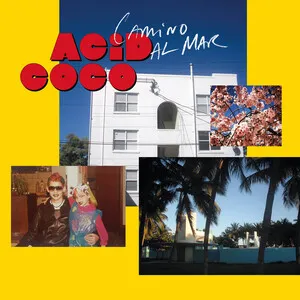
Camino al mar
Acid Coco
Digital Cumbia
Similar artists
4
/5
Bomba Estéreo
Cumbia
Digital Cumbia
Electrocumbia
4
/5
Quantic
Electronic
Nu-Cumbia
Downtempo
3
/5
Nicola Cruz
Downtempo
Electrocumbia
Tulum
3
/5
Amantes del Futuro
Cumbia Colombiana Regia
Cumbia Sonidera
Cumbia Mexicana
3
/5
Chancha Via Circuito
Nu-Cumbia
Digital Cumbia
Electrocumbia
3
/5
Lagartijeando
Electrocumbia
Nu-Cumbia
Cumbia
3
/5
Systema Solar
Nu-Cumbia
Champeta
Electrocumbia
2
/5
Dengue Dengue Dengue
Digital Cumbia
Electrocumbia
Nu-Cumbia
2
/5
Meridian Brothers
Tropicanibalismo
Cumbia
Digital Cumbia
2
/5
El Hijo De La Cumbia
Cumbia
Chicha
Cumbia Sonidera
Download our mobile app
Get the Melodigging app and start digging for new genres on the go
Download on the App Store
Get it on Google Play
© 2026 Melodigging
Give feedback
Legal
Melodding was created as a tribute to
Every Noise at Once
, which inspired us to help curious minds keep digging into music's ever-evolving genres.