Genres
Artists
Albums
Make Music
Sign in
Sign in
Artists
Cumbia
Artists
Cumbia
El Hijo De La Cumbia
2011
·
1 album
Listen
2
/5
Genres
Latin Afrobeat
Latin Afrobeat is a contemporary fusion style that welds the polyrhythmic engine of West African Afrobeat with Latin American and Caribbean grooves. It often marries Afrobeat’s interlocking drum kit, shekere, and highlife‑style guitars with salsa/cumbia percussion sections, montuno piano figures, and bold horn arrangements. The result is a dance‑forward, big‑ensemble sound: long vamps, call‑and‑response vocals (frequently in Spanish or Portuguese), syncopated bass ostinati, and brass stabs—recorded with a warm, live, analog aesthetic. While it honors Fela Kuti’s Afrobeat blueprint, it colors that framework with Afro‑Cuban jazz harmony, salsa horn voicings, and coastal Colombia/Brazilian percussion idioms.
Discover
Listen
Electrocumbia
Electrocumbia (often called digital cumbia or nu-cumbia) is a contemporary, electronic reinterpretation of traditional cumbia. It merges cumbia’s signature off‑beat percussion, guacharaca/güiro textures, and tumbao bass with modern production elements such as synthesizers, drum machines, sampling, and dub-style effects. While rooted in Colombian cumbia, the style took shape across Latin America—especially within Buenos Aires’ club scene—where producers fused folkloric rhythms with downtempo, house, hip hop, and dub aesthetics. The result is a sound that can be both hypnotic and dance‑forward, oscillating between dreamy, psychedelic atmospheres and gritty, bass‑heavy grooves.
Discover
Listen
Digital Cumbia
Digital cumbia (often called nu cumbia) is a contemporary, electronically produced reinterpretation of traditional cumbia from Colombia and its many regional offshoots across Latin America. Producers sample or re-record classic cumbia elements—guacharaca scrapes, accordion riffs, woodwinds, and tumbao-style basslines—and set them against modern electronic frameworks such as downtempo, house, hip hop, dub, and dancehall. The result is a mid‑tempo, bass-forward sound (typically around 85–110 BPM) that balances folkloric groove with club-ready synthesis, creative sampling, and spacious dub effects. The scene first cohered in Buenos Aires club nights and netlabels before spreading across Latin America and diasporic hubs, becoming a key pillar of the broader “global bass” movement. Its aesthetics often embrace psychedelic textures, Andean timbres, and sound design techniques that feel both earthy and futuristic.
Discover
Listen
Latin Alternative
Latin alternative is an umbrella term for genre-bending music made by Latin American and US Latino artists that sits outside mainstream Latin pop. It blends alternative and indie rock attitudes with Latin rhythmic vocabularies (cumbia, salsa, ska, reggae), hip hop, and electronic production. The style privileges experimentation, hybridity, and scene-driven authenticity rather than commercial formulas. Lyrics are often in Spanish (sometimes bilingual or Spanglish), and themes range from the personal and poetic to social and political commentary. The movement coalesced in the mid-to-late 1990s around U.S. media and festivals (e.g., LAMC), helping connect diverse scenes from Mexico, Argentina, Chile, Colombia, Puerto Rico, and beyond.
Discover
Listen
Cumbia Sonidera
Cumbia sonidera is a Mexican urban style of cumbia shaped by the neighborhood sound-system (sonidero) culture of Mexico City and Puebla. It features mid-tempo grooves, prominent electronic keyboards or accordion doubling the melody, punchy bass lines, güiro and timbales/congas, and heavy use of echo, reverb, and DJ shout-outs (saludos y dedicatorias). Built for social dancing and open-air parties, the style blends Colombian cumbia roots with Mexican popular and grupera sensibilities. Its signature is not only musical—it's the live performance practice: extended mixes, segues between tracks, and a charismatic MC steering the dance floor with dedications, drops, and dub-style effects.
Discover
Listen
Dancehall
Dancehall is a Jamaican popular music style built around bass‑heavy, groove‑centric riddims and the vocal art of chatting or singjaying in Jamaican Patois. It emphasizes direct, energetic delivery, call‑and‑response hooks, and a party‑forward attitude, while also leaving space for sharp social commentary and witty wordplay. The genre is fundamentally riddim‑based: producers release instrumental tracks (riddims) that many different vocalists "voice" with their own songs. This culture encourages competitive creativity, rapid evolution of styles, and a constant stream of new versions. Tempos typically sit in the midtempo range, with syncopated kicks and snares and prominent sub‑bass. Since the mid‑1980s, digital drum machines and synths have defined much of dancehall’s sound, though live instrumentation and hybrid production are common too.
Discover
Listen
Chicha
Chicha is a Peruvian branch of cumbia that crystallized in urban migrant neighborhoods during the late 1960s and 1970s. It fuses Colombian cumbia rhythms with Andean huayno melodies, played on electric guitars that carry surf- and psychedelic-rock inflections. The style is defined by bright, reverb-soaked lead guitar lines in pentatonic (often Andean) motifs, Farfisa- or Hammond-type organs doubling riffs, and a steady cumbia groove driven by drum kit, güiro, and congas. Lyrics frequently reflect internal migration, working-class life, love, longing, and the bittersweet experience of cultural hybridity in Lima and other Peruvian cities. Chicha is sometimes called cumbia peruana (though that umbrella also includes Amazonian cumbia). Its imagery and street-poster aesthetics—neon colors and bold typography—became synonymous with the sound’s vibrant, grassroots identity.
Discover
Listen
Cumbia Argentina
Cumbia argentina is the Argentine adaptation of Colombian cumbia that took root in the 1960s and evolved into a family of local styles. It blends the syncopated cumbia groove with regional tastes, instrumentation, and social realities in Argentina, producing variants such as the accordion‑led cumbia santafesina, the synth‑driven and street‑narrative cumbia villera, and radio‑friendly cumbia pop. Typical arrangements feature the cumbia beat on drum kit or programmed drums, congas and güiro driving the off‑beat swing, bass guitar outlining a steady tumbao, and lead voices supported by call‑and‑response coros. Depending on the substyle, melodies are carried by accordion, electric guitar, or bright keyboards. Lyrics range from romantic stories and dancefloor invitations to depictions of barrio life, celebration, and struggle. The result is a dance music that is both festive and deeply tied to Argentine urban and provincial identities.
Discover
Listen
Cumbia
Cumbia is a syncretic dance-music tradition from Colombia’s Caribbean coast that blends African rhythmic heritage, Indigenous (especially gaita flute) melodic practice, and Spanish colonial instrumentation and forms. Traditionally performed in a moderate 2/4 (often felt in 4/4 today), it features interlocking hand-drum parts (tambora, alegre, llamador), guacharaca or maracas for steady texture, and long cane flutes (gaita hembra and gaita macho) carrying call-and-response melodies. As it spread in the 20th century, orchestras and dance bands added accordion, horns, piano, bass, and later electric guitar and synthesizers, creating urban and pan–Latin American variants. Harmonically simple and rhythm-forward, cumbia places groove, ostinati, and vocal refrains at the center, making it both ceremonial in origin and enduringly popular on social dance floors across the Americas.
Discover
Listen
Argentine Music
Argentine music is an umbrella term for the diverse musical traditions that developed within Argentina, spanning urban and rural, European, African-diasporic, and Indigenous roots. It is best known worldwide for tango, but also encompasses a rich array of folk styles (zamba, chacarera, chamamé, milonga, payada), urban popular music (rock nacional, pop), and contemporary urban scenes (cumbia argentina, trap). Its sound reflects waves of immigration (notably Spanish and Italian), the legacy of African rhythms via candombe and habanera, and Indigenous Andean and Guaraní influences—absorbed into criollo idioms and later reinterpreted in orchestral, jazz, and rock contexts. This synthesis created a distinct “porteño” urban sensibility in Buenos Aires and equally strong regional identities in the Northwest, Cuyo, the Littoral (litoraleña), and Patagonia.
Discover
Listen
Show all 10 genres
Albums
2011
2
/5
Freestyle de ritmos
El Hijo de la Cumbia
Cumbia Argentina
Digital Cumbia
Argentine Music
Similar artists
3
/5
Los Mirlos
Cumbia Amazónica
Cumbia
Cumbia Peruana
2
/5
Sonido Gallo Negro
Cumbia
Cumbia Peruana
Peruvian Music
3
/5
Rossy War y Su Banda Kaliente
Chicha
Cumbia
Cumbia Sonidera
3
/5
Latitud 0
Chicha
Cumbia
Cumbia Sonidera
2
/5
Los Miticos Del Ritmo
Chicha
Cumbia
Cumbia Sonidera
2
/5
Grupo Fantasma
Chicha
Cumbia
Electrocumbia
2
/5
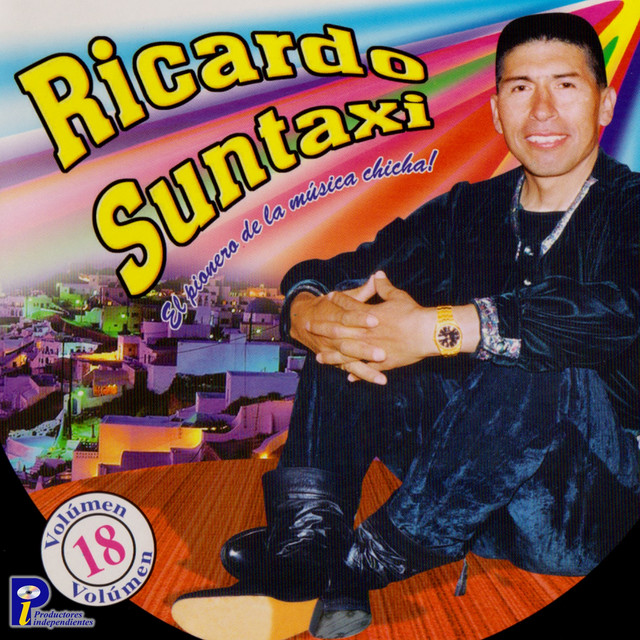
Ricardo Suntaxi
Chicha
Cumbia
Cumbia Sonidera
2
/5
Agrupacion Ilegal Los Imparciales
Cumbia Sonidera
Chicha
Cumbia
2
/5
Astros de Mendoza
Cumbia
Cumbia Sonidera
Electrocumbia
1
/5
Los Silvers
Chicha
Cumbia
Cumbia Sonidera
Download our mobile app
Get the Melodigging app and start digging for new genres on the go
Download on the App Store
Get it on Google Play
© 2026 Melodigging
Give feedback
Legal
Melodding was created as a tribute to
Every Noise at Once
, which inspired us to help curious minds keep digging into music's ever-evolving genres.