Genres
Artists
Albums
Make Music
Sign in
Sign in
Artists
Cumbia Amazónica
Artists
Cumbia Amazónica
Los Mirlos
1973–2023
·
19 albums
Listen
3
/5
Genres
Lo Star
Lo star is a streaming-era umbrella tag used to group under-the-radar, low-profile artists who sit on the fringes of indie, alternative, DIY pop, and related scenes. Rather than denoting a single, tightly defined musical vocabulary, it marks a discovery space of self-produced or small-label projects with modest audiences, genre-fluid aesthetics, and a distinctly DIY approach to recording and release. Expect intimate vocals, inexpensive or home-studio production, hybrid acoustic/electronic textures, and songwriting that favors personal storytelling and immediacy over polish. Because it functions as a curatorial category for emerging or niche acts, the sonic palette spans indie rock and folk-pop to bedroom pop and lo-fi electronic, unified by scale, ethos, and distribution more than by strict musical rules.
Discover
Listen
Souldies
Souldies is a modern revival of classic lowrider “oldies” soul—slow, tender ballads rooted in 1960s and early-’70s sweet soul and doo‑wop aesthetics, reimagined by a new generation of largely Chicano/Latinx artists in Southern California. Characterized by warm, analog-leaning production, mellow backbeats, honeyed vocal harmonies, and heart‑on‑sleeve lyricism, the style favors mid‑slow tempos, tape‑like saturation, spring/plate reverb, and minimalist yet expressive arrangements. English and Spanish (or Spanglish) lyrics often explore love, longing, devotion, and cruising/lowrider culture. Souldies sits at the intersection of classic soul, rhythm & blues, northern soul selections, and Latin soul, offering a contemporary, community‑centered sound that feels both timeless and newly personal.
Discover
Listen
Electrocumbia
Electrocumbia (often called digital cumbia or nu-cumbia) is a contemporary, electronic reinterpretation of traditional cumbia. It merges cumbia’s signature off‑beat percussion, guacharaca/güiro textures, and tumbao bass with modern production elements such as synthesizers, drum machines, sampling, and dub-style effects. While rooted in Colombian cumbia, the style took shape across Latin America—especially within Buenos Aires’ club scene—where producers fused folkloric rhythms with downtempo, house, hip hop, and dub aesthetics. The result is a sound that can be both hypnotic and dance‑forward, oscillating between dreamy, psychedelic atmospheres and gritty, bass‑heavy grooves.
Discover
Listen
Cumbia Amazónica
Cumbia amazónica (also called cumbia selvática) is a Peruvian branch of cumbia that emerged in rainforest cities such as Iquitos, Pucallpa, and Tarapoto in the early 1970s. It fuses the Colombian cumbia beat with electric guitars drenched in reverb, tremolo, wah‑wah, and fuzz, plus Farfisa-style organs, cowbell-driven percussion, and hypnotic minor-key vamps. Many tracks are instrumental or feature brief, chant-like vocals, evoking jungle imagery, river life, and local mythology. The sound is simultaneously earthy and psychedelic: a steady 2/4 cumbia groove anchors swirling guitar lines and modal melodies, creating a trancey, dance-floor-ready atmosphere that became a defining tropical sound of Peru’s Amazon region.
Discover
Listen
Cumbia Sonidera
Cumbia sonidera is a Mexican urban style of cumbia shaped by the neighborhood sound-system (sonidero) culture of Mexico City and Puebla. It features mid-tempo grooves, prominent electronic keyboards or accordion doubling the melody, punchy bass lines, güiro and timbales/congas, and heavy use of echo, reverb, and DJ shout-outs (saludos y dedicatorias). Built for social dancing and open-air parties, the style blends Colombian cumbia roots with Mexican popular and grupera sensibilities. Its signature is not only musical—it's the live performance practice: extended mixes, segues between tracks, and a charismatic MC steering the dance floor with dedications, drops, and dub-style effects.
Discover
Listen
Cumbia Peruana
Cumbia peruana (often called Peruvian cumbia or, in some strands, chicha) is a guitar-led, psychedelic-tinged reimagining of Colombian cumbia that emerged in Peru in the late 1960s. It blends the infectious two-step cumbia rhythm with surf and psychedelic rock guitar tones, Andean melodic sensibilities from huayno, and elements of Peru’s coastal vals criollo tradition. The result is a hypnotic, minor-key sound built on shimmering lead guitar lines, warm organs, hand percussion, and a steady, danceable groove. Over time it branched into regional and social variants—most famously the jungle-infused cumbia amazónica of the 1970s and the migrant urban style known as chicha in the 1980s—while later revivals and digital reinterpretations spread its hallmark guitar-melody aesthetic across Latin America and beyond.
Discover
Listen
Chicha
Chicha is a Peruvian branch of cumbia that crystallized in urban migrant neighborhoods during the late 1960s and 1970s. It fuses Colombian cumbia rhythms with Andean huayno melodies, played on electric guitars that carry surf- and psychedelic-rock inflections. The style is defined by bright, reverb-soaked lead guitar lines in pentatonic (often Andean) motifs, Farfisa- or Hammond-type organs doubling riffs, and a steady cumbia groove driven by drum kit, güiro, and congas. Lyrics frequently reflect internal migration, working-class life, love, longing, and the bittersweet experience of cultural hybridity in Lima and other Peruvian cities. Chicha is sometimes called cumbia peruana (though that umbrella also includes Amazonian cumbia). Its imagery and street-poster aesthetics—neon colors and bold typography—became synonymous with the sound’s vibrant, grassroots identity.
Discover
Listen
Psychedelic
Psychedelic is an umbrella term for music that seeks to evoke, emulate, or accompany altered states of consciousness through sound, arrangement, and studio technique. It emphasizes timbral color, drones, modal harmony, surreal or mystical lyrics, and immersive production, often using tape manipulation, extended effects, and non‑Western instruments (notably from Indian classical traditions). The result ranges from delicate, dreamlike textures to dense, kaleidoscopic soundscapes intended to expand perception and dissolve conventional song form.
Discover
Listen
Latin
Latin (as a genre label) is a broad umbrella used by the recording industry to categorize popular music rooted in Latin America, the Caribbean, and the Iberian world, often characterized by syncopated Afro-diasporic rhythms, dance-forward grooves, and lyrics primarily in Spanish or Portuguese. As a marketplace category that took shape in the mid-20th century United States, it gathers diverse traditions—Afro-Cuban, Brazilian, Mexican, and Caribbean styles—into a shared space. In practice, "Latin" spans everything from big-band mambo and bolero ballads to contemporary pop, rock, hip hop, and dance fusions produced by artists of Latin American heritage.
Discover
Listen
Porro
Porro is a festive dance music from Colombia’s Caribbean coast, especially the Sinú River and Savanna regions of Córdoba, Sucre, Bolívar, and Atlántico. Closely related to cumbia yet distinct, it blends Indigenous gaita traditions, Afro-Colombian drumming, and European brass-band practices. Traditionally performed by bandas pelayeras (rural brass bands) and by gaita ensembles, porro later blossomed in urban dance orchestras with clarinets, saxophones, trumpets, trombones, and a driving percussion section. It is typically in duple meter (2/4, sometimes felt in 4/4), with buoyant, syncopated patterns, a strong backbeat feel, and catchy call-and-response melodies. Two folkloric variants are often cited: porro palitiao (with a rimshot-style stick technique on the tambora) and porro tapao (a "covered" stroke approach), each shaping the groove in a distinctive way. In the mid-20th century, arrangers such as Lucho Bermúdez and Pacho Galán transformed porro into a cosmopolitan big-band sound that became a symbol of Colombian tropical dance culture.
Discover
Listen
Cumbia
Cumbia is a syncretic dance-music tradition from Colombia’s Caribbean coast that blends African rhythmic heritage, Indigenous (especially gaita flute) melodic practice, and Spanish colonial instrumentation and forms. Traditionally performed in a moderate 2/4 (often felt in 4/4 today), it features interlocking hand-drum parts (tambora, alegre, llamador), guacharaca or maracas for steady texture, and long cane flutes (gaita hembra and gaita macho) carrying call-and-response melodies. As it spread in the 20th century, orchestras and dance bands added accordion, horns, piano, bass, and later electric guitar and synthesizers, creating urban and pan–Latin American variants. Harmonically simple and rhythm-forward, cumbia places groove, ostinati, and vocal refrains at the center, making it both ceremonial in origin and enduringly popular on social dance floors across the Americas.
Discover
Listen
Peruvian Music
Peruvian music is a richly syncretic umbrella that blends Indigenous Andean traditions, Spanish/Iberian song and dance forms, and West/Central African rhythms and instruments brought during the colonial era. Across Peru’s diverse regions, coastal música criolla (e.g., valses and marinera) emphasizes guitars, intricate strumming, and poetic décimas; Afro‑Peruvian styles (festejo, landó) center on polyrhythms, call‑and‑response, and hallmark percussion such as the cajón, cajita, and quijada de burro; highland Andean genres (huayno, harawi, yaraví, huaylarsh) foreground quena and zampoña (siku) flutes, charango, harp, and pentatonic melodies; and the Amazon basin pioneered psychedelic/organ‑driven cumbia amazónica and later chicha—electrified hybrids that carry Andean melody into an urban dance setting. Performed in Spanish and Indigenous languages (Quechua, Aymara, and Amazonian tongues), Peruvian music moves between communal dance, ritual functions, and intimate song, balancing nostalgia and celebration with rhythmic vitality.
Discover
Listen
Show all 12 genres
Albums
2023
1
/5
Cumbias Colombianas
Los Mirlos
Porro
Cumbia Amazónica
2020
1
/5
La Florcita
Los Mirlos
Cumbia Amazónica
2020
1
/5
Chinito Rulo
Los Mirlos
Cumbia Amazónica
2019
1
/5
Fiesta Brava
Los Mirlos
Cumbia Amazónica
2019
1
/5
Fiesta Brava
Los Mirlos
Cumbia Amazónica
2018
2
/5
Corazón Amazónico
Los Mirlos
Cumbia Amazónica
2018
1
/5
Corazón Amazónico
Los Mirlos
Cumbia Amazónica
2018
2
/5
Los Charapas de Oro
Los Mirlos
Cumbia Amazónica
Cumbia Peruana
Peruvian Music
2017
2
/5
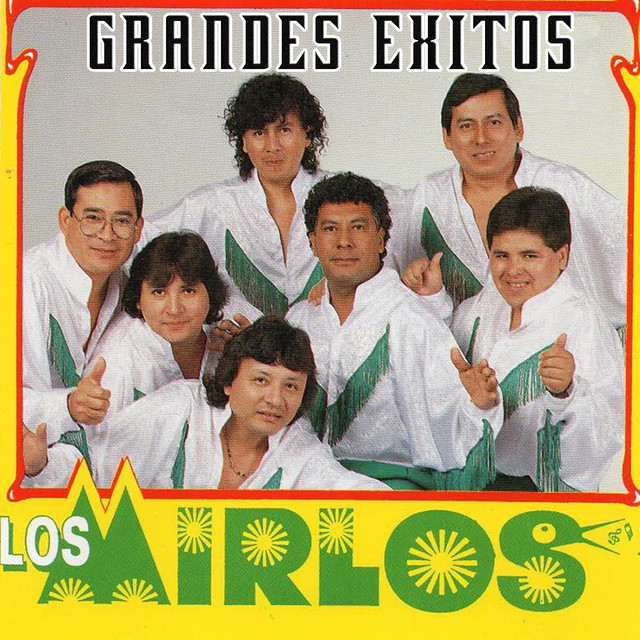
Grandes Éxitos
Los Mirlos
Cumbia Amazónica
2014
3
/5
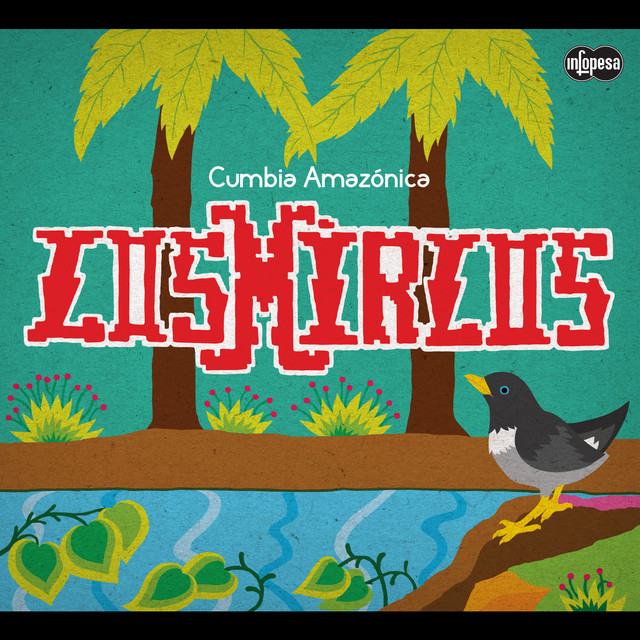
Cumbia Amazonica
Los Mirlos
Cumbia Amazónica
Cumbia
Latin
1988
2
/5
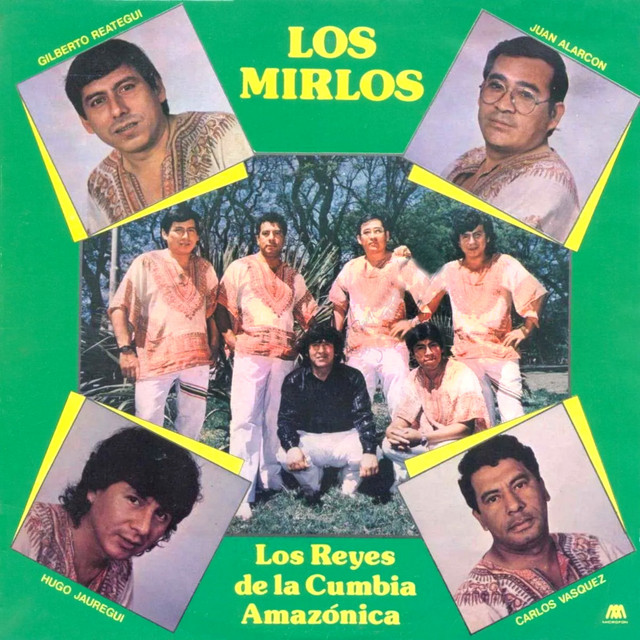
Los Reyes De La Cumbia Amazonica
Los Mirlos
Cumbia Amazónica
1988
2
/5
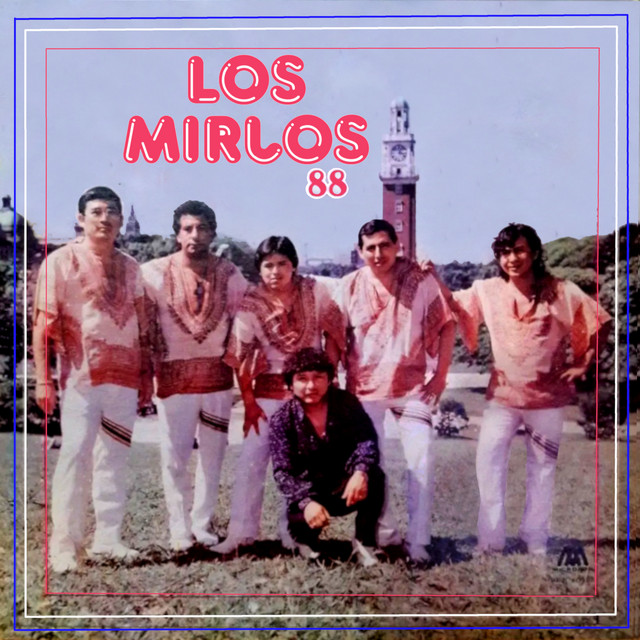
Los Mirlos '88
Los Mirlos
Cumbia Amazónica
1973
2
/5
El sonido selvático
Los Mirlos
Cumbia Amazónica
Cumbia Peruana
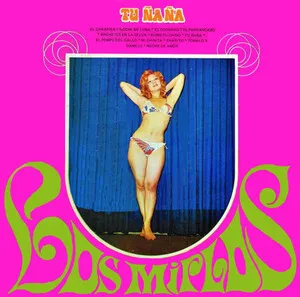
Tu ñaña
Los Mirlos
Cumbia Amazónica
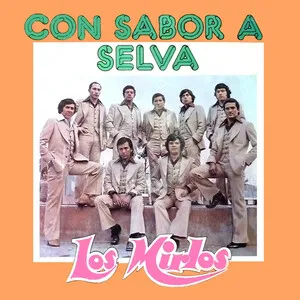
Con Sabor a Selva
Los Mirlos
Cumbia Amazónica
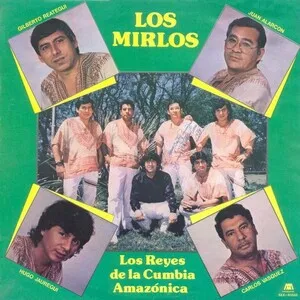
Los reyes de la cumbia amazónica
Los Mirlos
Cumbia Amazónica
El milagro verde
Los Mirlos
Cumbia Amazónica
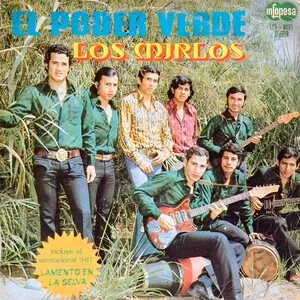
El poder verde
Los Mirlos
Cumbia Amazónica
El poder verde
Los Mirlos
Cumbia Peruana
Similar artists
2
/5
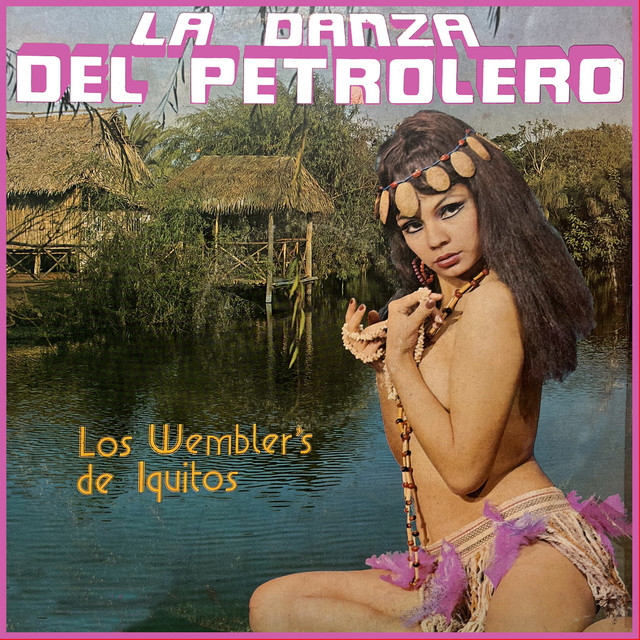
Los Wembler's de Iquitos
Cumbia Amazónica
Chicha
Cumbia
2
/5
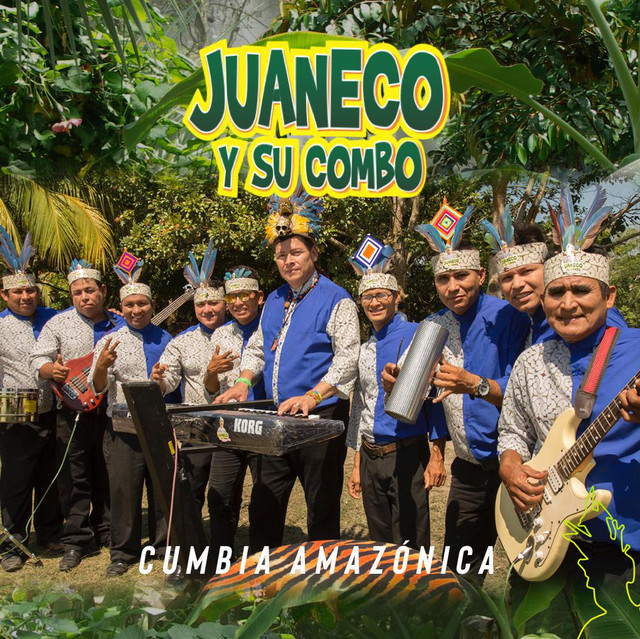
Juaneco Y Su Combo
Cumbia Amazónica
Cumbia
Cumbia Peruana
3
/5
El Lobo Y La Sociedad Privada
Cumbia Amazónica
Cumbia Peruana
Chicha
3
/5
Papillón
Cumbia Amazónica
Chicha
Cumbia
3
/5
Los Destellos
Cumbia Amazónica
Cumbia
Cumbia Peruana
3
/5
Bareto
Cumbia Amazónica
Chicha
Huayno
3
/5
Explosión De Iquitos
Cumbia Amazónica
Chicha
Cumbia
2
/5
Sonido Gallo Negro
Cumbia
Cumbia Peruana
Peruvian Music
2
/5
Chicha Libre
Cumbia
Chicha
Cumbia Peruana
1
/5
Various Artists
Afro-Funk
Alternative Rock
Ambient
Download our mobile app
Get the Melodigging app and start digging for new genres on the go
Download on the App Store
Get it on Google Play
© 2026 Melodigging
Give feedback
Legal
Melodding was created as a tribute to
Every Noise at Once
, which inspired us to help curious minds keep digging into music's ever-evolving genres.