Genres
Artists
Albums
Make Music
Sign in
Sign in
Artists
Arab Alternative
Artists
Arab Alternative
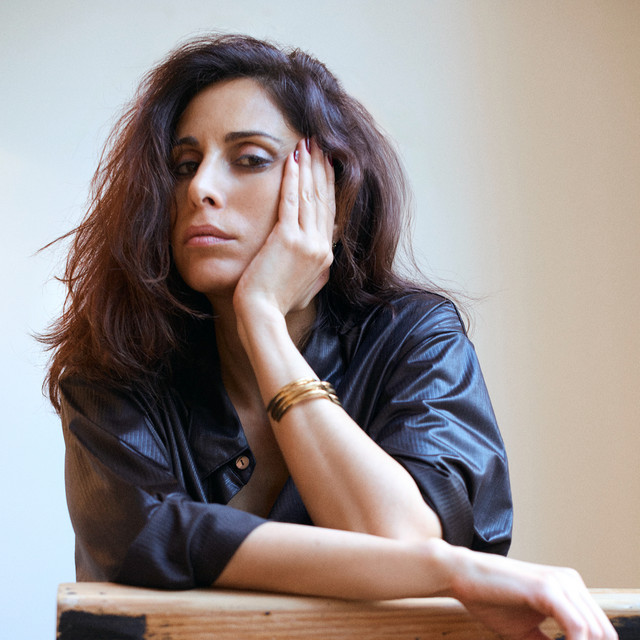
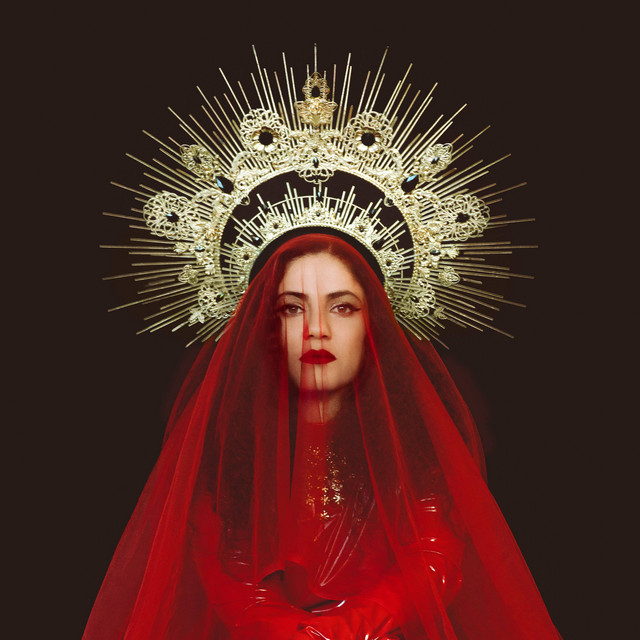
Yasmine Hamdan
2025
·
2 albums
Listen
2
/5
Genres
Trap Shaabi
Trap shaabi is an Egyptian fusion style that blends the street-party energy and timbres of shaabi/mahraganat with the half-time bounce, 808 weight, and ad‑libbed swagger of trap. It foregrounds Egyptian Arabic slang, bold hooks, and hyper-saturated sound design while retaining regional melodic colors and percussion. Producers stitch together distorted mizmar and arghul riffs, darbuka and sagat patterns, and microtonal melodies using maqam flavors (Bayati, Hijaz, Nahawand), then anchor them with booming sub‑bass, skittering hi‑hats, and clap-heavy drums. The result is a gritty, dance‑primed urban sound that feels equally at home in Cairo side streets and global streaming playlists.
Discover
Listen
Indie Dance
Indie dance blends the melodic sensibilities and live‑band ethos of indie rock with the groove, repetition, and production techniques of club music. The result is a dancefloor‑friendly sound that keeps guitars, bass, and vocals in the spotlight while leaning on four‑on‑the‑floor drums, funky basslines, and luminous analog synths. The style typically sits around 108–124 BPM, favors warm vintage tones (Roland drum machines, Juno/Jupiter/Prophet synths), and draws on disco and new wave for harmony and rhythm. Hooks are carried by concise vocal lines and ear‑catching motifs, often delivered with the intimate, conversational tone associated with indie music.
Discover
Listen
Arab Alternative
Arab alternative is an independent, non-mainstream movement from the Arab world that blends Western alternative and indie aesthetics with Arabic melodic modes (maqam), rhythms (iqa'at), and vernacular lyrics. It favors a DIY ethos, hybrid instrumentation, and intimate or socially aware storytelling over glossy commercial pop formulas. Typical arrangements fuse electric guitars, bass, and drum kits with oud, buzuq, qanun, or darbuka, and often weave in trip-hop textures, synth pads, and field recordings. Vocals draw on Arabic ornamentation and microtonal inflections, while lyrics span dialects (Levantine, Egyptian, Maghrebi, Gulf) and address identity, urban life, love, and politics. The result ranges from moody, downtempo electronica to gritty post‑punk and dreamy indie rock—always grounded in a distinctly Arabic sensibility.
Discover
Listen
Indietronica
Indietronica is a hybrid of indie rock/pop songwriting and electronic music production. It blends guitars, bass, and live vocals with drum machines, samplers, soft-synths, and laptop-based sequencing, often favoring intimate, breathy vocal deliveries and hooky melodic lines. The sound typically features crisp programmed beats, warm analog-style synths, glitchy micro-edits, and dreamy pads, with arrangements that move between reflective verses and euphoric, danceable choruses. Lyrics lean toward introspection and romance, while production aesthetics range from lo‑fi bedroom textures to polished, club‑ready gloss.
Discover
Listen
Downtempo
Downtempo is a mellow, groove-oriented branch of electronic music characterized by slower tempos, plush textures, and a focus on atmosphere over dancefloor intensity. Typical tempos range from about 60–110 BPM, with swung or laid-back rhythms, dub-informed basslines, and warm, jazz-tinged harmonies. Stylistically, it blends the spaciousness of ambient, the head-nodding rhythms of hip hop and breakbeat, and the cosmopolitan smoothness of lounge and acid jazz. Producers often use sampled drums, Rhodes or Wurlitzer electric pianos, guitar licks with delay, and field recordings to create intimate, cinematic soundscapes. The mood spans from soulful and romantic to introspective and dusk-lit, making it a staple of after-hours listening, cafes, and relaxed club back rooms.
Discover
Listen
Electronica
Electronica is a broad, largely 1990s umbrella term for a spectrum of electronic music crafted as much for immersive, album‑oriented listening as for clubs and raves. It gathers elements from techno, house, ambient, breakbeat, IDM, and hip hop production, emphasizing synthesizers, drum machines, samplers, and studio experimentation. The sound can range from downtempo and atmospheric to hard‑hitting and breakbeat‑driven, but it typically foregrounds sound design, texture, and mood over strict dance‑floor utility. In the mid‑to‑late 1990s the term was used by labels and press—especially in the United States—to market and introduce diverse electronic acts to mainstream rock and pop audiences.
Discover
Listen
Trip Hop
Trip hop is a downtempo, atmospheric fusion of hip hop rhythm and sampling techniques with the textures of dub, soul, jazz, and ambient music. Emerging from the Bristol scene in the early 1990s, it favors slow, head‑nodding breakbeats, deep bass, and cinematic sound design. The style is characterized by moody harmonies (often in minor keys), woozy tape- and vinyl-derived timbres, and liberal use of delay and reverb. Vocals frequently alternate between intimate, breathy singing and spoken word/rap, and lyrical themes tend toward noir, introspective, and melancholic subjects. Strings, Rhodes pianos, turntable scratches, and field recordings are common, creating a shadowy, filmic vibe.
Discover
Listen
Arabic Pop
Arabic pop is the mainstream, commercial song style of the Arabic‑speaking world, blending Western pop structures with Arabic melodic modes (maqām) and regional rhythmic cycles (iqa‘āt). Arrangements typically pair traditional instruments like the oud, qanun, nay, strings, and darbuka with electric guitar/bass, keyboards, drum machines, and modern synthesizers. Vocals are highly ornamented (melisma, trills, turns) and delivered in widely understood dialects such as Egyptian and Levantine, as well as Khaliji and Maghrebi Arabic. Songs favor verse–pre‑chorus–chorus forms with catchy hooks, glossy production, and video‑forward presentation. Lyrically, themes of romance, longing, celebration, and everyday life dominate, spanning intimate ballads to up‑tempo dance anthems.
Discover
Listen
Art Pop
Art pop is a strand of pop music that treats the pop song as a canvas for high-concept ideas, experimental techniques, and cross-media aesthetics. It marries accessible melodies and hooks with the visual culture of art schools, the conceptual rigor of the avant-garde, and the studio-as-instrument ethos. Sonically, art pop favors eclectic instrumentation (synths, orchestral timbres, guitars, found sounds), unusual song forms, and sophisticated harmony. It often employs collage, musique concrète–like textures, and theatrical vocal delivery while still keeping a pop-facing surface. Beyond sound, art pop is deeply visual and conceptual: albums are framed as coherent artworks, stagecraft and video are integral, and lyrics tend toward intertextuality, character work, irony, and social commentary. The result is pop that is both immediate and idea-driven.
Discover
Listen
Pop
Pop is a broad, hook-driven style of popular music designed for wide appeal. It emphasizes memorable melodies, concise song structures, polished vocals, and production intended for radio, charts, and mass media. While pop continually absorbs elements from other styles, its core remains singable choruses, accessible harmonies, and rhythmic clarity. Typical forms include verse–pre-chorus–chorus, frequent use of bridges and middle-eights, and ear-catching intros and outros. Pop is not defined by a single instrumentation. It flexibly incorporates acoustic and electric instruments, drum machines, synthesizers, and increasingly digital production techniques, always in service of the song and the hook.
Discover
Listen
Arabic Music
Arabic music is the modal, largely non-harmonic art and folk music tradition of Arabic-speaking societies across the Middle East and North Africa. It is centered on the maqam system (a constellation of scales, characteristic melodic phrases, and modulation pathways) and the iqa'at cycle-based rhythmic system. Its sound is defined by microtonal intervals (often featuring neutral seconds and micro-inflected pitches rather than equal-tempered quarter-tones), expressive melismas, and a heterophonic ensemble texture in which multiple instruments ornament the same melody simultaneously. Core instruments include the oud, qanun, nay, violin/kamanja, riqq, and darbuka/tabla, with larger firqa (orchestral) lineups common in 20th‑century Cairo. The tradition values poetic text-setting, extended improvisation (taqsim and layali), and the affective aesthetic of tarab—intense musical ecstasy and emotional transport.
Discover
Listen
Show all 11 genres
Albums
2025
3
/5
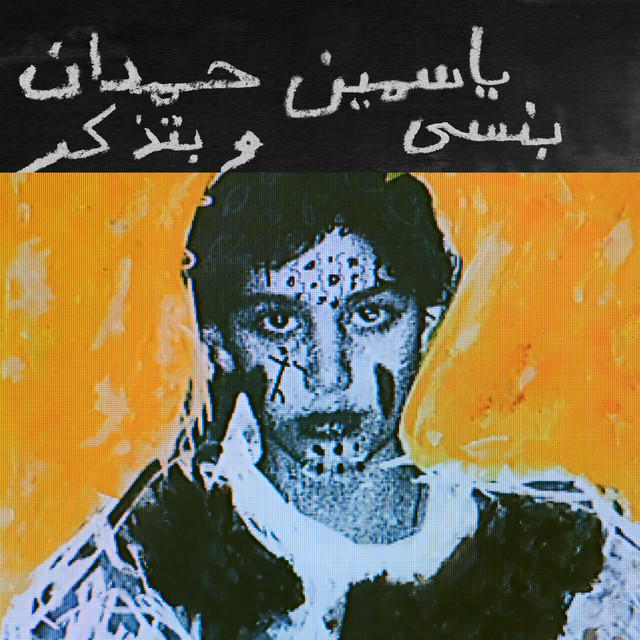
I Remember I Forget بنسى وبتذكر
Yasmine Hamdan ياسمين حمدان
Arabic Pop
Arabic Music
Arab Alternative
2025
1
/5
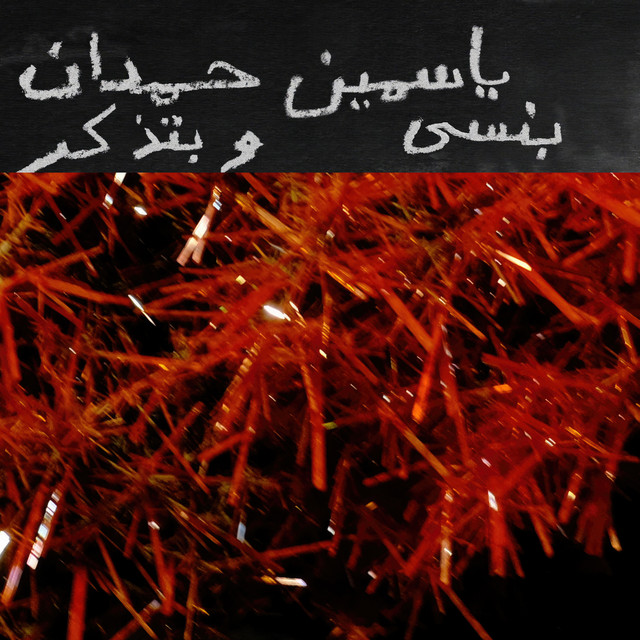
Shmaali شمالي
Yasmine Hamdan
Arab Alternative
Similar artists
1
/5
Various Artists
Afro-Funk
Alternative Rock
Ambient
3
/5
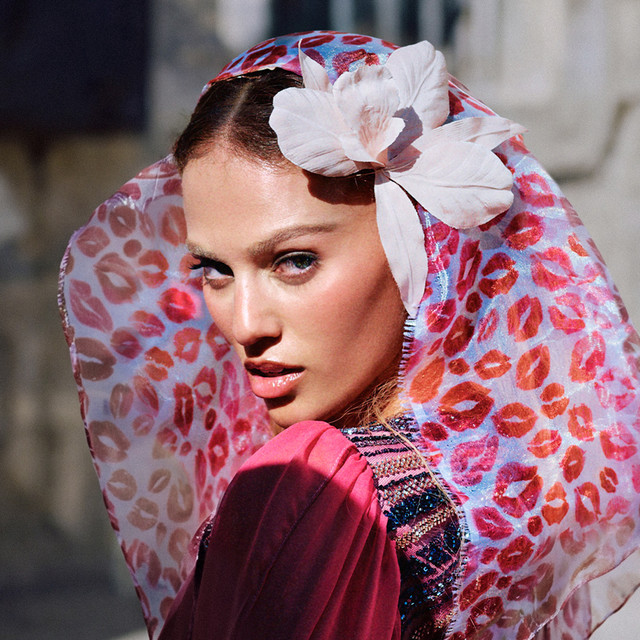
EMEL
Arab Alternative
Arabic Folk Music
Arabic Pop
3
/5
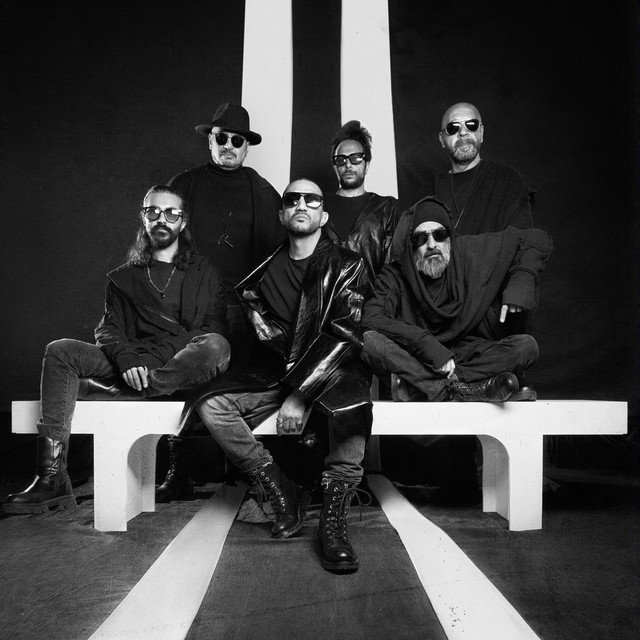
Autostrad
Arab Alternative
Folk
Trap Shaabi
4
/5
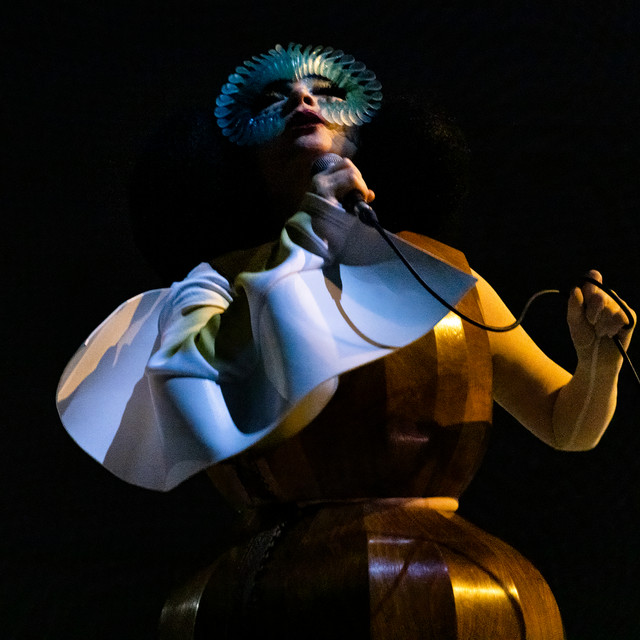
Björk
Art Pop
Icelandic Experimental
Electronic
4
/5
Elyanna
Flint Sound
Thall
Trap Shaabi
3
/5
Omar Souleyman
Dabke
Levantine Arabic Music
Arabic Pop
5
/5
Billie Eilish
Art Pop
Pop
Alternative Pop
5
/5
Twenty One Pilots
Modern Rock
Rock
Indie Pop
5
/5
Charli xcx
Hyperpop
Candy Pop
Art Pop
5
/5
The 1975
Modern Alternative Rock
Alternative
Alternative Rock
Download our mobile app
Get the Melodigging app and start digging for new genres on the go
Download on the App Store
Get it on Google Play
© 2026 Melodigging
Give feedback
Legal
Melodding was created as a tribute to
Every Noise at Once
, which inspired us to help curious minds keep digging into music's ever-evolving genres.