Genres
Artists
Albums
Make Music
Sign in
Sign in
Artists
Choral
Artists
Choral
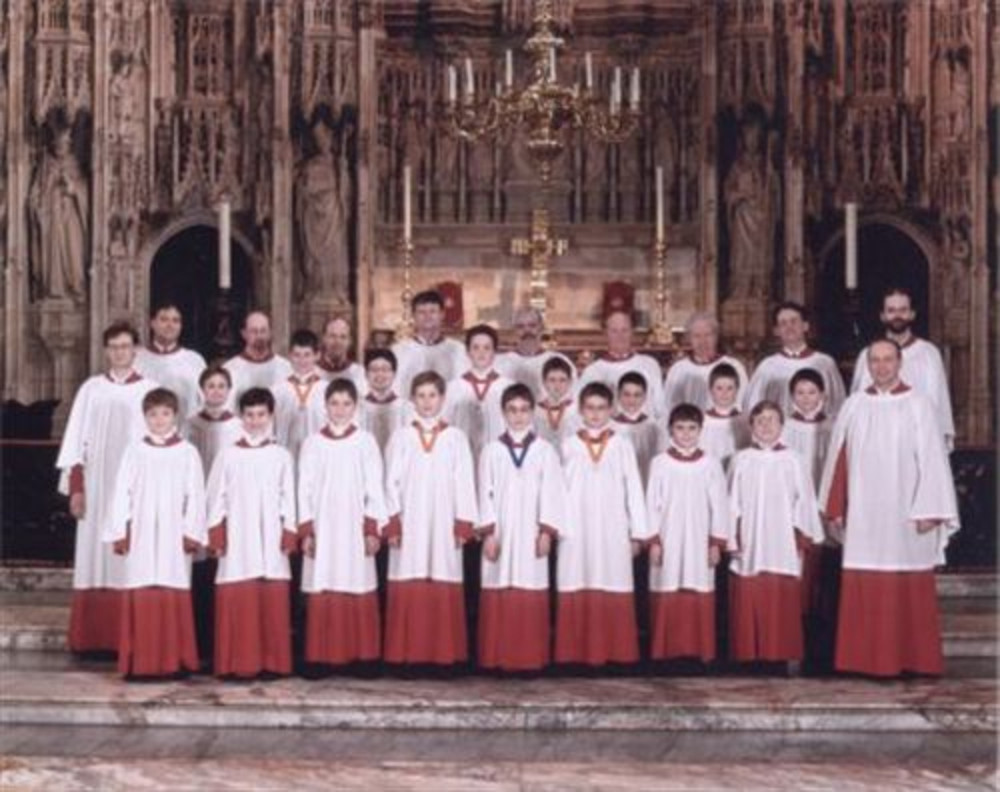
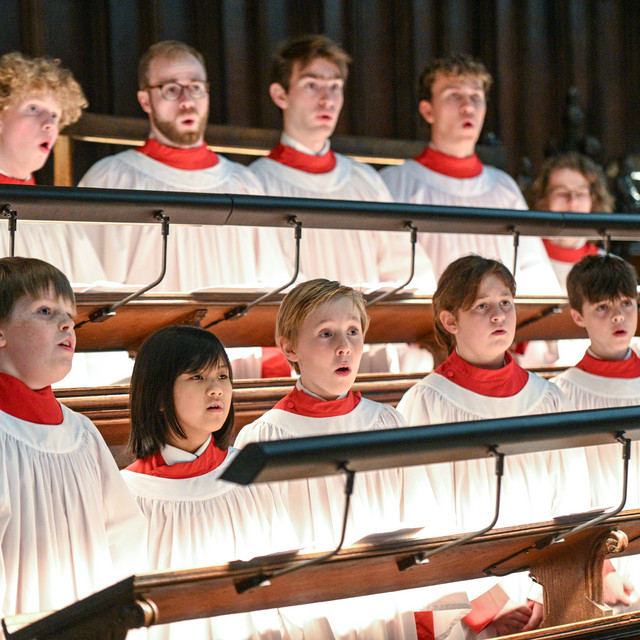
Winchester Cathedral Choir
1994
·
2 albums
Listen
2
/5
Genres
Baroque Brass
Baroque brass refers to the repertoire and performance style of brass music from the Baroque era (approximately 1600–1750). It is characterized by the use of 'natural' instruments without valves, such as the natural trumpet and natural horn, which forced composers to rely on the harmonic series. This limitation led to the development of the 'clarino' style, where players ascended to the extreme high register to play diatonic melodic lines. The genre encompasses majestic fanfares, complex polyphonic church music, and virtuosic solo concertos, often symbolizing divine glory or royal power.
Discover
Listen
Requiem
A requiem is a musical setting of the Roman Catholic Mass for the Dead (Missa pro defunctis). Historically rooted in Latin liturgy, it sets movements such as the Introit, Kyrie, (historically) the Sequence Dies irae, Offertory, Sanctus, Agnus Dei, and Communion, and often includes additional responsories like Libera me and In paradisum. While the earliest requiems were monophonic chants, the genre became a showcase for polyphonic and later symphonic choral writing. Renaissance composers wrote austere, modal settings; Classical and Romantic composers expanded the forces and dramatic scope; and 20th–21st century composers reimagined the form with new languages, from neo-modal and impressionistic harmonies to avant‑garde sonorities. Today, requiems appear both in liturgy and as concert works, symbolizing collective mourning, remembrance, and spiritual reflection.
Discover
Listen
Cambridge Choir
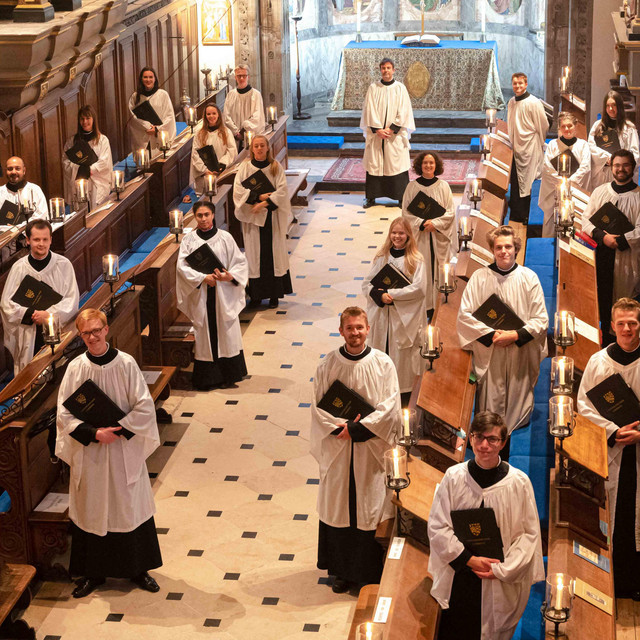
“Cambridge choir” refers to the collegiate chapel-choir tradition centered on the University of Cambridge, especially the choirs of King’s, St John’s, Trinity, Clare, and other colleges. It is characterized by an exceptionally blended choral sound; a clear, pure treble line (historically boys, now often mixed or girls’ choirs too); disciplined straight-tone singing with expressive but economical vibrato; immaculate tuning and diction; and a repertoire that runs from late-medieval and Renaissance polyphony through Anglican service music, Romantic and 20th‑century English choral works, to newly commissioned pieces. The sound-world is shaped by highly reverberant college chapels, refined organ accompaniment, and a liturgical performance context (especially Choral Evensong). The annual Festival of Nine Lessons and Carols at King’s College—broadcast worldwide—has made the Cambridge choral style synonymous with Christmas carol singing.
Discover
Listen
Classical
Classical music is the notated art-music tradition of Europe and its global descendants, characterized by durable forms, carefully codified harmony and counterpoint, and a literate score-based practice. The term “classical” can refer broadly to the entire Western art-music lineage from the Medieval era to today, not just the Classical period (c. 1750s–1820s). It privileges long-form structures (such as symphonies, sonatas, concertos, masses, and operas), functional or modal harmony, thematic development, and timbral nuance across ensembles ranging from solo instruments to full orchestras and choirs. Across centuries, the style evolved from chant and modal polyphony to tonal harmony, and later to post-tonal idioms, while maintaining a shared emphasis on written notation, performance practice, and craft.
Discover
Listen
Choral
Choral refers to music written for and performed by a choir—an ensemble of voices organized into sections such as soprano, alto, tenor, and bass (SATB), or same-voice groupings (SSA, TTBB). It encompasses both sacred and secular repertoire and may be sung a cappella or with accompaniment by organ, piano, or full orchestra. Stylistically, choral music ranges from chant-like monophony to intricate polyphony and rich homophonic textures. Texts are drawn from liturgy, scripture, poetry, and vernacular sources, and are set in many languages. Performance contexts include church services, concert halls, and community events, making choral one of the most socially embedded and widely practiced forms of ensemble music. Across history, choral music has served as a laboratory for vocal counterpoint, word painting, and text-driven form, while functioning as a cultural bridge among religious rites, national traditions, and contemporary concert practice.
Discover
Listen
Albums
1994
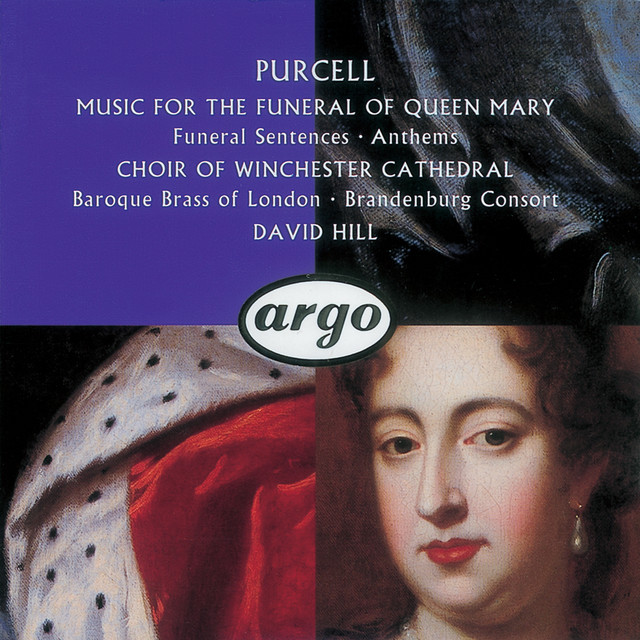
Purcell: Funeral Sentences
Henry Purcell, Winchester Cathedral Choir, Brandenburg Consort, Baroque Brass O…
Baroque Brass
1994
12th-Century Chant
Peter Abelard, Schola Gregoriana Of Cambridge, Winchester Cathedral Choir, Mary…
Cambridge Choir
Similar artists
4
/5
Berliner Philharmoniker
Classical
Symphony
Romantic Classical
4
/5
Herbert von Karajan
Classical
Symphonic Poem
Symphony
3
/5
Stephen Cleobury
Requiem
Anglican Liturgy
Cambridge Choir
3
/5
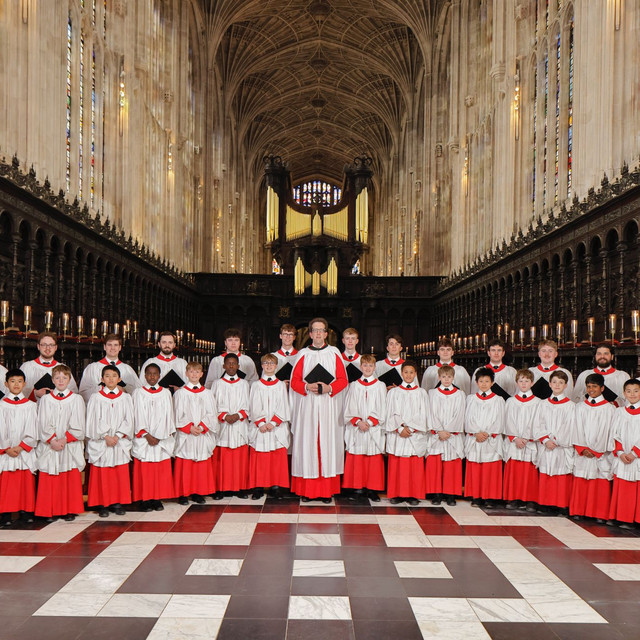
Choir of King's College, Cambridge
Requiem
Anglican Liturgy
Cambridge Choir
3
/5
Benjamin Britten
Neoclassicism
Requiem
Baroque
2
/5
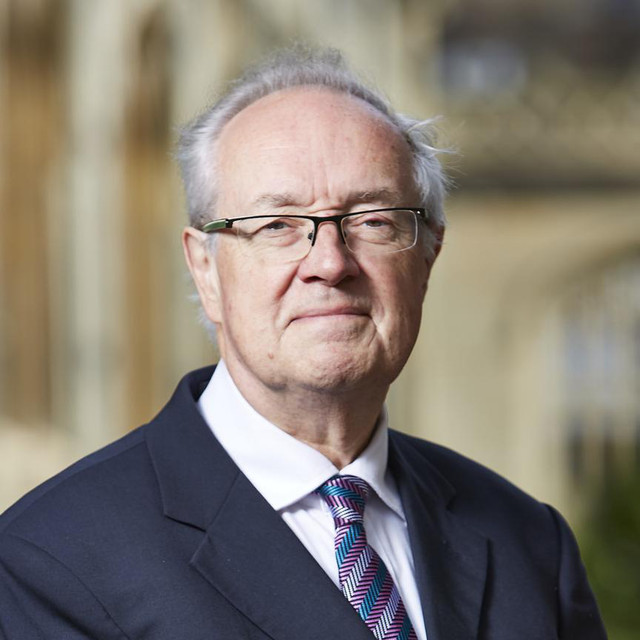
David Hill
Requiem
Choral
Classical
2
/5
Choir of St. John's College, Cambridge
University Choir
Cambridge Choir
Choral
2
/5
Choir of Gonville & Caius College, Cambridge
Choral
Requiem
Cambridge Choir
2
/5
Geoffrey Webber
Choral
Requiem
Cambridge Choir
4
/5
Wolfgang Amadeus Mozart
Classical
Requiem
Classical Period
Download our mobile app
Get the Melodigging app and start digging for new genres on the go
Download on the App Store
Get it on Google Play
© 2026 Melodigging
Give feedback
Legal
Melodding was created as a tribute to
Every Noise at Once
, which inspired us to help curious minds keep digging into music's ever-evolving genres.