Genres
Artists
Albums
Make Music
Sign in
Sign in
Artists
Gamecore
Artists
Gamecore
Vana
Listen
3
/5
Genres
Hyper-Rock
Hyper-rock is a contemporary fusion that welds glitchy, high-gloss hyperpop sound design to the riffs, songcraft, and catharsis of alternative and pop-punk–leaning rock. Productions typically feature blown-out drums, distorted guitars, sub-heavy 808s, and extreme vocal processing (hard autotune, formant shifting) delivered at adrenalized tempos. The genre embraces sudden switch-ups, meme-age collage aesthetics, maximalist drops, and compressed, internet-native songwriting. It keeps the immediacy of pop hooks while channeling the grit and angst of emo and post-hardcore, often presenting vulnerable lyrics through an aggressively modern, digital sheen.
Discover
Listen
Gamecore
Gamecore is an internet-native electronic microgenre that fuses the timbres, melodies, and narrative tropes of classic and modern video game music with contemporary EDM songcraft. Its palette leans heavily on chiptune waveforms (square, triangle, noise), retro console/arcade sound effects, and leitmotif-style hooks, but frames them within club-forward rhythms and sound design drawn from electro house, future bass, glitch hop, dubstep, and drum & bass. The result is a bright, kinetic, and often nostalgic sound that feels like a “boss battle” drop or a euphoric level clear. Scenes and labels tied to VGM remix culture, doujin circles, and demoscene aesthetics helped codify the style, while streamers, esports content, and indie game culture amplified its reach.
Discover
Listen
Nu-Metalcore
Nu‑metalcore (often nicknamed "nu‑core") blends the bounce, hip‑hop inflections, and downtuned groove of late‑1990s nu metal with the breakdown‑heavy aggression and precise syncopation of 2000s metalcore. Expect sharply gated, low‑tuned riffs, halftime drops, and elastic grooves that swing between punchy chugs and percussive, djent‑like accents. Vocals typically jump from harsh screams and pitched‑down growls to rap‑leaning cadences and hooky, melodic choruses. Electronic textures—turntable cuts, glitch edits, sub‑drops, and 808 layers—are common, supporting a glossy yet crushing modern production aesthetic. Lyrically, the style carries nu metal’s confessional angst and social frustration while adopting metalcore’s cathartic intensity and mosh‑centric energy. The result is a contemporary, club‑ready heaviness that feels both nostalgic and forward‑looking.
Discover
Listen
Thall
Thall is a hyper-percussive, ultra–low-tuned offshoot of djent and progressive metal popularized by Sweden’s Vildhjarta. The style emphasizes tightly gated, staccato down‑picking; dissonant chord voicings; and lurching, polymetric grooves that drop into sudden rests and accents. Characteristic techniques include rapid release bends, stark contrasts between pitch‑shifted highs and subterranean lows, and the use of lush, reverb‑heavy ambient interludes to heighten tension and reset the ear before the next rhythmic assault. The result is a sound that feels both mechanical and cinematic—aggressive yet spacious.
Discover
Listen
Trap Metal
Trap metal is a fusion of contemporary trap production and the aggression of metal and hardcore. It typically pairs distorted 808 bass, half‑time trap drums, and rapid hi‑hat rolls with screamed or harshly delivered vocals, down‑tuned guitar riffs (live or sampled), and industrial textures. Aesthetically, it emphasizes raw intensity, mosh‑pit energy, and abrasive sound design while retaining hip‑hop’s hook‑driven song structures and lyrical cadences. Themes often revolve around alienation, rage, nihilism, and personal struggle, delivered with a visceral, cathartic tone.
Discover
Listen
Horror Synth
Horror synth is a dark, cinematic electronic style that draws heavily from 1970s–1980s horror film scores and analog synthesizer aesthetics. It emphasizes ominous arpeggios, minor-key ostinati, and brooding pads that evoke suspense, dread, and retro VHS-era atmosphere. While it overlaps with synthwave, horror synth is noticeably darker and more aggressive, often incorporating industrial textures, dissonant intervals, and sound-design cues taken from classic slasher and giallo soundtracks. The music typically features vintage drum machine grooves, tape-like saturation, and motif-driven themes that feel like cues to an unseen film.
Discover
Listen
Post-Post-Hardcore
Post-post-hardcore is a polished, third-wave offshoot of post-hardcore that crystallized in the 2010s. It fuses the genre’s emotive, dynamic vocals and tension-release structures with modern pop hooks, electronic programming, and metalcore heft. Compared with classic post-hardcore, it favors glossy production, radio-leaning choruses, and hybridized textures—think syncopated djent-lite riffs under bright synths, EDM-style risers and drops, half-time breakdowns, and call-and-response vocals (screamed versus soaring cleans). The result is an accessible yet intense sound that thrives in the internet era of playlists, YouTube covers, and scene cross-pollination.
Discover
Listen
Scream Rap
Scream rap is a high-intensity rap style defined by screamed, shouted, or harsh-vocal delivery over trap-leaning beats. Rather than relying on metal-style guitars, it typically keeps a hip-hop rhythmic core—808s, rattling hi‑hats, and booming sub-bass—while pushing vocals and drums into aggressive saturation and intentional clipping. The result is a cathartic, visceral sound that fuses the emotional volatility of screamo and hardcore punk with the swagger, rhythm, and production grammar of contemporary rap. Lyrical themes often center on rage, alienation, mental health, and internet-era nihilism, but also on boastful energy designed for moshpits and explosive live shows.
Discover
Listen
Darkcore
Darkcore is a darker, moodier strain of early-1990s UK breakbeat hardcore that deliberately shifted rave music away from euphoric pianos and diva vocals toward ominous atmospheres and heavy bass. It centers on chopped breakbeats, sub‑bass pressure, Reese and Hoover stabs, horror‑film samples, and minor‑key pads, creating a tense, nocturnal sound that prefigured jungle and drum and bass. Typical tempos range from roughly 150–165 BPM, with DJ‑friendly 12" arrangements, dramatic breakdowns, and sound‑design tricks such as early time‑stretching artifacts, pitch‑shifting, and aggressive filtering.
Discover
Listen
Alternative Pop
Alternative pop is a strand of pop music that keeps the melodic accessibility of mainstream pop while foregrounding unconventional songwriting, left‑field production, and an indie or art‑driven sensibility. It often blends acoustic and electronic timbres, juxtaposes intimate vocals with textural sound design, and favors mood, concept, and experimentation over radio‑formula structures. Hooks remain central, but they may sit within atypical forms, lo‑fi palettes, off‑kilter rhythms, or cinematic arrangements. Lyrically, alternative pop tends toward introspection, ambiguity, and subcultural reference points, addressing identity, technology, and contemporary alienation as frequently as classic pop themes like romance.
Discover
Listen
Pop Metal
Pop metal is a radio-friendly strain of heavy music that blends the polish and hooks of pop with the guitar-driven power of hard rock and heavy metal. Characterized by anthemic choruses, glossy production, and melodic guitar solos, it favors catchy verse–pre‑chorus–chorus structures, harmonized vocals, and big, reverberant drums. The sound often employs layered rhythm guitars, high-gain yet smooth tones, and earworm toplines, while power ballads showcase cleaner guitars, keyboards, and soaring vocals. Visually and culturally, the style emerged alongside the glam/hair metal movement, leveraging MTV-ready aesthetics and crossover songwriting to reach mainstream audiences far beyond traditional metal scenes.
Discover
Listen
Metal
Metal (often used to mean heavy metal in its broad, umbrella sense) is a loud, guitar-driven style of rock defined by high-gain distortion, emphatic and often martial rhythms, and a dense, powerful low end. It foregrounds riff-based songwriting, dramatic dynamics, virtuosic guitar solos, and commanding vocals that range from melodic wails to aggressive snarls and growls. Harmonically, metal favors minor modes, modal color (Aeolian, Phrygian), chromaticism, and tritone-inflected tension, while thematically it explores power, mythology, the occult, social critique, fantasy, and existential subjects. While adjacent to hard rock, metal typically pushes amplification, distortion, precision, and thematic intensity further, forming a foundation for many specialized subgenres.
Discover
Listen
Pop Rock
Pop rock blends the hook-focused immediacy of pop with the instrumentation and drive of rock. It prioritizes catchy melodies, concise song structures, and polished production while retaining guitars, bass, and drums as core elements. Typical pop rock tracks use verse–pre-chorus–chorus forms, strong vocal harmonies, and memorable riffs. The sound ranges from jangly and bright to mildly overdriven and arena-ready, aiming for radio-friendly appeal without abandoning rock’s rhythmic punch.
Discover
Listen
Show all 13 genres
Similar artists
1
/5
Various Artists
Afro-Funk
Alternative Rock
Ambient
5
/5
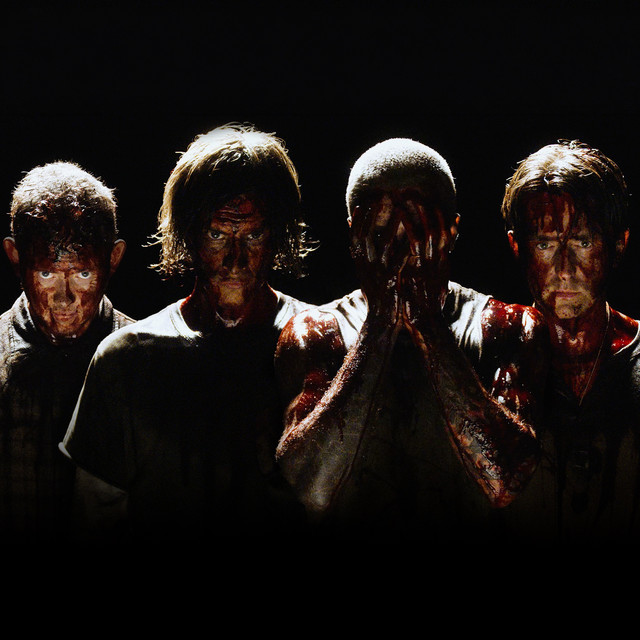
Bring Me The Horizon
Melodic Metalcore
Post-Hardcore
Screamo
4
/5
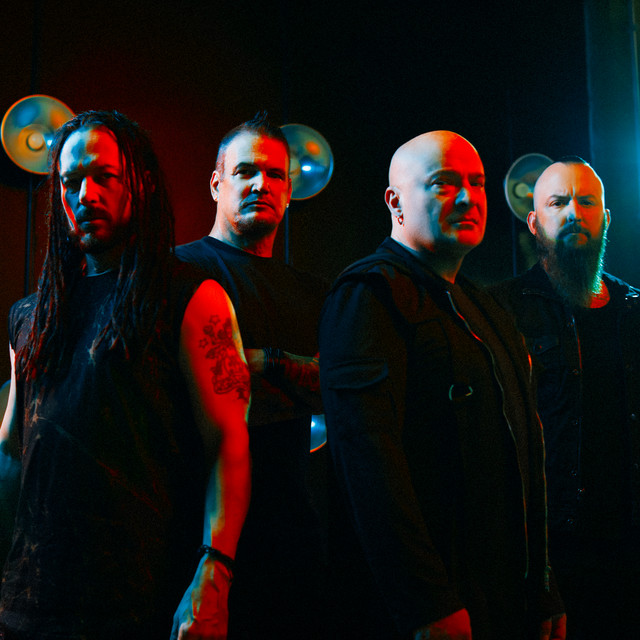
Disturbed
Heavy Metal
Alternative Metal
Hard Rock
4
/5
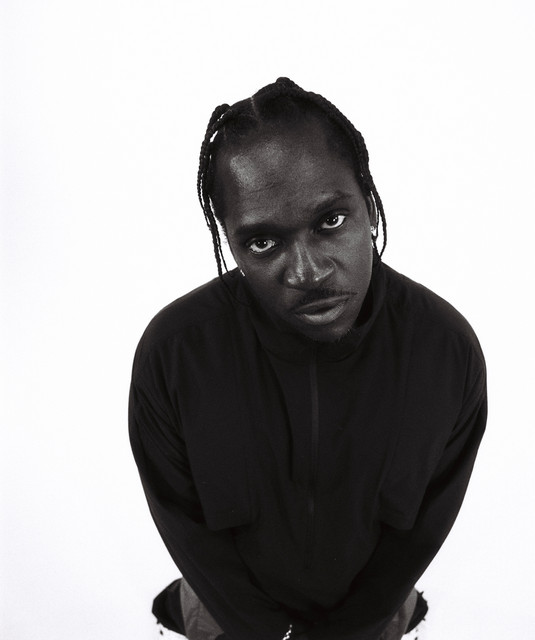
Pusha T
Coke Rap
Gangsta Rap
Hip Hop
4
/5
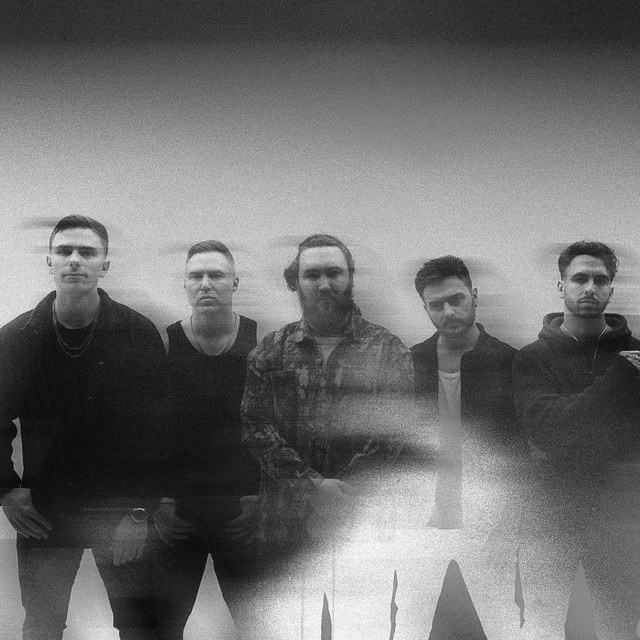
I Prevail
Nu-Metalcore
Metalcore
Metal
3
/5
Mick Gordon
Electronic Djent
Aussie Drill
Dark Clubbing
3
/5
thrown
Deathcore
Electronic Djent
Nu-Metalcore
3
/5
Dal Av
Thall
Nu-Metalcore
Trap Metal
3
/5
Fire From The Gods
Metalcore
Nu-Metalcore
Rap Metal
3
/5
Jackson Rose
Nu-Metalcore
Thall
Trap Metal
Download our mobile app
Get the Melodigging app and start digging for new genres on the go
Download on the App Store
Get it on Google Play
© 2026 Melodigging
Give feedback
Legal
Melodding was created as a tribute to
Every Noise at Once
, which inspired us to help curious minds keep digging into music's ever-evolving genres.