Genres
Artists
Albums
Make Music
Sign in
Sign in
Artists
Chill Phonk
Artists
Chill Phonk
VØJ
Listen
4
/5
Genres
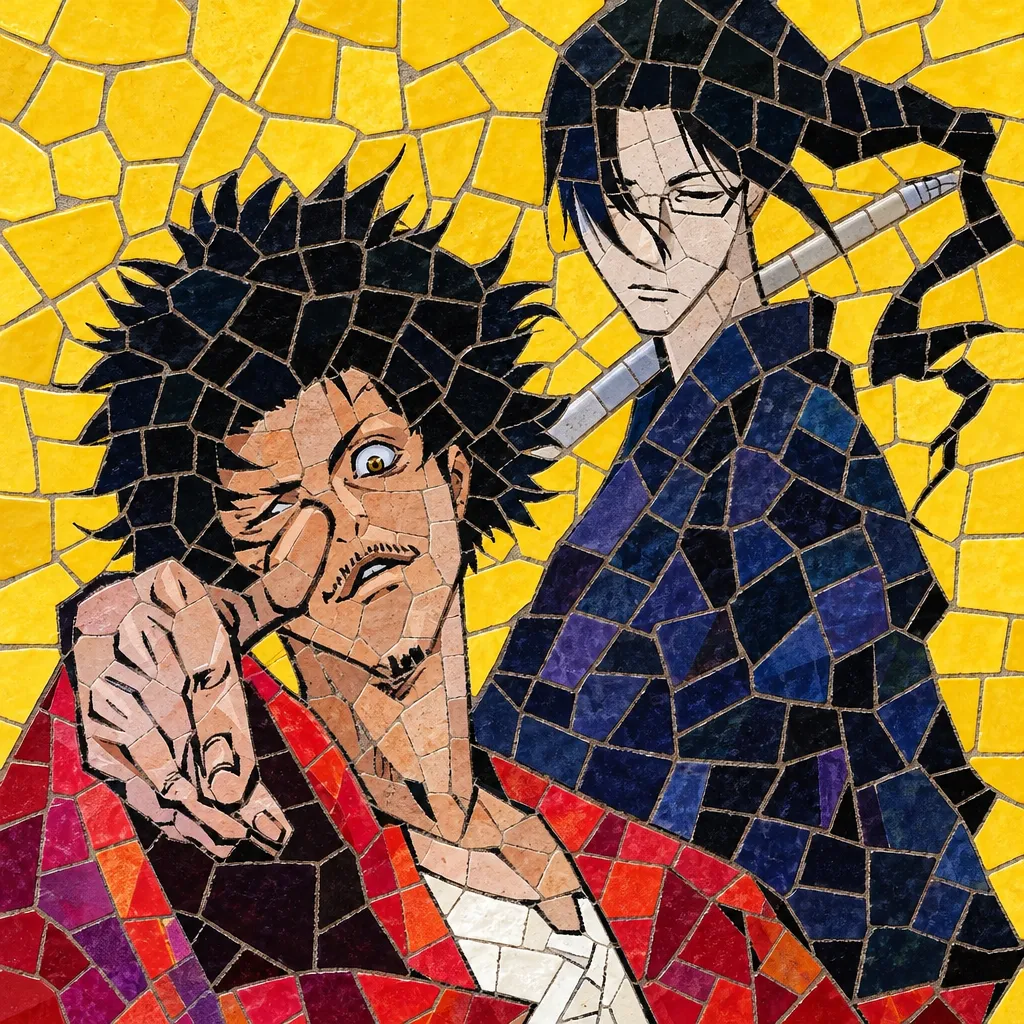
Anime Phonk
Anime phonk is an internet-native microstyle of phonk that fuses the genre’s hard-hitting 808s, distorted bass, and signature cowbell patterns with samples, motifs, and aesthetics drawn from Japanese anime culture. Producers stitch together chopped anime dialogue, openings/endings, city pop fragments, or anime-score textures with drift-phonk rhythms at brisk tempos, then brand the tracks with AMV-style edits, neon palettes, and character imagery. The result balances dark, driving club energy with nostalgic, emotive cues from anime and Japanese pop culture. It spread rapidly via TikTok, YouTube shorts, and AMV channels, where short edits accentuate the genre’s punchy drops and dramatic, cut-up vocal one-liners.
Discover
Listen
Chill Phonk
Chill phonk is a mellow, atmospheric branch of phonk that softens the raw, gritty edges of 90s Memphis-inspired beats with lo‑fi warmth, dreamy pads, and spacious mixing. Instead of the high-octane, cowbell-driven aggression of drift phonk, chill phonk favors slower to mid‑tempo grooves, jazzy or soul‑leaning samples, deep but gentle 808 subs, and tape‑worn textures. Vocals—if present—are usually pitched down and treated with heavy reverb or delay, sitting more as ambience than as a commanding lead. The overall effect is nostalgic, nocturnal, and introspective: music made for late drives, study sessions, and quiet reflection while still retaining the head‑nod swing of Southern hip‑hop.
Discover
Listen
Doomshop Phonk
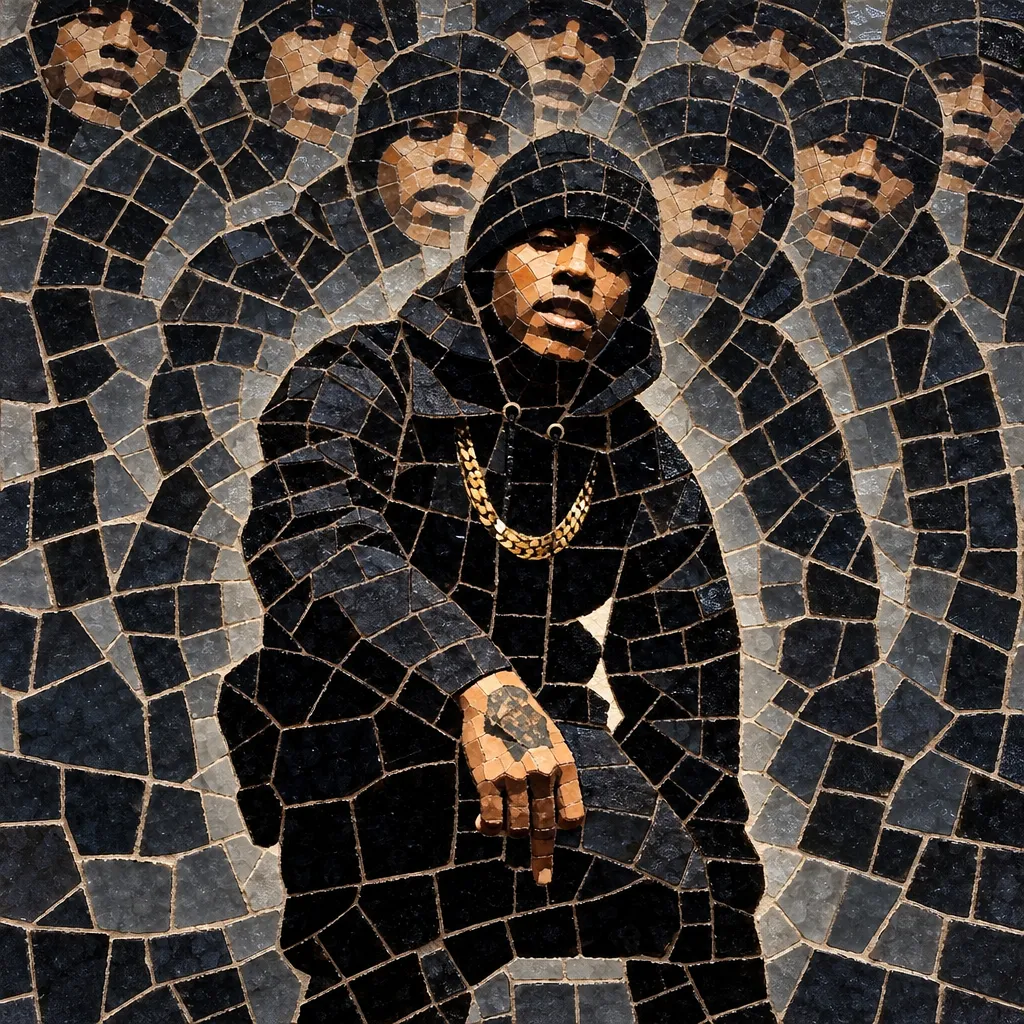
Doomshop phonk is a darker, grittier branch of phonk rooted in 1990s Memphis underground hip hop aesthetics and horrorcore imagery. It emphasizes slowed, pitched‑down rap vocals, eerie melodic loops, blown‑out 808 subs, and lo‑fi textures (tape hiss, vinyl crackle) to evoke a sinister, nocturnal atmosphere. The style was popularized online in the mid‑2010s through the Doom Shop/Doomshop collective, YouTube mixtapes, and SoundCloud communities. Compared with mainstream or drift phonk, doomshop phonk keeps tempos slower, mixes dirtier, and samples and programming closer to chopped‑and‑screwed and early Memphis traditions.
Discover
Listen
Drift Phonk
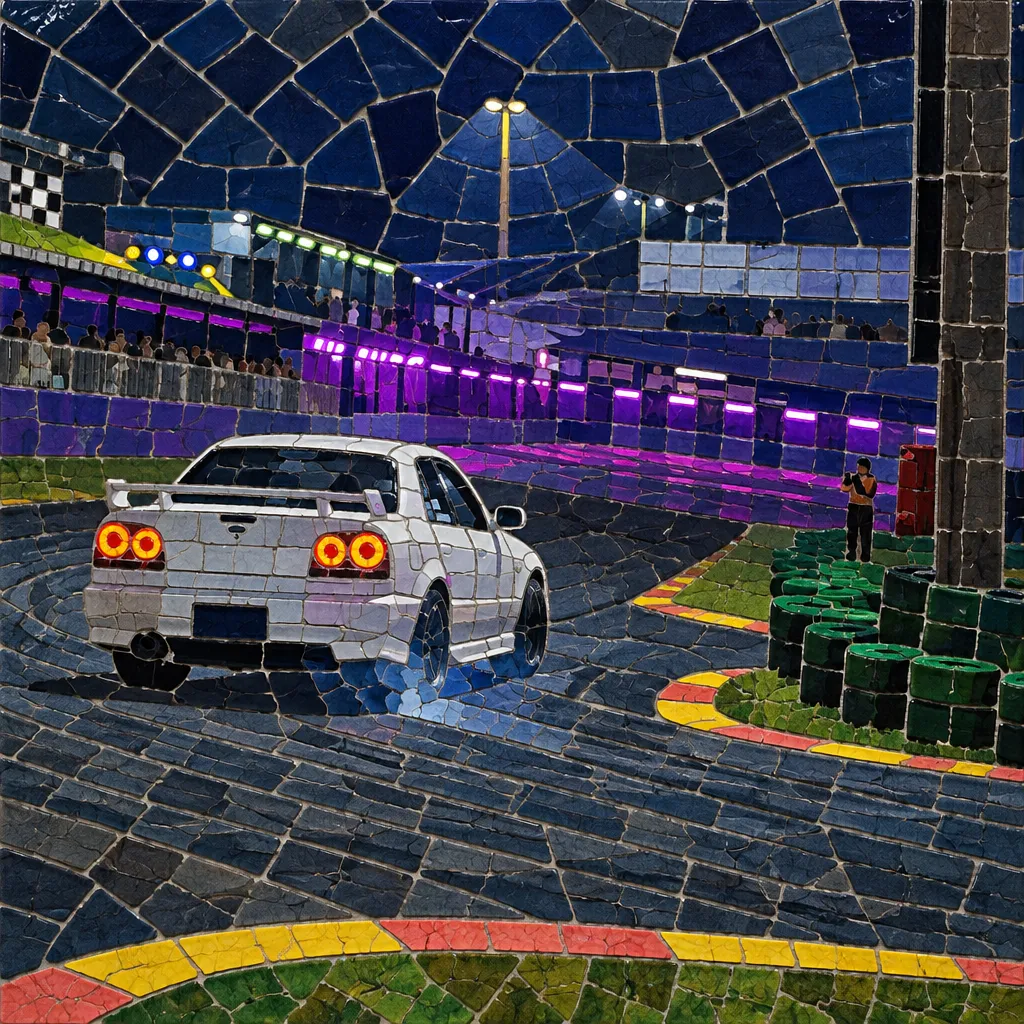
Drift phonk is a high-energy, house-tempo offshoot of phonk that crystallized in the late 2010s and surged globally in the early 2020s. It blends the dark, Memphis-rap sampling ethos of classic phonk with four-on-the-floor club rhythms, hard-hitting 808 sub-bass glides, and a signature syncopated cowbell lead. The result is a tense, cinematic sound tailored to fast motion—especially car drifting edits on TikTok, YouTube, and Instagram. Compared to lo-fi, boom-bap-oriented phonk, drift phonk is cleaner, louder, and faster (often around 160 BPM), leaning on modern dance production techniques (sidechain, saturation, precise limiting) while keeping chopped, pitched, or re-recorded vocal chops as a core aesthetic. Its visual identity often features neon-lit street racing, VHS/tape grit, and cyberpunk color palettes.
Discover
Listen
Flint Sound
Flint sound is a contemporary Michigan rap style centered in Flint, United States. It is characterized by fast, minimal, piano- or organ-led beats, dry and upfront vocals, and bar-by-bar “punch‑in” delivery that often rides slightly ahead of or behind the grid for a conversational, off‑kilter feel. The production typically favors bright piano loops, staccato 808 slides, crisp claps or rimshots, and sparse percussion, leaving plenty of space for relentless punchlines, gritty street reportage, and mischievous humor. While hard-edged and streetwise, the style frequently leans into charismatic personality and wit, making it both aggressive and infectious for dancing.
Discover
Listen
Modern Downshift
Modern downshift is a contemporary, playlist-era microgenre that blends hushed alternative pop and alt‑R&B sensibilities with the spaciousness of downtempo and ambient pop. Songs are typically slow to mid‑tempo, minimal in arrangement, and intimate in vocal delivery—often breathy, close‑miked, and confessional. Production emphasizes warmth and negative space: soft sub‑bass, restrained percussion, reverb‑washed pads or guitars, and gentle saturation that keeps the overall texture velvety and nocturnal. Lyrically, the style skews introspective and late‑night: relationships, vulnerability, quiet self‑reflection, and the emotional afterglow of parties or city drives. The result is music that feels low‑key and cinematic—designed as much for solitary listening as for low‑light social settings.
Discover
Listen
Phonk
Phonk is a dark, sample-heavy microgenre of hip hop and trap that resurrects the gritty aesthetics of 1990s Memphis rap. It blends chopped-and-screwed vocals, ominous minor-key loops, lo‑fi textures, and overdriven 808s to create a woozy, menacing atmosphere. While early phonk leaned on slowed vocal samples and cassette‑era grit, a later offshoot known as drift phonk foregrounded hard‑clipping 808 bass and bright cowbell patterns at faster tempos, becoming synonymous with car/drift videos and social media virality. Across its variants, phonk is united by retro Southern rap DNA, tape‑worn sonics, and an underground, DIY producer culture.
Discover
Listen
Post-Dubstep
Post-dubstep is a loosely defined wave of UK-born electronic music that grew out of dubstep but moved away from its rigid 140 BPM wobble-bass formula. It keeps the bass-weight, sound-system focus, and rhythmic syncopation of dubstep and UK garage, but folds in house and techno tempos, R&B vocal chops, ambient space, and experimental production. Typical tracks explore 120–135 BPM (not fixed at 140), use broken 2‑step/garage swing instead of 4/4, and favor detailed sound design over maximal drops. You’ll often hear hushed, intimate vocals (sampled or original), neo-soul/jazz-influenced chords, and micro-edited percussion with lots of negative space. The mood is frequently introspective, melancholic, and textural—more headphone-oriented than festival-leaning—yet still rooted in club culture.
Discover
Listen
Regalia
Regalia is a cinematic, orchestral-trap hybrid built around lush string sections, dreamy piano motifs, and other symphonic colors layered over modern trap percussion. The core contrast is between “regal” orchestration (wide, sweeping harmony and melodic scoring techniques) and hard-edged rhythmic programming (808 sub-bass, crisp snares/claps, rapid hi-hats, and impactful transitions). It is typically instrumental and soundtrack-adjacent, often designed for dramatic builds, trailers, highlight reels, or emotionally charged beats rather than verse–chorus pop structures.
Discover
Listen
Spacewave
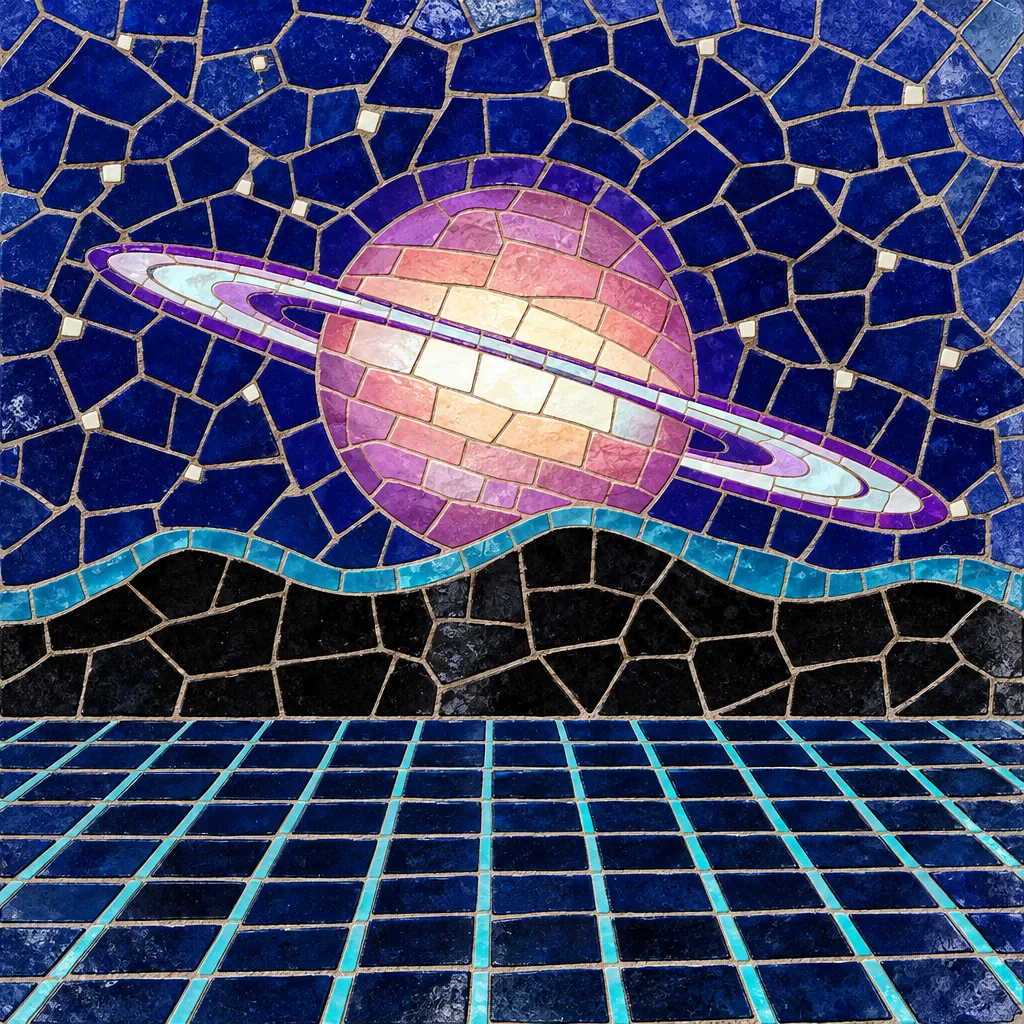
Spacewave is an internet-born microgenre that blends the retro-futurist nostalgia of vaporwave with the cinematic pads and arpeggiated synths of synthwave and the vast, slow-moving atmospheres of space ambient. It favors warm analog-style timbres, shimmering pads, slow to mid-tempo grooves, and expansive reverbs that suggest cosmic distance. Tape hiss, vinyl crackle, and radio-voice samples (e.g., NASA mission comms) are common, reinforcing a sense of archival futurism. The aesthetic is both utopian and wistful: neon starfields, VHS-era sci‑fi optimism, and long, flowing arrangements designed for late-night driving, studying, or stargazing. Much of the scene circulates on Bandcamp, YouTube mix channels, and streaming playlists rather than traditional label ecosystems.
Discover
Listen
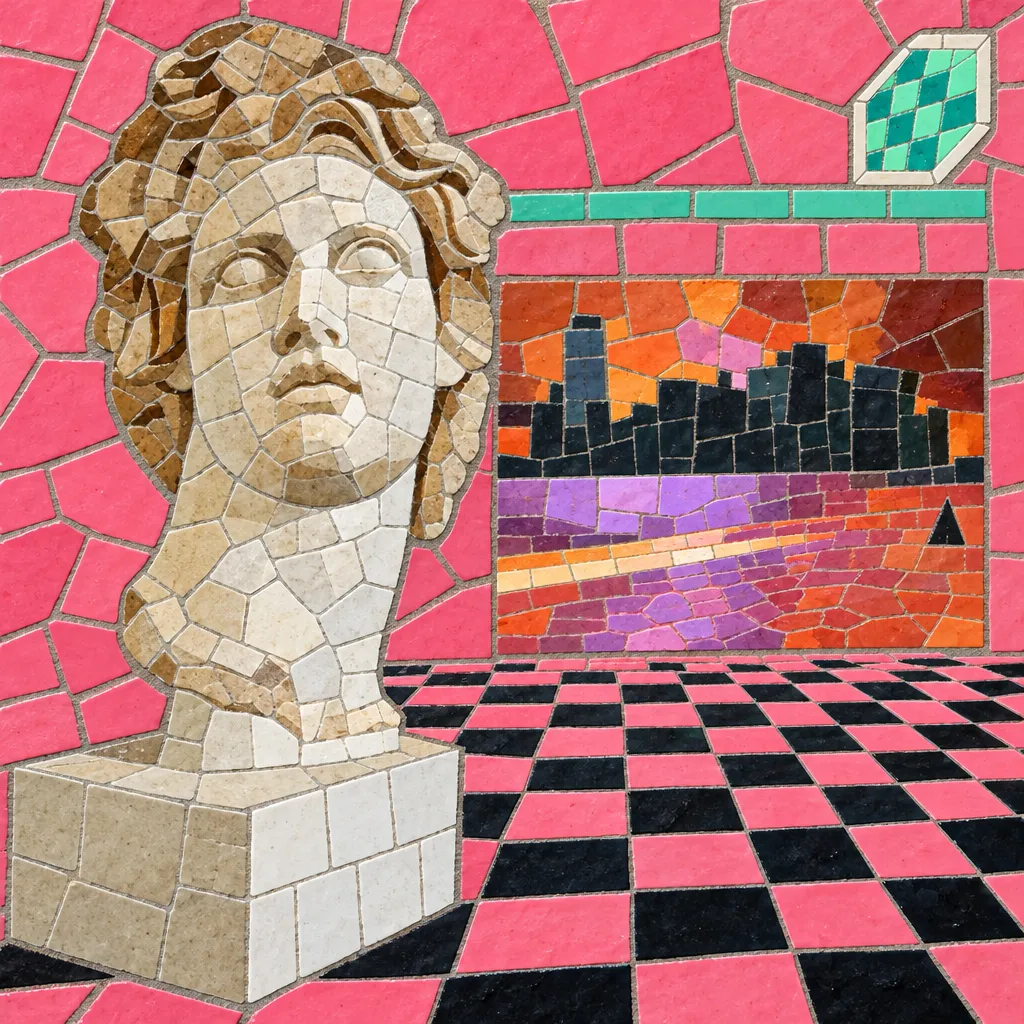
Vaporwave
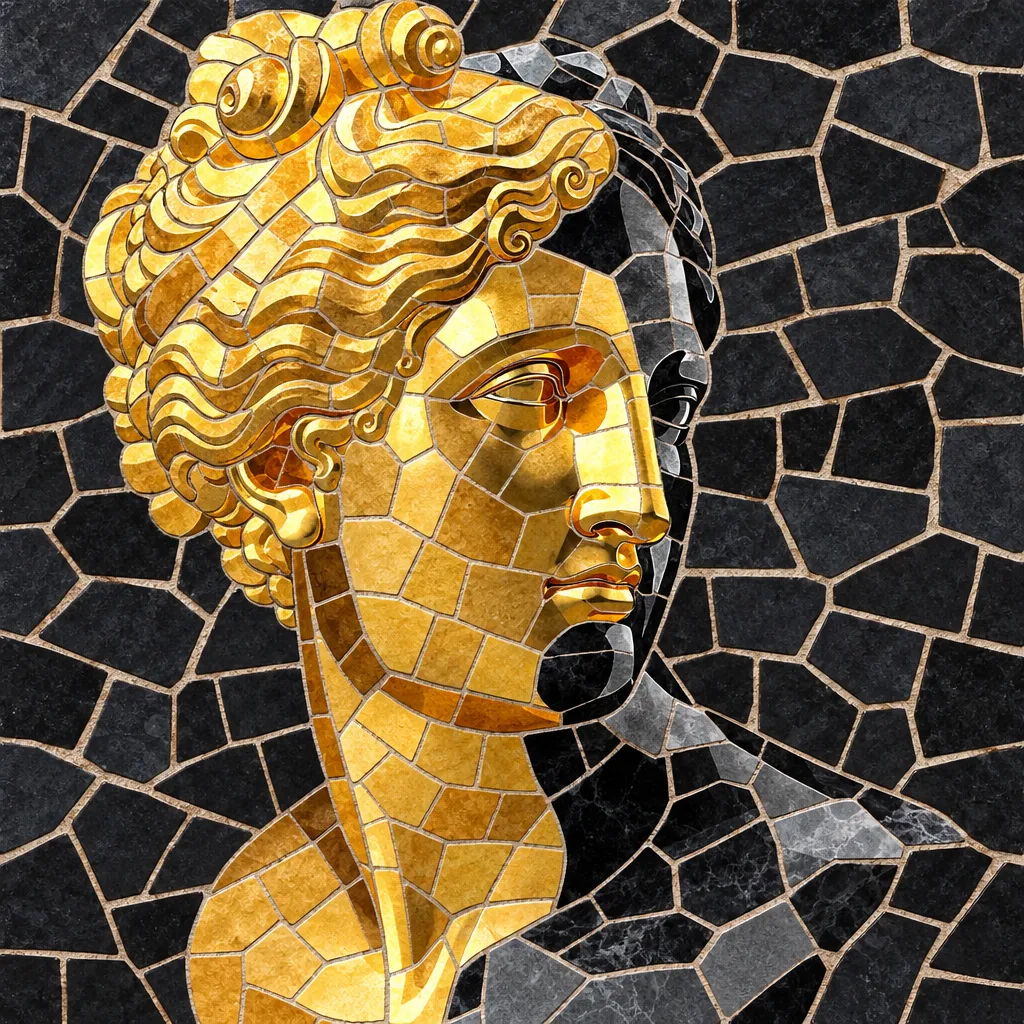
Vaporwave is an internet-born microgenre and visual aesthetic that repurposes late‑20th‑century commercial sound—mu zak, smooth jazz, soft rock, synth‑pop, city pop, and corporate training tapes—into hazy, slowed, and looped collages. Its sound foregrounds pitched‑down samples, heavy reverb, tape hiss, vinyl crackle, and dreamy pads to evoke a mood between satire and sincere nostalgia. Beyond music, vaporwave is inseparable from its graphic language: Greco‑Roman busts, Japanese text, retro operating systems, chrome logos, palm trees, neon gradients, and “mall culture” architecture. The result feels like a haunted shopping mall: part critique of consumer capitalism, part wistful memory of media and retail spaces from the 1980s–2000s. Tempos are typically slow (roughly 60–90 BPM), harmonies tend toward lush seventh and extended chords, and rhythms range from barely perceptible loops to minimal, gated drum programming. Many tracks are short, vignette‑like studies in texture and mood.
Discover
Listen
Wave
Wave is an internet-born electronic genre that emerged in the mid‑2010s, blending half‑time trap rhythms with ambient pads, emotive minor‑key harmony, and dubstep-informed sound design. It favors atmosphere and mood over maximal aggression, often pairing wide, reverb‑washed textures with weighty 808 subs and sparse melodic leads. Tracks typically sit around 120–140 BPM with a half‑time feel (60–70 BPM perceived), featuring crisp hi‑hat flicks, roomy snares on beat three, and long, cinematic builds and breakdowns. Vocals, when present, tend to be ethereal phrases or chopped one‑shots used as textures rather than full verses. While rooted in online communities and labels/collectives, Wave gradually crossed over to physical club spaces, maintaining a balance between headphone introspection and dancefloor momentum.
Discover
Listen
Samurai Trap
Samurai trap is a web-native microgenre of trap that fuses modern 808-driven hip hop with timbres, scales, and thematic cues associated with historical Japan ("samurai" as a catch‑all signifier). Producers layer koto, shamisen, and shakuhachi phrases, taiko‑like drum hits, and pentatonic or hirajōshi/yo‑mode gestures over contemporary trap drums and bass. The result is a cinematic, high‑contrast sound: sub‑heavy, halftime grooves and sharp percussive transients are counterbalanced by evocative, often reverb‑washed plucked strings or flutes, sword‑swoosh foley, and battle/dojo atmospherics. Visual identity (cover art, typography, and anime/chanbara references) is integral to the genre’s perception online, where it circulates through playlists, channels, and meme‑accelerated scenes.
Discover
Listen
Traprun
Traprun is a high-energy offshoot of trap and EDM tailored for running, workouts, and action-forward settings. It emphasizes driving tempos, hard-hitting 808s, cinematic builds, and explosive drops that keep momentum constant. Structurally, it draws from festival trap’s stadium-sized dynamics while retaining the sparse, percussive DNA of Southern hip hop trap. The result is music that feels both rhythmically aggressive and dance-ready, with minimal harmonic movement, crisp hi-hat programming, and bold bass leads that translate well to large systems and headphones alike.
Discover
Listen
Motivation
Motivation is a functional, cross-genre style designed to inspire action, confidence, and perseverance. It blends modern pop and EDM energy with cinematic/orchestral builds and post-rock textures to create an uplifting, triumphant arc. Arrangements typically move from a sparse, contemplative opening (piano, pads, delayed guitars) into steadily layered drums, rhythmic ostinatos, and wide, anthemic choruses. Major keys, bright synths, claps, stomps, and chantable hooks are common, while harmonic progressions favor familiar, optimistic cycles (e.g., I–V–vi–IV) that signal resolve and forward motion. Originally tied to production and library music for promos, sports, tech launches, and YouTube storytelling, Motivation has become a recognizable aesthetic across advertising, fitness culture, and personal development media.
Discover
Listen
Glitch Hop Edm
Glitch hop EDM is a bass-heavy, midtempo offshoot of glitch and hip-hop that adopts the large-scale sound design, drops, and festival-ready structures of contemporary EDM. It typically runs around 90–115 BPM with a swung or syncopated hip-hop groove, while employing stutter edits, tape stops, bitcrushing, buffer repeats, granular chops, and intricate automation to create the characteristic "glitched" feel. Tracks often feature thick, modulated basslines; punchy, off-kilter drums; chopped vocals and foley; and harmonies that borrow from jazz, funk, and soul, all arranged in EDM-style buildups and drops.
Discover
Listen
Spamwave
Spamwave is a microgenre of vaporwave and sample-based collage that centers on the sounds, aesthetics, and affect of early-2000s internet clutter: spam emails, robocalls, pop‑up ads, infomercials, and adware/OS notifications. Producers loop, time‑stretch, and detune these commercial and computational artifacts into hypnotic, uncanny textures that feel both nostalgic and slightly menacing. Musically, spamwave favors slow to mid‑tempo loops, heavy reverb, pitch shifting, and granular edits. It blends corporate muzak, hold music, TTS voices, dial tones, and UI sounds with vaporwave’s dreamy pads and tape‑hiss patina. The result is a haunted-office ambience—equal parts retro tech nostalgia and digital detritus.
Discover
Listen
Vapor
Vapor is an internet-born microgenre of atmospheric, half-time electronic trap that emphasizes space, texture, and emotive melody over aggression or technical flash. Its sonic palette leans on airy pads, crystalline bell and pluck leads, misty reverb tails, and round, subby 808s. Drums typically follow a modern trap grid at halftime, with sparse, syncopated hats and gentle percussion instead of hard-edged snares. Vocals, if present at all, are usually textural—chopped phrases, distant calls, or heavily processed one-shots—serving ambience rather than lyrical narrative. The result is a dreamy, nocturnal mood that sits between cloud rap, vaporwave aesthetics, and the UK-led "wave" scene: cinematic yet minimal, melancholic yet weightless, and designed as much for headphones as for late-night club systems.
Discover
Listen
Broken Transmission
Broken transmission is a vaporwave-adjacent microgenre built from fragmented, channel-surfing collages of analog broadcast ephemera. Producers splice together tiny shards of TV idents, news stingers, commercials, interstitial music, and dead air, emphasizing tape hiss, static, dropouts, and tuning noise as musical material. Often beatless or only loosely pulsed, tracks unfold like late-night flipping through channels: abrupt cuts, fleeting jingles, station sign‑offs, and half-heard voiceovers that dissolve into snow. The result is a liminal, hauntological mood—nostalgia filtered through the mechanical errors and material decay of VHS, cable boxes, and broadcast tape. Where classic vaporwave slows and loops pop smoothness, broken transmission foregrounds the texture of the medium itself. It treats errors, transitions, and broadcast artifacts as hooks, creating an uncanny documentary of mediated memory.
Discover
Listen
Glitchcore
Glitchcore is an internet-born microgenre that fuses pop-forward songwriting with hyperactive, digitally mangled sound design. It is characterized by bitcrushed and over-distorted synths, stuttered edits, sudden beat-switches, and heavily pitch-shifted, Auto-Tuned vocals. Arrangements tend to be short, hook-centric, and maximalist, often compressing multiple sections and textures into tracks that last 90–150 seconds. The genre borrows the emotive directness of emo rap and bedroom pop, the rhythmic backbone of trap, and the candy-coated sheen of hyperpop and bubblegum bass, while leaning into deliberate digital artifacts—glitches, dropouts, resampling, and hard clip distortion—as expressive tools. Culturally, glitchcore is inseparable from online communities (Discord, SoundCloud, TikTok), where rapid iteration, meme literacy, and DIY production workflows shaped its sound and aesthetics.
Discover
Listen
The Wave
The Wave is a loosely defined cluster of American post-hardcore/emo bands that surged in the early 2010s as emo-pop’s mainstream moment faded. The name was a tongue‑in‑cheek scene tag that stuck in press coverage, but it points to a real overlap in sound, ethos, and touring networks. Musically, The Wave fuses the urgency of 1990s post‑hardcore and screamo with confessional, literate lyric writing associated with emo. Expect shouted or half‑sung/half‑spoken vocals, dynamic quiet‑loud builds, intricate but driving drums, and guitar textures that shift between glassy clean arpeggios and overdriven, emotive climaxes. The songs often emphasize catharsis, narrative detail, and community-minded DIY presentation.
Discover
Listen
Synthwave
Synthwave is a retro-futurist electronic genre that revives and reimagines the sound, texture, and visual culture of 1980s film scores, television themes, arcade games, and synth-pop. Characterized by analog-style synthesizers, arpeggiated basslines, neon-soaked melodies, and gated-reverb drums, it blends nostalgia with cinematic drama. Substyles include the uplifting, driving "outrun" sound, the softer and romantic "dreamwave/chillsynth," and the heavier, horror-tinged "darksynth." Typical sound palettes reference instruments like the Roland Juno series, Yamaha DX7, Oberheim and Prophet polysynths, with drum machines such as the LinnDrum, TR-707, and 909 (or their modern emulations).
Discover
Listen
Trap
Trap is a subgenre of hip hop that emerged from the Southern United States, defined by half-time grooves, ominous minor-key melodies, and the heavy use of 808 sub-bass. The style is characterized by rapid, syncopated hi-hat rolls, crisp rimshot/clap on the backbeat, and cinematic textures that convey tension and grit. Lyrically, it centers on street economies, survival, ambition, and introspection, with ad-libs used as percussive punctuation. Production is typically minimal but hard-hitting: layered 808s, sparse piano or bell motifs, dark pads, and occasional orchestral or choir samples. Vocals range from gravelly, staccato deliveries to melodic, Auto-Tuned flows, often using triplet cadences.
Discover
Listen
Electronic
Electronic is a broad umbrella genre defined by the primary use of electronically generated or electronically processed sound. It encompasses music made with synthesizers, drum machines, samplers, computers, and studio/tape techniques, as well as electroacoustic manipulation of recorded or synthetic sources. The genre ranges from academic and experimental traditions to popular and dance-oriented forms. While its sonic palette is rooted in electricity and circuitry, its aesthetics span minimal and textural explorations, structured song forms, and beat-driven club permutations. Electronic emphasizes sound design, timbre, and studio-as-instrument practices as much as melody and harmony.
Discover
Listen
Show all 24 genres
Similar artists
4
/5
Narvent
Synthwave
Gym Phonk
Chill Phonk
4
/5
Fast & Furious: The Fast Saga
Chill Phonk
Doomshop Phonk
Drift Phonk
3
/5
DVRST
Chill Phonk
Drift Phonk
Phonk
3
/5
Skeler
Chill Phonk
Wave
Doomshop Phonk
3
/5
Hensonn
Drift Phonk
Phonk
Chill Phonk
3
/5
Dxrk ダーク
Drift Phonk
Phonk
Phonk House
3
/5
plenka
Drift Phonk
Witch House
Chill Phonk
3
/5
TWISTED
Chill Phonk
Drift Phonk
Flint Sound
3
/5
Kingpin Skinny Pimp
Chill Phonk
Deep Southern Trap
Doomshop Phonk
3
/5
GOLDKID$
Chill Phonk
Drift Phonk
Flint Sound
Download our mobile app
Get the Melodigging app and start digging for new genres on the go
Download on the App Store
Get it on Google Play
© 2026 Melodigging
Give feedback
Legal
Melodding was created as a tribute to
Every Noise at Once
, which inspired us to help curious minds keep digging into music's ever-evolving genres.