Genres
Artists
Albums
Make Music
Sign in
Sign in
Artists
Classical
Artists
Classical
Ukraine National Radio Symphony Orchestra
2005
·
2 albums
Listen
2
/5
Genres
Late Romantic Era
Late Romantic era refers to the final flowering of 19th‑century Romantic music, roughly from the 1860s to the early 1910s. It is characterized by maximal orchestral forces, lush chromatic harmony, long‑breathed melody, and a highly expressive, often narrative approach to form. Composers expanded tonal language through extended and altered chords, distant modulations, and intricate leitmotivic development, while stretching classical forms (symphony, opera, concerto, symphonic poem) to epic scale. Programmatic ideas, philosophical themes, and intense emotional contrasts are common, and rubato, timbral color, and virtuoso orchestration play central roles.
Discover
Listen
American Romanticism
American Romanticism in music refers to the 19th‑century U.S. adoption and adaptation of the European Romantic idiom—tonal but increasingly chromatic harmony, expansive melody, rich orchestration, and a taste for programmatic or poetic inspiration—filtered through American cultural sources. Hallmarks include songful, folk‑tinged themes; narrative and landscape evocation; and an evolving nationalism that drew on Irish/Scottish melodies, Native American materials (often through the period’s now‑contested “Indianist” lens), African‑American spirituals, and hymns, all cast in Romantic forms such as the symphonic poem, concert overture, parlor song, and late‑Romantic symphony.
Discover
Listen
Classical
Classical music is the notated art-music tradition of Europe and its global descendants, characterized by durable forms, carefully codified harmony and counterpoint, and a literate score-based practice. The term “classical” can refer broadly to the entire Western art-music lineage from the Medieval era to today, not just the Classical period (c. 1750s–1820s). It privileges long-form structures (such as symphonies, sonatas, concertos, masses, and operas), functional or modal harmony, thematic development, and timbral nuance across ensembles ranging from solo instruments to full orchestras and choirs. Across centuries, the style evolved from chant and modal polyphony to tonal harmony, and later to post-tonal idioms, while maintaining a shared emphasis on written notation, performance practice, and craft.
Discover
Listen
Albums
2005
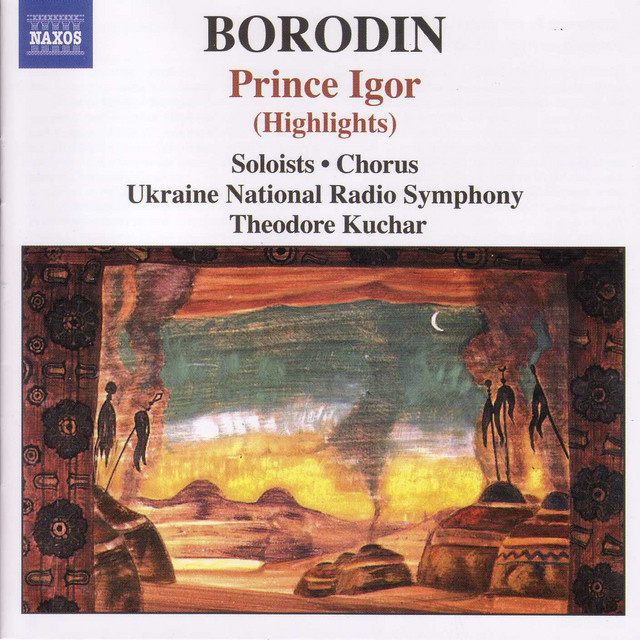
Borodin: Prince Igor (Highlights)
Alexander Borodin, Ukraine National Radio Symphony Orchestra, Theodore Kuchar
Late Romantic Era
2005
Chadwick: Symphony No. 2 / Symphonic Sketches
George Whitefield Chadwick, Ukraine National Radio Symphony Orchestra, Theodore…
American Romanticism
Similar artists
3
/5
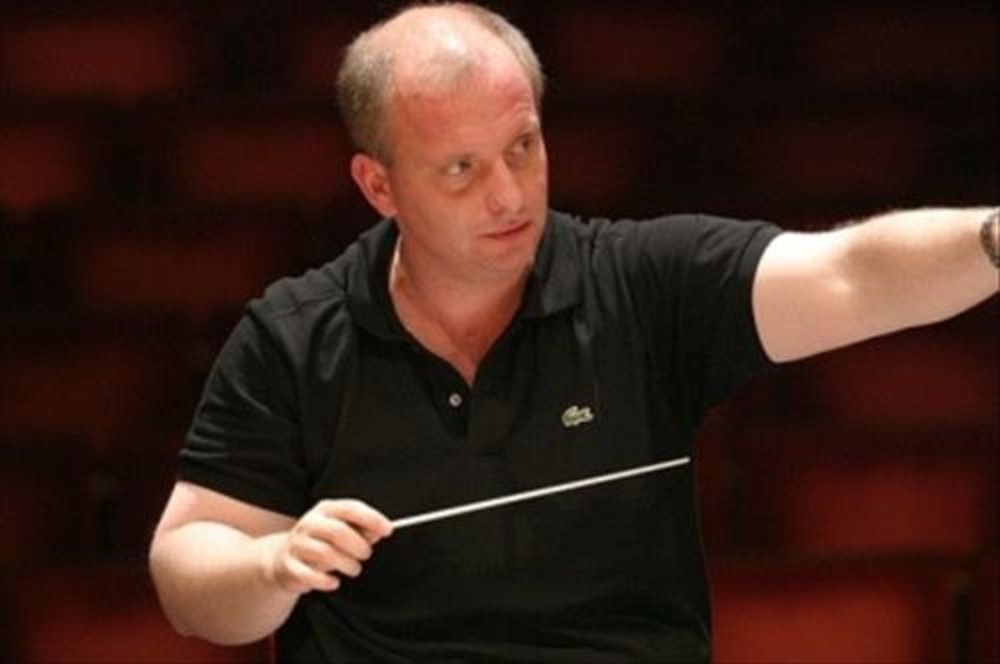
Neeme Järvi
Classical
Orchestral
Symphony
3
/5
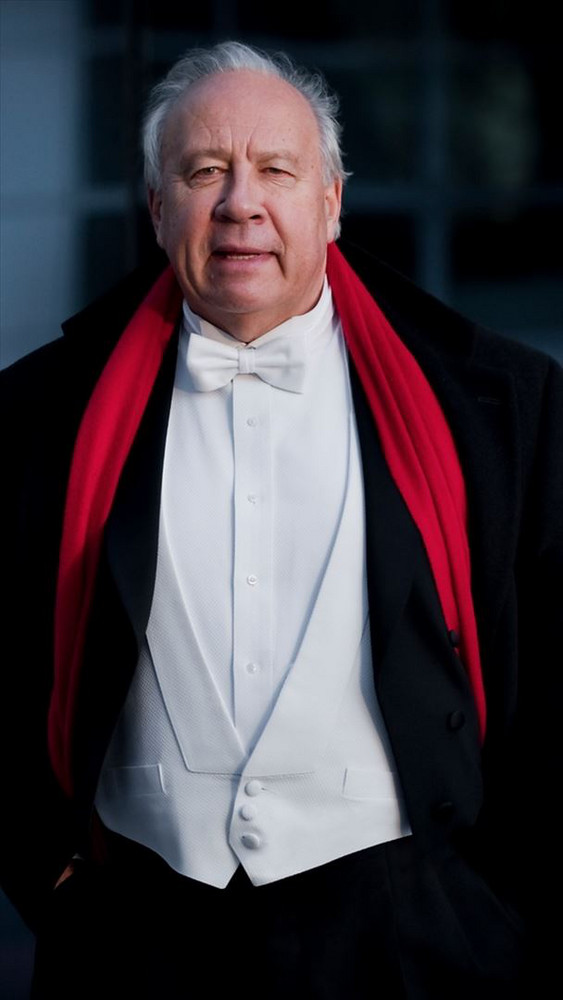
Theodore Kuchar
Classical
Ballet
Orchestral
3
/5
BBC Scottish Symphony Orchestra
Celtic
Concerto
Late Romantic Era
4
/5
Wolfgang Amadeus Mozart
Classical
Requiem
Classical Period
4
/5
Wiener Philharmoniker
Classical
Romantic Classical
Romanticism
4
/5
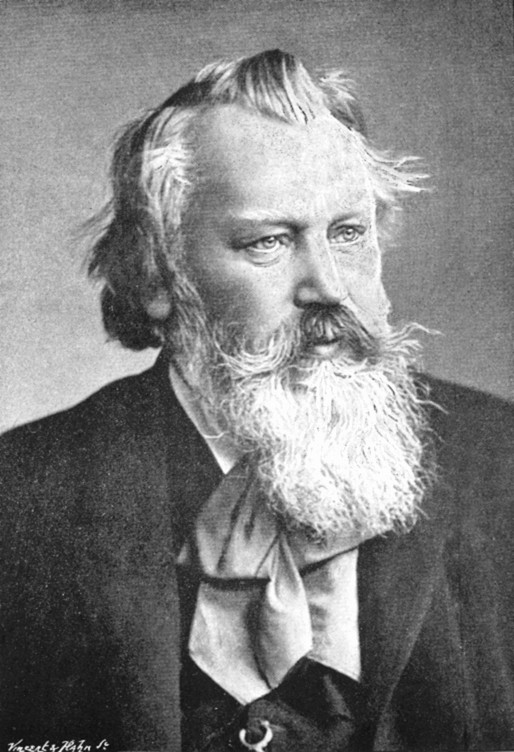
Johannes Brahms
Classical Clarinet
Classical Piano Quartet
Concerto
4
/5
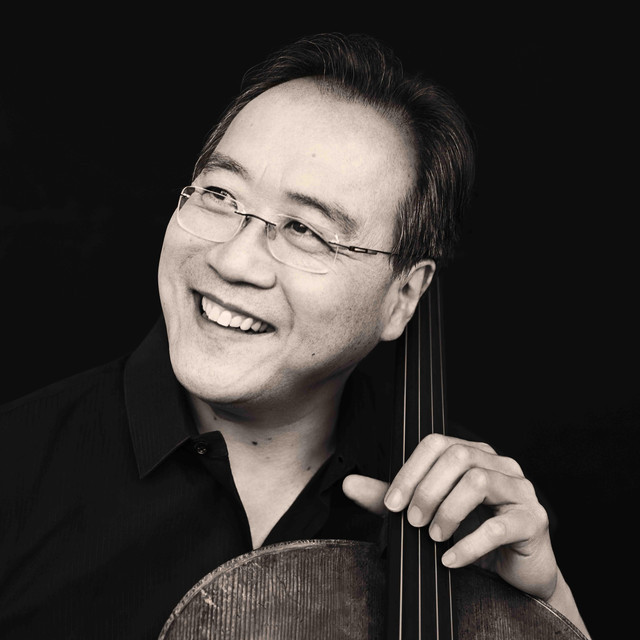
Yo-Yo Ma
Chamber Music
Classical
Classical Performance
4
/5
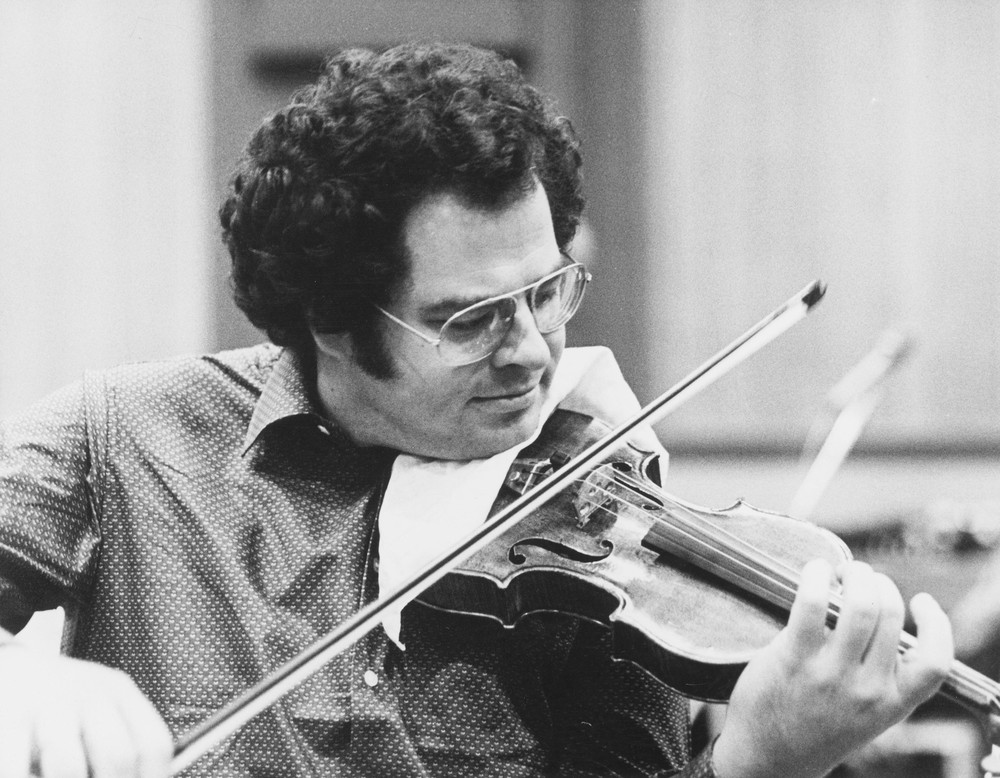
Itzhak Perlman
Concerto
Chamber Music
Classical
4
/5
André Previn
Orchestral Performance
Ballet
Classical
3
/5
John Eliot Gardiner
Baroque
Classical
Choral
Download our mobile app
Get the Melodigging app and start digging for new genres on the go
Download on the App Store
Get it on Google Play
© 2026 Melodigging
Give feedback
Legal
Melodding was created as a tribute to
Every Noise at Once
, which inspired us to help curious minds keep digging into music's ever-evolving genres.