Genres
Artists
Albums
Make Music
Sign in
Sign in
Artists
Chamber Music
Artists
Chamber Music
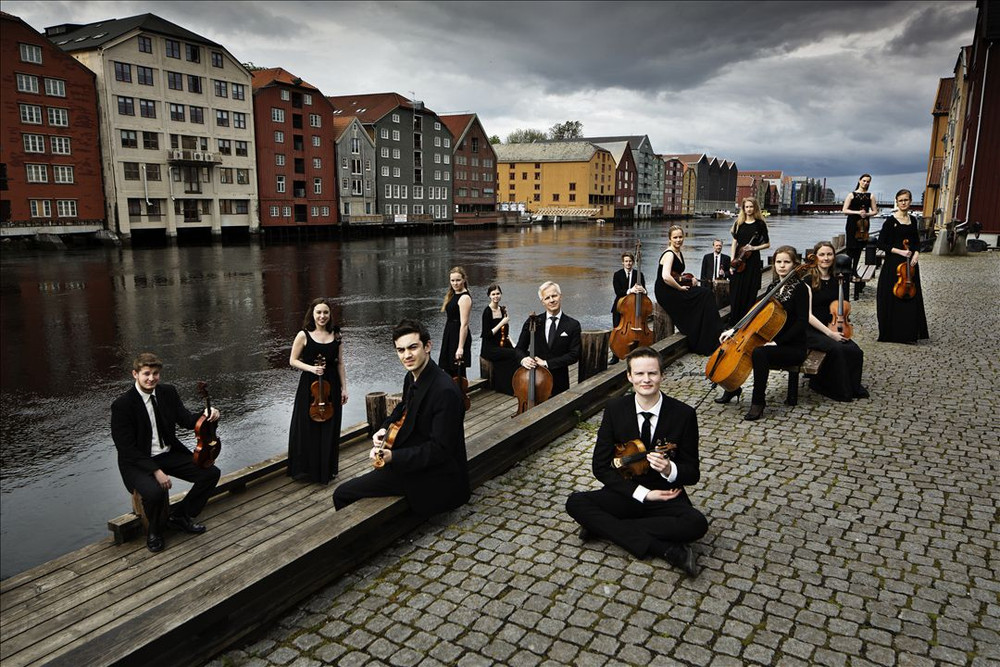
TrondheimSolistene
1996–2014
·
3 albums
Listen
3
/5
Genres
Contemporary Choir
Contemporary choir is the umbrella for late‑20th and 21st‑century choral music written for professional chamber choirs, advanced collegiate ensembles, and skilled community choirs. It favors clear textures, flexible tonality (from lush pandiatonicism to modal writing), and sonorities built from clustered, added‑tone, and suspended harmonies. While much of the repertoire is a cappella, contemporary choir frequently incorporates subtle percussion, drones, electronics, and orchestral or chamber accompaniments. Texts range from Latin liturgy and vernacular sacred poetry to modern literature and newly commissioned libretti. Extended techniques—overtone singing, whispering, body percussion, glissandi, and aleatoric "clouds"—coexist with traditional legato blend and pure intonation.
Discover
Listen
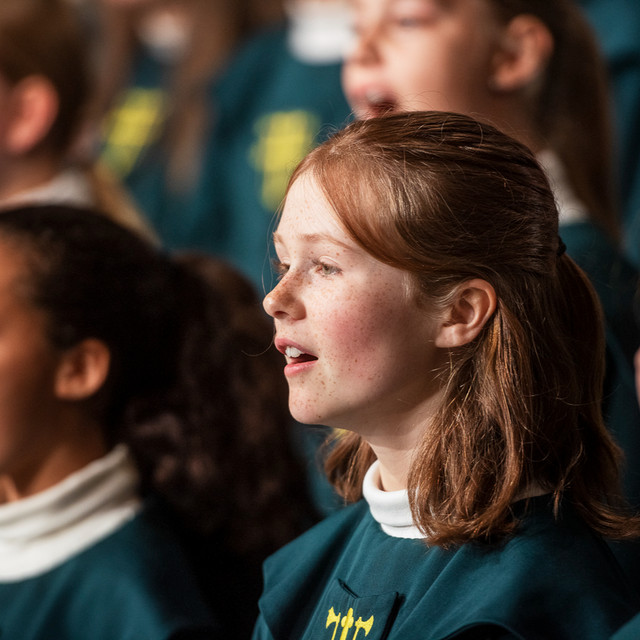
Children's Choir
Children's choir is a choral tradition featuring treble voices (typically ages 6–18) singing in unison or multi-part harmony (SA, SSA, or SSAA), often accompanied by piano, organ, or small orchestra. Its repertoire spans sacred and secular music: hymns, anthems, folk-song arrangements, art songs, and contemporary works written expressly for developing voices. The style emphasizes clear diction, blended tone, healthy vocal production within limited ranges, and text-centered expression. Ensembles can be community-based, school-affiliated, or connected to cathedrals and conservatories, with training that combines musicianship, language, and ensemble skills.
Discover
Listen
Chamber Music
Chamber music is a tradition of composed music for small ensembles—typically one player per part—intended for intimate spaces such as courts, salons, and private rooms rather than large public halls. Its aesthetic emphasizes clarity of texture, conversational interplay among parts, and balance without a conductor. Hallmark formations include the string quartet, piano trio, wind quintet, string quintet, and various mixed ensembles. Multi‑movement cycles (often in sonata form) and finely wrought counterpoint are common, ranging from Baroque trio sonatas to Classical string quartets and modern works with expanded timbres and techniques. Because of its scale and transparency, chamber music has long been a proving ground for compositional craft and ensemble musicianship, shaping the core of Western art music from the Baroque through the present.
Discover
Listen
String Orchestra
A string orchestra is an orchestral ensemble made exclusively (or almost exclusively) of bowed string instruments—first and second violins, violas, cellos, and double basses—forming a homogeneous “string choir.” Unlike full symphony orchestras, which mix winds, brass, and percussion, the string orchestra’s color palette is built from a single instrumental family. This gives it exceptional flexibility in blend, balance, and nuance: from transparent, madrigal‑like counterpoint to rich, organ‑like sonorities, and from whispering sul tasto textures to incisive martelé and spiccato rhythms. Historically rooted in the Baroque concerto grosso and early sinfonia, the string orchestra later became a favored medium for serenades, suites, and modern mini‑symphonies. Today it is equally at home in concert halls, education and youth programs, and cross‑over projects, and it remains a go‑to sound for film and media when warmth, clarity, and expressivity are desired.
Discover
Listen
Nyckelharpa
Nyckelharpa refers to the Swedish keyed-fiddle tradition centered on the nyckelharpa instrument, a bowed chordophone with wooden keys and a chorus of resonant sympathetic strings. Its timbre is bright, glassy, and bell-like, with a natural shimmer created by the sympathetic strings that ring along with the bowed melody. Historically rooted in Uppland (east-central Sweden), the style features dance-derived forms such as polska, schottis, waltz, and polka. Modern performance often blends traditional dance tunes with newly composed repertoire and baroque/renaissance pieces adapted to the instrument’s chromatic range. The chromatic nyckelharpa (developed in the 20th century) enabled expanded harmony and modulation, making it equally at home in solo settings, small folk ensembles, and cross-genre collaborations.
Discover
Listen
Classical
Classical music is the notated art-music tradition of Europe and its global descendants, characterized by durable forms, carefully codified harmony and counterpoint, and a literate score-based practice. The term “classical” can refer broadly to the entire Western art-music lineage from the Medieval era to today, not just the Classical period (c. 1750s–1820s). It privileges long-form structures (such as symphonies, sonatas, concertos, masses, and operas), functional or modal harmony, thematic development, and timbral nuance across ensembles ranging from solo instruments to full orchestras and choirs. Across centuries, the style evolved from chant and modal polyphony to tonal harmony, and later to post-tonal idioms, while maintaining a shared emphasis on written notation, performance practice, and craft.
Discover
Listen
Albums
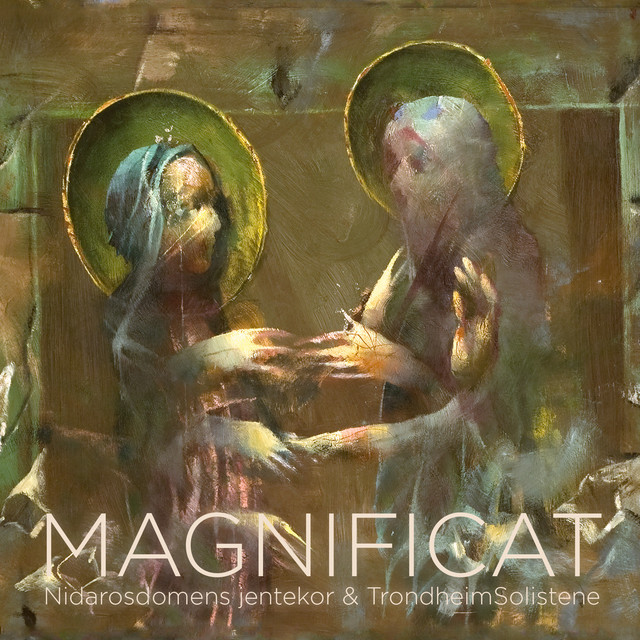
2014
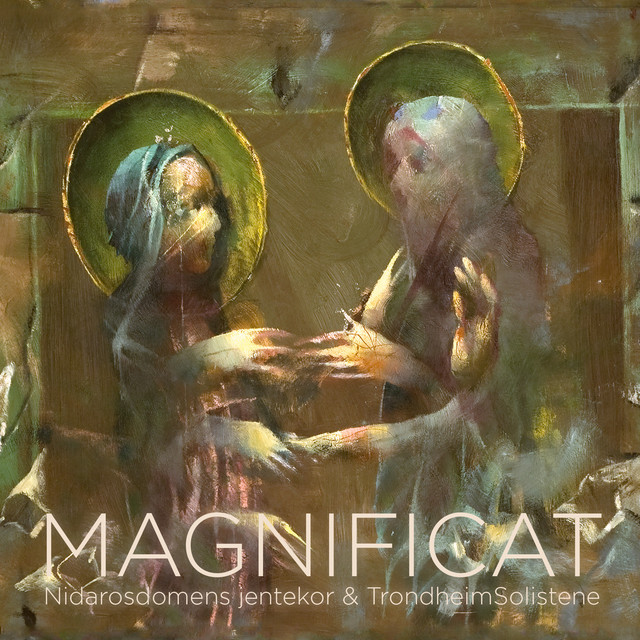
Magnificat
TrondheimSolistene, Anita Brevik, Nidarosdomens jentekor
String Orchestra
Contemporary Choir
Children's Choir
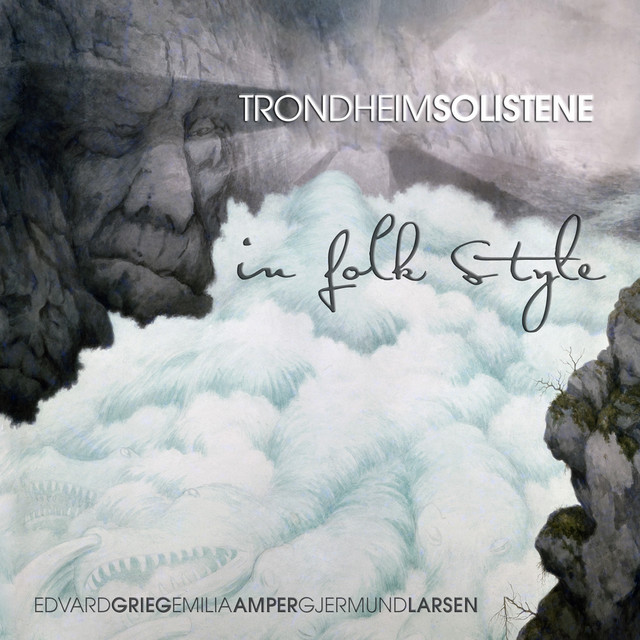
2010
in folk style
TrondheimSolistene
Nyckelharpa
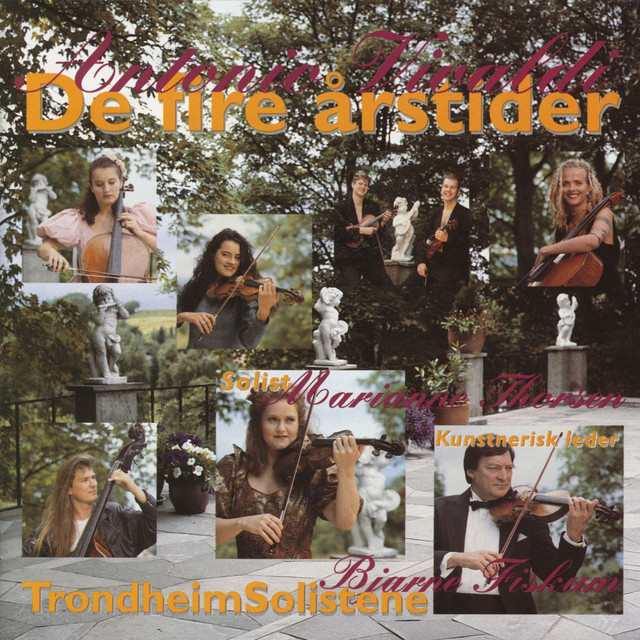
1996
Antonio Vivaldi: De Fire Årstider
Antonio Vivaldi, TrondheimSolistene, Bjarne Fiskum
String Orchestra
Similar artists
2
/5
Anita Brevik
Choral
Children's Choir
Contemporary Choir
2
/5
Nidarosdomens jentekor
Choral
Children's Choir
Contemporary Choir
4
/5
Wolfgang Amadeus Mozart
Classical
Requiem
Classical Period
3
/5
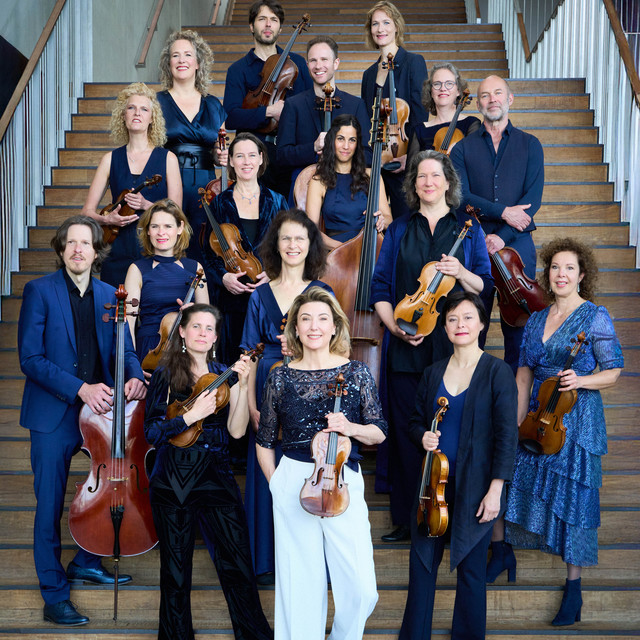
Amsterdam Sinfonietta
String Orchestra
Chamber Music
Classical
4
/5
Johann Sebastian Bach
Baroque
Classical
Baroque Suite
4
/5
Ludwig van Beethoven
Classical
Classical Period
Romantic Classical
4
/5
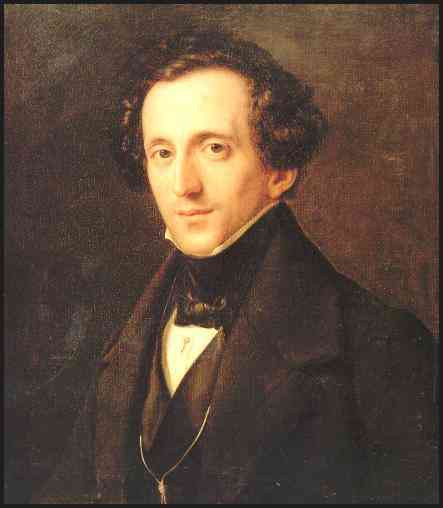
Felix Mendelssohn
Chamber Music
Choral
Classical
3
/5
Czech Philharmonic Chamber Orchestra
Chamber Music
Concerto
Orchestral
3
/5
I Musici
Baroque
Classical
Concerto
3
/5
Lucerne Festival Strings
Chamber Orchestra
Chamber Music
Classical
Download our mobile app
Get the Melodigging app and start digging for new genres on the go
Download on the App Store
Get it on Google Play
© 2026 Melodigging
Give feedback
Legal
Melodding was created as a tribute to
Every Noise at Once
, which inspired us to help curious minds keep digging into music's ever-evolving genres.