Genres
Artists
Albums
Make Music
Sign in
Sign in
Artists
Tin Pan Alley
Artists
Tin Pan Alley
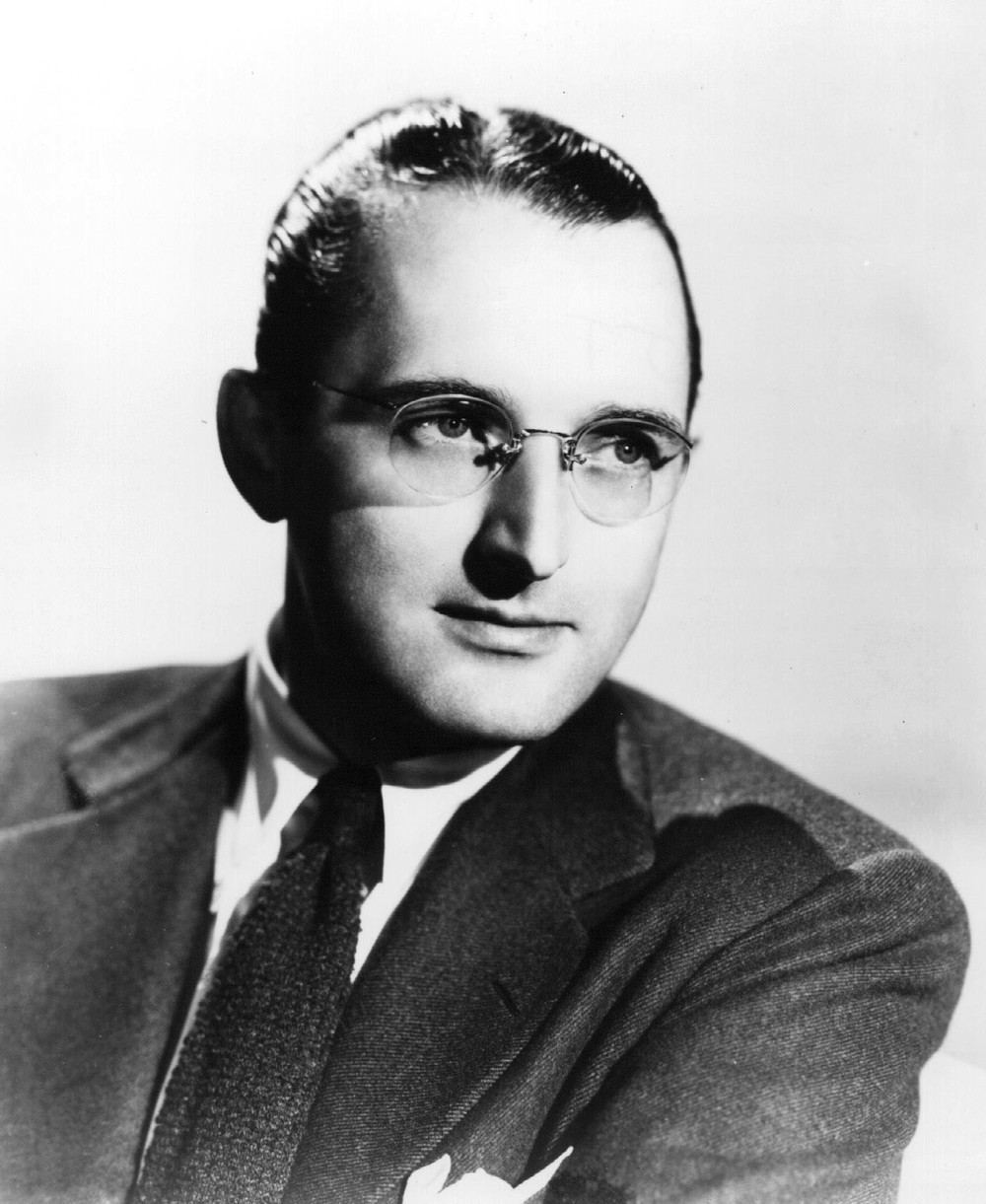
Tommy Dorsey
1955–2018
·
13 albums
Listen
3
/5
Genres
Analog Horror
Analog horror is an internet-born horror style that foregrounds the texture and limits of obsolete media. It is characterized by lo‑fi, band‑limited sound, tape hiss, wow and flutter, and the sonic vocabulary of public‑access TV, VHS cassettes, emergency broadcast signals, and numbers stations. In narrative terms, it tends toward cryptic, surreal plots presented as faux archival broadcasts, training films, or interrupted transmissions. Musically, the idiom leans on drones, minimal motifs, degraded samples, and detuned analog synths, using period‑authentic processing to evoke dread, nostalgia, and the uncanny.
Discover
Listen
Liminal Space
Liminal space is an internet-borne microgenre/aesthetic of ambient and vaporwave-adjacent music that aims to evoke the uncanny feeling of being in empty transitional places—deserted school corridors, unlit parking structures, late-night office lobbies, or closed shopping malls. Sonically, it blends hushed drones, diffuse synth pads, tape hiss, and faraway environmental noises with fragments of public-address announcements or detuned muzak. The harmonic language is static, unresolved, and memory-like, with slow fades, extreme reverberation, and time-stretching that flatten the sense of motion. The result is a dreamlike, nostalgic, and often eerie atmosphere that feels suspended between past and present, presence and absence.
Discover
Listen
Lo Star
Lo star is a streaming-era umbrella tag used to group under-the-radar, low-profile artists who sit on the fringes of indie, alternative, DIY pop, and related scenes. Rather than denoting a single, tightly defined musical vocabulary, it marks a discovery space of self-produced or small-label projects with modest audiences, genre-fluid aesthetics, and a distinctly DIY approach to recording and release. Expect intimate vocals, inexpensive or home-studio production, hybrid acoustic/electronic textures, and songwriting that favors personal storytelling and immediacy over polish. Because it functions as a curatorial category for emerging or niche acts, the sonic palette spans indie rock and folk-pop to bedroom pop and lo-fi electronic, unified by scale, ethos, and distribution more than by strict musical rules.
Discover
Listen
Weirdcore
Weirdcore is an internet-native microgenre and aesthetic of experimental electronic music that leans into liminal nostalgia, eerie memory, and uncanny ambience. Its sound palette often combines misty pads, degraded samples, tape hiss, and bitcrushed percussion with disembodied voices, classroom and mall PA announcements, retro operating system chimes, and field recordings of empty or transitional spaces. Harmonically, weirdcore favors drones, slowly shifting modal clusters, and ambiguous, memory-warping intervals that feel familiar yet distorted. Rhythm ranges from beatless, foggy soundscapes to brittle, broken 2-step and slow, stumbling downtempo pulses. Heavy time-stretching, granular manipulation, wow-and-flutter, convolution reverbs, and spectral or cassette-style degradation are central to its texture. Although closely tied to a visual aesthetic (liminal spaces, late-night analog glow, low-resolution signage), weirdcore as a musical style is defined by its uncanny collage sensibility: sampling and warping everyday audio detritus until it becomes emotionally charged, melancholic, and faintly unsettling.
Discover
Listen
Easy Listening
Easy listening is a lush, melodic, and unobtrusive style of popular orchestral music designed to be pleasant in the foreground and effortless in the background. It favors smooth textures, lyrical melodies, and gentle rhythms over virtuosic display or dense complexity. Typical arrangements feature string sections, woodwinds, soft brass, vibraphone, harp, piano, subtle Latin or light swing percussion, and sometimes wordless choirs. Repertoire often consists of standards, film and television themes, and instrumental covers of contemporary hits, presented with polished studio production and wide stereo imaging. The mood ranges from romantic and sentimental to breezy and exotic, prioritizing warmth, clarity, and relaxed pacing. Improvisation, if present, is restrained, with harmony that leans on jazzy extensions while staying consonant and approachable.
Discover
Listen
Pop
Pop is a broad, hook-driven style of popular music designed for wide appeal. It emphasizes memorable melodies, concise song structures, polished vocals, and production intended for radio, charts, and mass media. While pop continually absorbs elements from other styles, its core remains singable choruses, accessible harmonies, and rhythmic clarity. Typical forms include verse–pre-chorus–chorus, frequent use of bridges and middle-eights, and ear-catching intros and outros. Pop is not defined by a single instrumentation. It flexibly incorporates acoustic and electric instruments, drum machines, synthesizers, and increasingly digital production techniques, always in service of the song and the hook.
Discover
Listen
Adult Standards
Adult standards is a song-based popular style and later radio format centered on the Great American Songbook and pre-rock era pop. It emphasizes sophisticated vocal performances, memorable melodies, and lush arrangements drawn from Broadway, Hollywood musicals, big bands, and jazz-influenced traditional pop. Typical recordings feature rich orchestration (strings, woodwinds, and brass), a polished rhythm section, and crooner-style vocals delivered with close-mic intimacy. Harmonies often include jazz chords, secondary dominants, and modulations, supporting elegant, urbane lyrics that focus on love, longing, and everyday romance. Although it predates rock ’n’ roll in repertoire, adult standards also encompasses later revivals and reinterpretations by contemporary singers who keep the classic songbook alive through modern recordings and live performances.
Discover
Listen
Swing
Swing is a jazz style centered on a buoyant, danceable groove created by a walking bass, four-to-the-bar rhythm guitar, a backbeat emphasis on 2 and 4, and a lilted “swung” eighth-note feel. Typically performed by big bands (saxes, trumpets, trombones, and a rhythm section) as well as small combos, it balances written arrangements with improvised solos. Hallmarks include call-and-response between horn sections, riff-based melodies, shout choruses that build intensity near the end of an arrangement, and rich sectional voicings grounded in blues language and ii–V–I harmonic motion. Tempos range from medium to brisk, serving social dances like the Lindy Hop and Jitterbug. Swing’s expressive phrasing, dance-floor focus, and sophisticated arranging made it the dominant popular music of the late 1930s and early 1940s.
Discover
Listen
Big Band
Big band is a large-ensemble style of jazz and popular dance music built around brass, reed, and rhythm sections playing arranged parts. Typical instrumentation includes five saxophones (often doubling clarinet/flute), four trombones, four trumpets, and a rhythm section of piano, guitar, upright bass, and drum set. The music emphasizes swing rhythms, call-and-response between sections, riff-based writing, and dramatic shout choruses, while leaving space for improvised solos. Born in American ballrooms and theaters, big band became the sound of the Swing Era, providing both music for dancing and a platform for sophisticated arranging and orchestration that shaped much of 20th‑century jazz and popular music.
Discover
Listen
Standards
Standards refers to the shared core repertoire of widely known songs in American popular music, especially those from the Great American Songbook. These pieces became "standards" because they have been performed, recorded, and reinterpreted across decades by countless singers and jazz instrumentalists. Typically originating from Tin Pan Alley, Broadway, and Hollywood films of the early–mid 20th century, standards are marked by memorable melodies, refined lyric craft, and harmonically rich progressions that invite interpretation and improvisation. Many use 32‑bar song forms (AABA or ABAC), employ circle‑of‑fifths motion, secondary dominants, and occasional key changes, and work equally well as ballads or swinging uptempo pieces. Today, standards function as a common language for jazz and traditional pop musicians, anchoring jam sessions, vocal recitals, and crossover projects while continuing to inspire new arrangements and recordings.
Discover
Listen
Vocal Jazz
Vocal jazz is a jazz tradition in which the human voice is treated as an instrument—matching the phrasing, articulation, and timbral nuance of horns or piano. Singers often improvise melodically and rhythmically, including using scat singing (nonsense syllables) to emulate instrumental solos. At the same time, many vocal‑jazz performances favor traditional, pop‑leaning song structures and clear lyric delivery, reducing the overall role of extended improvisation compared with small‑group instrumental jazz. Repertoires frequently draw from Tin Pan Alley and Broadway standards (the Great American Songbook), rendered with swing, ballad, or Latin feels.
Discover
Listen
Dixieland
Dixieland is one of the earliest forms of jazz, crystallizing in New Orleans in the 1910s and spreading to Chicago and New York in the 1920s. It is characterized by collective improvisation, where the front line—trumpet or cornet carrying the melody, clarinet weaving countermelodies, and trombone providing "tailgate" harmonies and slides—creates a lively polyphonic texture over a buoyant two-beat feel. Its rhythm section often features banjo or piano, tuba or string bass, and drums playing parade-derived press rolls and stop-time figures. Harmonically it draws on functional tonality (I–IV–V with frequent secondary dominants), and structurally it favors 12-bar blues, 16-bar strains from ragtime, and 32-bar AABA song forms. Repertoire includes marches, blues, spirituals, popular songs, and Creole dances, rendered with a brassy, celebratory sound that evokes the New Orleans brass band tradition.
Discover
Listen
Jazz
Jazz is an improvisation-centered music tradition that emerged from African American communities in the early 20th century. It blends blues feeling, ragtime syncopation, European harmonic practice, and brass band instrumentation into a flexible, conversational art. Defining features include swing rhythm (a triplet-based pulse), call-and-response phrasing, blue notes, and extended harmonies built on 7ths, 9ths, 11ths, and 13ths. Jazz is as much a way of making music—spontaneous interaction, variation, and personal sound—as it is a set of forms and tunes. Across its history, jazz has continually hybridized, from New Orleans ensembles and big-band swing to bebop, cool and hard bop, modal and free jazz, fusion, and contemporary cross-genre experiments. Its influence permeates global popular and art music.
Discover
Listen
Tin Pan Alley
Tin Pan Alley refers to the late‑19th- and early‑20th‑century New York music‑publishing hub that industrialized the creation and promotion of American popular song. Centered around West 28th Street in Manhattan, publishers and song pluggers churned out catchy tunes for mass sheet‑music sales and vaudeville performance. Musically, Tin Pan Alley songs favored memorable melodies, clear hooks, and singable ranges, often set in 3/4 waltz time or 4/4 with light syncopation picked up from ragtime. The prevailing 32‑bar AABA form became a defining template, with diatonic harmony enriched by secondary dominants, circle‑of‑fifths motion, and occasional modulations. Culturally, Tin Pan Alley fed Broadway revues, vaudeville circuits, and later radio and film, laying the foundation of the Great American Songbook. Its output ranges from romantic ballads to novelty numbers and uptempo dance songs, shaping the language of American popular music for decades.
Discover
Listen
Show all 14 genres
Albums
2018
2
/5
I'm Getting Sentimental over You (Remastered)
Tommy Dorsey
Tin Pan Alley
2018
1
/5
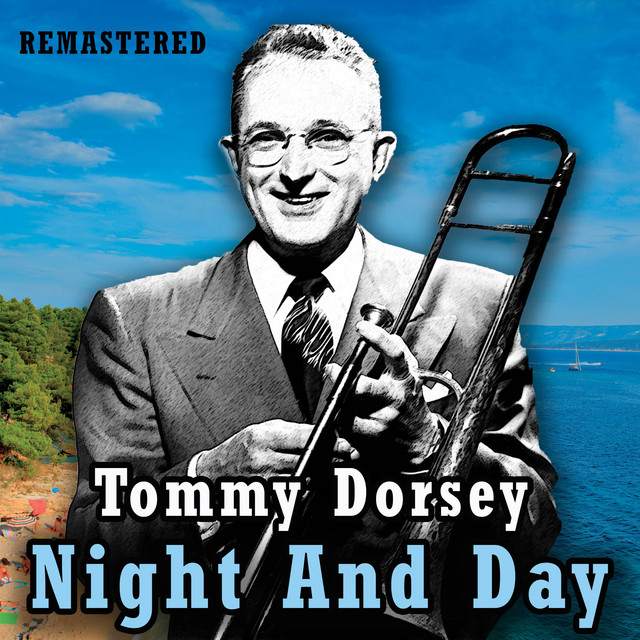
Night and Day (Remastered)
Tommy Dorsey
Tin Pan Alley
Dixieland
2016
1
/5
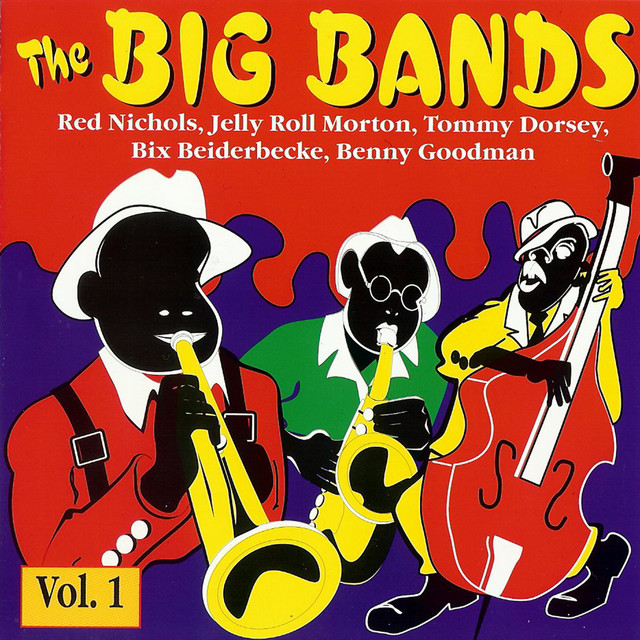
Die großen Big Bands, Vol. 1
Tommy Dorsey
Tin Pan Alley
2016
1
/5
Bar Jazz: Somebody Loves Me, Vol. 4
Tommy Dorsey
Tin Pan Alley
Dixieland
2015
2
/5
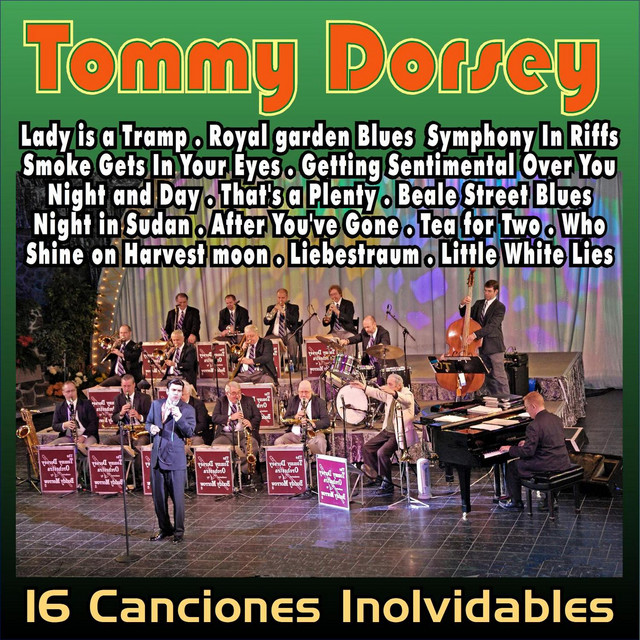
Tommy Dorsey . Tea For Two . 16 Inolvidables de los 40
Tommy Dorsey
Tin Pan Alley
2015
1
/5
The Incomparable Tommy Dorsey (2015 Remastered)
Tommy Dorsey
Tin Pan Alley
Dixieland
2014
2
/5
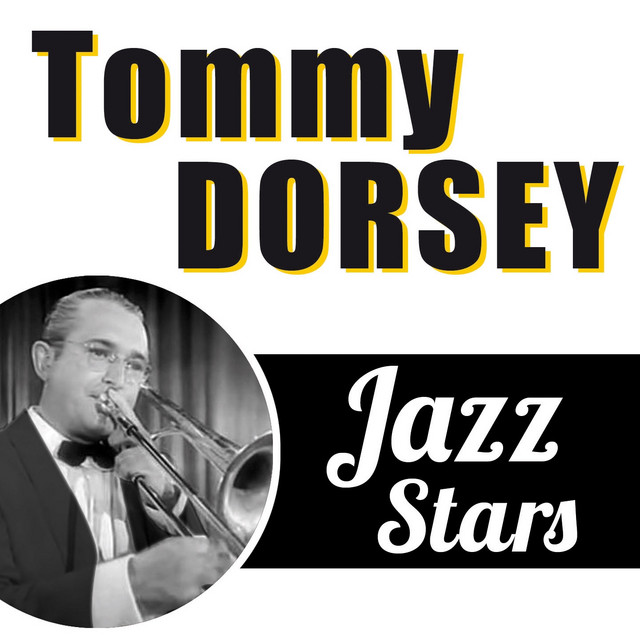
Tommy Dorsey, Jazz Stars
Tommy Dorsey
Tin Pan Alley
2013
1
/5
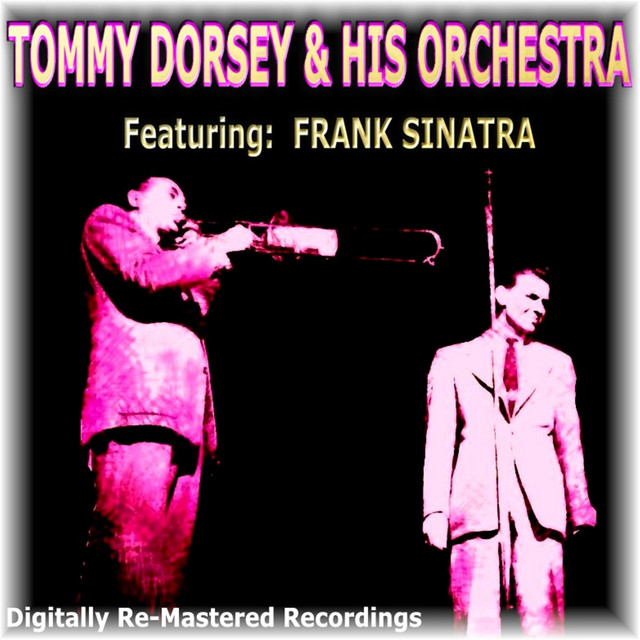
Tommy Dorsey & His Orchestra: I'll Walk Alone
Tommy Dorsey
Tin Pan Alley
Dixieland
2011
2
/5
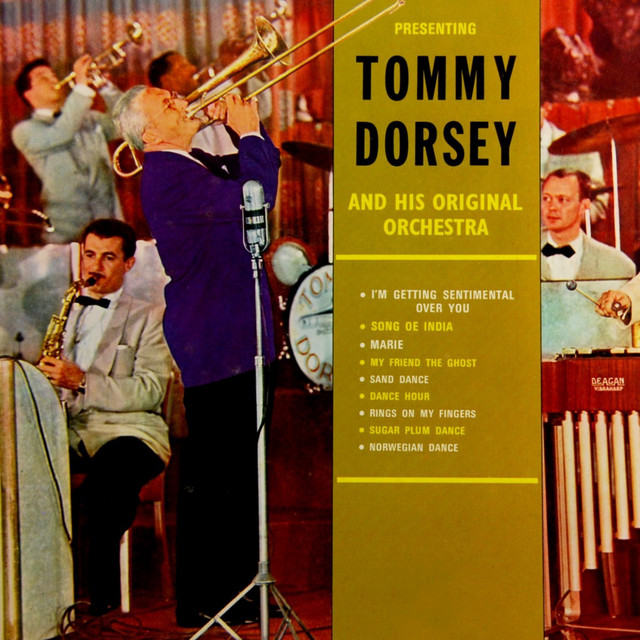
Tommy Dorsey & His Original Orchestra
Tommy Dorsey
Tin Pan Alley
Dixieland
2006
2
/5
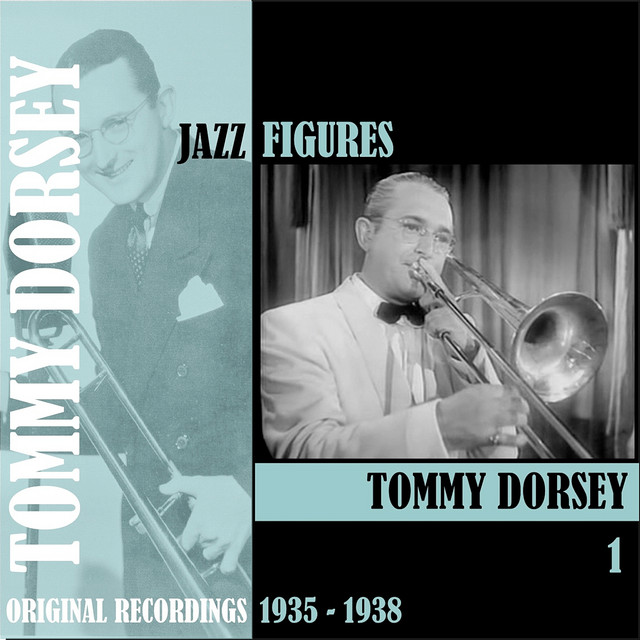
Jazz Figures / Tommy Dorsey, Volume 1 (1935-1938)
Tommy Dorsey
Tin Pan Alley
2005
3
/5
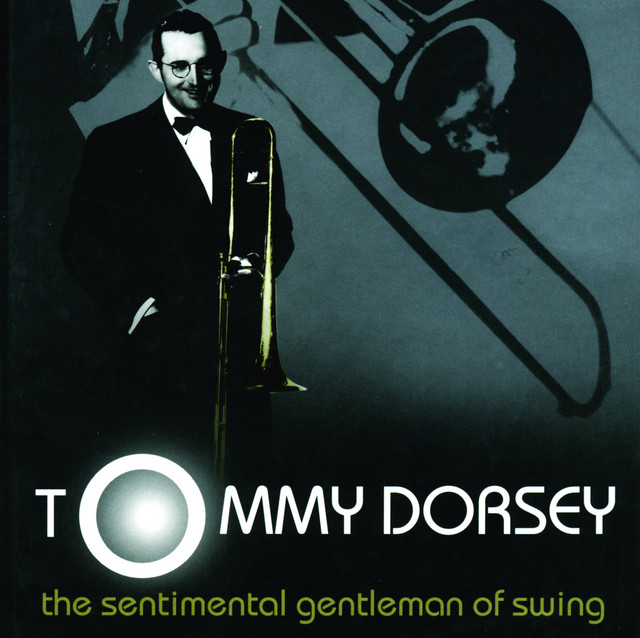
The Sentimental Gentleman Of Swing - The Tommy Dorsey Centennial Collection
Tommy Dorsey
Tin Pan Alley
1994
3
/5
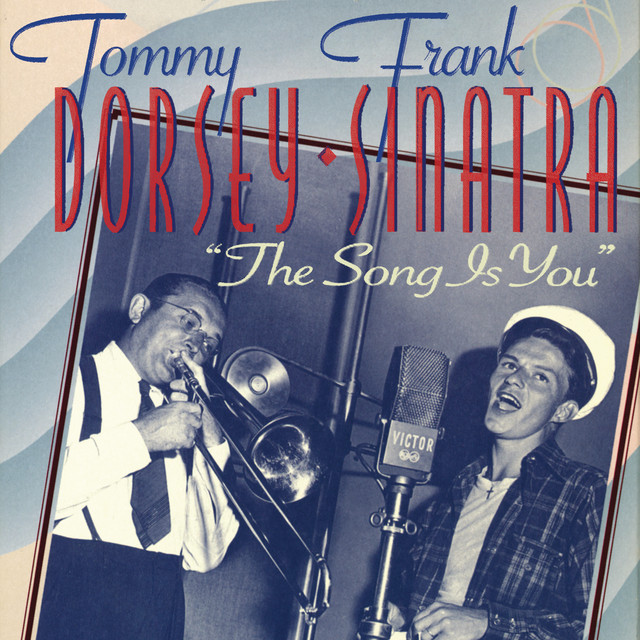
The Song Is You
Tommy Dorsey
Tin Pan Alley
Easy Listening
Jazz
1955
1
/5
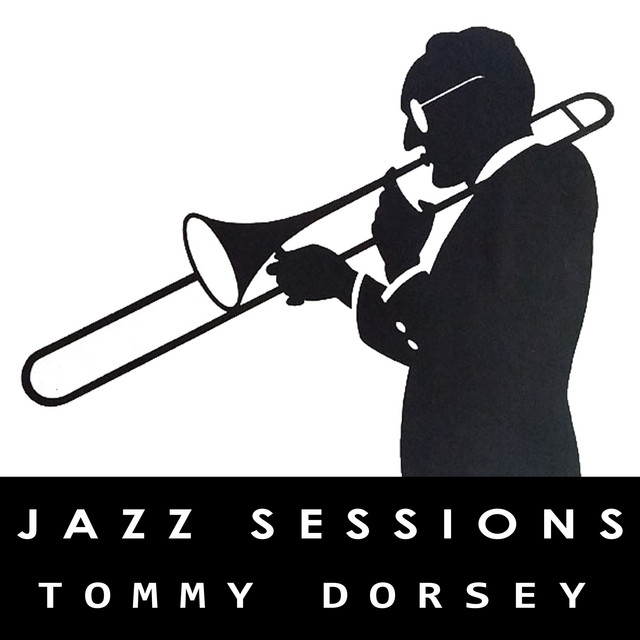
Jazz Sessions
Tommy Dorsey
Tin Pan Alley
Similar artists
1
/5
Various Artists
Afro-Funk
Alternative Rock
Ambient
3
/5
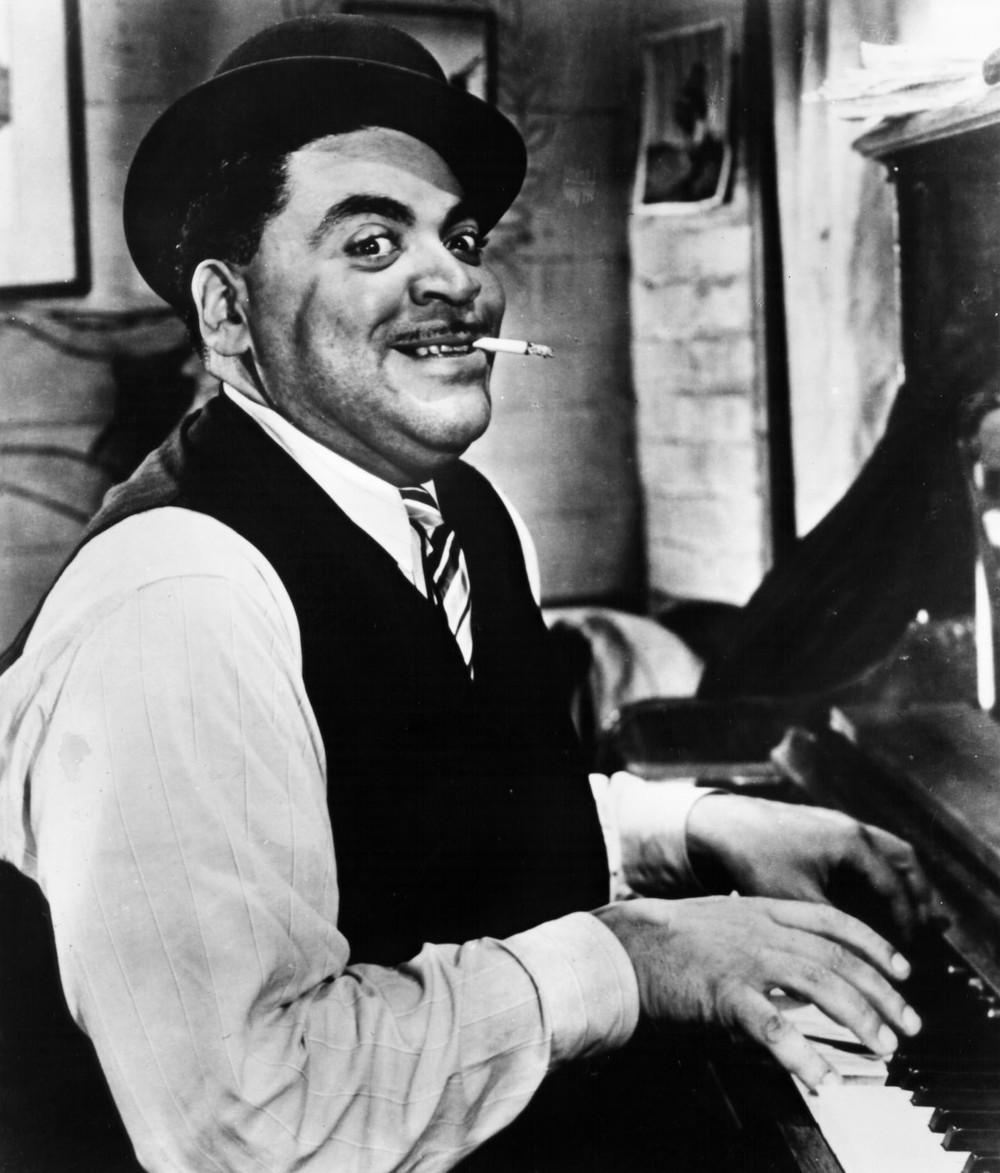
Fats Waller
Stride
Ragtime
Big Band
4
/5
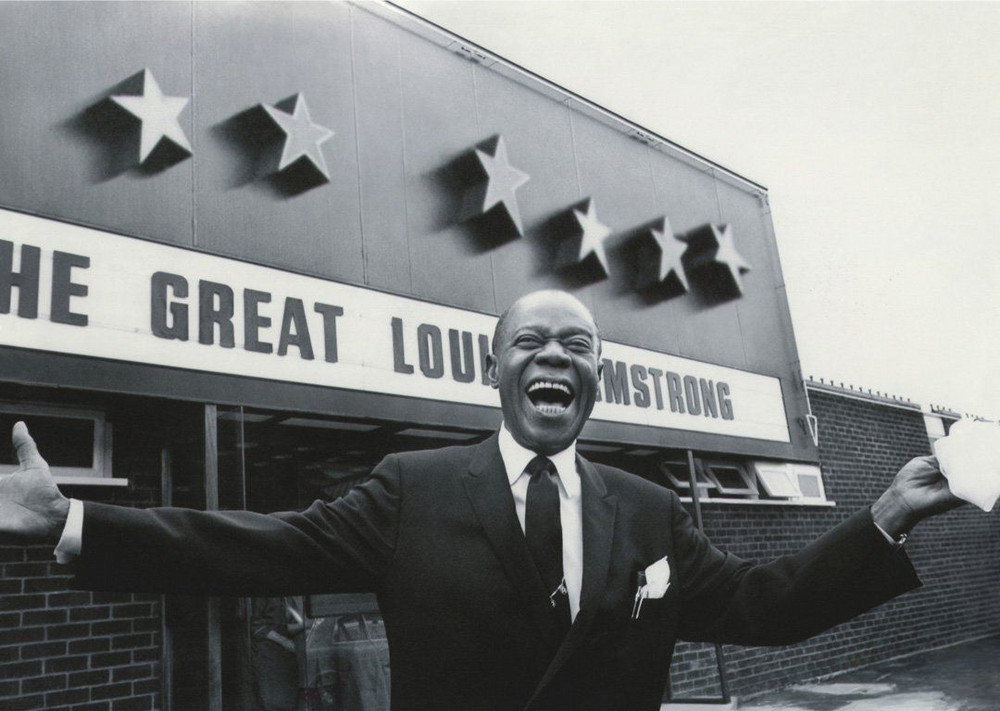
Louis Armstrong
Dixieland
Harlem Renaissance
Jazz Trumpet
3
/5
Lionel Hampton
Stride
Jazz
Swing
3
/5
Squirrel Nut Zippers
Swing
Swing Revival
Dixieland
3
/5
Johnny Mercer
Tin Pan Alley
Big Band
Gamecore
2
/5
Benny Goodman Trio
Dixieland
Big Band
Jazz
4
/5
Frank Sinatra
Big Band
Jazz
Swing
4
/5
Ella Fitzgerald
Vocal Jazz
Swing
Standards
2
/5
Kid Ory
Jazz
Big Band
Dixieland
Download our mobile app
Get the Melodigging app and start digging for new genres on the go
Download on the App Store
Get it on Google Play
© 2026 Melodigging
Give feedback
Legal
Melodding was created as a tribute to
Every Noise at Once
, which inspired us to help curious minds keep digging into music's ever-evolving genres.