Genres
Artists
Albums
Make Music
Sign in
Sign in
Artists
Covertronica
Artists
Covertronica
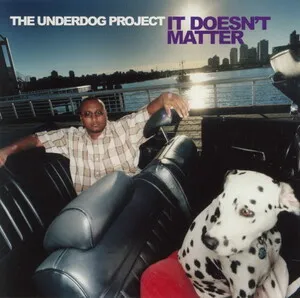
The Underdog Project
2001
·
1 album
Listen
3
/5
Genres
Covertronica
Covertronica is a microgenre centered on electronically produced cover versions of well‑known songs. Artists retain the recognizability of the original melodies and hooks, but reimagine them with contemporary electronic palettes—glossy synths, side‑chained pads, drum machines, 808s, and modern pop/EDM production. The style thrives on clever reharmonization (e.g., minor/major flips), tempo shifts, and textural redesign, often translating rock, soul, or classic pop into sleek electropop/indietronica frameworks. Vocals are typically polished and upfront, with stacked harmonies, tight autotune as a color (when desired), and arrangement tricks such as filtered intros, half‑time drops, and breakdowns that mirror club and synth‑pop dynamics. Because the repertoire comes from existing songs, covertronica is as much about curatorial taste and arrangement craft as it is about sound design, making it a meeting point between DJ culture’s recontextualization and the singer‑producer era of the internet.
Discover
Listen
Gogeo
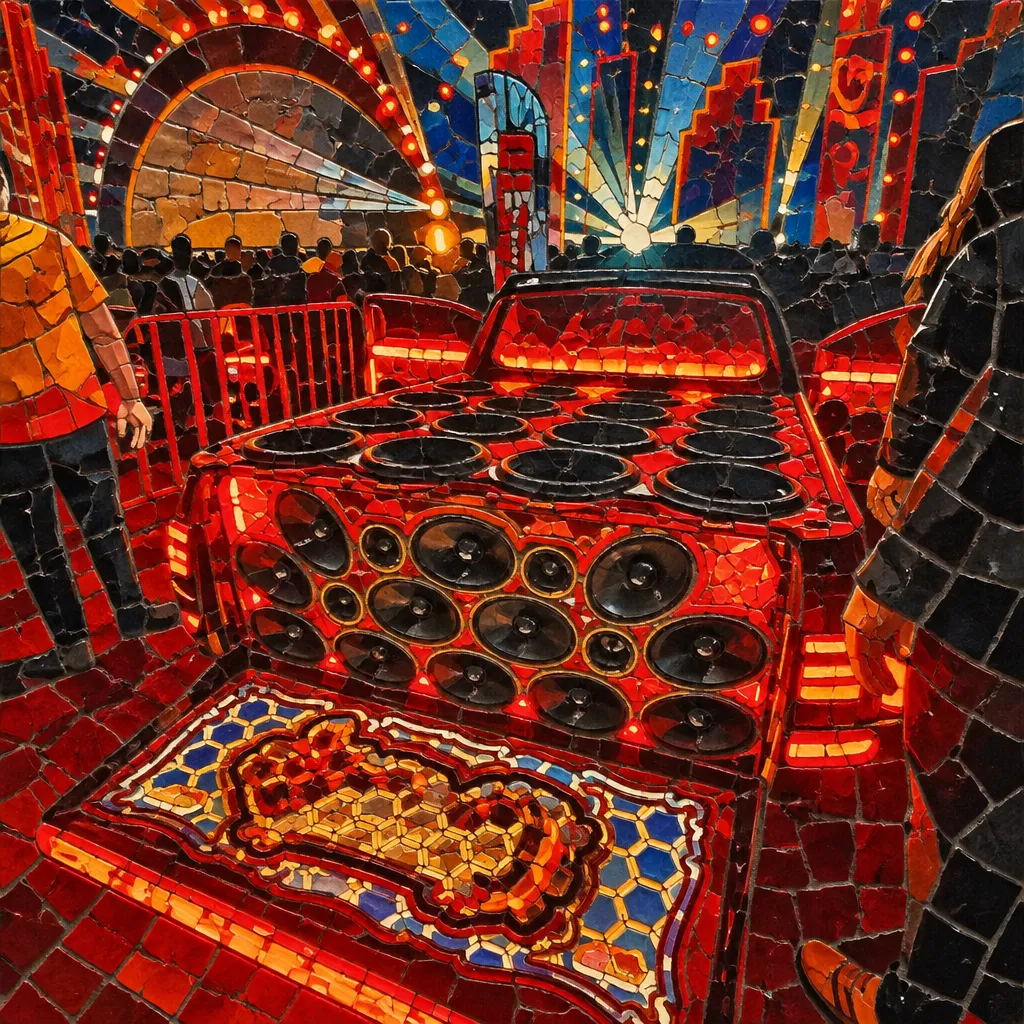
Gogeo is a high-energy Latin-electronic club microgenre that emerged from the Mexican underground party and car-audio scenes. It is characterized by a fusion of Guaracha-style lead riffs, Tribal Guarachero percussion, and aggressive EDM drops, all underpinned by oversized sub-bass frequencies designed to rattle car sound systems. The aesthetic bridges the gap between festival-ready Electro-Latin energy and the raw, bass-heavy functionalism of street party music, often featuring catchy Spanish vocal chops and metallic synth textures.
Discover
Listen
Musica Ponta-Grossense
Musica ponta-grossense is a locality-driven scene tag for artists linked to Ponta Grossa, a city in the Campos Gerais region of Paraná, Brazil. Rather than a single codified style, it captures a cluster of bands, singer‑songwriters, and producers whose sound reflects Southern Brazilian influences and the city’s university‑centric cultural life. Typical releases blend Brazilian indie/alternative rock and MPB songwriting with elements heard widely in Paraná and neighboring states: hints of sertanejo (both raiz and universitário), xote/vaneira dance feels, and occasional use of viola caipira, accordion, or folk percussion. Lyrics are predominantly in Portuguese and often reference everyday life, student culture, and regional imagery. Production ranges from DIY, rehearsal‑room grit to mid‑fi studio records; guitar‑centric textures, warm bass, straightforward backbeats, and melodic hooks are common. The tag functions as a geographic and community marker in streaming ecosystems, connecting local acts to Brazil’s broader indie and pop‑rock map.
Discover
Listen
Vixa
Vixa is a Polish club-oriented strain of mainstream EDM that blends the swagger of big room house with the bouncy drive of Melbourne bounce and Dutch house. In Poland, “vixa” is also slang for a wild party, and the genre reflects that ethos: hard-hitting kicks, bold supersaw or brass-stab leads, and simple, chantable hooks designed for maximum dancefloor impact. Typically sitting around 128–132 BPM, vixa favors dramatic snare-roll builds, pitch-rising risers, and explosive drops with offbeat bass patterns. DJ edits of pop and regional hits—reworked into high-energy drops—are common, helping the sound dominate Polish club nights and festival stages where it thrives on big, euphoric moments.
Discover
Listen
Slap House
Slap house is a pop-leaning strain of deep/house music built around a short, percussive "slap" bass that punches through the mix with aggressive sidechain compression. It typically sits between 118–125 BPM, uses simple minor-key harmony, and places a catchy topline—often a pitched‑down vocal or a cover of a familiar hit—over a sparse, club‑ready groove. The style borrows the weighty low end and rhythmic bounce of Brazilian bass while streamlining arrangements for streaming and radio. Clean four‑on‑the‑floor kicks, clipped claps on 2 and 4, and a tight, syncopated bass riff define the drop, with subtle pads, plucks, and FX in the breakdowns. Its combination of moody harmony, recognizable hooks, and dancefloor impact helped it dominate charts and TikTok/Spotify playlists in the late 2010s and early 2020s.
Discover
Listen
Jungle Terror
Jungle terror is a high-impact festival style of electronic dance music that fuses the punch of big-room and electro house with hyper-percussive, "tribal" drum programming. Rather than relying on massive supersaw leads, it centers on toms, congas, wooden blocks, clacks, and animalistic shouts that drive the drop. Typically around 128–135 BPM, its arrangements emphasize tension-and-release: long risers, vocal calls, and cinematic breaks snap into sparse, tom-led drops with heavy sub-kicks and syncopated patterns. The overall aesthetic is wild, raw, and rhythmic—designed for large dancefloors and open-air festival stages.
Discover
Listen
Noiadance
Noiadance is a Brazilian club-music microgenre that blends Dutch house-style EDM production with the rhythmic feel of moombahton. It typically layers funk brasileiro vocal chops, call-and-response hooks, and percussion patterns over mid-tempo, dance-floor-oriented grooves. The sound is built for parties and street-dance energy: heavy low end, bright synth leads, and tightly edited vocal snippets that function as rhythmic hooks as much as lyrics.
Discover
Listen
Deboxe
Deboxe is a contemporary Brazilian club and car-audio offshoot of funk that emphasizes massive, hypnotic sub‑bass, sparse drum patterns, and short, chant-like vocal phrases. Compared with earlier funk styles, deboxe is darker and more minimal: long 808 glides, roomy percussive hits, and reverbed stabs create an atmosphere designed for huge speaker arrays and parking‑lot parties. Drops are often built around “desande” moments—sections where the groove strips down, then slams back with heavier bass—while producer tags, chopped ad‑libs, and micro‑hooks replace long verses. Tempos most commonly sit between 135–150 BPM, borrowing the drive of mega funk and the weight of automotivo (car‑sound) culture, but delivered with a swaggering, deboche (“mocking”) attitude that gives the genre its name and vibe.
Discover
Listen
2-Step
2-step (often called 2-step garage) is a syncopated, shuffling branch of UK garage that replaced house’s four-on-the-floor kick with a skipping, off-kilter drum pattern. Its rhythmic feel is defined by swung hi-hats, ghosted snares, and displaced kicks that leave audible “gaps,” creating a buoyant push-pull groove ideal for dance floors. Harmonically and texturally, 2-step draws heavily from contemporary R&B and US garage, pairing silky chords, Rhodes and organ stabs, and glossy vocal hooks with deep sub-bass and crisp, punchy drums. Producers frequently chop and time-stretch R&B vocals into ear-catching hooks, contrast smooth chords with rugged bass pressure, and keep arrangements DJ-friendly while spotlighting strong songcraft and memorable toplines.
Discover
Listen
Show all 9 genres
Albums
2001
1
/5
It Doesn't Matter
The Underdog Project
2-Step
Similar artists
4
/5
La Bouche
Eurodance
Covertronica
Deep Big Room
5
/5
Daddy Yankee
Reggaeton
Latin
Latin Hip Hop
5
/5
Pitbull
Hip Hop
Electro Hop
Pop Rap
5
/5
HUGEL
Afro House
Latin House
Techengue
5
/5
Tiësto
Dance
Trance
Brostep
5
/5
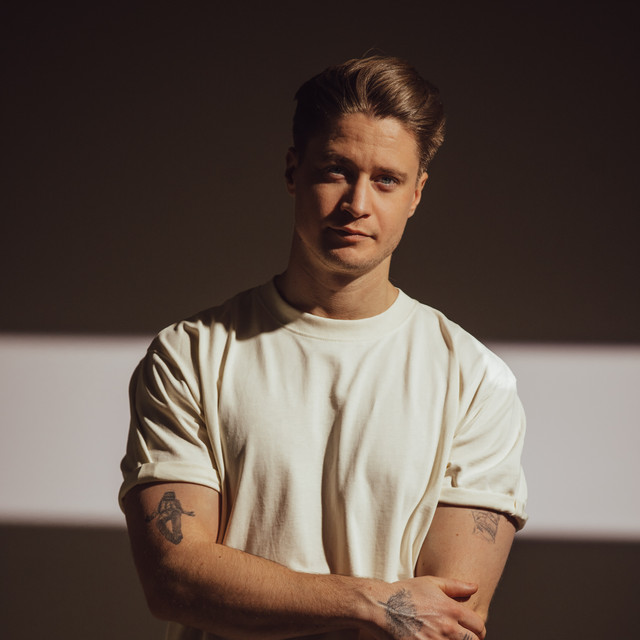
Kygo
Tropical House
Electronic
Chill Pop
4
/5
Alok
Brazilian Bass
Electronic
Electro House
4
/5
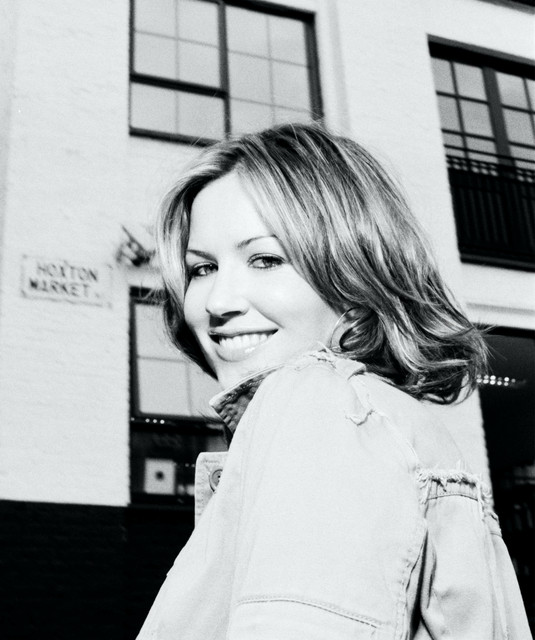
Dido
Europop
Lilith
Downtempo
4
/5
Gabry Ponte
Italo Dance
Eurodance
Slap House
4
/5
Dimitri Vegas
Analog Horror
Candy Pop
Covertronica
Download our mobile app
Get the Melodigging app and start digging for new genres on the go
Download on the App Store
Get it on Google Play
© 2026 Melodigging
Give feedback
Legal
Melodding was created as a tribute to
Every Noise at Once
, which inspired us to help curious minds keep digging into music's ever-evolving genres.