Genres
Artists
Albums
Make Music
Sign in
Sign in
Artists
Jangle Pop
Artists
Jangle Pop
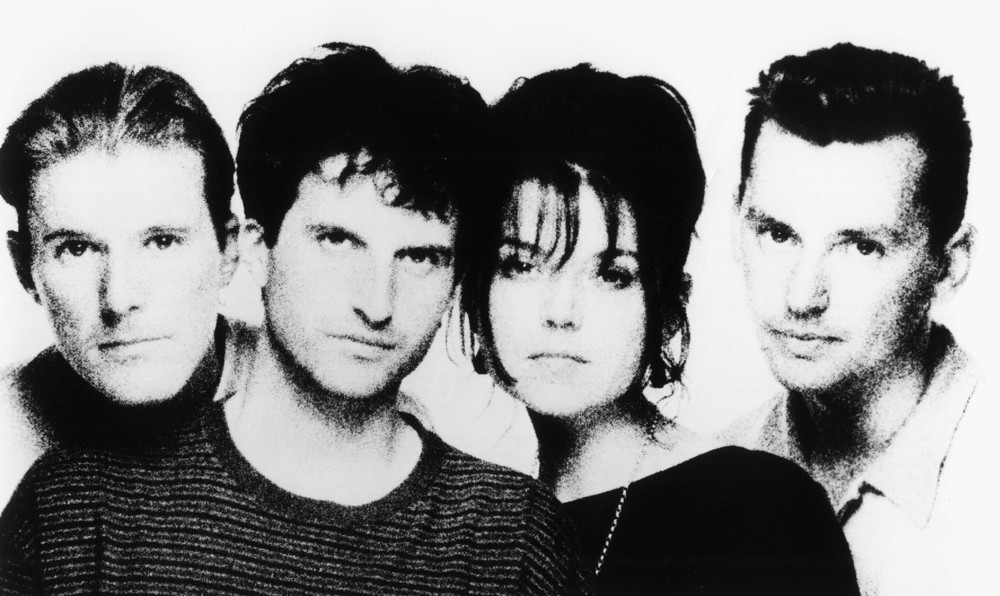
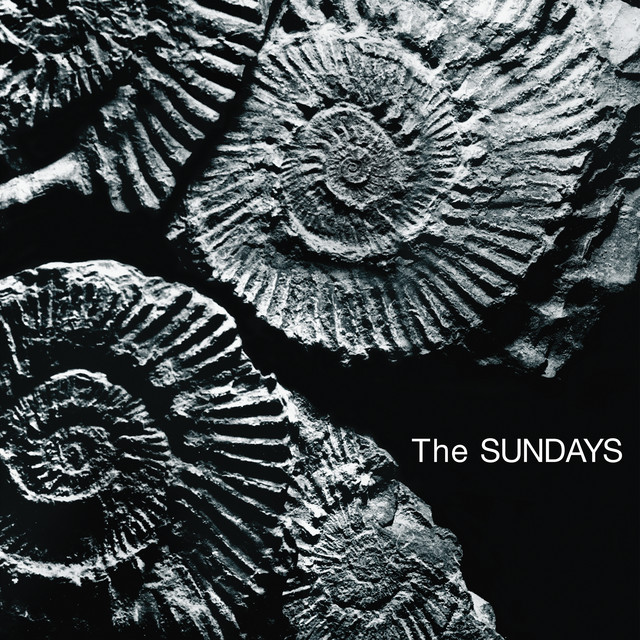
The Sundays
1990–2007
·
9 albums
Listen
4
/5
Genres
Zoomergaze
Zoomergaze is a Gen Z, internet-native evolution of shoegaze that fuses the genre’s dense, guitar-washed textures with hyperpop/digicore maximalism and modern trap/emo-rap rhythm programming. It favors blown‑out saturation, brickwalled dynamics, digital clipping, and wide stereo fields, often pairing jet‑engine guitars with 808 subs, jittery hi‑hats, breakbeat flourishes, and intimate, lightly Auto‑Tuned vocals. The mood leans dreamy yet emotionally raw—nostalgic, melancholic, and diaristic—delivered through DIY production that thrives on Bandcamp, SoundCloud, and TikTok discovery. Where classic shoegaze hid the singer in the mix, Zoomergaze keeps the voice present and personal, weaving confessional hooks into shimmering noise and glitchy, internet-era sound design.
Discover
Listen
Corecore
Corecore is an internet-native, collage-heavy audiovisual microgenre that turns the endless stream of online content into emotionally charged montages. It typically pairs melancholic or atmospheric music with rapid-fire edits of news clips, social-media posts, movie fragments, webcam confessions, and found audio, using juxtaposition to evoke overload, alienation, and fragile intimacy in the age of feeds. While it is primarily known as a video-editing aesthetic (especially on TikTok), its musical identity leans on ambient, vaporwave, breakcore, and experimental collage, favoring texture, mood, and narrative over traditional song structure. Rather than having a fixed sonic palette, corecore uses existing tracks—often downtempo, hazy, or nostalgic—then re-contextualizes them with speech samples and visual montage to produce catharsis and social commentary.
Discover
Listen
Lilith
Lilith is a mood-driven, internet-native microgenre that blends dark, feminine alternative pop with elements of trip hop, dream pop, witch house, and ethereal wave. It favors breathy or intimate vocals drenched in reverb, slow to mid-tempo grooves, spectral pads, and cinematic, minor-key harmonies that evoke occult, gothic, or mythic imagery. The overall sound is bass-forward yet gauzy: sub-heavy 808s or dusty breakbeats sit under shimmering guitars, distant choirs, and textural synths. Lyrically, Lilith leans into vulnerability, power, hauntings, and desire—frequently framed through confessional writing and ritual or nocturnal symbolism. It’s less a scene tied to a single city than a streaming-era aesthetic, cohering through playlists and social media communities.
Discover
Listen
Indie Shoegaze
Indie shoegaze is a modern fusion of indie rock songcraft with the texture-heavy aesthetics of classic shoegaze. It keeps the haze: washed-out guitars drenched in reverb and delay, breathy or buried vocals, and a strong emphasis on atmosphere. Unlike the denser, sometimes overwhelming walls of sound in late-’80s/early-’90s shoegaze, indie shoegaze tends to prize clearer hooks, jangly patterns, and compact song forms. The result is a gauzy, melodic sound that feels intimate and contemporary while still dreamily saturated.
Discover
Listen
Regalia
Regalia is a cinematic, orchestral-trap hybrid built around lush string sections, dreamy piano motifs, and other symphonic colors layered over modern trap percussion. The core contrast is between “regal” orchestration (wide, sweeping harmony and melodic scoring techniques) and hard-edged rhythmic programming (808 sub-bass, crisp snares/claps, rapid hi-hats, and impactful transitions). It is typically instrumental and soundtrack-adjacent, often designed for dramatic builds, trailers, highlight reels, or emotionally charged beats rather than verse–chorus pop structures.
Discover
Listen
Pov: Indie
"pov: indie" is a social-media-native microstyle built around short, cinematic indie-pop/indie-rock snippets designed to accompany a first-person (POV) narrative. Instead of being defined by a single new musical technique, it is defined by context: the music is chosen or written to feel like the soundtrack to a specific moment (a crush, a late-night walk, moving to a new city, seasonal nostalgia). Sonically it typically uses bright but soft guitars or synths, intimate vocals, simple memorable hooks, and production that reads clearly on phone speakers. The emotional tone is often wistful, tender, and “coming-of-age,” with lyrics that can be understood quickly in a 10–30 second clip.
Discover
Listen
Candy Pop
Candy pop is a super-bright, hook-forward branch of contemporary pop that emphasizes sweetness in both sound and theme. It blends bubblegum-style melodies with modern, glossy production, favoring catchy toplines, clean harmonies, and playful textures. Arrangements lean on glittery synths, claps, hand-percussion, and buoyant four-on-the-floor or bouncy half-time beats. Lyrics typically revolve around crushes, friendship, first love, and carefree fun, delivered with enthusiastic, youthful vocals. Compared with classic bubblegum pop, candy pop adopts current pop techniques (EDM builds, post-chorus hooks, subtle trap-lite percussion) and borrows visual and melodic cues from J-pop and K-pop’s “kawaii” aesthetics.
Discover
Listen
Connecticut Indie
Connecticut indie is a regional strain of U.S. indie rock that blends the heartfelt directness of emo-revival with the fuzzy guitars, DIY ethics, and adventurous textures of New England’s underground. Rooted in college-town and small-city scenes (Middletown, New Haven, Willimantic, Hartford), the sound swings between twinkly, lyrically confessional indie and louder, shoegaze- or noise-tinged guitar rock. You’ll hear gang-vocal catharsis, transparent production that favors live-room energy, and occasional orchestral or synth flourishes that reflect the area’s art-school and experimental leanings. While it is geographically defined, the micro-scene’s bands networked nationally through house shows, small labels, and online communities, making Connecticut indie both locally grounded and widely connected.
Discover
Listen
Lo Star
Lo star is a streaming-era umbrella tag used to group under-the-radar, low-profile artists who sit on the fringes of indie, alternative, DIY pop, and related scenes. Rather than denoting a single, tightly defined musical vocabulary, it marks a discovery space of self-produced or small-label projects with modest audiences, genre-fluid aesthetics, and a distinctly DIY approach to recording and release. Expect intimate vocals, inexpensive or home-studio production, hybrid acoustic/electronic textures, and songwriting that favors personal storytelling and immediacy over polish. Because it functions as a curatorial category for emerging or niche acts, the sonic palette spans indie rock and folk-pop to bedroom pop and lo-fi electronic, unified by scale, ethos, and distribution more than by strict musical rules.
Discover
Listen
Jangle Pop
Jangle pop is a guitar-centered style of pop and rock defined by bright, chiming tones—often from a 12‑string electric (famously the Rickenbacker)—playing arpeggiated or open‑chord figures with minimal distortion. The sound emphasizes treble clarity, shimmering sustain, and tight compression, creating a sparkling texture that carries melodic hooks. Rhythm sections are typically crisp and supportive rather than aggressive, with steady mid‑tempo grooves and melodic bass counter‑lines. Vocals tend to be tuneful and understated, frequently with close harmonies. Lyrically, jangle pop pairs catchy, concise songwriting with wistful, romantic, and nostalgic themes. The style draws on 1960s guitar pop and folk rock traditions while channeling the DIY ethos of 1980s indie scenes.
Discover
Listen
Dream Pop
Dream pop is a subgenre of alternative and indie rock that emphasizes atmosphere, texture, and mood over traditional rock dynamics. It is characterized by shimmering, reverb-laden guitars, soft and often breathy vocals, steady but subdued rhythms, and lush harmonic beds created with chorus, delay, and ambient-style processing. Rather than building around riffs or virtuosity, dream pop prioritizes hypnotic repetition, impressionistic lyrics, and a sense of weightless drift, frequently drawing on neo-psychedelia and ambient aesthetics. Its canonical sound coalesced in the mid-1980s (especially around the 4AD label), and later intersected with and helped seed shoegaze and many subsequent bedroom- and internet-era pop styles.
Discover
Listen
Alternative Rock
Alternative rock is a broad umbrella for guitar-based rock that emerged from the independent and college-radio scenes as a counterpoint to mainstream, commercial rock. It blends the energy and ethos of punk with the textural and songwriting experiments of post-punk, new wave, jangle pop, and noise rock, often foregrounding introspective or socially aware lyrics. Across its many strains—from the melodic minimalism of college rock to the loud-quiet-loud dynamics of grunge and the artful experimentation of Radiohead-era modernism—alternative rock prioritizes authenticity, sonic individuality, and a do-it-yourself approach. Its sound ranges from chiming, chorus-laden clean guitars to abrasive distortion and feedback, supported by straightforward rock rhythms or off-kilter grooves, and production that can be either raw and live-sounding or polished yet unconventional.
Discover
Listen
Indie Pop
Indie pop is a melodic, DIY-rooted branch of alternative music that blends the immediacy of pop songwriting with the independence and aesthetics of underground scenes. It typically features jangly, clean-toned guitars, tuneful bass lines, compact song structures, and intimate, literate lyrics that balance sweetness with subtle melancholy. The sound often leans toward bright chord progressions, earworm choruses, and understated production, favoring charm and personality over gloss. Culturally, indie pop is tied to small labels, fanzines, and community radio, with influential scenes and imprints such as Postcard, Sarah, and Creation laying the groundwork for its global diffusion.
Discover
Listen
Indie Rock
Indie rock is a subgenre of rock and a branch of alternative rock that coalesced in the early–mid 1980s around independent labels and DIY practices in the United Kingdom, the United States, and New Zealand. Defined less by a single sound than by an ethos, indie rock favors non‑mainstream approaches, self‑recording and small‑label distribution, and an interest in pop‑informed melody and eclectic experimentation. Hallmarks include jangly or fuzzed guitars, intimate or deadpan vocals, off‑kilter song structures, and production that often preserves a raw, “authentic” feel rather than glossy studio polish.
Discover
Listen
Adult Contemporary
Adult contemporary (AC) is a radio-driven pop style characterized by smooth vocals, polished production, and lyric themes that speak to adult listeners—love, family, reflection, and everyday life. Musically, it emphasizes mid‑tempo grooves and ballads, clear melodies, and accessible harmonies, often arranged for piano, acoustic or clean electric guitars, light drums, bass, and tasteful string or synth pads. The sound favors warmth and clarity over aggression, with a strong focus on memorable choruses and emotive vocal performances. As a format and a repertoire, adult contemporary bridges soft rock, pop balladry, and easy listening, adapting with each decade while maintaining radio-friendly songwriting and production values.
Discover
Listen
Folk Rock
Folk rock is a fusion genre that blends the narrative lyricism, modal melodies, and acoustic timbres of traditional folk with the backbeat, amplification, and song structures of rock. It typically pairs acoustic or traditional instruments (acoustic guitar, mandolin, fiddle) with a rock rhythm section (electric guitar, bass, drums), often featuring chiming 12‑string guitar textures, close vocal harmonies, and socially conscious or storytelling lyrics. The result ranges from intimate, reflective ballads with a steady backbeat to more anthemic, roots‑driven rock. Emerging in the mid‑1960s through artists such as Bob Dylan and The Byrds, folk rock became a gateway for traditional and roots materials to enter mainstream popular music, and it seeded later movements from country rock and Americana to jangle pop and modern indie folk.
Discover
Listen
Rock
Rock is a broad family of popular music centered on amplified instruments, a strong backbeat, and song forms that foreground riffs, choruses, and anthemic hooks. Emerging from mid‑20th‑century American styles like rhythm & blues, country, and gospel-inflected rock and roll, rock quickly expanded in scope—absorbing folk, blues, and psychedelic ideas—while shaping global youth culture. Core sonic markers include electric guitar (often overdriven), electric bass, drum kit emphasizing beats 2 and 4, and emotive lead vocals. Rock songs commonly use verse–chorus structures, blues-derived harmony, and memorable melodic motifs, ranging from intimate ballads to high‑energy, stadium‑sized performances.
Discover
Listen
Show all 17 genres
Albums
2007
3
/5
'90s Rock Number 1's
The Sundays
Jangle Pop
1997
4
/5
Static & Silence
The Sundays
Jangle Pop
Alternative Rock
Folk Rock
1997
3
/5
Static And Silence
The Sundays
Jangle Pop
Lilith
Alternative Rock
1997
1
/5
Cry
The Sundays
Jangle Pop
1997
3
/5
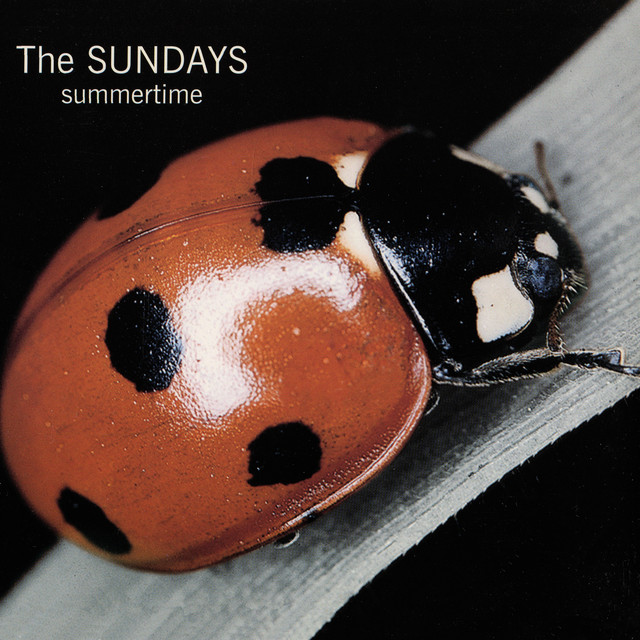
Summertime
The Sundays
Jangle Pop
1992
4
/5
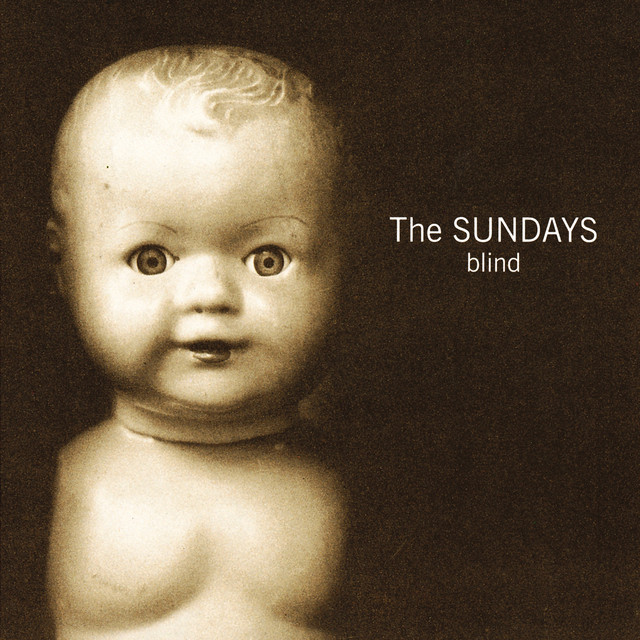
Blind
The Sundays
Jangle Pop
Adult Contemporary
Indie Rock
1990
1
/5
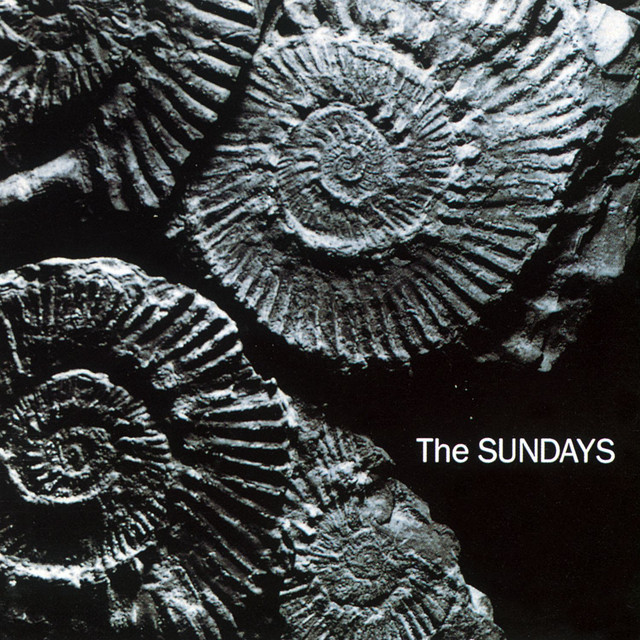
Reading, Writing and Arithmetic
The Sundays
Jangle Pop
Indie Pop
1990
4
/5
Reading Writing And Arithmetic
The Sundays
Jangle Pop
Dream Pop
Indie Pop
1990
4
/5
Reading, Writing And Arithmetic
The Sundays
Jangle Pop
Lilith
Similar artists
1
/5
Various Artists
Afro-Funk
Alternative Rock
Ambient
5
/5
beabadoobee
Bubblegrunge
Indie Pop
Bedroom Pop
5
/5
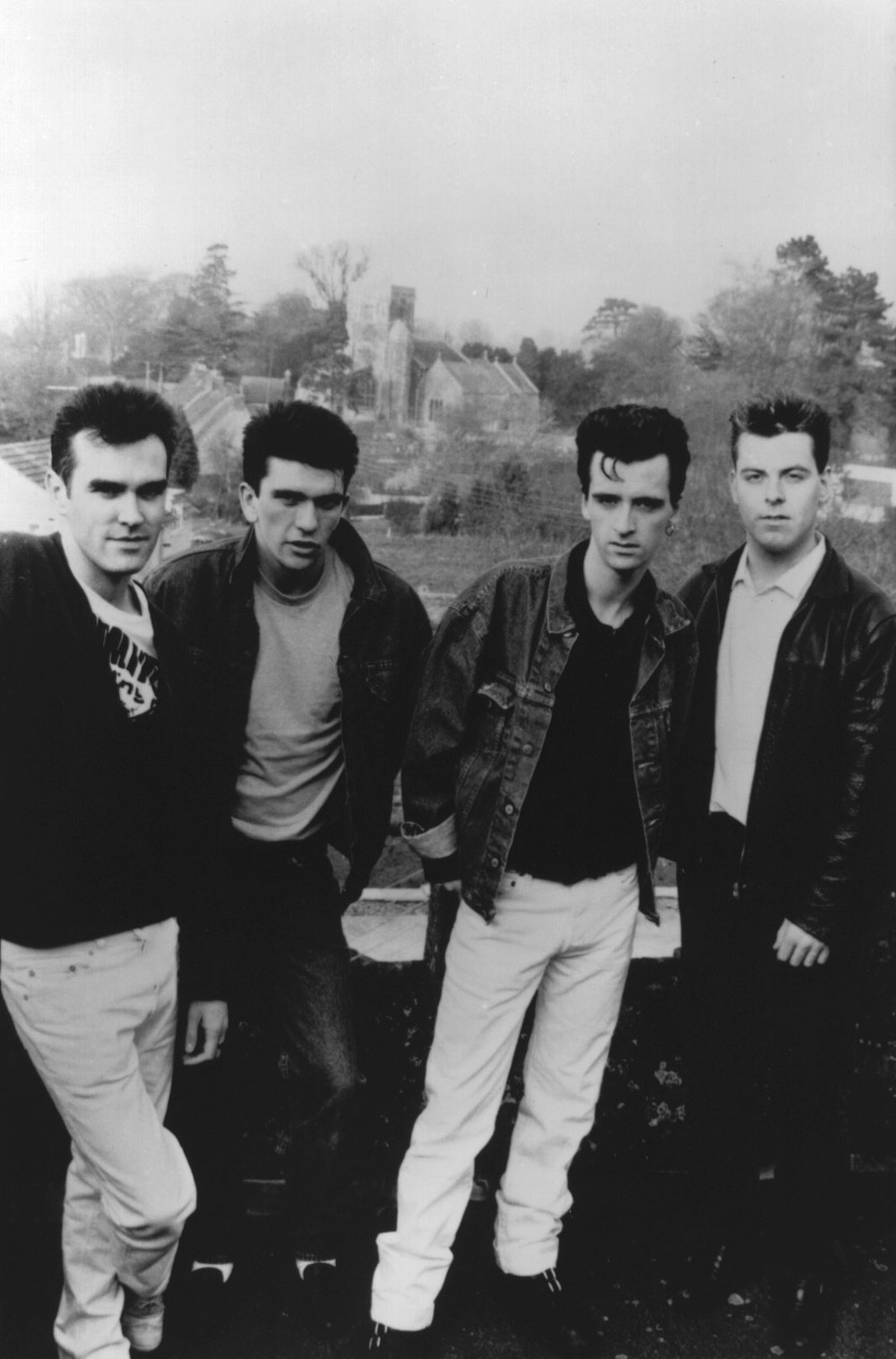
The Smiths
Jangle Pop
Madchester
New Wave
3
/5
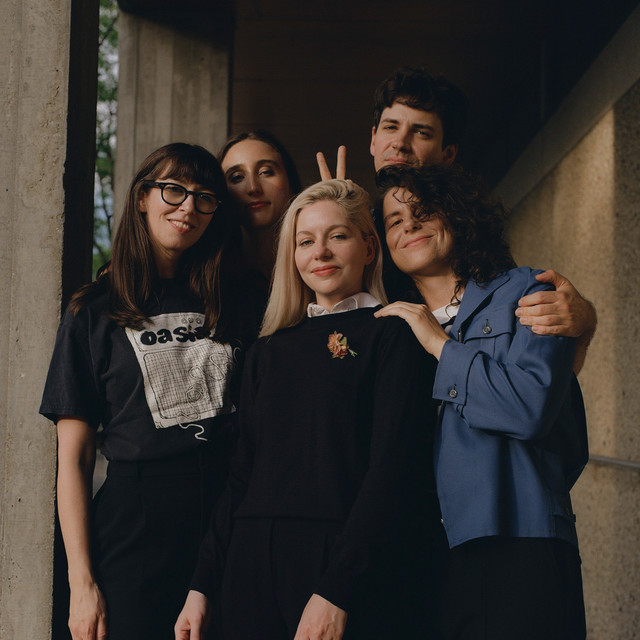
Alvvays
Jangle Pop
Indie Pop
Shoegaze
3
/5
The Church
Jangle Pop
Neo-Psychedelia
Dream Pop
3
/5
Rolling Blackouts Coastal Fever
Modern Jangle Pop
Jangle Pop
Rock
3
/5
Galaxie 500
Slowcore
Dream Pop
Alternative Rock
4
/5
Cocteau Twins
Dream Pop
Ethereal Wave
Rock
3
/5
Ride
Shoegaze
Jangle Pop
Britpop
2
/5
Felt
C86
Tape Club
Jangle Pop
Download our mobile app
Get the Melodigging app and start digging for new genres on the go
Download on the App Store
Get it on Google Play
© 2026 Melodigging
Give feedback
Legal
Melodding was created as a tribute to
Every Noise at Once
, which inspired us to help curious minds keep digging into music's ever-evolving genres.