Your digging level
Description
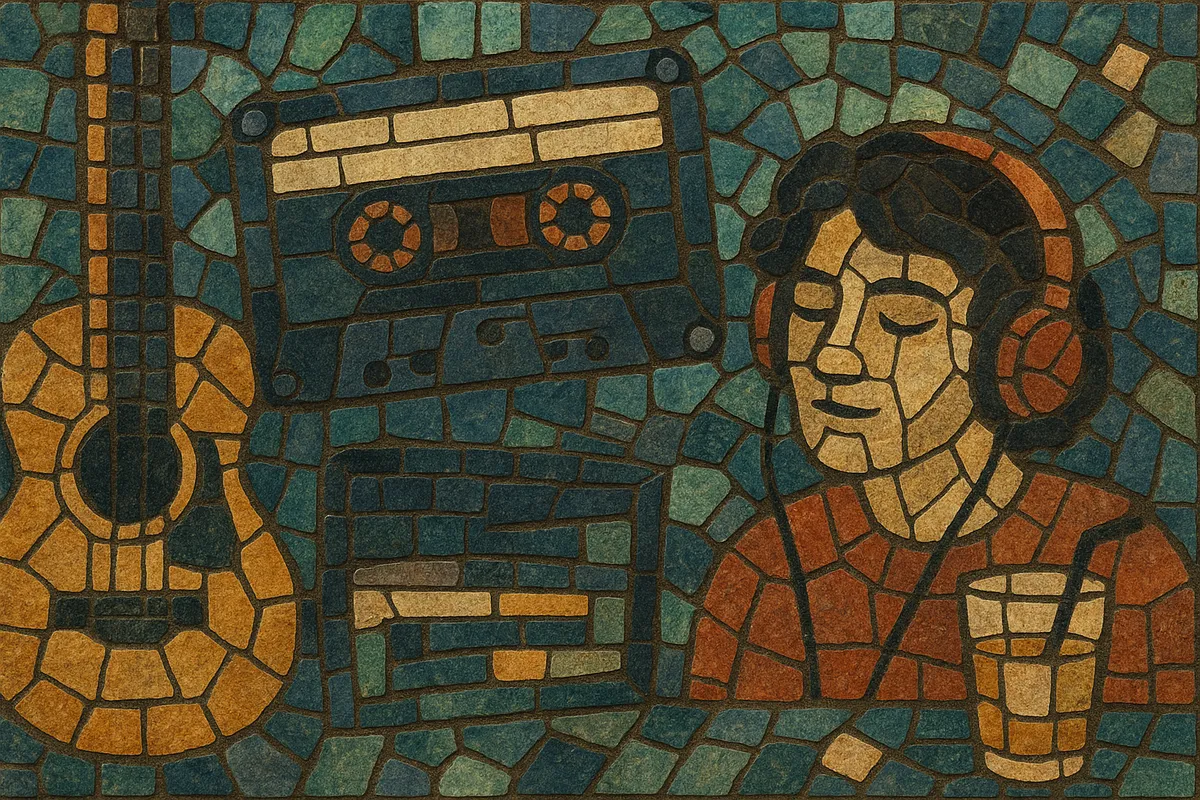
Tape club is a DIY-oriented micro-scene tied to the 2010s cassette revival, where bands and solo artists released jangly indie, garage, and lo‑fi pop on small runs of tapes through bedroom labels and mail‑order clubs.
The sound favors budget-friendly recording methods (four-track cassette, Portastudio, or home DAWs bounced to tape) and embraces tape saturation, hiss, and a live-in-the-room feel. Musically it sits between indie pop, garage rock, surf inflections, and mellow bedroom pop, with short songs, hooky choruses, and nostalgic storytelling.
Although "tape club" names a distribution culture as much as a style, it became recognizable by its warm, saturated sonics, handmade artwork (J-cards, risograph prints), and a community ethos that valued accessibility, zine-minded aesthetics, and informal touring networks.
History
Cassette culture in the 1980s established the idea that artists could bypass traditional gatekeepers, trading tapes through mail-order lists and zines. DIY punk, twee/indie pop, and lo-fi home recording practices laid the aesthetic and social groundwork: short-run duplication, community-driven distribution, and an embrace of imperfection.
In the early 2010s, a wave of small labels and tape “clubs” in the United States normalized limited cassette runs for new indie, garage, and bedroom-pop artists. The format’s affordability, Bandcamp’s rise, and a nostalgic appetite for physical media converged, creating a scene where releasing a tape was both a practical and aesthetic choice. Artists frequently paired digital releases with hand-dubbed cassettes and risograph or photocopied artwork.
Musically, the scene blended jangly indie rock, surf-tinged garage, and woozy bedroom pop. Production leaned into tape saturation, hiss, and live-tracked energy, turning constraints into a signature warmth. Community-wise, shows were informal, often in DIY spaces; labels operated as hubs for touring swaps, compilations, and cross-pollination among like‑minded artists.
By the late 2010s, the "tape club" aesthetic had influenced a wide swath of indie culture—spilling into garage pop, indie surf, and the softer edges of bedroom pop. Even as some prominent tape-era institutions dissolved or restructured, the practice persisted via micro-labels, artist-run imprints, and Bandcamp-first models. The ethos—lo-fi intimacy, low barriers to entry, and community-forward distribution—remains embedded in contemporary indie practice.