Genres
Artists
Albums
Make Music
Sign in
Sign in
Artists
Classical
Artists
Classical
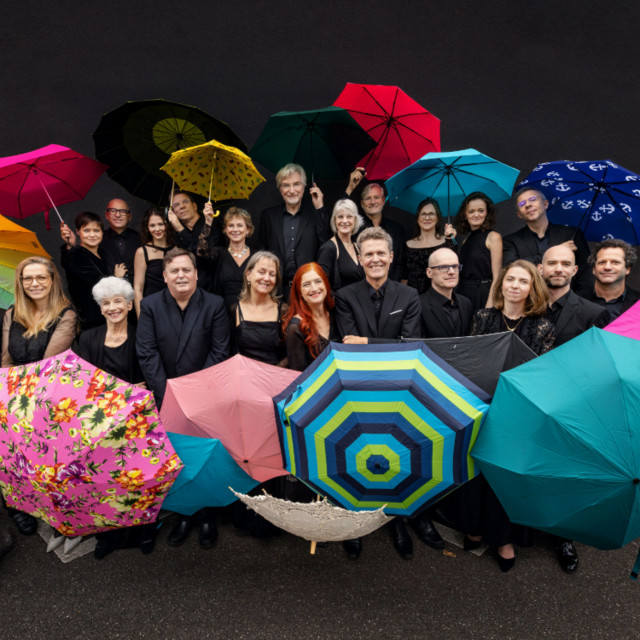
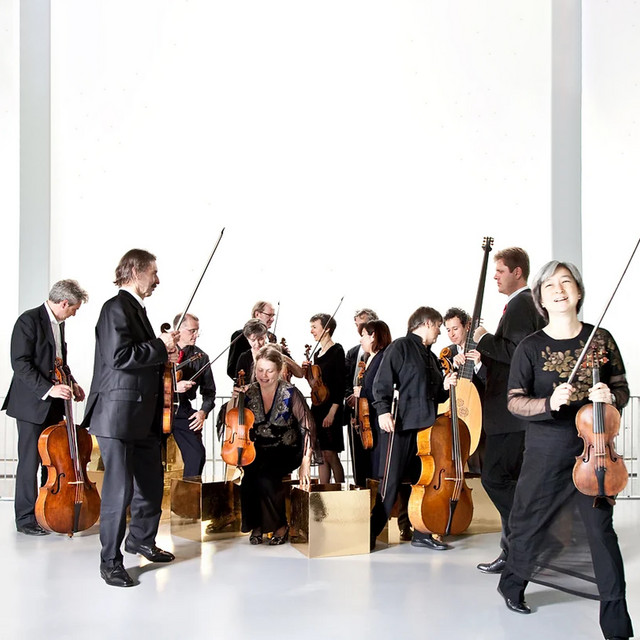
Tafelmusik Baroque Orchestra
1996–2002
·
2 albums
Listen
3
/5
Genres
Concerto
A concerto is a large-scale composition that sets one or more solo instruments in dynamic dialogue with an orchestra. Its core idea is contrast—between soloist and tutti—and the dramatic negotiation of power, color, and thematic responsibility. While Baroque concertos often relied on ritornello form, the Classical era standardized a three-movement plan (fast–slow–fast) with sonata principles in the opening movement. The Romantic period emphasized virtuosity and expressive foregrounding of the soloist, and the 20th–21st centuries broadened the palette with new instruments, harmonies, and formats. Across eras, the concerto remains a showcase for instrumental character, technical brilliance, and the art of orchestral conversation.
Discover
Listen
Baroque Ensemble
Baroque ensemble refers to groups performing instrumental and vocal music from the Baroque era using the ensemble formats of the time—string bands with continuo, mixed winds and brass, and, at larger scale, early orchestras. It foregrounds basso continuo (harpsichord, organ, theorbo, cello/violone) supporting melody instruments (violins, violas, oboes, recorders, trumpets, flutes) in forms such as trio sonatas, dance suites, concerti grossi, overtures, and early symphonies. In contemporary usage, the term often implies historically informed approaches: period or replica instruments with gut strings, natural trumpets and horns, Baroque bows, and performance practices like ornamentation, notes inégales, overdotting, and rhetorical phrasing. The sound is clear, articulate, and texturally transparent, with terraced dynamics and continuo-driven harmony that emphasizes affect and musical rhetoric.
Discover
Listen
Baroque Violin
Baroque violin refers both to the instrument in its Baroque setup and to the repertory and performance practice for violin from roughly 1600–1750. Typical instruments use gut strings, a lighter bass bar, a shorter/shallower neck angle, and no chin- or shoulder-rest. They are paired with a Baroque bow, whose camber and weight distribution encourage speech‑like articulation, sprung strokes, and a clear attack/decay. Pitch is commonly at A≈415 Hz (varying by region), and temperaments may be circulating or meantone rather than modern equal temperament. Stylistically, Baroque violin playing emphasizes rhetorical phrasing (the "Doctrine of Affections"), ornamental vibrato (used as a coloristic embellishment rather than a constant), extempore ornamentation, and expressive bowing. The music lives in sonatas (da chiesa/da camera), dance suites, concerti (including the concerto grosso), and theatrical or sacred contexts, nearly always underpinned by basso continuo.
Discover
Listen
Baroque
Baroque is a period and style of Western art music spanning roughly 1600–1750. It is characterized by the birth of functional tonality, the widespread use of basso continuo (figured bass), and a love of contrast—between soloist and ensemble, loud and soft, and different timbres. Hallmark genres and forms of the era include opera, cantata, oratorio, concerto (especially the concerto grosso), dance suite, sonata, and fugue. Textures range from expressive monody to intricate counterpoint, and melodies are richly ornamented with trills, mordents, and appoggiaturas. Baroque music flourished in churches, courts, and theaters across Europe, with regional styles (Italian, French, German, English) shaping distinctive approaches to rhythm, dance, harmony, and ornamentation.
Discover
Listen
Orchestral
Orchestral music refers to compositions written for an orchestra—a large ensemble typically built around a string section (violins, violas, cellos, double basses), complemented by woodwinds, brass, percussion, and often harp, keyboard, or other auxiliary instruments. A conductor coordinates the ensemble, shaping balance, phrasing, and expression. The style emphasizes coloristic timbre combinations, dynamic range from the softest pianissimo to explosive tuttis, and textures that can shift seamlessly between transparent chamber-like writing and monumental masses of sound. Orchestral writing underpins concert genres such as symphonies, overtures, and tone poems, as well as opera, ballet, and modern film and game scores. While orchestral writing evolved across centuries, its core craft centers on melody, counterpoint, harmony, register, and orchestration—the art of assigning musical ideas to instruments to achieve clarity, contrast, and narrative impact.
Discover
Listen
Classical
Classical music is the notated art-music tradition of Europe and its global descendants, characterized by durable forms, carefully codified harmony and counterpoint, and a literate score-based practice. The term “classical” can refer broadly to the entire Western art-music lineage from the Medieval era to today, not just the Classical period (c. 1750s–1820s). It privileges long-form structures (such as symphonies, sonatas, concertos, masses, and operas), functional or modal harmony, thematic development, and timbral nuance across ensembles ranging from solo instruments to full orchestras and choirs. Across centuries, the style evolved from chant and modal polyphony to tonal harmony, and later to post-tonal idioms, while maintaining a shared emphasis on written notation, performance practice, and craft.
Discover
Listen
Western Classical
Western classical is the notated art-music tradition that developed in Europe from medieval Christian chant into the large-scale secular and sacred forms of the Baroque, Classical, Romantic, and modern eras. It is characterized by staff notation, evolving systems of modality and tonality, and forms such as symphony, sonata, concerto, mass, opera, and chamber music. Across its history, Western classical established an extensive theory of harmony and counterpoint, refined orchestration across strings, winds, brass, and percussion, and cultivated performance practices from a cappella chant to full symphonic and operatic forces. Its repertoire, pedagogy, and institutions (conservatories, orchestras, opera houses) made it a global reference point for compositional craft and instrumental technique.
Discover
Listen
Show all 7 genres
Albums
2002
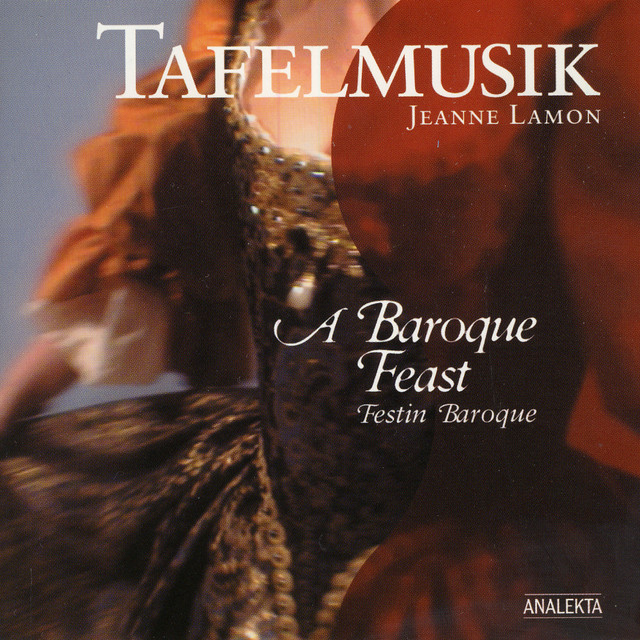
A Baroque Feast
Tafelmusik Baroque Orchestra, Jeanne Lamon
Baroque Ensemble
1996
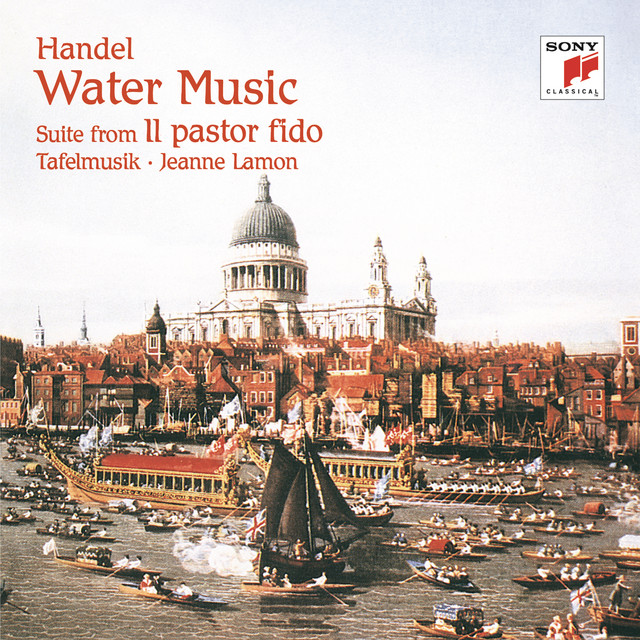
Händel: Water Music, HWV 348-350 & Suite from Il pastor fido, HWV 8c
George Frideric Handel, Tafelmusik Baroque Orchestra
Baroque Violin
Similar artists
4
/5
Johann Sebastian Bach
Baroque
Classical
Baroque Suite
4
/5
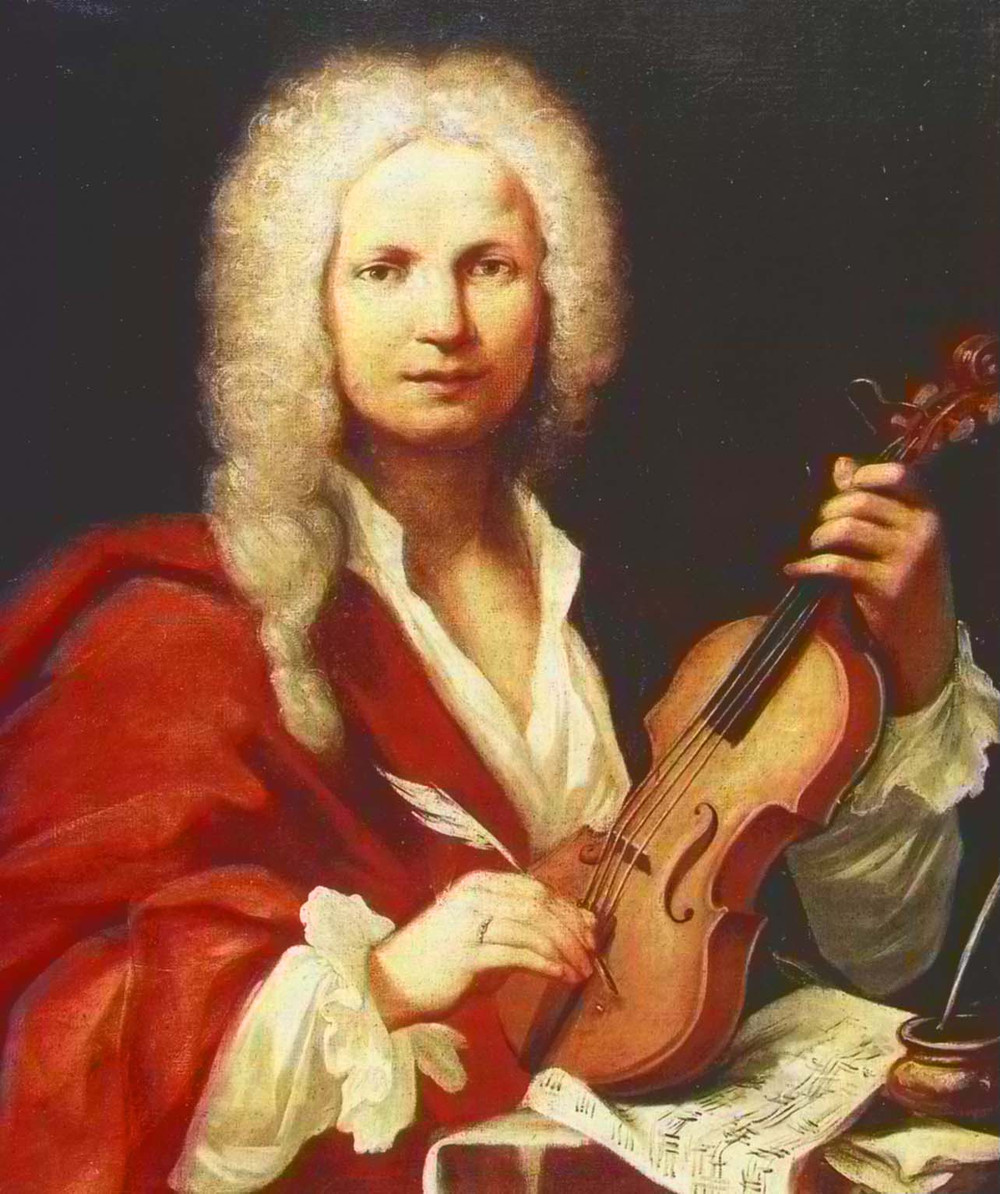
Antonio Vivaldi
Baroque
Classical
Opera Seria
3
/5
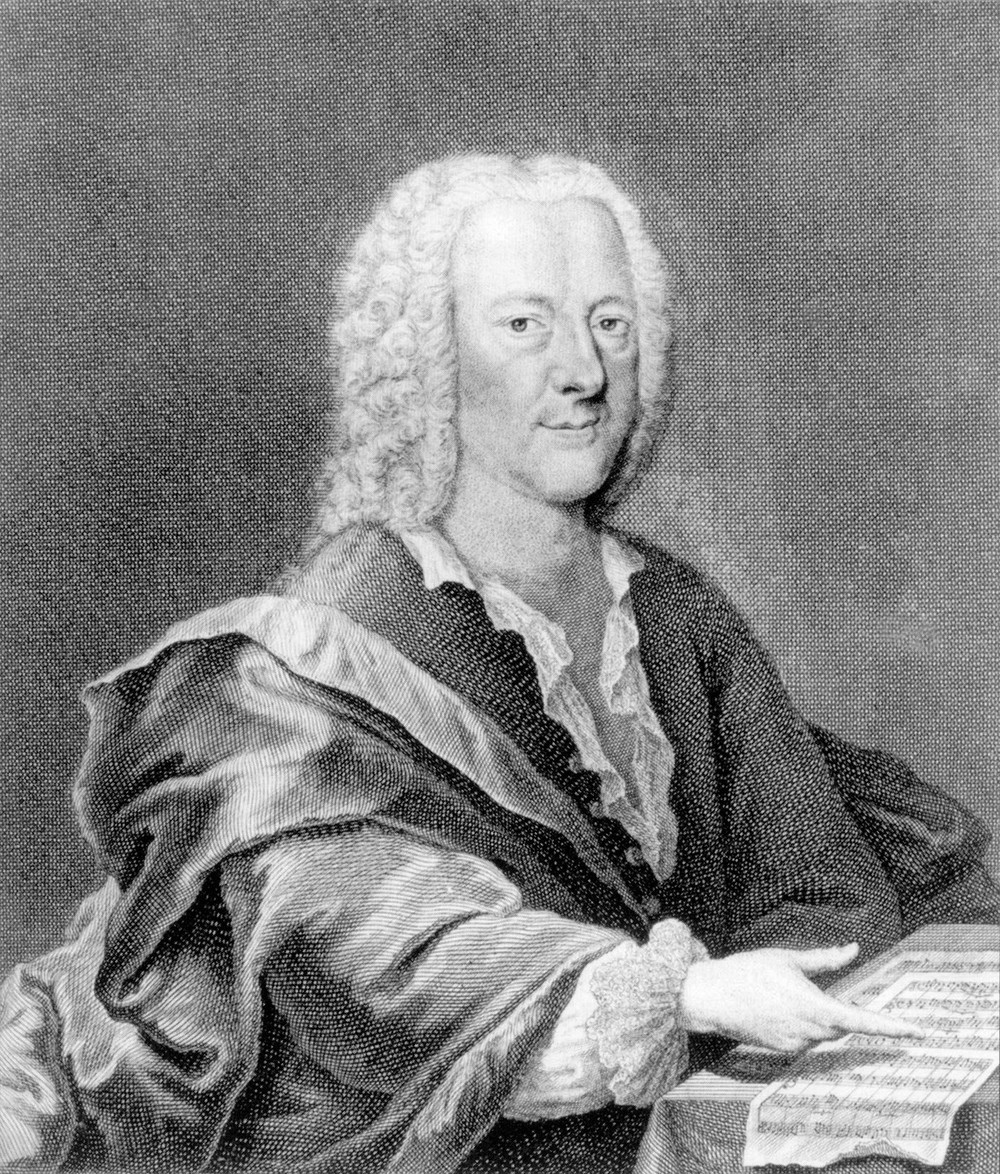
Georg Philipp Telemann
Baroque Woodwind
Fantasia
Recorder
3
/5
Freiburger Barockorchester
Classical
Baroque
Concerto
3
/5
Pieter-Jan Belder
Baroque
Chamber Music
Classical
3
/5
Musica Amphion
Baroque
Chamber Music
Classical
4
/5
Wolfgang Amadeus Mozart
Classical
Requiem
Classical Period
3
/5
Academy of Ancient Music
Classical
Concerto
Baroque
3
/5
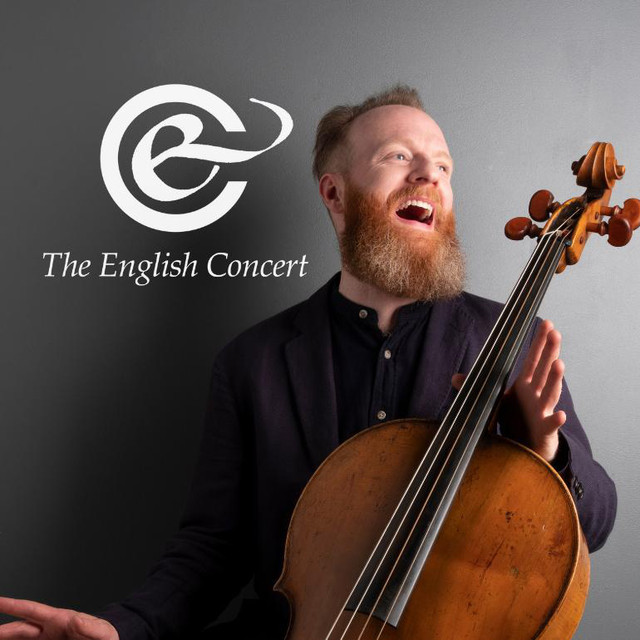
The English Concert
Baroque
Concerto
Classical
3
/5
Trevor Pinnock
Baroque
Concerto
Classical
Download our mobile app
Get the Melodigging app and start digging for new genres on the go
Download on the App Store
Get it on Google Play
© 2026 Melodigging
Give feedback
Legal
Melodding was created as a tribute to
Every Noise at Once
, which inspired us to help curious minds keep digging into music's ever-evolving genres.