Genres
Artists
Albums
Make Music
Sign in
Sign in
Artists
Filk
Artists
Filk
Steam Powered Giraffe
2009–2025
·
8 albums
Listen
3
/5
Genres
Steampunk
Steampunk music is a retrofuturist fusion that marries Victorian- and Edwardian-era performance traditions with modern rock, industrial, and cabaret sounds. It typically blends theatrical vocals and narrative songwriting with a palette that can include accordions, violins/cellos, brass, banjos, ukuleles, hand percussion, piano, and music‑box or typewriter noises alongside guitars, bass, drums, synthesizers, and industrial textures. The lyrical focus often explores airships, clockwork, automata, explorers, inventors, and speculative histories, frequently critiquing empire and class while celebrating adventure and maker culture. Live shows are highly performative, with neo‑Victorian attire, goggles, and anachronistic props integrated into staging, choreography, and audience participation.
Discover
Listen
Dark Cabaret
Dark cabaret is a theatrical, macabre-tinged revival of early 20th‑century cabaret filtered through post‑punk and goth sensibilities. It embraces piano‑led or accordion‑driven songwriting, minor‑key harmonies, and stylized storytelling that draws on Weimar‑era satire, black humor, and noir imagery. Performances are as central as the songs: vocal delivery tends to be expressive and characterful, arrangements are chamber‑like (strings, woodwinds, percussion), and shows often incorporate burlesque, sideshow, and vaudeville aesthetics. Lyrically, dark cabaret juxtaposes romance and ruin, tragedy and farce, exploring themes like decadence, crime, obsession, and the grotesque with a wink and a knife‑edge.
Discover
Listen
Folk Rock
Folk rock is a fusion genre that blends the narrative lyricism, modal melodies, and acoustic timbres of traditional folk with the backbeat, amplification, and song structures of rock. It typically pairs acoustic or traditional instruments (acoustic guitar, mandolin, fiddle) with a rock rhythm section (electric guitar, bass, drums), often featuring chiming 12‑string guitar textures, close vocal harmonies, and socially conscious or storytelling lyrics. The result ranges from intimate, reflective ballads with a steady backbeat to more anthemic, roots‑driven rock. Emerging in the mid‑1960s through artists such as Bob Dylan and The Byrds, folk rock became a gateway for traditional and roots materials to enter mainstream popular music, and it seeded later movements from country rock and Americana to jangle pop and modern indie folk.
Discover
Listen
Filk
Filk is a participatory, folk-derived song tradition that grew within science fiction, fantasy, and fandom communities. It favors acoustic instruments, sing‑along choruses, and narrative lyrics that explore speculative themes—spaceflight, magic, technology, fandom in‑jokes, and literary or media references. The style ranges from humorous parodies and topical “news of fandom” songs to original ballads with serious, mythic, or scientific subject matter. Performances often happen in informal circles at conventions, where anyone can take a turn, and community interaction is as central as the music itself.
Discover
Listen
Rock
Rock is a broad family of popular music centered on amplified instruments, a strong backbeat, and song forms that foreground riffs, choruses, and anthemic hooks. Emerging from mid‑20th‑century American styles like rhythm & blues, country, and gospel-inflected rock and roll, rock quickly expanded in scope—absorbing folk, blues, and psychedelic ideas—while shaping global youth culture. Core sonic markers include electric guitar (often overdriven), electric bass, drum kit emphasizing beats 2 and 4, and emotive lead vocals. Rock songs commonly use verse–chorus structures, blues-derived harmony, and memorable melodic motifs, ranging from intimate ballads to high‑energy, stadium‑sized performances.
Discover
Listen
Pop
Pop is a broad, hook-driven style of popular music designed for wide appeal. It emphasizes memorable melodies, concise song structures, polished vocals, and production intended for radio, charts, and mass media. While pop continually absorbs elements from other styles, its core remains singable choruses, accessible harmonies, and rhythmic clarity. Typical forms include verse–pre-chorus–chorus, frequent use of bridges and middle-eights, and ear-catching intros and outros. Pop is not defined by a single instrumentation. It flexibly incorporates acoustic and electric instruments, drum machines, synthesizers, and increasingly digital production techniques, always in service of the song and the hook.
Discover
Listen
Cabaret
Cabaret is an intimate form of stage entertainment centered on songs, witty monologues, satire, and character pieces, typically presented in small rooms with table seating and a master of ceremonies. Performers address the audience directly, and the atmosphere is conversational, risqué, and often politically or socially pointed. Musically, cabaret blends the French chanson tradition with Weimar-era “Kabarett” and, later, American torch-song and jazz idioms. Arrangements are usually piano-led with small ensembles (accordion, violin, clarinet, upright bass, light percussion), supporting nuanced storytelling and dramatic delivery. Vocal approaches range from parlando (speech-like) delivery to a smoky croon. Common grooves include waltz and musette-inflected 3/4, tango and habanera patterns, foxtrot, and slow blues; harmonies are tonal with chromatic color and expressive rubato. Lyrics favor irony, double entendre, longing, and social commentary.
Discover
Listen
Vaudeville
Vaudeville is a late‑19th to early‑20th‑century American variety stage tradition whose musical side blends comic songs, patter numbers, novelty tunes, sentimental ballads, ragtime interludes, and ensemble finales. It emphasized catchy melodies, memorable refrains, and clear diction so songs could land immediately with live audiences. Typical accompaniment was piano (often with a small pit ensemble of strings, reeds, and light percussion). Song forms favored verse–chorus and 32‑bar AABA structures, with simple diatonic harmony embellished by secondary dominants and ragtime‑style syncopation. Lyrics leaned into topical humor, character monologues, dialect turns (now recognized as historically problematic), and direct audience address. Unlike bawdier burlesque, vaudeville marketed itself as “family entertainment,” integrating music with comedy, dance, specialty acts, and novelty performance. Its stages and circuits incubated the American popular song, connected sheet‑music publishers with performers, and supplied early film and radio with talent and repertoire.
Discover
Listen
Show all 8 genres
Albums
2025
2
/5
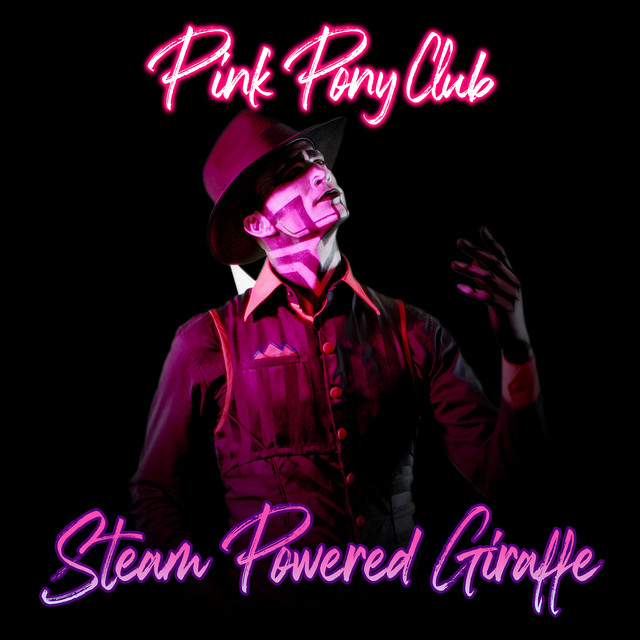
Pink Pony Club
Steam Powered Giraffe
Steampunk
2020
2
/5
1896
Steam Powered Giraffe
Filk
Folk Rock
Pop
2015
2
/5
The Vice Quadrant
Steam Powered Giraffe
Filk
2013
3
/5
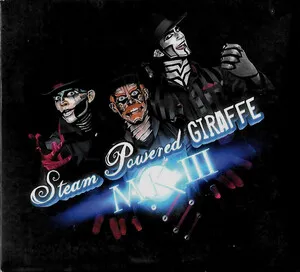
MK III
Steam Powered Giraffe
Filk
2013
2
/5
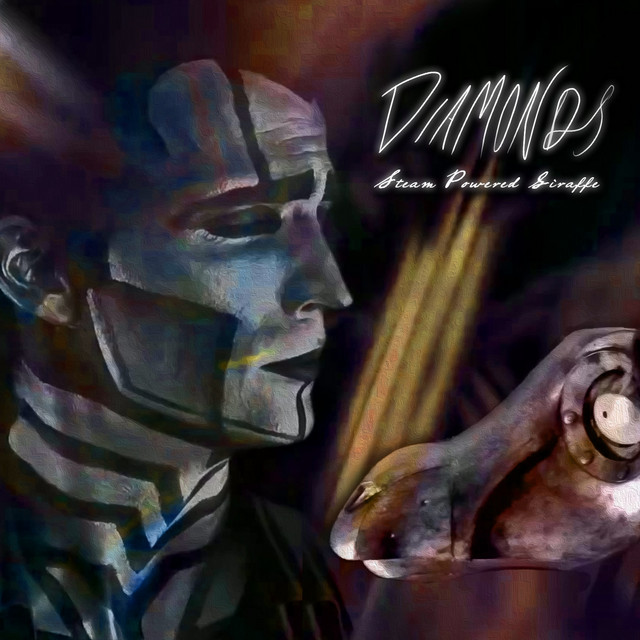
Diamonds (Cover)
Steam Powered Giraffe
Steampunk
2012
3
/5
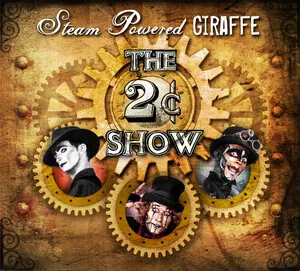
The 2¢ Show
Steam Powered Giraffe
Filk
Cabaret
2009
3
/5
Album One
Steam Powered Giraffe
Filk
Vaudeville
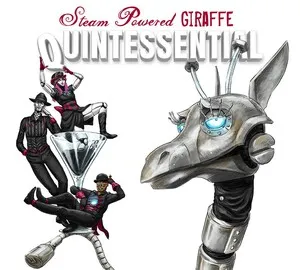
Quintessential
Steam Powered Giraffe
Filk
Similar artists
1
/5
Various Artists
Afro-Funk
Alternative Rock
Ambient
2
/5
The Mechanisms
Filk
Folk Rock
Sea Shanty
3
/5
The Dresden Dolls
Steampunk
Dark Cabaret
Cabaret
3
/5
The Protomen
Nightrun
Rock Opera
Rock
5
/5
The Beatles
Merseybeat
Rock
Pop
4
/5
Bruce Springsteen
Heartland Rock
Singer-Songwriter
Folk Rock
4
/5
Mumford & Sons
Folk
Folk Rock
Modern Folk Rock
4
/5
Sufjan Stevens
Singer-Songwriter
Chamber Pop
Indie Rock
4
/5
Bob Dylan
Folk Rock
Roots Rock
Rock
4
/5
Neil Young
Folk Rock
Rock
Country Rock
Download our mobile app
Get the Melodigging app and start digging for new genres on the go
Download on the App Store
Get it on Google Play
© 2026 Melodigging
Give feedback
Legal
Melodding was created as a tribute to
Every Noise at Once
, which inspired us to help curious minds keep digging into music's ever-evolving genres.