Genres
Artists
Albums
Make Music
Sign in
Sign in
Artists
Rock Opera
Artists
Rock Opera
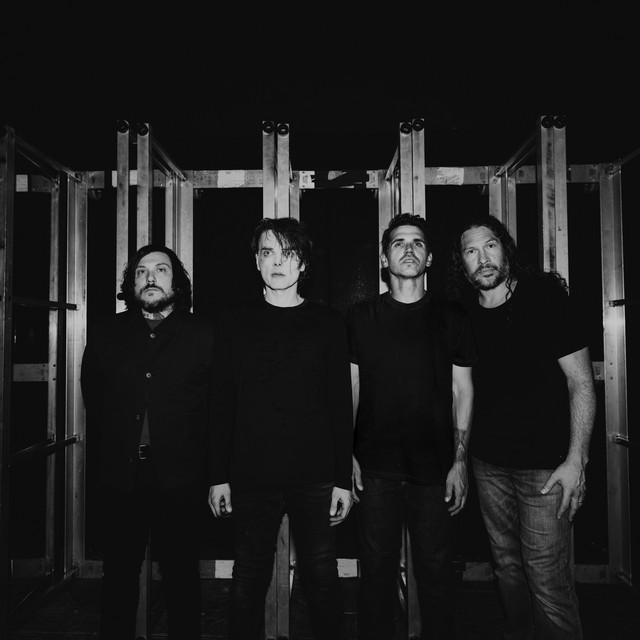
The Protomen
2005–2026
·
4 albums
Listen
3
/5
Genres
Nightrun
Nightrun is a synthwave-adjacent microgenre built for the sensation of cruising through a neon-lit city at night. It blends retro-’80s analog synth timbres, melodramatic minor-key harmonies, and steady four-on-the-floor or motorik grooves with a glossy, cinematic finish. Compared to broader synthwave, nightrun tends to be slightly leaner and more driving: pulsing bass arpeggios, gated snares, and shimmering pads frame soaring lead melodies that evoke nocturnal highways, sodium lights, and distant horizons. Tempos typically sit in the midtempo range (about 85–110 BPM), with arrangements that rise and fall like a night drive—quiet intros, long cruising sections, and cathartic choruses. Aesthetically, it borrows the neon futurism of 1980s action and thriller soundtracks, while adopting modern production sheen and sidechain pumping. The result is danceable yet reflective electronic music tailored to late-night motion and nostalgic escapism.
Discover
Listen
Glitch Hop Edm
Glitch hop EDM is a bass-heavy, midtempo offshoot of glitch and hip-hop that adopts the large-scale sound design, drops, and festival-ready structures of contemporary EDM. It typically runs around 90–115 BPM with a swung or syncopated hip-hop groove, while employing stutter edits, tape stops, bitcrushing, buffer repeats, granular chops, and intricate automation to create the characteristic "glitched" feel. Tracks often feature thick, modulated basslines; punchy, off-kilter drums; chopped vocals and foley; and harmonies that borrow from jazz, funk, and soul, all arranged in EDM-style buildups and drops.
Discover
Listen
Alternative Rock
Alternative rock is a broad umbrella for guitar-based rock that emerged from the independent and college-radio scenes as a counterpoint to mainstream, commercial rock. It blends the energy and ethos of punk with the textural and songwriting experiments of post-punk, new wave, jangle pop, and noise rock, often foregrounding introspective or socially aware lyrics. Across its many strains—from the melodic minimalism of college rock to the loud-quiet-loud dynamics of grunge and the artful experimentation of Radiohead-era modernism—alternative rock prioritizes authenticity, sonic individuality, and a do-it-yourself approach. Its sound ranges from chiming, chorus-laden clean guitars to abrasive distortion and feedback, supported by straightforward rock rhythms or off-kilter grooves, and production that can be either raw and live-sounding or polished yet unconventional.
Discover
Listen
Alternative Punk
Alternative punk is a broad, independent-minded branch of punk that stretches punk’s velocity and attitude into more melodic, experimental, and stylistically hybrid directions. It retains punk’s DIY ethos and raw edge, but embraces unusual song structures, artful dissonance, jangly or noisy guitar textures, and introspective or socially observant lyrics. Often tied to college radio and small labels, alternative punk bridged the gap between late-1970s punk/post-punk and the alternative and indie explosions of the late 1980s and 1990s.
Discover
Listen
Glam
Glam (often called glam rock or glitter rock) is a theatrical, hook-driven strain of rock that emerged in the early 1970s. It pairs stomping, danceable backbeats and chunky guitar riffs with bright, sing-along choruses and a flamboyant visual aesthetic—platform boots, sequins, glitter, and androgynous fashion. While musically rooted in straightforward rock and roll and bubblegum pop, glam embraces artful persona-building and camp, drawing on music hall and vaudeville showmanship. The result is music that is immediate and catchy yet knowingly stylized, celebrating fantasy, youth, fame, and self-invention.
Discover
Listen
Rock Opera
Rock opera is a narrative-driven form of rock music in which a sequence of songs tells a coherent story, often through distinct characters, recurring leitmotifs, and theatrical arcs. Unlike a loose concept album, a rock opera typically emphasizes plot, character development, and musical continuity, borrowing structural ideas from opera (overtures, reprises, arias/solos, and dramatic climaxes) while retaining the instrumentation, rhythms, and sonic vocabulary of rock. Works can exist as studio albums, staged productions, or films, and may range from guitar-centered ensembles to fully orchestrated scores with choirs and narration. The form emerged in the late 1960s with UK pioneers and grew alongside progressive and symphonic rock in the 1970s.
Discover
Listen
Folk Rock
Folk rock is a fusion genre that blends the narrative lyricism, modal melodies, and acoustic timbres of traditional folk with the backbeat, amplification, and song structures of rock. It typically pairs acoustic or traditional instruments (acoustic guitar, mandolin, fiddle) with a rock rhythm section (electric guitar, bass, drums), often featuring chiming 12‑string guitar textures, close vocal harmonies, and socially conscious or storytelling lyrics. The result ranges from intimate, reflective ballads with a steady backbeat to more anthemic, roots‑driven rock. Emerging in the mid‑1960s through artists such as Bob Dylan and The Byrds, folk rock became a gateway for traditional and roots materials to enter mainstream popular music, and it seeded later movements from country rock and Americana to jangle pop and modern indie folk.
Discover
Listen
Hard Rock
Hard rock is a loud, riff-driven style of rock music built around heavily amplified electric guitars, a powerful rhythm section, and assertive vocals. Songs typically center on memorable, blues-based guitar riffs, strong backbeats, and energetic, often shouted or belted choruses. The genre emphasizes power, groove, and visceral impact over intricate harmony or extended improvisation. Distortion, power chords, pentatonic melodies, and call‑and‑response between vocals and guitar are core traits, while lyrical themes often explore rebellion, lust, swagger, escape, and cathartic release.
Discover
Listen
Rock
Rock is a broad family of popular music centered on amplified instruments, a strong backbeat, and song forms that foreground riffs, choruses, and anthemic hooks. Emerging from mid‑20th‑century American styles like rhythm & blues, country, and gospel-inflected rock and roll, rock quickly expanded in scope—absorbing folk, blues, and psychedelic ideas—while shaping global youth culture. Core sonic markers include electric guitar (often overdriven), electric bass, drum kit emphasizing beats 2 and 4, and emotive lead vocals. Rock songs commonly use verse–chorus structures, blues-derived harmony, and memorable melodic motifs, ranging from intimate ballads to high‑energy, stadium‑sized performances.
Discover
Listen
Filk
Filk is a participatory, folk-derived song tradition that grew within science fiction, fantasy, and fandom communities. It favors acoustic instruments, sing‑along choruses, and narrative lyrics that explore speculative themes—spaceflight, magic, technology, fandom in‑jokes, and literary or media references. The style ranges from humorous parodies and topical “news of fandom” songs to original ballads with serious, mythic, or scientific subject matter. Performances often happen in informal circles at conventions, where anyone can take a turn, and community interaction is as central as the music itself.
Discover
Listen
Rock And Roll
Rock and roll is a high-energy, dance-oriented popular music style that emerged in the United States in the early-to-mid 1950s. It fuses the 12‑bar blues and boogie‑woogie with the backbeat and instrumentation of rhythm & blues, the twang and storytelling of country, and the fervor of gospel. Its hallmark sound centers on a strong backbeat (accented on beats 2 and 4), driving rhythm sections, electric guitar riffs, prominent piano or saxophone leads, and catchy, chorus-forward songwriting. Typical harmonies revolve around I–IV–V progressions, often in 12-bar form, with swung or shuffle feels and punchy turnarounds. Culturally, rock and roll catalyzed a youth movement linked to dancing, teen identity, and social change. It bridged racial audiences by popularizing Black American musical traditions for mainstream listeners, and it laid the foundation for subsequent rock styles and much of modern pop.
Discover
Listen
Show all 11 genres
Albums
2026
3
/5
Act III: This City Made Us
Protomen, The, Protomen, The, Protomen, The, Protomen, The, Protomen, The, Prot…
Nightrun
2022
2
/5
The Fight
The Protomen
Nightrun
Rock
Rock And Roll
2009
3
/5
Act II: The Father of Death
The Protomen
Rock Opera
Nightrun
Glam
2005
2
/5
The Protomen
The Protomen
Filk
Rock Opera
Alternative Rock
Similar artists
3
/5
The Dear Hunter
Progressive Rock
Progressive Post-Hardcore
Rock Opera
5
/5
My Chemical Romance
Emo Pop
Emo
Pop Punk
3
/5
Devin Townsend
Progressive Metal
Progressive Rock
Rock
3
/5
TWRP
Nightrun
Electronic
Rock
5
/5
Linkin Park
Alternative Metal
Nu Metal
Rap Metal
5
/5
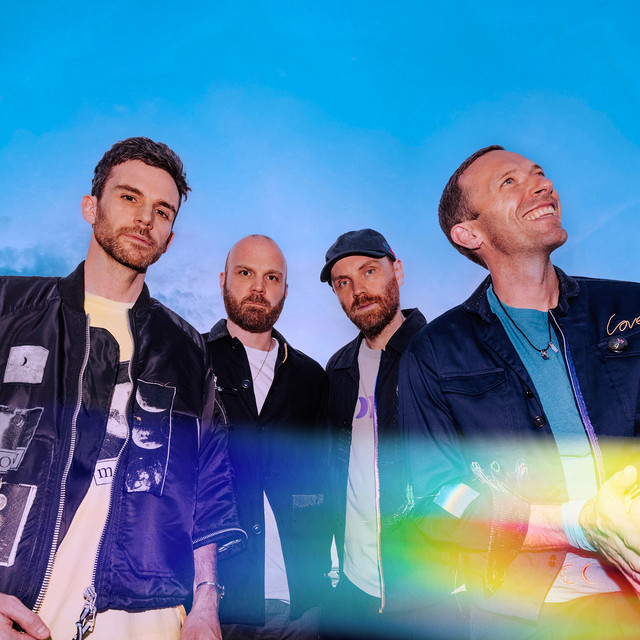
Coldplay
Rock
Permanent Wave
Alternative Rock
5
/5
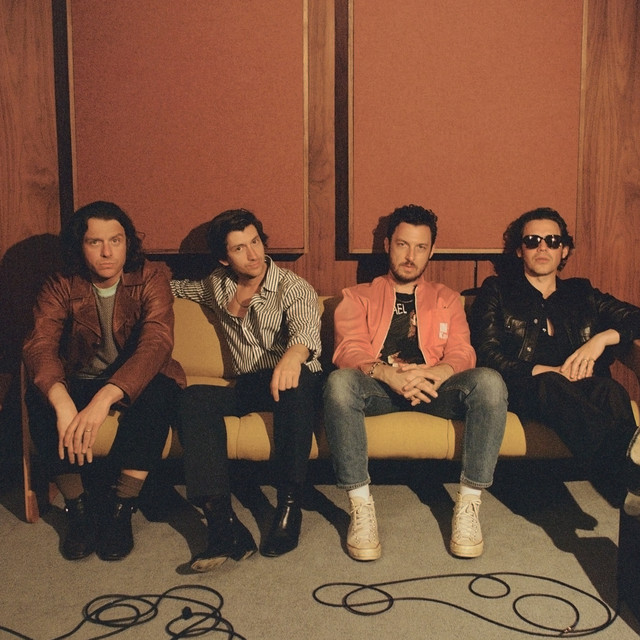
Arctic Monkeys
Garage Rock
Indie
Indie Rock
5
/5
Radiohead
Alternative Rock
Art Rock
Melancholia
5
/5
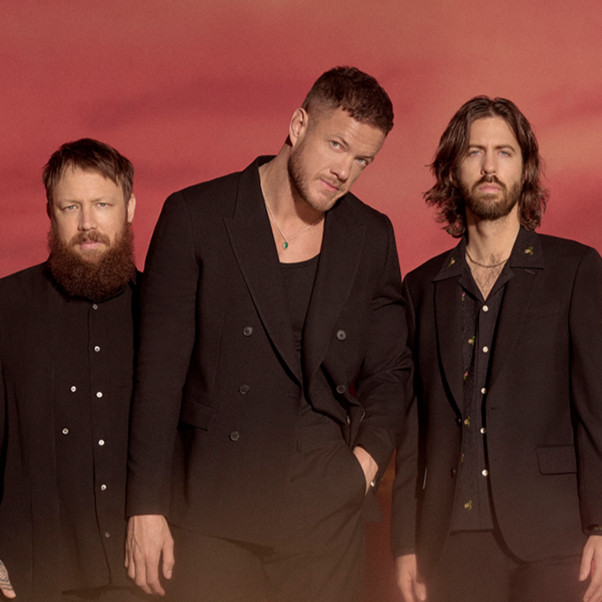
Imagine Dragons
Rock
Pop
Alternative Rock
5
/5
The Neighbourhood
Modern Alternative Rock
Rock
Alternative Rock
Download our mobile app
Get the Melodigging app and start digging for new genres on the go
Download on the App Store
Get it on Google Play
© 2026 Melodigging
Give feedback
Legal
Melodding was created as a tribute to
Every Noise at Once
, which inspired us to help curious minds keep digging into music's ever-evolving genres.